
The vibrant city of Boston, Massachusetts, a crucible of American history and a modern hub of innovation and culture, formally came into existence on September 17, 1630. This pivotal date marks the official establishment of the settlement by Puritan colonists from the Massachusetts Bay Company, led by Governor John Winthrop. While indigenous peoples had thrived on the land for millennia, the founding of Boston by European settlers laid the groundwork for one of the most historically significant and enduring cities in the United States.
Understanding the origins of Boston offers more than just a chronological fact; it provides a profound insight into the city’s enduring character, its architecture, its educational prowess, and its deep-rooted connection to the ideals of freedom and self-governance. For any traveler or history enthusiast, delving into this past transforms a visit from a simple sightseeing trip into an immersive journey through the very fabric of American identity. From its earliest days as a small Puritan village to its current status as a bustling metropolis, Boston’s narrative is rich with stories that continue to shape its appeal as a premier travel destination, offering a unique blend of historical landmarks, world-class accommodations, and a dynamic local culture.
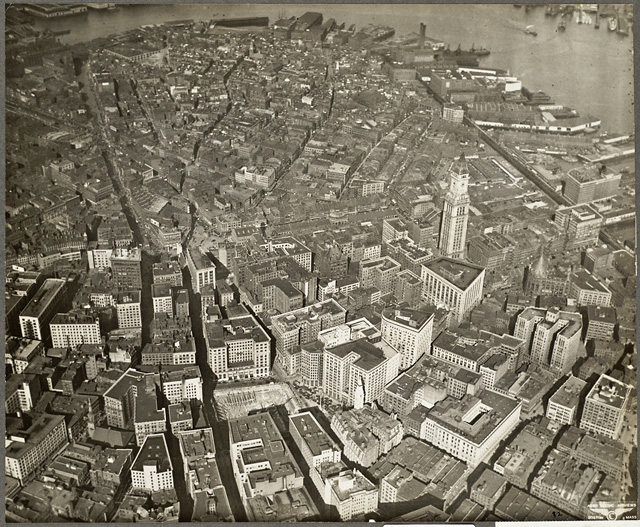
The Dawn of a Colony: Early Settlements and Puritan Ideals
The story of Boston’s founding is inextricably linked to the broader movement of the Puritan migration to North America. Driven by a desire for religious freedom and the ambition to establish a society based on their strict religious principles, a significant wave of English settlers embarked on a perilous journey across the Atlantic. In 1629, King Charles I granted a royal charter to the Massachusetts Bay Company, enabling them to establish a colony in the New World. This was not merely a commercial venture but a grand social and religious experiment.
Led by Governor John Winthrop, a fleet of eleven ships, collectively known as the Winthrop Fleet, departed England in the spring of 1630, carrying approximately 700 to 1,000 Puritan colonists. Their initial destination was the area around present-day Salem, Massachusetts, where a smaller settlement had already been established. However, the existing resources were insufficient to support such a large influx of new arrivals.
Upon arrival, the colonists faced immediate challenges, including a lack of fresh water and fertile land at their initial landing site in Charlestown (then Mishawum). Fortunately, a local English settler named William Blaxton (also spelled Blackstone) informed Winthrop and his company of a nearby peninsula known to the indigenous Massachusett people as Shawmut. This peninsula offered abundant fresh water from a spring and a more defensible position. Recognizing its strategic advantages, Winthrop and a portion of the Puritan settlers decided to relocate.
It was on September 17, 1630, that the General Court of the Massachusetts Bay Company formally voted to name their new settlement “Boston,” in honor of the town of Boston in Lincolnshire, England, from which many of the prominent colonists, including Winthrop, had originated. This act solidified the foundation of the city that would grow to play such a monumental role in the development of the United States. The initial layout of the town centered around what is now Boston Common and the area of the modern-day Downtown Crossing, quickly developing into a bustling port and administrative center for the burgeoning colony.
A Vision for a “City Upon a Hill”
The early settlers of Boston were not simply seeking economic opportunity; they were driven by a profound spiritual purpose. John Winthrop’s famous sermon, “A Model of Christian Charity,” delivered aboard the Arbella before their arrival, articulated this vision, famously stating, “For we must consider that we shall be as a city upon a hill. The eyes of all people are upon us.” This powerful metaphor underscored their belief that their new colony would serve as an exemplary society, a beacon of Puritan righteousness and a model for the rest of the world. This sense of exceptionalism and purpose permeated the early development of Boston, shaping its strict laws, its emphasis on education, and its eventual role in challenging British authority.
Life for these early colonists was fraught with hardship. The harsh New England winters, unfamiliar diseases, and the arduous task of taming the wilderness took a heavy toll. Despite these challenges, the community persevered, driven by their unwavering faith and their shared commitment to building a new society. Their interactions with the indigenous tribes, particularly the Massachusett and Wampanoag peoples, were complex, ranging from initial trade and assistance (such as learning agricultural techniques) to eventual conflict over land and resources. The resilience and determination forged in these early years contributed to the independent spirit that would later define Boston as a hotbed of revolutionary sentiment.
Boston’s Enduring Legacy: From Colonial Hub to Modern Metropolis
From its humble beginnings, Boston rapidly grew in prominence, becoming the largest and most influential city in the American colonies by the mid-18th century. Its strategic harbor made it a vital center for trade, shipbuilding, and fishing, fueling its economic prosperity. However, it was also the crucible where the flames of revolution were ignited. The independent and self-reliant spirit fostered by the early Puritan settlers clashed directly with the increasing interference and taxation policies imposed by the British Crown.
Events such as the Stamp Act protests, the Boston Massacre, and the infamous Boston Tea Party cemented Boston’s reputation as the “Cradle of Liberty.” Figures like Samuel Adams, John Hancock, and Paul Revere emerged from its streets, leading the charge against British tyranny and laying the groundwork for the American Revolution. The city was at the forefront of the fight for independence, witnessing pivotal moments like the Battle of Bunker Hill and the siege that ultimately forced the British to evacuate.
In the post-revolutionary era, Boston continued to flourish. It became a leading intellectual and cultural center, home to influential writers, philosophers, and reformers. The establishment of institutions like Harvard University (founded 1636, predating the formal naming of Boston but part of the larger Massachusetts Bay Colony) and later the Massachusetts Institute of Technology (MIT) solidified its reputation as a global leader in education and research. The 19th and 20th centuries saw Boston transform further through immigration, industrialization, and urban renewal, evolving into the vibrant, diverse metropolis it is today. Its historical core, however, remains remarkably preserved, offering a tangible connection to its storied past.
Exploring Revolutionary Echoes: Must-See Historical Landmarks
For travelers passionate about history, Boston is an unparalleled destination. The city offers a direct, immersive experience into the origins of the United States, particularly through its numerous landmarks that stand as silent witnesses to pivotal moments.
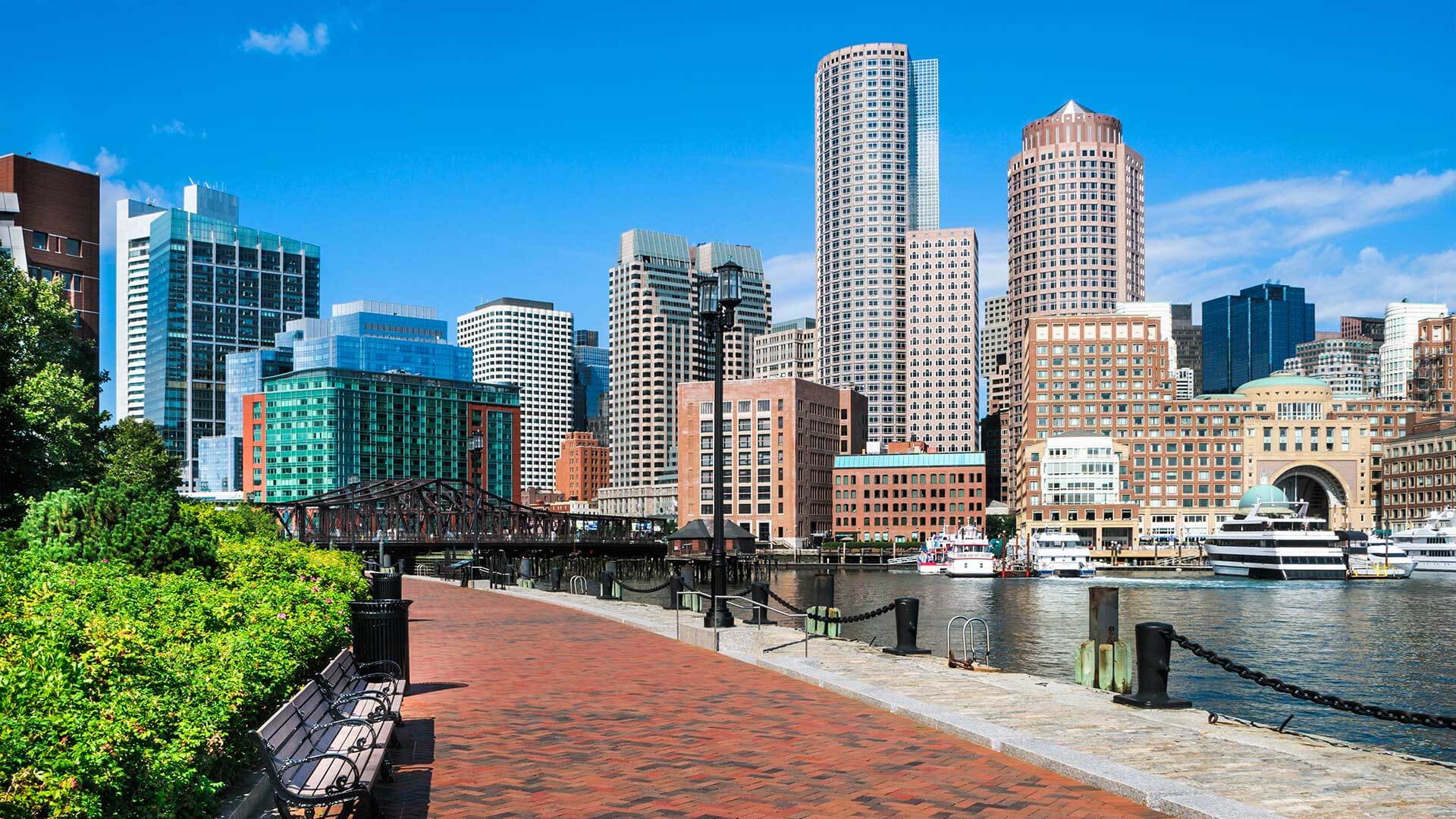
The most famous of these is the Freedom Trail, a 2.5-mile red-lined path that winds through Downtown Boston, connecting 16 historically significant sites. Walking the Freedom Trail is like stepping back in time, offering a comprehensive overview of Boston’s role in the American Revolution. Key stops along the trail include:
- Boston Common: America’s oldest public park, used for public hangings, cattle grazing, and British encampments. Today, it’s a serene green space for locals and visitors alike.
- Massachusetts State House: Designed by Charles Bulfinch, this impressive building with its golden dome stands atop Beacon Hill.
- Park Street Church: Known for its strong anti-slavery stance and where “America” was first sung publicly.
- Granary Burying Ground: The final resting place of notable figures like Paul Revere, Samuel Adams, and the victims of the Boston Massacre.
- King’s Chapel: The first Anglican church in Boston, sparking tension with the Puritan majority.
- Old South Meeting House: The largest building in colonial Boston and the gathering point for thousands of colonists before the Boston Tea Party.
- Old State House: The oldest surviving public building in Boston and the site of the Boston Massacre.
- Faneuil Hall: Known as the “Cradle of Liberty,” where colonists debated issues of taxation and independence. Today, it’s part of a bustling marketplace.
- Paul Revere House: The oldest house in Downtown Boston and the former home of the famous patriot.
- Old North Church: “One if by land, and two if by sea” – the place where the famous lanterns were hung to signal the British movements.
- USS Constitution: “Old Ironsides,” the oldest commissioned warship afloat in the world, docked at Charlestown Navy Yard.
- Bunker Hill Monument: Commemorates the Battle of Bunker Hill, one of the earliest battles of the American Revolution.
Beyond the Freedom Trail, visitors can explore the Boston Tea Party Ships & Museum for an interactive experience of the iconic event, or wander through the picturesque, gas-lit streets of Beacon Hill, an architectural gem with historic brownstones and brick sidewalks that evoke colonial charm. Each of these landmarks offers a unique window into Boston’s foundational history, making it a dream destination for history buffs.
Planning Your Historical Getaway: Travel, Accommodation, and Local Culture
Visiting Boston is more than just a historical excursion; it’s a comprehensive travel experience. The city seamlessly blends its rich past with a vibrant contemporary scene, offering something for every type of traveler. From luxurious stays to budget-friendly options, immersive cultural experiences to world-class dining, Boston caters to diverse preferences, making it an ideal destination for family trips, business stays, or romantic getaways.
Where to Stay: Hotels and Boutique Stays for Every Traveler
Boston’s accommodation landscape is as varied as its history, ranging from grand dame hotels to chic boutique establishments and modern apartments. The choice often depends on your budget, preferred amenities, and the specific areas you wish to explore.
For those seeking luxury and unparalleled service, the Four Seasons Hotel Boston, situated opposite Boston Common, offers opulent rooms, exquisite dining, and a prime location for exploring both historical sites and high-end shopping on Newbury Street. Another excellent high-end option is The Langham Boston, housed in a magnificent former Federal Reserve Bank building, blending historic elegance with contemporary comforts. In the charming Back Bay area, the Fairmont Copley Plaza stands as a landmark itself, offering classic luxury and easy access to cultural institutions like the Boston Public Library.
If you prefer a more unique or boutique experience, the Kimpton Marlowe Hotel in Cambridge (just across the Charles River) offers a stylish, pet-friendly stay with a vibrant atmosphere, perfect for those exploring the academic hubs of Harvard and MIT. Closer to the historical heart, the Omni Parker House, America’s longest continuously operating hotel, offers a blend of historical charm and modern amenities, famously known for inventing the Boston Cream Pie and hosting literary legends. For a trendy, vibrant vibe with excellent city views, the Revere Hotel Boston Common provides a contemporary base with convenient access to entertainment and the Theater District.
Budget-conscious travelers can find numerous options slightly outside the immediate city center, with excellent public transport connections. Areas like Allston, Brighton, or even further afield in Brookline and Somerville offer more affordable hotels, guesthouses, and long-term stay apartments without sacrificing accessibility to Boston’s main attractions. Booking in advance and comparing reviews are key strategies for securing the best accommodation for your trip.

Immersing in Boston’s Vibrant Lifestyle and Culinary Scene
Beyond its historical allure and diverse accommodations, Boston’s lifestyle and culinary scene are a significant draw for tourists. The city boasts a rich cultural tapestry, influenced by centuries of immigration and a strong local identity.
No visit to Boston is complete without indulging in its famed culinary offerings, particularly its fresh seafood. Clam chowder, lobster rolls, and oysters are staples found in restaurants across the city, from upscale dining establishments in the Seaport District to charming waterfront shacks. The North End, Boston’s oldest residential neighborhood, is a must-visit for lovers of authentic Italian food. Its narrow, winding streets are packed with trattorias, bakeries (like the iconic Mike’s Pastry and Modern Pastry), and cafes, offering a delightful immersion into Italian-American culture and history.
For shopping enthusiasts, Newbury Street in Back Bay offers a mix of high-end boutiques, national retailers, and charming sidewalk cafes, perfect for a leisurely afternoon stroll. The Faneuil Hall Marketplace (adjacent to Faneuil Hall) combines history with modern commerce, featuring Quincy Market’s diverse food stalls, street performers, and a wide array of shops.
Boston’s lifestyle caters to a spectrum of interests. Art and culture aficionados can explore the vast collections at the Museum of Fine Arts or the contemporary exhibitions at the Institute of Contemporary Art. Sports fans can catch a game at Fenway Park, home of the Boston Red Sox, an experience that is deeply woven into the city’s identity. For family trips, the New England Aquarium and the Museum of Science provide engaging educational entertainment.
Whether you’re planning a luxury travel experience with fine dining and five-star hotels or a budget travel adventure exploring free museums and street food, Boston offers endless possibilities. Its walkability, efficient public transportation (“the T”), and a calendar full of festivals and events make it an accessible and exciting city to explore.
In conclusion, the founding of Boston on September 17, 1630, marked the birth of a city that would profoundly shape the destiny of a nation. Its Puritan origins instilled a spirit of resilience and an unwavering commitment to ideals that blossomed into the quest for American independence. Today, this historical legacy is meticulously preserved and celebrated, making Boston an essential destination for anyone seeking to connect with the roots of the United States. Beyond its invaluable history, Boston thrives as a dynamic modern city, offering world-class attractions, diverse accommodations, and a vibrant cultural and culinary scene that beckons travelers from across the globe. A visit to Boston is not just a trip; it’s an educational adventure and an unforgettable experience, blending the echoes of the past with the pulse of contemporary urban life.
LifeOutOfTheBox is a participant in the Amazon Services LLC Associates Program, an affiliate advertising program designed to provide a means for sites to earn advertising fees by advertising and linking to Amazon.com. Amazon, the Amazon logo, AmazonSupply, and the AmazonSupply logo are trademarks of Amazon.com, Inc. or its affiliates. As an Amazon Associate we earn affiliate commissions from qualifying purchases.