
The vibrant, historic city of Boston, Massachusetts, stands today as a beacon of innovation, education, and culture, yet its roots stretch back nearly four centuries to a time when a fledgling group of Puritan settlers sought a new life across the Atlantic. Far more than just a date on a calendar, the founding of Boston on September 7, 1630, marks the beginning of a remarkable journey that would shape not only a city but a nation. This seminal moment laid the groundwork for a destination that captivates travelers with its rich tapestry of historical landmarks, world-class accommodations, and a lifestyle that seamlessly blends its profound past with a dynamic present.
Understanding when and why Boston was founded offers a profound insight into its enduring character. It reveals a story of conviction, resilience, and the relentless pursuit of ideals that continue to define the city. For those exploring destinations, seeking unique attractions, or simply looking to immerse themselves in history, Boston’s origin story is the essential prologue to any visit. From the cobblestone streets of Beacon Hill to the bustling markets of Faneuil Hall, every corner of this city whispers tales of its earliest days, inviting travelers to step back in time while enjoying the modern comforts and experiences Boston offers.
The Dawn of a New World: Boston’s Puritan Origins
The founding of Boston was not an isolated event but rather a pivotal moment within a larger historical phenomenon known as the Great Migration. In the early 17th century, religious and political turmoil in England spurred thousands of Puritans to seek refuge and the freedom to practice their faith without persecution. They envisioned creating a “city upon a hill,” a model society guided by their religious principles. This ambition led to the establishment of the Massachusetts Bay Colony, which would become one of the most influential English settlements in North America.
John Winthrop and the Great Migration
Central to Boston’s founding was John Winthrop, a devout Puritan lawyer and one of the key figures in the Massachusetts Bay Company. In April 1630, Winthrop led a fleet of eleven ships, carrying over 700 colonists, from England to the shores of what would become Massachusetts. His vision was not merely to escape persecution but to establish a commonwealth rooted in covenant theology, where civil and religious laws would be intertwined.
Upon their arrival in June 1630, the initial landing at Salem proved unsuitable due to a lack of fresh water and fertile land. This prompted Winthrop and his fellow leaders to seek a more promising location. Their search eventually led them to a narrow, hilly peninsula known to the local indigenous people as Shawmut Peninsula, characterized by its distinctive triple-peaked hill formations, which the English colonists referred to as Trimountaine. This peninsula was already home to a solitary English settler, William Blaxton (also spelled Blackstone), who had arrived a few years prior and had access to a freshwater spring. Blaxton extended an invitation to Winthrop and his company, recognizing the potential of the site.
From Trimountaine to Boston: The Naming and Early Settlement
On September 7, 1630 (which, by the Gregorian calendar used today, translates to September 17), the Massachusetts Bay Colony officially decided to establish its primary settlement on the Trimountaine peninsula. It was on this date that they formally named the new settlement Boston, after the town of Boston in Lincolnshire, England, from which many of the prominent colonists originated. This act solidified the future of what would become one of America’s most historically significant cities.
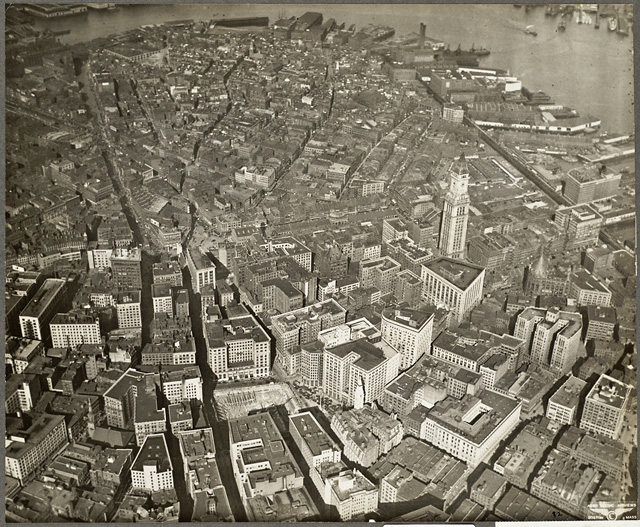
The early years were fraught with challenges. The colonists faced harsh winters, unfamiliar terrain, and the constant threat of disease. However, their unwavering determination, coupled with the strategic advantages of the peninsula – its protected harbor, defensible hills, and access to fresh water – allowed Boston to quickly grow into a bustling port town and the administrative center of the Massachusetts Bay Colony. The earliest public space, what we now know as Boston Common, was designated in 1634, serving as a shared pasture and training field, a testament to the communal spirit of the early settlers.
Today, visitors can walk through these historic spaces, imagining the early settlers’ struggles and triumphs. The King’s Chapel Burying Ground, established in 1630, is a poignant reminder of these pioneers, offering a glimpse into their lives and ultimate resting places. The seamless blend of historical depth and modern accessibility makes exploring Boston’s origins a unique and rewarding experience for history enthusiasts and casual tourists alike.
A Cradle of Liberty: Boston’s Role in American History
The foundational principles of freedom and self-governance that drove Boston’s establishment deeply influenced its future. Within a century of its founding, the city had become the intellectual and economic hub of the New England colonies, and critically, a hotbed of revolutionary fervor. The events that unfolded in Boston in the mid-18th century directly ignited the flame of the American Revolution, forever cementing its place as the “Cradle of Liberty.”
Igniting the Revolution: Key Sites and Events
Boston’s compact layout makes it incredibly easy for visitors to trace the footsteps of revolutionaries. The city’s history isn’t confined to museums; it’s etched into its very architecture and street names. Iconic events like the Boston Massacre, the Boston Tea Party, and Paul Revere’s midnight ride weren’t just pivotal moments in textbooks; they transpired on the very ground travelers walk today.
- Faneuil Hall: Often called the “Cradle of Liberty,” this marketplace and meeting house hosted fiery speeches by patriots like Samuel Adams and James Otis. It remains a vibrant public market and an essential stop for any tourist.
- Old State House: This is the oldest surviving public building in Boston, serving as the seat of colonial government. The site of the Boston Massacre occurred directly in front of it, marked by a cobblestone circle today.
- Old South Meeting House: A large public gathering place where thousands assembled on the night of the Boston Tea Party in 1773, prior to marching to Griffin’s Wharf.
- Paul Revere House: The oldest house in downtown Boston, this perfectly preserved home offers a glimpse into the life of the legendary patriot Paul Revere and the colonial era.
- Old North Church: “One if by land, and two if by sea.” It was from this steeple that the famous signal lanterns were hung to warn of British troop movements. The church, a stunning piece of colonial architecture, is still an active Episcopal congregation.
These landmarks, among others, paint a vivid picture of a city united in its quest for independence. They serve not only as historical markers but as engaging attractions that draw millions of visitors each year, eager to connect with the origins of the United States.
Preserving the Past: The Freedom Trail Experience
To truly experience Boston’s revolutionary past, the Freedom Trail is indispensable. This 2.5-mile red-lined walking path leads visitors to 16 historically significant sites, each playing a crucial role in the struggle for American independence. Guided tours offer detailed narratives, bringing the stories of patriots and pivotal events to life, while self-guided options allow for personalized exploration.
Beyond the core revolutionary sites, the Freedom Trail extends into Charlestown, where the Bunker Hill Monument commemorates the fierce Battle of Bunker Hill, an early and bloody engagement of the war. Nearby, the USS Constitution, also known as “Old Ironsides,” the oldest commissioned warship afloat in the world, stands as a symbol of American naval power and resilience.
For tourists focused on landmarks and historical experiences, the Freedom Trail offers an unparalleled journey. It’s a comprehensive guide to understanding how a small Puritan settlement grew into the epicenter of a revolution that changed the world. The entire experience is designed to be immersive, engaging, and highly informative, demonstrating how effectively Boston marries its historical preservation efforts with modern tourism.
Boston Today: Where History Meets Modernity
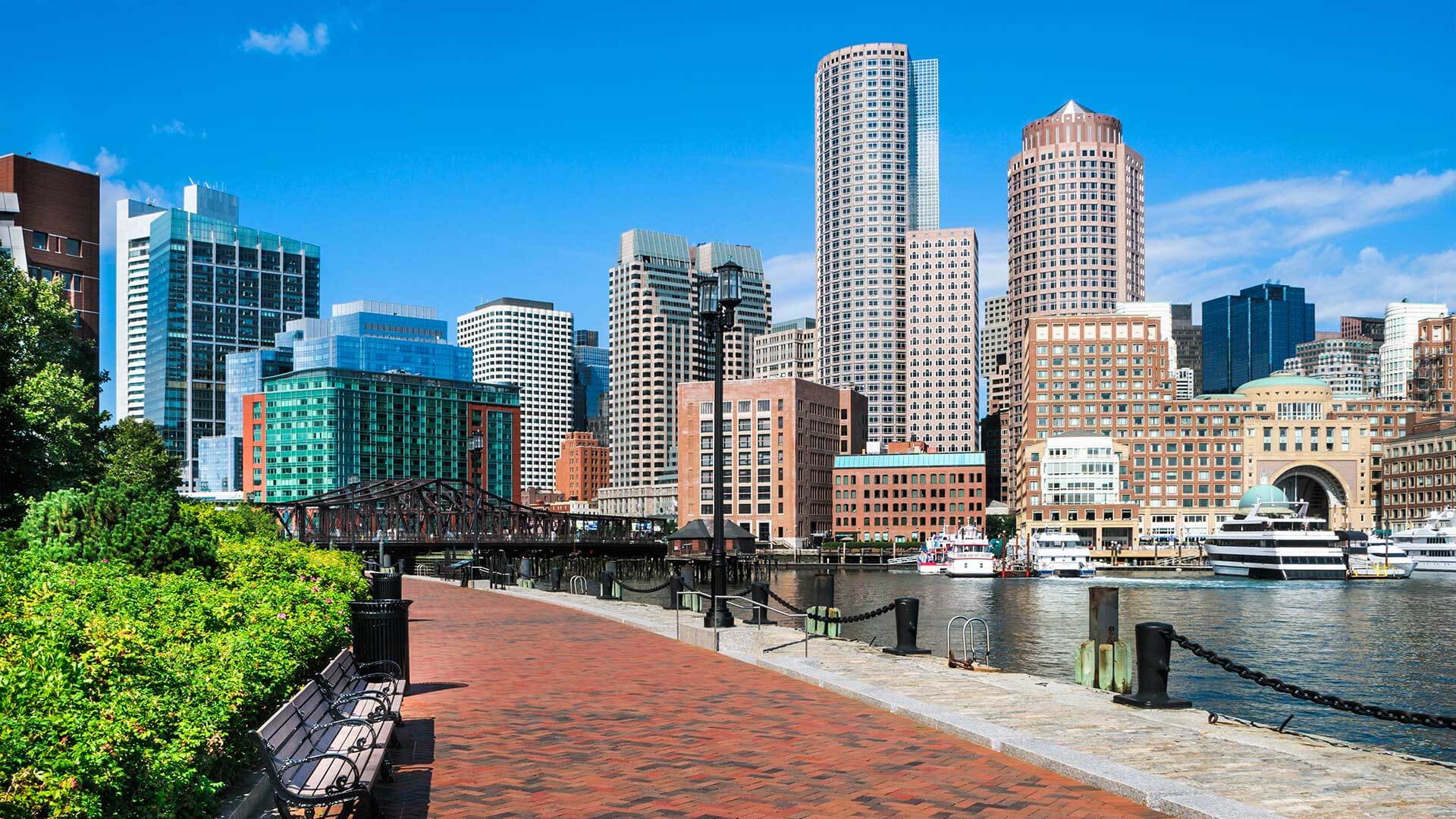
Centuries after its founding, Boston has evolved into a vibrant, cosmopolitan city that brilliantly juxtaposes its profound historical heritage with cutting-edge innovation and a sophisticated urban lifestyle. It’s a city where ancient burying grounds sit adjacent to gleaming skyscrapers, and colonial taverns thrive alongside Michelin-starred restaurants. This blend makes Boston a top destination for diverse travelers, from history buffs and culture vultures to foodies and luxury seekers.
Exploring Historical Landmarks and Vibrant Neighborhoods
While the historical core of Boston is undeniably compelling, the city’s appeal extends to its distinct neighborhoods, each offering a unique flavor and experience.
- Beacon Hill: Just steps from the Boston Common, this picturesque neighborhood is renowned for its gas-lit streets, federal-style rowhouses, and boutique shops. It evokes a sense of old-world charm and elegant history, making it a favorite for leisurely strolls.
- North End: Boston’s oldest residential neighborhood, the North End is also its most famous for its rich Italian heritage. Here, historic sites like the Paul Revere House and the Old North Church coexist with some of the best Italian restaurants and bakeries in the United States.
- Back Bay: A testament to 19th-century urban planning, Back Bay is famous for its Victorian brownstone homes, elegant avenues like Commonwealth Avenue, and high-end shopping on Newbury Street. It also houses landmarks like Copley Square, home to the Boston Public Library and Trinity Church.
- Waterfront: Once a bustling port, the revitalized Waterfront district now offers modern hotels, seafood restaurants, and attractions like the New England Aquarium and the Boston Tea Party Ships & Museum. The Rose Fitzgerald Kennedy Greenway provides a beautiful ribbon of parks connecting different parts of the city.
Beyond specific neighborhoods, Boston is a city of intellectual prowess, home to world-renowned institutions like Harvard University in Cambridge and MIT (Massachusetts Institute of Technology), attracting students and scholars globally. The Museum of Fine Arts and the Isabella Stewart Gardner Museum offer unparalleled cultural experiences, cementing Boston’s status as a top cultural destination. For sports enthusiasts, catching a game at Fenway Park, one of America’s most iconic ballparks, is a quintessential Boston experience.
Accommodations and Lifestyle: Blending Past and Present
Boston’s commitment to quality extends to its diverse accommodation options, catering to every travel style and budget. From luxurious suites in historic buildings to modern, amenity-rich hotels, the city ensures a comfortable and memorable stay.
For a taste of timeless elegance, the Omni Parker House, founded in 1855, offers a stay steeped in history, known for its grand architecture and being the birthplace of the famous Boston Cream Pie. The Langham, Boston, housed in the former Federal Reserve Bank, blends historic grandeur with contemporary luxury. Boutique hotels like XV Beacon on Beacon Hill provide an intimate, upscale experience, while major chains like the Four Seasons Hotel Boston offer unparalleled service and amenities overlooking the Boston Public Garden. For those seeking a modern aesthetic and vibrant nightlife, properties like The Envoy Hotel, Autograph Collection in the Seaport District are excellent choices, offering stunning waterfront views.
Whether you’re on a luxury trip, a budget-conscious adventure, a family vacation, or a business stay, Boston provides accommodation options that enhance the overall travel experience, often placing guests right in the heart of the action or within easy reach of transportation networks. Many hotels offer packages that include historical tours or access to attractions, seamlessly integrating tourism into your stay.
Culinary Journeys Through Time
Boston’s culinary scene is as rich and diverse as its history. From classic New England seafood to world-class fine dining, the city offers a gastronomic journey that reflects its many cultural layers. You can savor traditional clam chowder and lobster rolls in historic pubs or explore the authentic Italian fare of the North End, a vibrant neighborhood whose culinary traditions have been perfected over generations of immigrants. The city also boasts a burgeoning contemporary dining scene, with innovative chefs pushing boundaries while often sourcing local ingredients from the surrounding Massachusetts farms and fisheries.
Food tours are a popular way to explore these culinary landscapes, offering insights into Boston’s historical and cultural influences through its cuisine. From the oldest continuously operating restaurant in the United States, Union Oyster House, to modern eateries, dining in Boston is an integral part of understanding its identity.

Planning Your Historic Boston Getaway
Visiting Boston is an immersion into the very fabric of America’s past, present, and future. The city’s founding principles, born from a quest for freedom and a vision for a better society, continue to resonate in its vibrant neighborhoods, its educational institutions, and its welcoming atmosphere. For anyone interested in travel, tourism, and experiencing destinations that offer profound historical depth alongside modern amenities, Boston is an unparalleled choice.
When planning your trip, consider the wealth of attractions available. A visit would ideally include a deep dive into the Freedom Trail, exploring its iconic landmarks and engaging with the stories of the revolution. Allocate time to wander through Beacon Hill’s charming streets, savor a cannoli in the North End, and perhaps catch a game at Fenway Park.
Accommodation choices are plentiful, whether you prefer the historical grandeur of the Omni Parker House, the modern luxury of a Waterfront hotel, or a charming boutique stay. Booking in advance, especially during peak tourist seasons (spring and fall), is always advisable to secure the best rates and locations. Local guides and tourism resources provide invaluable tips for maximizing your experience, from navigating public transport to discovering hidden gems.
Ultimately, the founding of Boston, Massachusetts, on September 7, 1630, wasn’t just the establishment of a town; it was the birth of an idea—an idea of self-determination and community that would inspire a nation. Today, Boston continues to be a living testament to this legacy, offering travelers an unforgettable journey through time, culture, and innovation. It is a destination that truly lives up to its historical reputation, inviting every visitor to explore its layers and discover their own connection to the cradle of America’s liberty.
LifeOutOfTheBox is a participant in the Amazon Services LLC Associates Program, an affiliate advertising program designed to provide a means for sites to earn advertising fees by advertising and linking to Amazon.com. Amazon, the Amazon logo, AmazonSupply, and the AmazonSupply logo are trademarks of Amazon.com, Inc. or its affiliates. As an Amazon Associate we earn affiliate commissions from qualifying purchases.