
The name “Boston Patriots” evokes a nostalgic echo of gridiron glory, a foundational chapter in one of the most successful franchises in modern American sports. While today they are universally known as the New England Patriots, the question of their original ownership and the subsequent journey of the team’s stewardship is a fascinating tale interwoven with the development of professional football and the vibrant landscape of Boston and the broader New England region. Beyond the thrilling catches and game-winning field goals, the narrative of who has held the reins of this iconic team offers a unique lens through which to explore the intersection of sports, business, and regional identity, often creating compelling reasons for travel and tourism.

For visitors planning a trip to Boston or Foxborough, understanding the team’s heritage provides a richer context to the cultural phenomenon that is Patriots football. This article will delve into the ownership history of the Patriots, from their inception as the Boston Patriots to their current status as a New England powerhouse under the Kraft family. We’ll explore how these changes in ownership shaped not only the team’s destiny but also influenced the surrounding areas, transforming them into significant destinations for sports tourism, luxury travel, and unforgettable experiences.
From Boston to New England: A Journey Through Ownership
The story of the Patriots begins in 1959, a time when the National Football League was gaining traction, and a rival league, the American Football League (AFL), was forming. The entrepreneurial spirit of Boston was ripe for a professional football team, and it was here that the team found its first visionary owner.
The Founding Vision: Billy Sullivan and the Early Years
The original owner of the Boston Patriots was Billy Sullivan, a prominent Boston sports promoter. Sullivan was instrumental in establishing the franchise as a charter member of the AFL. His ambition was to bring top-tier professional football to the fervent sports market of Boston, a city already rich with storied franchises like the Boston Red Sox and the Boston Celtics.
During their early years as the Boston Patriots, the team lacked a permanent home stadium, a detail that often comes up in discussions of the city’s rich history. This nomadic existence meant the Patriots played their home games at various iconic Boston landmarks, offering fans a unique, albeit inconsistent, game-day experience. From the historic confines of Fenway Park, typically associated with baseball, to the academic grandeur of Harvard Stadium and the collegiate grounds of Boston University’s Alumni Stadium, the Patriots bounced around. This period highlights the fluid nature of early professional sports and offers a fascinating historical footnote for any sports tourist visiting these venerable Boston sites today.
In 1971, the team made a pivotal move, relocating from Boston to a new, custom-built stadium in Foxborough, Massachusetts. This move coincided with a crucial decision to rebrand the team as the New England Patriots, signaling a broader appeal to the entire region rather than just the city of Boston. The stadium, initially known as Schaefer Stadium (and later Sullivan Stadium and Foxboro Stadium), was a testament to Sullivan’s enduring vision, despite the financial challenges that plagued his tenure. His ownership laid the groundwork for the franchise, but it also saw periods of struggle both on and off the field.
A Turbulent Transition: The Kiam and Orthwein Eras
By the mid-1980s, the Sullivan family faced mounting financial difficulties, largely due to investments in a series of ill-fated Michael Jackson concerts and other ventures. This led to the sale of the team in 1988 to Victor Kiam, a businessman famous for his Remington Products advertisements. The Kiam era was short-lived and marked by continued on-field struggles and a notorious locker room scandal that further tarnished the team’s image.
In 1992, Kiam sold the Patriots to James Orthwein, a Missouri-based businessman. Orthwein’s ownership was perhaps the most precarious period in the franchise’s history. He had initially intended to move the team to his hometown of St. Louis, where he sought an NFL expansion franchise. The threat of the Patriots leaving New England entirely sent shockwaves through the fan base and the entire region. It was a moment of profound uncertainty, a stark reminder of how deeply sports teams are woven into the fabric of their communities. This looming relocation underscored the intrinsic link between a team’s ownership and its physical presence, a crucial aspect for destinations and local economies.
The Kraft Dynasty: A New Era for New England Football
The crisis posed by the potential relocation of the Patriots brought forth a local hero, a man whose deep roots in Massachusetts and profound love for the team would change its fate forever.
Robert Kraft’s Vision: Securing the Patriots’ Future
In 1994, Robert Kraft, a self-made businessman and lifelong Patriots fan from Brookline, Massachusetts, stepped in to purchase the team. Crucially, Kraft owned the lease to Foxboro Stadium, a strategic move that gave him significant leverage. He famously paid a then-record $172 million to buy the team, a staggering sum at the time, primarily to prevent its move to St. Louis. Kraft’s acquisition was heralded as a rescue mission, solidifying the team’s place in New England and cementing his legacy as a savior of the franchise.
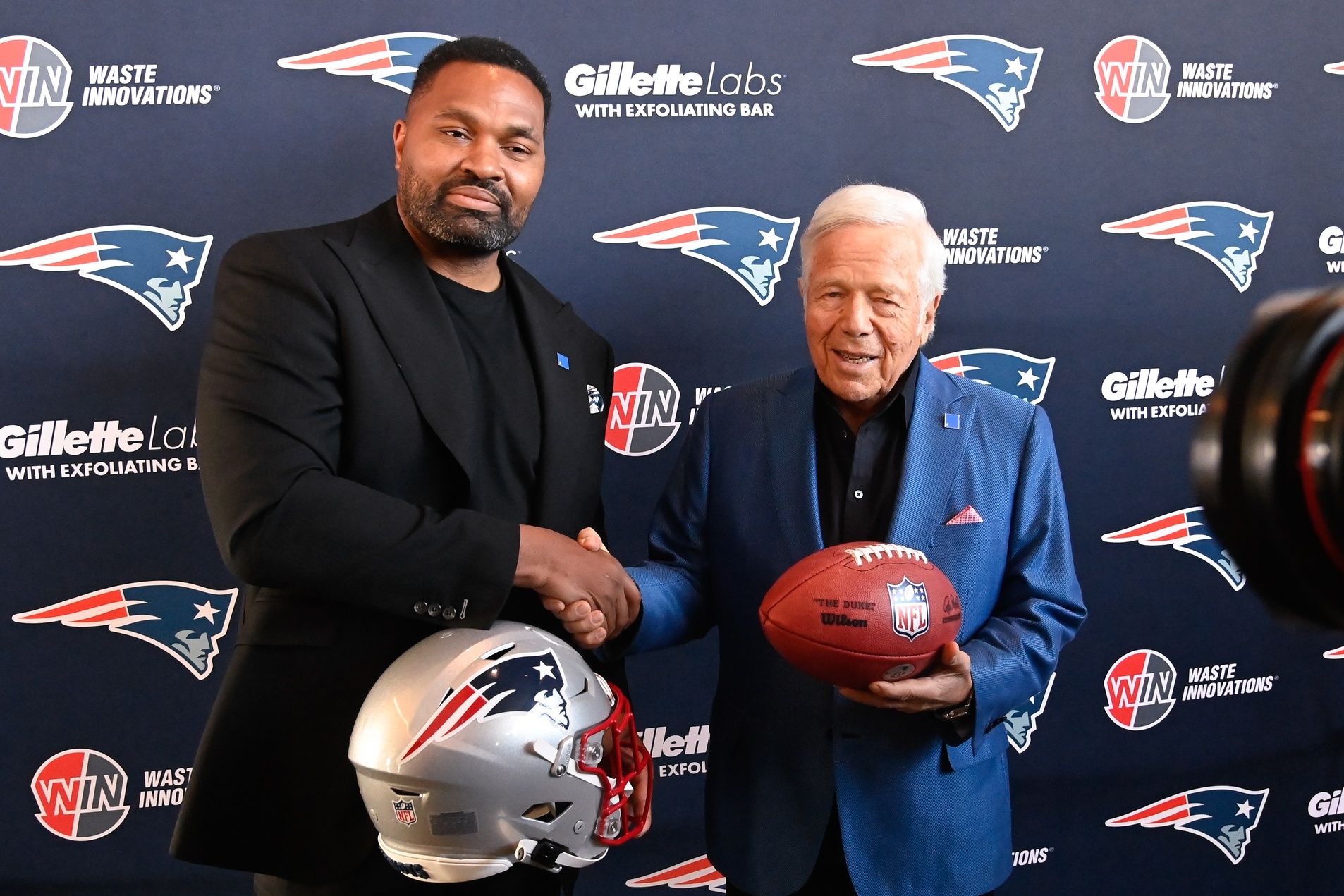
Under Robert Kraft’s ownership, the Patriots embarked on an unprecedented era of success, transforming from a perennial loser into a global sports dynasty. More than just winning, Kraft invested heavily in the fan experience, most notably by privately funding and building a state-of-the-art facility, Gillette Stadium, which opened in 2002. Located in Foxborough, this magnificent stadium became an iconic landmark, not just for sports but for entertainment and community events across New England. It showcased a new standard for sports venues, boasting modern amenities, luxury suites, and an unparalleled atmosphere that attracts visitors from around the world.
Impact on the Team and the Region: Beyond the Field
The Kraft family’s ownership of the New England Patriots has profoundly impacted the region, extending far beyond the football field. The team’s consistent success and the development of Gillette Stadium into a year-round destination have made Foxborough a vital hub for tourism and local commerce. Fans travel from all corners of New England, across the United States, and internationally to witness games, fostering a vibrant travel culture around the franchise.
Travel and Tourism: Game days at Gillette Stadium are massive events, drawing tens of thousands of visitors. Beyond the stadium itself, the adjacent Patriot Place complex, also developed by the Kraft Group, offers a diverse array of attractions. It includes retail stores, restaurants, a cinema, and the popular Patriots Hall of Fame, which is a must-visit for any football enthusiast. This integrated approach to sports and entertainment provides a comprehensive experience, making Foxborough a prime destination for family trips, business stays, and luxury travel weekends.
Accommodation: The influx of visitors naturally necessitates robust accommodation options. In Foxborough itself, travelers can find high-quality hotels directly within Patriot Place, such as the Renaissance Boston Patriot Place Hotel and the Hilton Garden Inn Foxborough Patriot Place. These hotels offer convenience and premium amenities for those seeking to immerse themselves fully in the game-day atmosphere. For those who prefer to stay in Boston and commute to Foxborough, the city boasts an extensive range of hotels, from luxury resorts like the Four Seasons Hotel Boston or The Ritz-Carlton, Boston to boutique options and budget-friendly suites. These accommodations cater to every lifestyle and preference, whether you’re on a lavish business trip or a family vacation.
Lifestyle: The ownership under the Kraft family has elevated the Patriots experience to a lifestyle. For many, following the team is more than just a pastime; it’s a deep-seated cultural identity. This includes participating in pre-game tailgates, sporting official merchandise, and discussing strategies year-round. Luxury travel around Patriots games often involves booking private transportation, reserving exclusive dining experiences, and enjoying premium seating. Even for budget travelers, the camaraderie and excitement of a Patriots game day offer an invaluable cultural experience. The family-friendly environment at Patriot Place ensures there are activities for all ages, making it an ideal destination for family trips.
Exploring Patriot Place and Beyond: A Fan’s Guide to Greater Boston
A visit to see the New England Patriots is an unparalleled experience, especially when combined with exploring the wider attractions of Greater Boston. This region offers a rich tapestry of history, culture, and entertainment that appeals to every type of traveler.
Game Day Immersion: The Gillette Stadium Experience
Gillette Stadium is not merely a sports venue; it is a meticulously designed destination that exemplifies modern sports architecture and fan engagement. As a landmark, its imposing structure and vibrant atmosphere create a memorable impression. Before kickoff, visitors can explore the Patriots Hall of Fame, an interactive museum celebrating the team’s storied history, its legendary players, and its numerous championships. This educational attraction provides deep insights into the franchise’s evolution, offering a compelling narrative for history buffs and sports fans alike.
Outside the stadium, Patriot Place buzzes with activity. From casual eateries to upscale restaurants, there are dining options to suit every taste, perfect for pre-game meals or post-game celebrations. Boutique shops offer exclusive Patriots merchandise, allowing fans to take a piece of the experience home. This carefully curated environment ensures that visitors, whether staying for a few hours or an entire weekend, have a full range of amenities and entertainment at their fingertips. It’s a prime example of how a sports franchise, through thoughtful ownership and investment, can anchor a thriving tourism ecosystem.
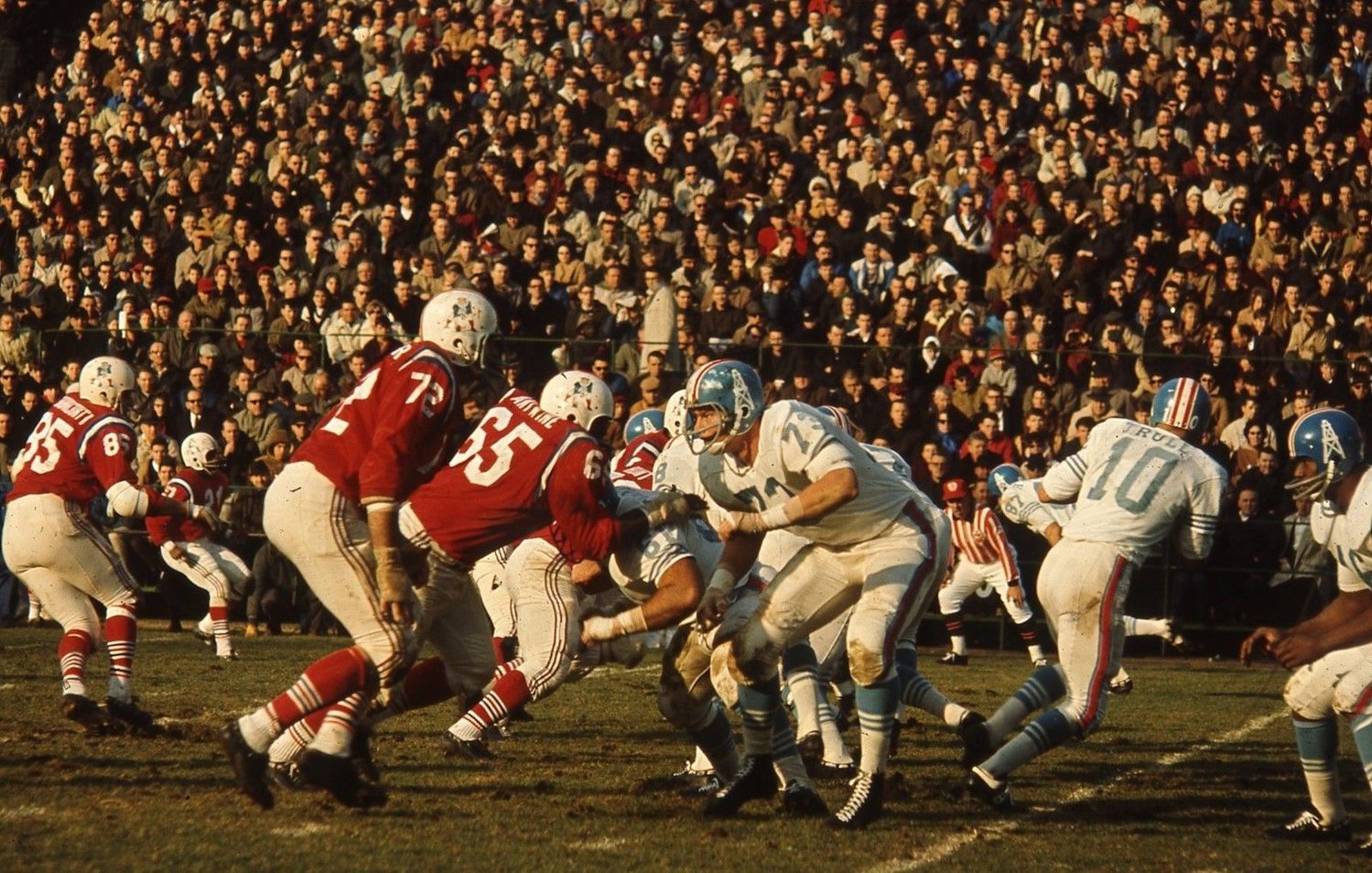
Boston: A Tourist Hub for Sports Enthusiasts
For those traveling to see the Patriots, extending the trip to include Boston is highly recommended. Boston itself is a premier global destination, blending revolutionary history with contemporary culture.
Destinations and Attractions: Beyond football, Boston is a haven for sports enthusiasts. You can visit Fenway Park, the oldest ballpark in Major League Baseball, or catch a Boston Celtics basketball game or Boston Bruins hockey match at TD Garden. For those interested in history and culture, the Freedom Trail guides you through significant landmarks of the American Revolution, including Faneuil Hall and the Old North Church. Art lovers will appreciate the extensive collections at the Museum of Fine Arts and the exquisite Isabella Stewart Gardner Museum.
Food and Local Culture: Boston’s culinary scene is a delight. From fresh seafood, especially clam chowder and lobster rolls, to the vibrant Italian traditions of the North End, there’s a dish for every palate. Exploring local markets, charming cafes, and historic taverns offers a true taste of Boston’s unique culture.
Accommodation and Logistics: Getting to Foxborough from Boston is straightforward, with dedicated train services on game days and car rental options available from Logan International Airport. For accommodation in Boston, the choices are vast. Whether you’re seeking the opulence of five-star hotels, the quirky charm of boutique establishments like The Verb Hotel, or a stay at a historic property such as the Long Wharf Hotel, Boston has something for every preference and budget. Comparing hotel suites, finding resorts with comprehensive amenities, or even exploring long-term stay apartments through booking platforms can help you tailor your trip perfectly.
In conclusion, while the Boston Patriots are now the New England Patriots, the question of their ownership is a journey through entrepreneurial vision, financial turbulence, and ultimately, a triumphant rescue by local ownership. Robert Kraft’s stewardship has not only built a dynasty on the field but also created a dynamic regional attraction that draws travelers and fosters a unique lifestyle around the team. For any visitor, understanding this rich history enhances the experience of visiting Gillette Stadium and exploring the myriad attractions of Boston and New England, making it a truly unforgettable travel destination.
LifeOutOfTheBox is a participant in the Amazon Services LLC Associates Program, an affiliate advertising program designed to provide a means for sites to earn advertising fees by advertising and linking to Amazon.com. Amazon, the Amazon logo, AmazonSupply, and the AmazonSupply logo are trademarks of Amazon.com, Inc. or its affiliates. As an Amazon Associate we earn affiliate commissions from qualifying purchases.