
The image of California is inextricably linked to the majestic silhouette of palm trees, swaying gracefully against a backdrop of sun-drenched skies. From the bustling boulevards of Los Angeles to the serene desert oases of Palm Springs, these verdant giants have become an enduring symbol of the Golden State’s glamorous, relaxed, and often exotic appeal. Tourists flock to see them, photographers capture their iconic forms, and real estate agents tout properties boasting “palm-lined drives.” This pervasive presence naturally leads many visitors and even residents to assume that these striking trees are a native fixture of California’s diverse ecosystems. However, the answer to whether palm trees are truly indigenous to California is more nuanced than a simple yes or no. While a vast majority of the palms gracing California’s urban and agricultural landscapes were introduced by human hands, there is indeed one remarkable species that calls this land its original home, a testament to the state’s surprising natural diversity. This article delves into the fascinating history of palm trees in California, separating native heritage from imported grandeur and exploring their profound impact on the state’s identity, tourism, and lifestyle.

The Lone Native: California Fan Palm
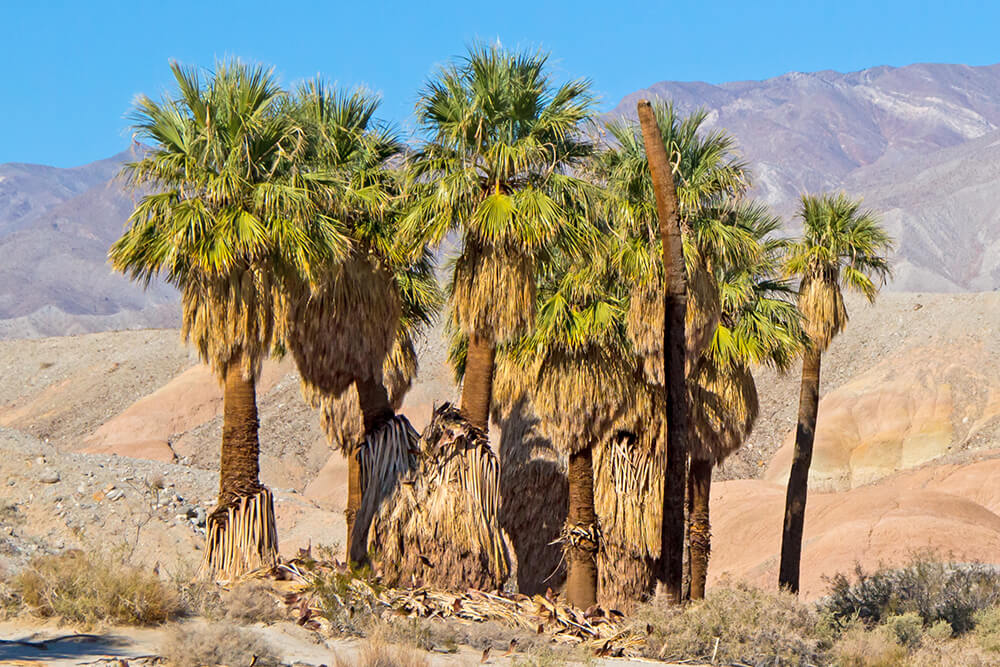
For those seeking an authentic glimpse into California’s indigenous flora, the California Fan Palm (Washingtonia filifera) stands as the undeniable answer to our central question. This stately tree, also known as the Desert Fan Palm or American Fan Palm, is the only palm species native to the Western United States. Its natural range extends through the arid regions of southeastern California, southwestern Arizona, and northern Baja California, Mexico. Unlike its more slender, urban counterparts, the California Fan Palm possesses a thick, robust trunk and a crown of large, fan-shaped fronds that can reach impressive heights, often exceeding 60 feet.
Where the Wild Palms Thrive: Oases and Canyons
The natural habitat of the California Fan Palm is remarkably specific and tells a story of survival in harsh desert conditions. These native palms flourish around natural freshwater sources, forming iconic oases in the Colorado Desert and parts of the Mojave Desert. Deep canyons and fault lines, where underground water is forced to the surface, provide the lifeline these palms need to thrive.
Visiting these natural palm oases is a profound experience for any nature enthusiast or traveler seeking unique attractions. Destinations like Palm Canyon in the Agua Caliente Band of Cahuilla Indians Reservation near Palm Springs offer incredible hiking trails through groves of these ancient trees, many of which are hundreds of years old. Another prime location is Anza-Borrego Desert State Park, California’s largest state park, where numerous palm oases punctuate the rugged desert landscape, creating stunning natural landmarks. These oases are not just beautiful; they are vital ecological hubs, providing shade, water, and habitat for a diverse array of desert wildlife, from bighorn sheep to various bird species. For those interested in sustainable tourism and experiencing local culture through natural exploration, these wild palm groves represent a truly authentic California experience. They offer a stark contrast to the manicured urban palms, reminding us of the raw beauty and resilience of the state’s natural heritage.
The Iconic Imports: Shaping California’s Urban Landscape
While the California Fan Palm holds the distinction of being native, the vast majority of palm trees that define California’s most famous cityscapes and agricultural regions were introduced. These imported species, predominantly from Mexico, the Canary Islands, and the Middle East/Africa, arrived through various waves of settlement, horticulture, and urban planning. Their introduction has dramatically reshaped the visual identity of California, creating the “palm tree paradise” aesthetic that is now globally recognized.
The Allure of the Mexican Fan Palm
Perhaps the most ubiquitous and recognizable palm tree in California’s urban environment is the Mexican Fan Palm (Washingtonia robusta). Often confused with its native cousin, the Mexican Fan Palm is distinguished by its significantly more slender trunk, which tapers noticeably, and its typically taller stature, often reaching heights of 80 to 100 feet or more. These palms are known for their rapid growth and adaptability, making them a favored choice for street planting and landscaping throughout Southern California.
The history of the Mexican Fan Palm in California dates back to the late 19th and early 20th centuries. As cities like Los Angeles and San Diego began to boom, city planners and developers sought to create an image of a lush, exotic paradise, a stark contrast to the arid landscapes many new residents were leaving behind. The Mexican Fan Palm, with its majestic height and relatively low maintenance, became the ideal candidate. Miles of these palms were planted along major thoroughfares, creating the iconic vistas of boulevards like Hollywood Boulevard, Sunset Boulevard, and Wilshire Boulevard. They were integral to the marketing of California as a glamorous, dream-like destination, influencing everything from cinematic backdrops to postcard imagery. For visitors exploring Los Angeles County or San Diego County, these palms are an inescapable and defining feature of the urban landscape, often framed against stunning sunsets over the Pacific Ocean in places like Santa Monica or Venice Beach.

Cultivating Sweet Success: The Date Palm
Another significant import that has left an indelible mark on California is the Date Palm (Phoenix dactylifera). Unlike the ornamental Mexican Fan Palm, the Date Palm was introduced primarily for its valuable fruit. Originating from the Middle East and North Africa, where it has been cultivated for thousands of years, the Date Palm found an incredibly suitable climate in the desert regions of Southern California, particularly the Coachella Valley.
The introduction of Date Palms to California can be traced back to the late 19th and early 20th centuries, with initial efforts by early settlers and later by the United States Department of Agriculture. The vision was to establish a thriving date industry, leveraging the region’s intense heat and arid conditions which perfectly mimic the date palm’s native environment. Today, the Coachella Valley is renowned as the primary date-growing region in the United States, producing a significant portion of the nation’s dates. For visitors interested in agricultural tourism or unique food experiences, touring a date farm, sampling fresh dates, or enjoying a date shake is a quintessential Coachella Valley activity. The expansive groves of Date Palms provide a unique landscape, distinct from the urban palm corridors, highlighting California’s blend of natural beauty and agricultural innovation.
Grandeur and Elegance: The Canary Island Date Palm
Adding another layer of exotic grandeur to California’s diverse palm collection is the Canary Island Date Palm (Phoenix canariensis). Hailing from the Canary Islands off the coast of Northwest Africa, this species is admired for its robust trunk, often described as pineapple-shaped at the base, and its dense crown of arching, feathery fronds. It presents a more formal and luxuriant appearance than the Mexican Fan Palm and is slower growing.
The Canary Island Date Palm became popular in California for landscaping large estates, public parks, and especially upscale hotels and resorts. Its majestic presence conveys an air of sophistication and old-world charm, contributing to the feeling of luxury that defines areas like Beverly Hills and Santa Barbara. Imagine pulling up to a five-star hotel with these magnificent palms lining the driveway, setting a tone of opulent accommodation and a high-end lifestyle. Many famous historical properties and modern luxury resorts across California feature the Canary Island Date Palm prominently in their design, enhancing the guest experience and contributing to the state’s reputation as a premier travel destination.
Palm Trees as a Symbol of the California Lifestyle and Tourism
Beyond their botanical origins, palm trees have transcended their role as mere flora to become deeply woven into the fabric of California’s cultural identity, particularly as a potent symbol of its aspirational lifestyle and vibrant tourism industry. They represent the “California Dream” – a vision of endless summer, golden age Hollywood glamour, relaxation, and prosperity.
The strategic planting of thousands of palms in the early to mid-20th century was no accident; it was a deliberate act of urban branding. Cities like Los Angeles and Palm Springs cultivated this image to attract new residents, industries, and, crucially, tourism. Palm-lined streets became synonymous with the good life, featured prominently in movies, television shows, and advertising campaigns that cemented California’s sunny, idyllic reputation worldwide. For travelers seeking to capture the essence of California in their memories and photographs, palm trees are an essential backdrop. From the iconic streets of Beverly Hills with its luxury boutiques on Rodeo Drive to the bustling beachfronts of Santa Monica and the vibrant Venice Beach boardwalk, these trees provide an unmistakable sense of place.
The presence of palms also significantly enhances the allure of California’s world-class hotels, resorts, and theme parks. Imagine the grandeur of the landscaping at the Disneyland Resort or the tropical vibe around the pools of Universal Studios Hollywood, all accentuated by a diverse array of palm species. Many premium accommodations specifically highlight their palm-fringed swimming pools or garden views, understanding that this imagery resonates deeply with the desire for a luxurious, escapist vacation. Whether it’s a romantic getaway, a family trip, or a business stay, the aesthetic charm provided by palm trees contributes immensely to the overall appeal and perceived value of a destination or a particular hotel. They evoke feelings of relaxation, warmth, and tropical beauty, transforming ordinary spaces into extraordinary experiences.
Conclusion
So, are palm trees indigenous to California? The definitive answer is a fascinating blend of natural history and human intervention. While the resilient California Fan Palm proudly stands as the state’s sole native species, thriving in its remote desert oases, it is the myriad of introduced palms – the slender Mexican Fan Palm, the fruit-bearing Date Palm, and the majestic Canary Island Date Palm – that have truly sculpted the iconic, postcard-perfect image of California we know today.
These introduced species, brought for agriculture, beautification, and urban development, have not only transformed the physical landscape but have also deeply embedded themselves into the very psyche of the state. They symbolize a unique blend of natural desert beauty and aspirational, glamorous lifestyle. For anyone exploring California, whether seeking natural landmarks in a state park or enjoying the vibrant energy of its cities, understanding the story of its palm trees adds a rich layer to the travel experience. It’s a tale of adaptation, vision, and the enduring power of nature and human influence to shape one of the world’s most captivating destinations, a place where the genuine native meets the globally recognized symbol of paradise.
LifeOutOfTheBox is a participant in the Amazon Services LLC Associates Program, an affiliate advertising program designed to provide a means for sites to earn advertising fees by advertising and linking to Amazon.com. Amazon, the Amazon logo, AmazonSupply, and the AmazonSupply logo are trademarks of Amazon.com, Inc. or its affiliates. As an Amazon Associate we earn affiliate commissions from qualifying purchases.