
The golden state of California, renowned for its sun-drenched beaches, majestic national parks, and vibrant cities, periodically faces the harrowing reality of wildfires. For travelers planning their dream vacation, an essential question often arises: “Are the wildfires in California still burning?” The answer, while rarely a simple yes or no, is crucial for anyone considering a trip, influencing everything from flight plans and accommodation choices to the overall safety and enjoyment of their experience.
Wildfires are an increasingly complex and year-round concern in California, influenced by a confluence of factors including prolonged drought, high temperatures, strong winds, and an accumulation of dry vegetation. While there are typically peak wildfire seasons, often from late spring through late autumn, significant fires can ignite at any time due to unseasonably dry conditions or human-caused incidents. Understanding the dynamic nature of these events and their potential impact is paramount for responsible and enjoyable travel throughout the state. This article will delve into the current landscape of California wildfires, their far-reaching effects on travel and tourism, and how visitors can navigate these challenges to ensure a safe and memorable journey.

Understanding California’s Wildfire Landscape
California’s diverse geography, ranging from towering mountains and dense forests to sprawling urban-wildland interfaces, makes it particularly susceptible to wildfires. These events are not isolated incidents but rather a recurring feature of the state’s ecosystem, albeit one exacerbated by climate change and other environmental factors.
The Seasonal Nature of Wildfires and Their Causes
While wildfires can technically occur at any time, California traditionally experiences a more intense fire season, often kicking off in late May or early June and extending well into November. This period aligns with the warmest and driest months, when vegetation becomes parched and highly combustible. The infamous Santa Ana winds in Southern California and Diablo winds in Northern California are notorious for fanning flames and accelerating their spread, making containment incredibly challenging.
The causes of these fires are varied. Natural causes, primarily lightning strikes, account for a significant portion, especially in remote wilderness areas. However, human activities contribute to an even greater number of ignitions. These can range from accidental sparks from equipment, unattended campfires, discarded cigarettes, and even arson, highlighting the critical role of public awareness and prevention. CAL FIRE, the state’s fire department, provides real-time updates and historical data, serving as an indispensable resource for both residents and visitors seeking accurate information on active incidents and containment efforts.
Key Regions and Iconic Destinations Affected
The impact of wildfires is rarely uniform across the vast state. Certain regions are historically more prone to large-scale fires, and understanding these patterns can help travelers make informed decisions.
- Southern California: Areas bordering national forests like the Angeles National Forest, Cleveland National Forest, and San Bernardino National Forest are frequently impacted. Major metropolitan areas like Los Angeles and San Diego can experience significant smoke and air quality issues, even if the fires are miles away. Popular coastal destinations, while less directly threatened by flames, might see reduced visibility or advisories.
- Northern California: The wildland-urban interface around Sacramento, the Bay Area (including parts of San Francisco and Oakland), and particularly the beloved wine regions of Napa Valley and Sonoma County, have faced devastating fires in recent years. These events disrupt tourism, impacting countless wineries, hotels, and local businesses that form the backbone of the region’s appeal.
- Sierra Nevada Mountains: Iconic landmarks such as Yosemite National Park, Sequoia National Park, and Kings Canyon National Park are often at risk, leading to temporary closures of trails, campgrounds, and even entire sections of the parks. These natural attractions are pillars of California’s tourism, drawing millions of visitors eager to experience their grandeur. Similarly, the popular resort destination of Lake Tahoe has been directly threatened by fires, impacting its vibrant summer and winter tourism.
- Central Coast: Areas around Big Sur, a stunning stretch of the Pacific Coast Highway, can also be susceptible, leading to road closures and limiting access to some of California’s’s most picturesque vistas.
While fires might be burning somewhere in California at any given time, it is crucial to remember that the state is vast. A fire in one region does not necessarily impact travel in another, often hundreds of miles away. Informed planning and staying updated on local conditions are key to a successful trip.
The Far-Reaching Impact on Travel and Tourism
Wildfires cast a long shadow over the travel and tourism industry, affecting everything from grand travel plans to the minute details of a vacation. For those dreaming of a California getaway, understanding these impacts is crucial for responsible and stress-free planning.
Navigating Travel Plans During Fire Season
The primary concern for travelers during wildfire season is safety. Evacuation orders are issued when communities are directly threatened, leading to immediate disruptions. Beyond direct threats, smoke and poor air quality can become a widespread issue, affecting areas far from the active fires. The Air Quality Index (AQI) becomes a critical metric for travelers, as elevated levels can pose health risks, particularly for individuals with respiratory conditions.
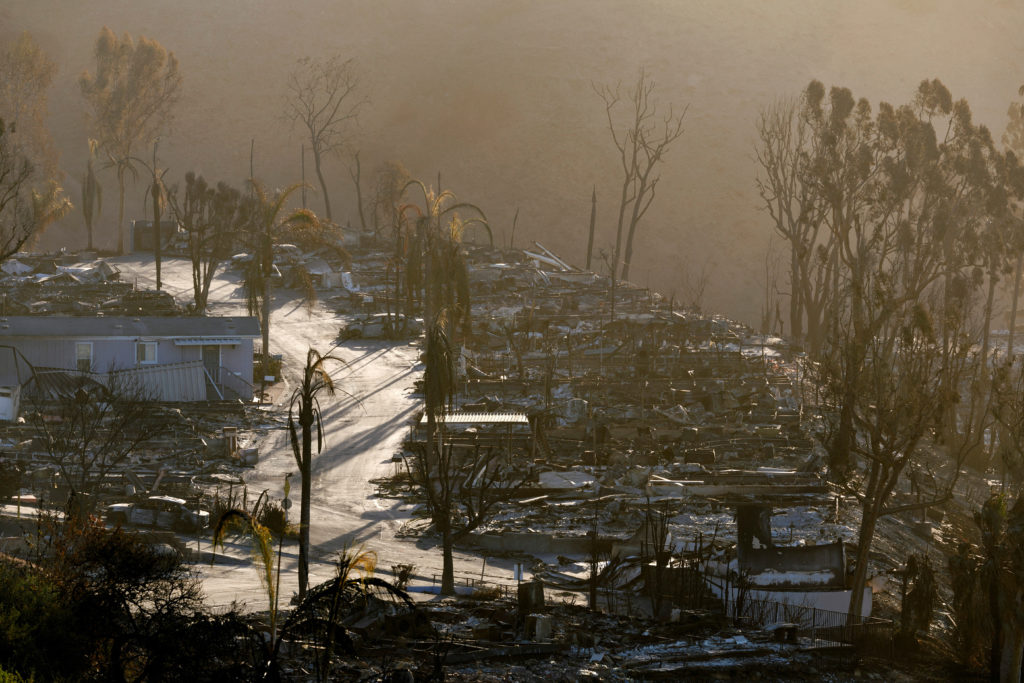
- Monitoring and Information: Before and during your trip, it is vital to consult official sources. Websites like CAL FIRE, the National Interagency Fire Center (NIFC), and local county emergency services offer the most accurate and up-to-date information on fire locations, containment, and evacuation orders. Weather forecasts, especially wind patterns, are also essential to gauge potential smoke spread.
- Flexibility and Travel Insurance: Adopting a flexible mindset is paramount. This might involve having alternative destinations in mind or being prepared to adjust your itinerary. Investing in comprehensive travel insurance that covers “cancel for any reason” or specific natural disaster clauses can provide peace of mind and financial protection against unexpected cancellations due to fires or smoke-related health advisories.
- Road Closures and Detours: Wildfires can lead to sudden road closures, impacting planned scenic drives, especially along routes like the Pacific Coast Highway or mountain passes leading to national parks. Always check road conditions via Caltrans or Google Maps before embarking on long drives.
Accommodation and Hotel Considerations
The hospitality sector, from luxury resorts to budget-friendly hotels and vacation rentals, is significantly impacted by wildfires.
- Cancellations and Rebookings: Hotels and accommodation providers in affected areas may be forced to close, leading to cancellations. Guests with existing bookings might need to explore alternative accommodation options in safer, less affected regions. Many hotels and resorts have updated their cancellation policies to address natural disasters, so it’s wise to review these terms carefully when booking.
- Air Quality and Amenities: Even if a hotel is not directly threatened by fire, sustained periods of poor air quality can diminish the guest experience. Some high-end resorts may invest in advanced air filtration systems, but it’s a valid question to ask when booking. Reduced visibility from smoke can also detract from scenic views, an important amenity for many California accommodations.
- Staffing and Services: Local communities impacted by fires may face challenges with staffing, affecting the level of service in hotels, restaurants, and attractions. Understanding and being patient with these potential limitations is part of responsible tourism.
Impact on Iconic Landmarks and Destinations
California’s fame rests heavily on its iconic landmarks and diverse destinations, many of which are vulnerable to wildfires.
- National Parks and Wilderness Areas: As mentioned, parks like Yosemite National Park, Sequoia National Park, and Kings Canyon National Park are frequently at risk. Closures are implemented to protect visitors and allow firefighters to work safely. Travelers interested in hiking or camping in these areas should have backup plans or consider alternative nature-based experiences further afield.
- Wine Country: Napa Valley and Sonoma County, world-renowned for their vineyards and culinary tourism, have suffered immense losses from wildfires. While many wineries demonstrate incredible resilience and rebuild, the lingering effects on air quality can impact grape harvests (smoke taint) and deter visitors.
- Coastal Attractions: While less prone to direct fire impact, popular coastal destinations like Santa Barbara, Monterey, and Laguna Beach can experience smoke drift, impacting beach activities, water sports, and outdoor dining. Even urban landmarks like the Golden Gate Bridge in San Francisco can be shrouded in haze, dimming their usual photographic appeal.
The economic impact on these regions is profound. Local businesses, from tour operators to artisan shops, rely heavily on tourism revenue. When wildfires strike, these communities face significant financial hardship, underscoring the importance of responsible tourism once it is safe to visit.
Responsible Travel and Staying Safe in California
Despite the challenges posed by wildfires, California remains an incredible travel destination. The key lies in informed decision-making, prioritizing safety, and adopting a responsible approach to tourism.
Prioritizing Personal Safety and Health
The most important aspect of travel during wildfire season is ensuring personal safety and health.
- Stay Informed: Regularly check official government websites for fire alerts, evacuation orders, and air quality advisories in your intended destinations. Utilize apps that monitor AQI in real-time.
- Air Quality Precautions: If you are traveling during a period of poor air quality, consider limiting strenuous outdoor activities. Wearing N95 masks can help filter particulate matter, especially for individuals with sensitivities or respiratory conditions. Choose indoor attractions like museums, galleries, or shopping centers over outdoor hikes.
- Know Your Evacuation Routes: If you are staying in a high-risk area, familiarize yourself with local evacuation routes and emergency procedures provided by your accommodation. Have an emergency kit ready, even if just for a short period.
- Follow Official Guidance: Always adhere to instructions from local authorities, including CAL FIRE, park rangers, and law enforcement. Their directives are for your safety and the safety of the community.
Supporting Local Communities and Fire-Safe Choices
Responsible tourism extends to how we interact with and support communities affected by wildfires.
- Choose Wisely Post-Fire: After a wildfire, some areas may require time to recover. However, once communities are declared safe and open for visitors, supporting local businesses, restaurants, hotels, and attractions helps them rebuild their economies. Consider destinations that are actively welcoming tourists and are not directly recovering from recent devastation.
- Eco-Conscious Practices: Practice fire-safe habits during your trip. This includes properly extinguishing campfires, avoiding parking vehicles on dry grass, never discarding cigarettes, and ensuring any outdoor cooking equipment is used safely and legally. Be mindful of water usage, especially during drought conditions.
- Volunteer or Donate (If Appropriate): For those interested in deeper engagement, researching reputable local charities involved in wildfire relief and recovery efforts can be a way to give back.

Future-Proofing Your California Adventure
As California continues to adapt to a changing climate, future travel planning will increasingly involve resilience and awareness.
- Off-Season Travel: Consider visiting California during the traditional “off-season” for wildfires, such as late winter or early spring, when conditions are typically wetter and cooler. This can also mean fewer crowds at popular attractions and potentially better deals on accommodation.
- Diverse Itineraries: Plan itineraries that offer a mix of coastal, urban, and potentially less fire-prone regions. For instance, combine a visit to Disneyland or Hollywood in Southern California with a trip to the beaches of Santa Cruz rather than solely focusing on wilderness areas during peak fire season.
- Luxury vs. Budget Travel: Even for luxury travelers, the impact of wildfires cannot be ignored. High-end resorts might offer enhanced air filtration or private transport options, but the fundamental safety considerations remain. Budget travelers might find more affordable options in less affected urban centers. Family trips require even greater diligence in monitoring air quality and having flexible plans for children’s health. Business stays might need contingency plans for disrupted travel routes or meeting locations.
In conclusion, the question “Are the wildfires in California still burning?” is a perennial one, reflecting the state’s ongoing battle with these natural phenomena. While wildfires are a serious concern that demands respect and careful consideration, they do not negate the immense beauty and travel opportunities California offers. By staying informed, prioritizing safety, making responsible choices, and embracing flexibility, travelers can continue to explore and enjoy the unparalleled experiences that await in the Golden State, contributing positively to its resilient communities and vibrant tourism landscape. A well-planned and thoughtful approach ensures that your California adventure remains both unforgettable and safe.
LifeOutOfTheBox is a participant in the Amazon Services LLC Associates Program, an affiliate advertising program designed to provide a means for sites to earn advertising fees by advertising and linking to Amazon.com. Amazon, the Amazon logo, AmazonSupply, and the AmazonSupply logo are trademarks of Amazon.com, Inc. or its affiliates. As an Amazon Associate we earn affiliate commissions from qualifying purchases.