
For many intrepid explorers and even casual vacationers planning a trip to the Golden State, the thought of encountering a venomous spider can be a chilling prospect. Among the most feared, and certainly the most sensationalized, is the Brown Recluse spider. Often depicted as a lurking menace with a potent bite, its reputation precedes it. But for those considering California as their next destination, whether for its sun-drenched beaches, majestic landmarks, or bustling cityscapes, a crucial question arises: “Are there Brown Recluse Spiders in California?” The answer, as with many aspects of wildlife and travel, is more nuanced than a simple yes or no.
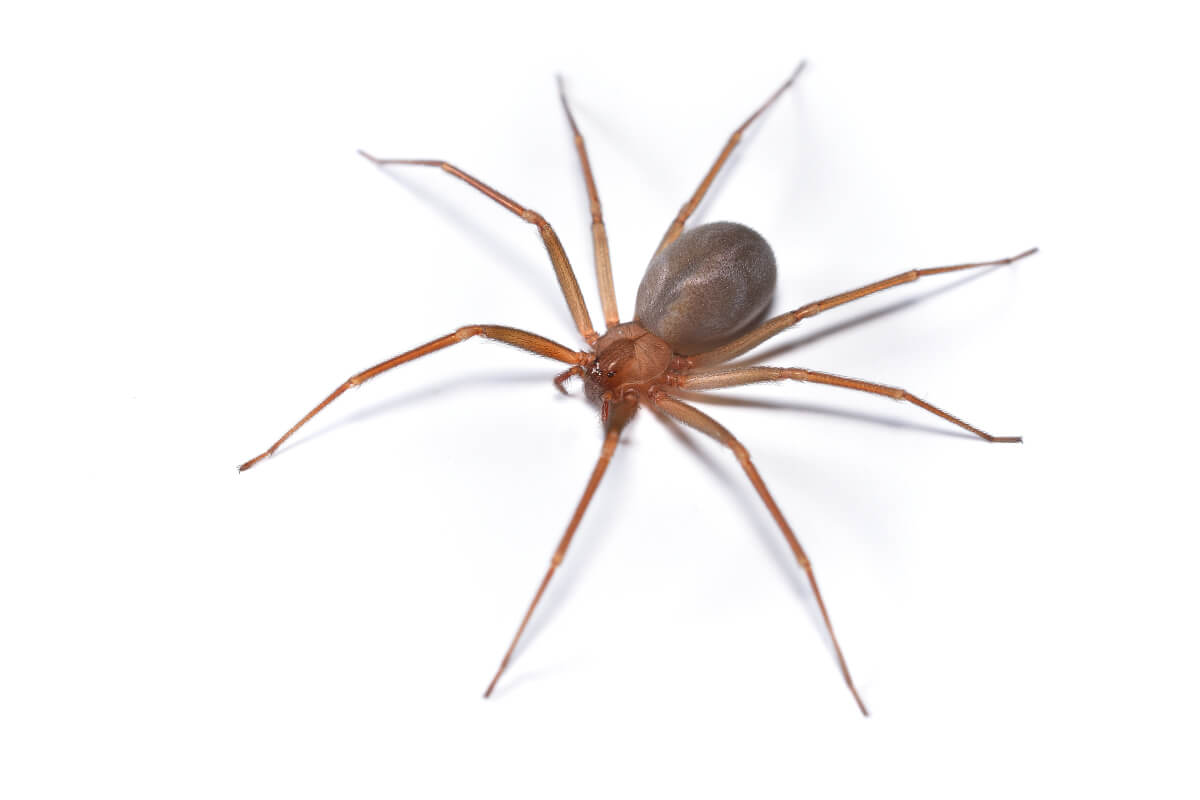
This comprehensive guide aims to demystify the presence of recluse spiders in California, providing essential information for travelers and residents alike. We’ll separate fact from fiction, help you understand what spiders you might actually encounter, how to identify them, and what precautions to take to ensure your California adventure is safe and enjoyable. Understanding the true risks not only alleviates unnecessary fear but also empowers you with the knowledge to respond appropriately should an unlikely encounter occur.
The Truth About Recluse Spiders and California’s Arachnid Landscape
The widespread belief that Brown Recluse spiders are common throughout the United States, including California, is one of the most persistent myths in entomology. While the state is home to a diverse array of arthropods, the true Brown Recluse is largely absent. However, California does host its own species of recluse spiders, and a more potent, non-native species has also established a foothold. For anyone planning accommodation in California, from luxury resorts to budget-friendly hotels or vacation rentals, understanding these distinctions is key to peace of mind.
The Elusive Brown Recluse: A Midwestern Native
The species commonly referred to as the Brown Recluse spider is scientifically known as Loxosceles reclusa. Its natural habitat is predominantly found in the Midwest and South Central United States, spanning states like Missouri, Arkansas, Kansas, and parts of Texas, Oklahoma, and Kentucky. These spiders thrive in warmer, humid environments and prefer undisturbed, cluttered areas. They are not indigenous to California.
The occasional sighting or reported bite of a Loxosceles reclusa in California is almost always due to accidental transport. These spiders might hitch a ride in moving boxes, luggage, furniture, or other items traveling from their native range. Such occurrences are extremely rare and do not indicate an established breeding population in the state. So, while it’s technically possible for one to be present, it’s highly improbable you’ll encounter a true Brown Recluse during your California travels. This fact alone should ease the minds of many planning their tourism experiences.
California’s Native Recluse: The Desert Recluse
While the Brown Recluse is an unlikely encounter, California is home to its own native recluse species: the Desert Recluse (Loxosceles deserta). As its name suggests, this spider is primarily found in the desert regions of Southern California, extending into other arid parts of the southwestern United States. Their presence is more common in areas like the Mojave Desert, Colorado Desert, and other Southern California deserts.
The Desert Recluse shares many characteristics with its Brown Recluse cousin, including the distinctive “violin” marking on its cephalothorax (the fused head and thorax). Its venom potency is similar to that of the Brown Recluse, capable of causing necrotic lesions in some individuals, though serious bites are rare. For travelers exploring the natural beauty of California’s deserts, particularly those engaging in outdoor activities or staying in accommodations within these regions, awareness of the Desert Recluse is more pertinent than concern over the Brown Recluse.
An Unwelcome Immigrant: The Chilean Recluse
Perhaps the most concerning recluse spider for residents and travelers in specific parts of California is the Chilean Recluse (Loxosceles laeta). This species is not native to the United States but has established isolated populations in various urban areas, most notably within Los Angeles County. It’s believed to have been introduced through international shipping and trade.
The Chilean Recluse is larger than the Brown Recluse and is considered to have more potent venom, making its bite potentially more severe. While bites are still uncommon, the presence of an established, non-native population in a densely populated area like Los Angeles means that encountering this spider, though rare, is a greater possibility than stumbling upon a true Brown Recluse. Travelers staying in Los Angeles hotels or apartments should be aware of this species, although general prevention methods are largely the same.
Navigating Misinformation: Identifying Recluse Spiders and Their Bites
The fear surrounding recluse spiders is often amplified by widespread misidentification. Many skin lesions, ranging from common insect bites to bacterial infections, are mistakenly attributed to these spiders, leading to undue panic and sometimes incorrect medical treatment. As a discerning traveler, arming yourself with accurate information is your best defense against both spiders and misinformation.
Common Misidentifications: It’s Probably Not a Recluse
In California, and indeed across much of the United States where Brown Recluse spiders are not native, the vast majority of suspected recluse bites are misdiagnosed. Numerous other spiders, often harmless, are frequently mistaken for recluses due to their brown coloration or general appearance. These include:
- Sac spiders: Often yellow or pale green, these spiders are common indoors and their bites can cause localized pain and redness, mimicking a mild recluse bite.
- Wolf spiders: Large and hairy, wolf spiders are frequently seen, especially outdoors. While they can bite, their venom is not considered medically significant.
- Funnel weaver spiders: These spiders build sheet-like webs and are also common in and around homes. Their bites are typically harmless.
- Hobo spiders: While their bites were once thought to be necrotic, scientific consensus now suggests they are not medically significant.
Beyond other spider species, many skin conditions are often mistaken for recluse bites. Bacterial infections, particularly Methicillin-resistant Staphylococcus aureus (MRSA), are notorious for producing lesions that closely resemble recluse spider bites. Other culprits include allergic reactions, insect bites (from mosquitoes, fleas, bed bugs), fungal infections, and various inflammatory skin conditions. It’s crucial for medical professionals to consider all possibilities rather than immediately blaming a recluse spider, especially in areas where they are not endemic. For travelers, this means keeping an open mind and seeking professional medical advice if a suspicious lesion develops.
Key Characteristics: How to Identify a Recluse Spider
Accurate identification of a recluse spider requires a keen eye for specific anatomical features. If you manage to capture a spider (safely!) that you suspect is a recluse, knowing these characteristics can be invaluable for proper identification by an expert. Do not rely solely on color or size, as these can vary.
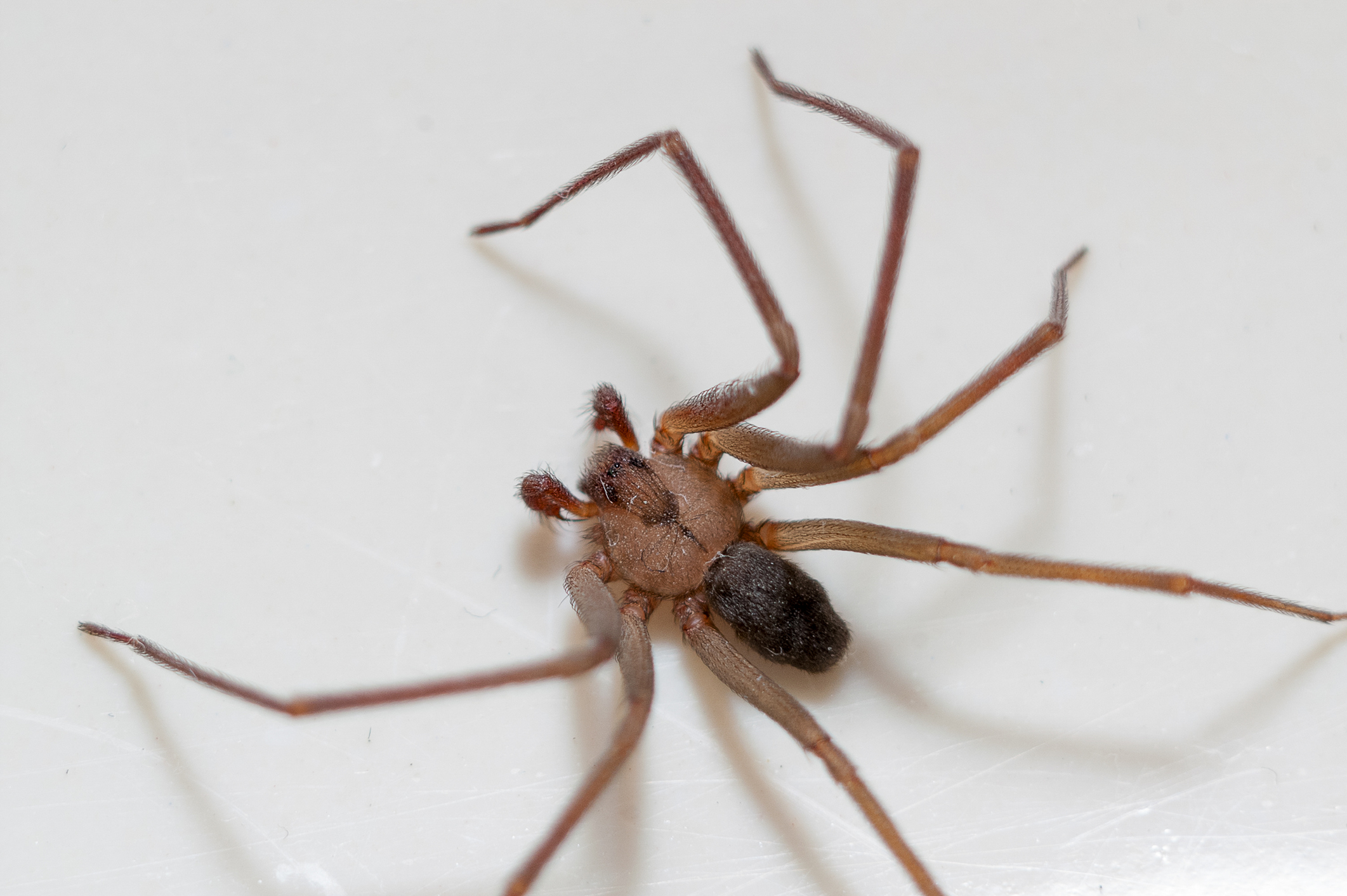
Here are the definitive characteristics of Loxosceles species, including the Brown Recluse, Desert Recluse, and Chilean Recluse:
- The “Fiddle” Mark: The most famous identifying feature is a dark, violin-shaped marking on the spider’s cephalothorax (the front section of its body, where the legs attach). The “neck” of the violin points towards the abdomen. However, this marking can be faint or absent in juvenile spiders, and can be mimicked by other species. It’s not a foolproof identifier on its own.
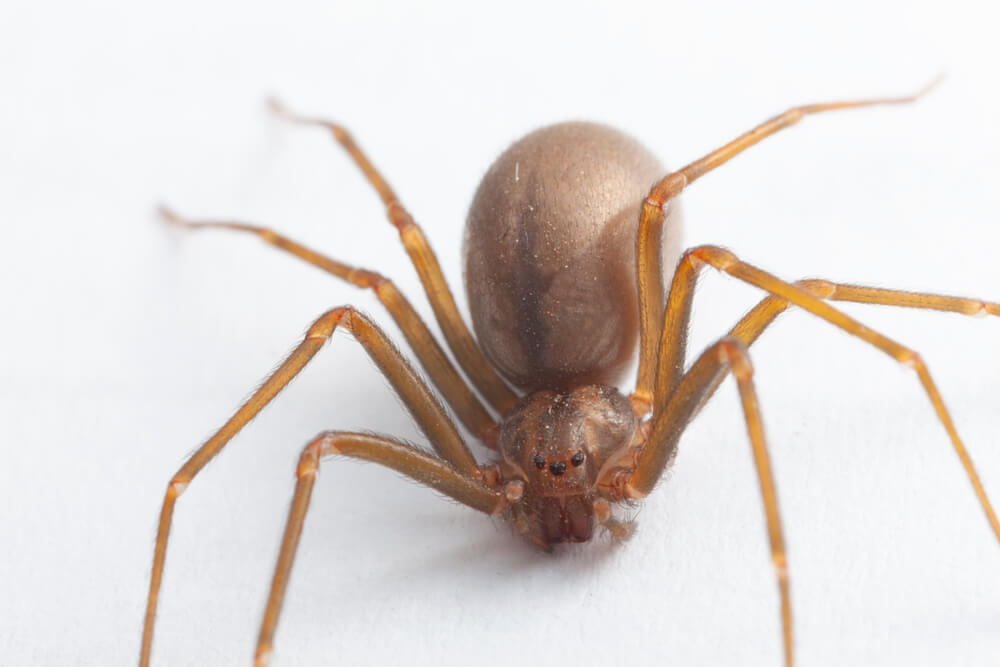
- Six Eyes in Pairs: Unlike most spiders which have eight eyes arranged in various patterns, recluse spiders have six eyes arranged in three pairs (dyads) in a semicircular pattern on the front of their cephalothorax. This is a highly reliable identifying feature.
- Uniformly Colored Legs and Body: Recluse spiders typically have uniformly colored legs that lack spines, banding, or elaborate patterns. Their abdomens are usually solid color (ranging from tan to dark brown or grayish), soft, and lack any distinct patterns, spots, or stripes.
- Small to Medium Size: Adult recluse spiders generally have a body length of no more than 1/2 inch (1.27 cm), with their legs extending their total span to about 1 to 1.5 inches (2.5 to 3.8 cm). Any spider significantly larger than this is unlikely to be a recluse.
- No Spinnerets Visible from Above: The spinnerets (silk-producing organs) are usually not visible from above the abdomen.
Remember, if you find a brown spider in California and it doesn’t match all of these characteristics, it is almost certainly not a recluse spider. Never attempt to handle a spider you cannot identify with certainty.
Understanding Recluse Spider Bites: Symptoms and Severity
Recluse spider bites are often initially painless, which is why many individuals don’t realize they’ve been bitten until hours later. The symptoms can vary greatly depending on the individual’s sensitivity, the amount of venom injected, and the specific Loxosceles species.
Typical progression of a recluse bite:
- Initial Stage (0-8 hours): The bite may be unnoticeable or feel like a mild sting. Over several hours, the area usually becomes red, inflamed, and tender. A small blister may form at the site.
- Intermediate Stage (24-72 hours): The blister often ruptures, forming an open sore or ulcer. The surrounding tissue may darken, signaling tissue damage or necrosis. This necrotic area can appear purple, black, or blue.
- Later Stage (Days to Weeks): The ulcer may enlarge, and in severe cases, extensive tissue death can occur, requiring medical intervention. The wound can take weeks or even months to heal, sometimes leaving a scar.
It’s important to note that most recluse bites heal without serious complications. Only a small percentage (around 10-20%) of bites develop into significant necrotic lesions. Systemic reactions (fever, chills, nausea, joint pain) are rare but possible, especially in children, the elderly, or those with compromised immune systems. For travelers enjoying California’s attractions, remaining vigilant for any unusual skin lesions is a good practice, especially after spending time in areas where spiders might hide, such as old buildings or less frequently accessed parts of accommodations.
Stay Safe on Your California Adventures: Prevention and Action
While the overall risk of a medically significant spider bite in California is extremely low, particularly from the true Brown Recluse, taking sensible precautions is always a good idea. These tips are valuable for both residents and travelers staying in any type of accommodation, from a luxury hotel in San Francisco to a cozy Airbnb in the California desert. Adopting a proactive lifestyle of awareness minimizes potential encounters.
Practical Prevention Tips for Travelers and Residents
Recluse spiders, like many arachnids, are shy and prefer dark, undisturbed environments. They are not aggressive and bites usually occur when a spider feels trapped or threatened, often by accidental contact.
- Shake Out Clothing and Shoes: Before dressing, especially if clothes have been left on the floor or in storage, give them a good shake. Always check shoes before putting them on, particularly if left outside or in a garage. This is paramount for travelers whose luggage might have been in various environments.
- Reduce Clutter: Keep your living spaces, whether a permanent home or temporary hotel room or vacation rental, tidy. Spiders love cluttered areas like piles of clothes, boxes, and stored items. Reducing these hiding spots decreases their appeal.
- Inspect Bedding and Linens: If you are staying in older accommodations or vacation rentals, quickly check sheets and blankets before getting into bed. Recluse spiders are nocturnal and might seek refuge in bedding during the day.
- Seal Cracks and Crevices: In homes and accommodations, spiders often enter through small gaps. Sealing cracks around windows, doors, and foundations can help prevent them from getting indoors.
- Use Sticky Traps: For monitoring purposes, sticky traps placed along baseboards in undisturbed areas (under furniture, in closets) can catch spiders and help determine if a recluse population is present. This is more useful for long-term stays or permanent residences.
- Be Cautious in Storage Areas: When retrieving items from attics, basements, or garages – places where spiders are more likely to hide – wear gloves and long sleeves. This applies to backpackers accessing shared hostel storage or anyone dealing with older accommodation facilities.
What to Do If You Suspect a Spider Bite
Despite all precautions, if you or someone you’re traveling with experiences a suspicious bite, here’s how to respond:
- Clean the Wound: Wash the bite area thoroughly with soap and water to prevent secondary infection.
- Apply Cold Compress: Apply ice or a cold compress to the bite site to reduce swelling and pain.
- Elevate the Affected Area: If the bite is on an arm or leg, elevate it to help reduce swelling.
- Seek Medical Attention:
- If the bite worsens, becomes severely painful, shows signs of infection (pus, spreading redness, fever), or develops into a large lesion.
- If the person bitten is a child, elderly, or has a compromised immune system.
- If systemic symptoms like fever, chills, nausea, or body aches develop.
- It is particularly important to seek medical advice for any suspected recluse bite if you are in an area known to have Chilean Recluse spiders, such as parts of Los Angeles County, due to their more potent venom.
- Capture the Spider (If Possible): If you can safely capture the spider that bit you (without risking another bite), do so. Placing it in a sealed container or bag for identification by a medical professional or entomologist can be extremely helpful for accurate diagnosis and treatment.
Remember, most spider bites are harmless. It’s the rare, medically significant bites, particularly from true recluses or other dangerous species like the black widow, that warrant prompt medical evaluation.
Reconciling Fears with California’s Travel Appeal
California remains one of the world’s most breathtaking and diverse travel destinations, offering an unparalleled range of experiences from the towering redwoods to the vibrant cities and serene deserts. The concern about Brown Recluse spiders is understandable given their notorious reputation, but the reality in California is that the risk from these specific arachnids is exceedingly low for the vast majority of travelers and residents.
By understanding the key differences between the true Brown Recluse (Loxosceles reclusa) and the native Desert Recluse (Loxosceles deserta), as well as the introduced Chilean Recluse (Loxosceles laeta), you can navigate your California journeys with confidence rather than fear. The most common “recluse bites” are, in fact, misdiagnosed conditions, often bacterial infections or bites from other, less venomous insects or spiders.
Focus on the incredible attractions that California has to offer, from the historical landmarks of San Francisco to the natural wonders of Yosemite National Park and the coastal beauty of Highway 1. Take sensible precautions to minimize encounters with any spiders – shake out your clothes, keep your accommodation tidy, and be aware of your surroundings, especially in undisturbed areas. Should you suspect a spider bite, know when to seek medical advice and, if possible, preserve the spider for identification.
Ultimately, your knowledge and preparedness are your best allies. Don’t let unfounded fears detract from the wonder and excitement of exploring California. Enjoy the unparalleled tourism experiences, comfortable hotels, and vibrant lifestyle this magnificent state has to offer, secure in the knowledge that your risk of a true Brown Recluse encounter is remarkably small. Travel smart, stay informed, and embrace the Golden State’s golden opportunities.
LifeOutOfTheBox is a participant in the Amazon Services LLC Associates Program, an affiliate advertising program designed to provide a means for sites to earn advertising fees by advertising and linking to Amazon.com. Amazon, the Amazon logo, AmazonSupply, and the AmazonSupply logo are trademarks of Amazon.com, Inc. or its affiliates. As an Amazon Associate we earn affiliate commissions from qualifying purchases.