
The question “Can adults put another adult in therapy in California?” delves into complex legal and ethical considerations, primarily revolving around individual autonomy and mental health care. While the direct answer, in most circumstances, is no – adults generally cannot legally force another adult into therapy – the underlying sentiment often reflects a deep concern for a loved one’s well-being. This article explores the nuances of supporting an adult in need, particularly through the lens of therapeutic travel and lifestyle choices within the diverse landscapes of California. For those looking to encourage healing and personal growth in a non-coercive way, a thoughtfully planned journey can offer a profound pathway to self-discovery and well-being, transforming the very definition of “therapy.”

The Legal Landscape and Ethical Considerations: A Direct Answer
When facing concerns about an adult friend or family member’s mental health, the instinct to intervene can be strong. However, in the United States, including California, competent adults have the right to make their own decisions regarding their medical care, including mental health treatment.
Understanding Adult Autonomy in California
The principle of adult autonomy dictates that an adult, presumed to be of sound mind, cannot be forced into therapy or any other medical treatment against their will. This is a fundamental right designed to protect individual liberty. Exceptions are rare and typically involve situations where an individual poses an imminent danger to themselves or others due to a severe mental health crisis, necessitating a temporary involuntary hold for evaluation and stabilization, often initiated by law enforcement or a mental health professional. Even in such cases, the goal is assessment, not long-term forced therapy. For anyone navigating these sensitive issues, understanding the legal framework in California is crucial, emphasizing that direct coercion is rarely an option.
Beyond Coercion: Exploring Supportive Pathways
Since direct compulsion is generally off the table, the focus shifts to supportive and encouraging approaches. How can one adult genuinely help another embark on a path to well-being without infringing on their autonomy? This is where creative strategies, particularly those involving a change of environment and lifestyle, can become incredibly powerful. Instead of “putting” someone in therapy, we can invite them on a journey that might naturally lead to a more receptive state for professional help, or even offer a form of therapeutic experience in itself. This could mean suggesting a wellness retreat, planning a restorative trip, or simply creating an environment conducive to introspection and healing. The goal is to inspire, not to compel, fostering an intrinsic motivation for change and self-care.
California’s Therapeutic Canvas: Travel as a Path to Well-being
California, with its unparalleled geographical diversity and culture of innovation, offers a unique “therapeutic canvas” for those seeking solace, rejuvenation, or a fresh perspective. From serene coastal retreats to majestic mountain escapes, the state provides an array of settings where the therapeutic benefits of travel, nature, and focused self-care can flourish.
The Healing Power of the Golden State’s Diverse Landscapes
The sheer variety of natural beauty in California makes it an ideal destination for restorative travel. The rhythmic crash of waves along the Pacific Coast Highway in Big Sur can be incredibly grounding, offering a sense of perspective amidst vast natural beauty. Hiking among the giant sequoias in Yosemite National Park or Redwood National Park fosters a connection to something ancient and enduring, often reducing feelings of stress and anxiety. The tranquil waters and mountain vistas of Lake Tahoe invite quiet reflection and outdoor activity, while the stark, beautiful landscapes of Joshua Tree provide a meditative solitude. Even simply observing the sunset over the Pacific Ocean from a bluff in Santa Barbara can be a profoundly moving and healing experience. These environments naturally encourage mindfulness, physical activity, and a break from daily stressors, all of which are recognized components of mental wellness.
Curating Wellness: Resorts, Retreats, and Specialized Accommodations
California is home to some of the world’s most renowned wellness retreats and health spas, many of which integrate mental and emotional well-being into their core offerings. These specialized accommodations go far beyond a typical hotel stay, providing structured programs, expert guidance, and serene environments designed for holistic healing.
For instance, The Golden Door in Escondido offers intensive, week-long programs focused on fitness, nutrition, and mindfulness, providing a complete reset for body and mind. Similarly, Cal-a-Vie Health Spa in Vista blends European spa traditions with Californian wellness principles, offering personalized health programs. In Ojai, the Ojai Valley Inn & Spa provides a tranquil haven with a focus on spiritual wellness, art, and nature, including unique “mindfulness walks.”
Beyond these dedicated spas, many luxury resorts throughout California have robust wellness programs. Post Ranch Inn and Ventana Big Sur, both nestled in the dramatic cliffs of Big Sur, offer stunning natural settings for yoga, meditation, and quiet reflection, along with luxurious amenities. In San Diego, the Fairmont Grand Del Mar combines five-star luxury with extensive spa and fitness offerings. Even the iconic Hotel del Coronado provides beachfront wellness activities.
These establishments offer more than just a place to stay; they provide carefully curated experiences designed to foster relaxation, self-awareness, and personal growth, making them ideal for an adult seeking a therapeutic escape. For those looking for a different vibe, The Parker Palm Springs provides a chic, bohemian escape perfect for creative rejuvenation, while the Ritz-Carlton, Laguna Niguel in Dana Point offers breathtaking Pacific Ocean views and a tranquil spa experience.
Embracing Local Culture and Mindful Activities
Tourism in California extends beyond natural beauty and luxury resorts. Engaging with local culture and participating in mindful activities can also be profoundly therapeutic. A visit to the charming towns of Carmel-by-the-Sea or Mendocino can offer a calming artistic immersion. Exploring the culinary delights of Napa Valley or Sonoma, with their focus on fresh, local ingredients and the joy of sharing meals, can be a celebration of life and a sensory treat. Attending a cooking class, practicing outdoor yoga by the beach in La Jolla, or simply spending an afternoon wandering through a museum in Los Angeles or San Francisco can provide positive distractions, new perspectives, and a sense of connection. Even engaging in a mindful walk across the Golden Gate Bridge can be a contemplative exercise, allowing for a healthy detachment from everyday worries. These experiences, when approached with intention, contribute to a holistic sense of well-being that can be deeply therapeutic.

Designing a Supportive Travel Experience for Mental Health
When the aim is to facilitate well-being for another adult through travel, the planning process becomes an act of care and empathy. It’s not about imposing an agenda, but about collaboratively crafting an experience that addresses underlying needs and promotes a sense of agency and comfort.
Planning with Empathy: Tailoring the Journey to Individual Needs
The first step in designing a supportive travel experience is to approach it with deep empathy and open communication. Instead of making decisions for the individual, engage them in the planning process as much as possible. Discuss their preferences, comfort levels, and what they hope to gain from a trip. Do they crave solitude or gentle social interaction? Do they find solace in nature, art, or bustling city life? For instance, some might find the vibrant energy of Los Angeles or San Francisco invigorating, visiting landmarks like Hollywood, Griffith Observatory, or Alcatraz Island. Others might prefer the quiet charm of Pismo Beach or the historic allure of Monterey.
Consider the pace of the trip, ensuring there’s ample time for rest and spontaneity, rather than a rigid itinerary. The right accommodation plays a crucial role – whether it’s a cozy Airbnb in Sausalito, a boutique hotel in Palm Springs, or a full-service resort like the Waldorf Astoria Beverly Hills. The goal is to create an environment where the individual feels safe, supported, and empowered to engage with their surroundings on their own terms. This tailored approach transforms a mere vacation into a truly personalized journey of healing and discovery.
From Budget-Friendly Escapes to Luxury Wellness Retreats
The beauty of California is its ability to cater to various budgets and preferences, making therapeutic travel accessible to many. For a more budget-friendly escape, consider camping in one of California’s stunning state parks, or opting for charming guesthouses in towns like Solvang or Avila Beach. These options still provide a crucial change of scenery and opportunities for outdoor activities without the hefty price tag. Exploring local farmers’ markets, picnicking in scenic spots, and enjoying free cultural events can enrich the experience without breaking the bank.
On the other end of the spectrum, luxury wellness retreats and five-star resorts offer an unparalleled level of comfort and curated experiences, such as those found in Napa Valley or the opulent Fairmont Grand Del Mar in San Diego. These can include gourmet healthy meals, private therapy sessions (if desired by the individual), spa treatments, and personalized fitness programs. The choice depends entirely on the individual’s needs, comfort level, and the financial resources available. Regardless of the budget, the core principle remains the same: creating an environment that supports relaxation, reflection, and rejuvenation, thereby fostering a conducive space for mental and emotional healing.
The Role of Companionship: Traveling for Two on a Wellness Path
When one adult seeks to help another through travel, the role of companionship becomes central. This is not about being a therapist, but a supportive and understanding presence. Traveling together allows for shared experiences, mutual encouragement, and the opportunity to bond in new ways. The companion can assist with practicalities, ensuring the trip is as stress-free as possible, from managing accommodation bookings to navigating local tourism activities. They can also provide a listening ear, engage in thoughtful conversations, or simply offer silent support during moments of introspection.
This shared journey can be particularly effective if both individuals embrace the spirit of wellness. Perhaps it’s a visit to the historic Hearst Castle, followed by a calming drive. Or a trip to Disneyland or Universal Studios Hollywood for some lighthearted fun, balanced with quiet evenings. The dynamic should be one of partnership, where both travelers are exploring new destinations like Death Valley National Park or the wine regions of Temecula Valley, and discovering new aspects of themselves and their relationship. The act of planning and executing such a trip together can itself be a form of relational therapy, strengthening bonds and building trust, paving the way for further conversations about mental health if needed.
Beyond the Trip: Sustaining Well-being Post-Travel
A supportive travel experience in California can be a powerful catalyst for change, but true well-being is an ongoing journey. The magic of a trip often lies not just in the experience itself, but in how those experiences are integrated into daily life afterward.
Integrating Travel Learnings into Daily Life
The goal of a therapeutic journey is to provide tools, insights, and a refreshed perspective that can be carried forward. Encourage the adult to reflect on what they learned or felt during the trip. Did they discover a new love for hiking in the Sierra Nevada? Did the mindfulness practices at a Cal-a-Vie Health Spa resonate? Help them identify practical ways to weave these positive elements into their routine. This could involve continuing a meditation practice, scheduling regular walks in local parks, exploring new healthy recipes inspired by California’s farm-to-table culture, or simply maintaining a more mindful approach to daily activities. The lingering positive effects of travel can serve as a foundation for sustained well-being, motivating continued self-care and personal development.
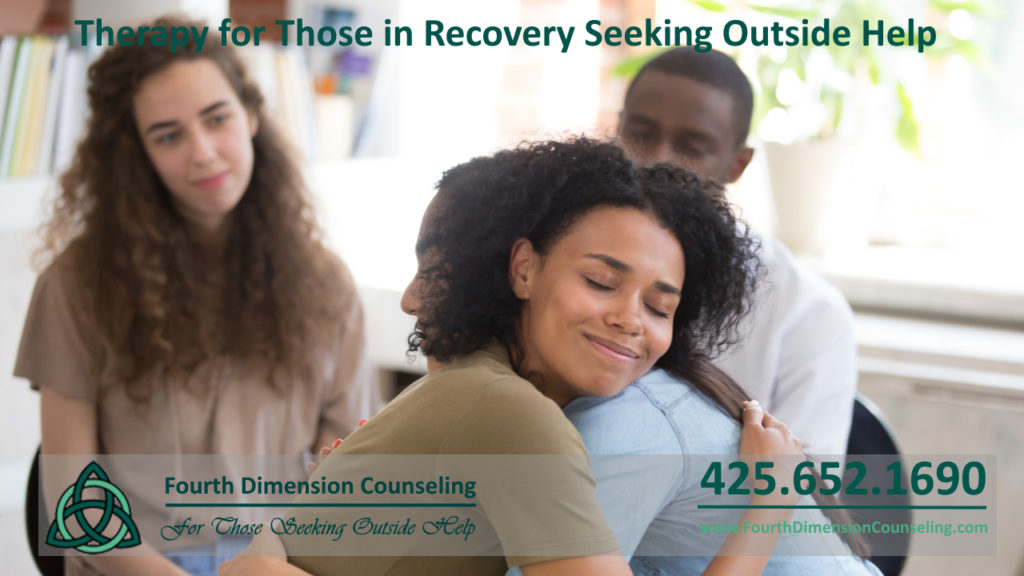
When to Seek Professional Guidance: Recognizing the Limits of Travel Therapy
While travel can be incredibly therapeutic, it’s crucial to acknowledge its limitations. A wellness trip, no matter how well-planned or luxurious, is not a substitute for professional mental health therapy when dealing with significant issues such as clinical depression, severe anxiety disorders, trauma, or addiction. Travel can open doors, create space for reflection, and even reduce symptoms temporarily, but it doesn’t provide the structured, evidence-based interventions offered by licensed therapists.
The most effective approach often involves a combination of supportive measures. A positive travel experience might make an individual more open to the idea of seeking professional help, especially if they’ve gained a renewed sense of self-worth and a belief in their capacity for change. The companion’s role, therefore, extends to recognizing when the issues at hand require specialized expertise and gently encouraging that next step. By fostering an environment of trust and care, one can help another adult transition from a restorative journey to professional therapy, ensuring they receive the comprehensive support they need for long-term mental health.
Ultimately, while you cannot legally “put” another adult in therapy in California, you can certainly “lead” them to a path of well-being. By utilizing the therapeutic power of travel, the diverse attractions of the Golden State, and compassionate companionship, you can provide an invaluable catalyst for healing, self-discovery, and ultimately, a more fulfilling life.
LifeOutOfTheBox is a participant in the Amazon Services LLC Associates Program, an affiliate advertising program designed to provide a means for sites to earn advertising fees by advertising and linking to Amazon.com. Amazon, the Amazon logo, AmazonSupply, and the AmazonSupply logo are trademarks of Amazon.com, Inc. or its affiliates. As an Amazon Associate we earn affiliate commissions from qualifying purchases.