
Navigating culinary choices during pregnancy can feel like a labyrinth, especially when it comes to international cuisines. Among the myriad questions, “Can pregnant women eat California rolls?” frequently arises, reflecting a common concern about sushi and seafood safety during this crucial period. For expectant mothers who love to travel, explore new destinations, and savor local flavors, understanding these guidelines is paramount to ensuring both their health and the well-being of their unborn child. The good news for sushi enthusiasts is that, in most cases, the beloved California Roll is indeed a safe option, standing apart from its raw fish counterparts.
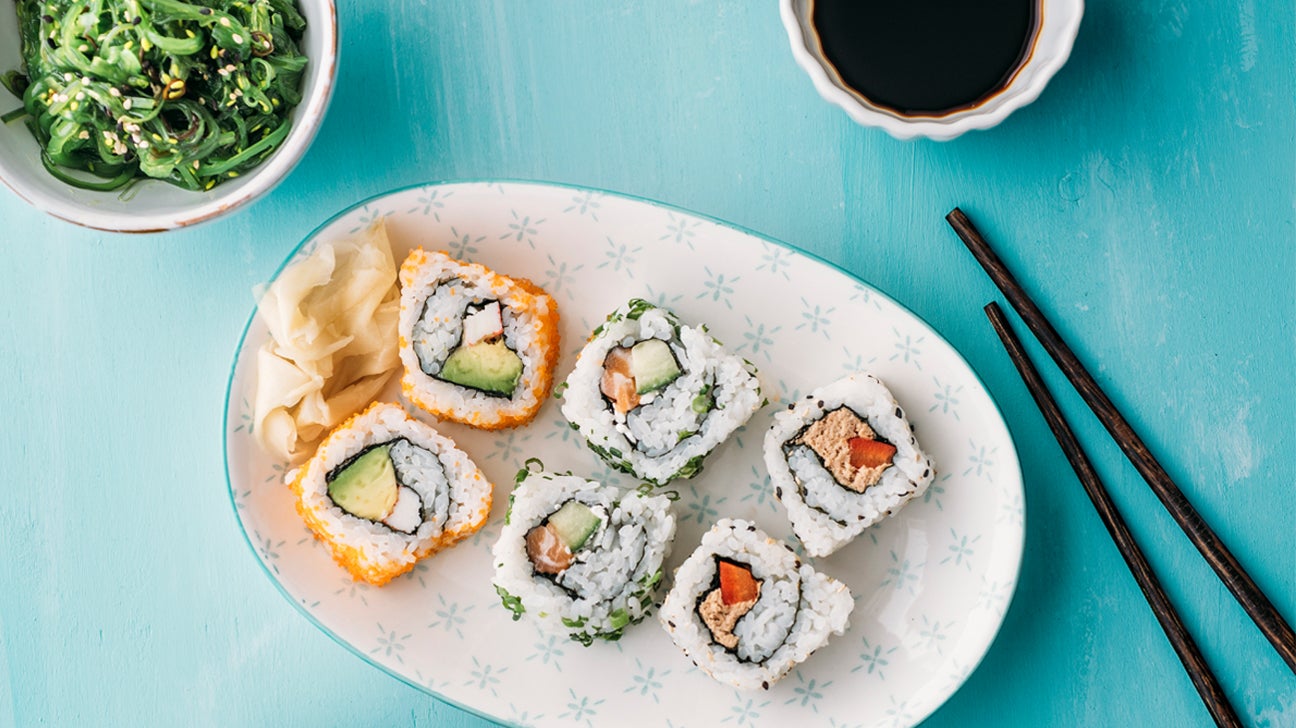
The allure of the California Roll often lies in its familiar, comforting taste and its reputation as an entry point into the world of sushi for many in the United States and beyond. Unlike traditional sashimi or nigiri, which feature raw fish, the California Roll typically contains only cooked or vegetarian ingredients, making it a safer bet for pregnant women. This distinction is vital, as the primary concern with sushi during pregnancy revolves around potential pathogens found in uncooked seafood, such as Listeria monocytogenes, Toxoplasma gondii, and various parasites, which can pose serious health risks to both mother and baby.
Understanding the California Roll: A Safe Bet for Many
To truly understand why the California Roll is often given the green light, we must delve into its constituent parts. It’s a classic example of a “westernized” sushi roll, gaining immense popularity since its inception.
Deconstructing the California Roll’s Ingredients
A standard California Roll is characterized by its inside-out structure (uramaki), where the rice is on the outside, often sprinkled with toasted sesame seeds or masago (capelin roe, usually cooked or cured, and generally considered safe in small amounts). The core ingredients tucked within a sheet of nori (seaweed) include:
- Sushi Rice: Cooked and seasoned with rice vinegar, sugar, and salt. Cooked rice poses no threat.
- Nori: Dried seaweed, perfectly safe.
- Cucumber: Fresh vegetable, safe and refreshing.
- Avocado: Creamy and nutritious, a healthy fat source.
- Cooked Imitation Crab Meat (Surimi): This is the key ingredient that sets the California Roll apart. Surimi is a paste made from various fish (often pollock) that has been deboned, minced, and then cooked and flavored to resemble crab meat. Since it is fully cooked and processed, it eliminates the risks associated with raw fish.
- Real Cooked Crab Meat: Some higher-end California Roll variations might use actual cooked crab meat, which is also safe for consumption during pregnancy.
The absence of any raw seafood means that the main concerns about bacterial and parasitic contamination from uncooked fish are largely mitigated. This makes the California Roll a palatable and reassuring choice for expectant mothers craving sushi while navigating the nuances of pregnancy-safe diets.
The Allure of Cooked Seafood Sushi Options
Beyond the California Roll, the world of sushi offers a plethora of delicious and pregnancy-safe options for those who still want to indulge in this celebrated Japanese cuisine. Understanding these alternatives can greatly enhance an expectant mother’s dining experiences, whether at home or while exploring the vibrant food scenes of Tokyo, Kyoto, or other global cities.
Safe cooked sushi choices include:
- Shrimp Tempura Rolls: Featuring deep-fried shrimp, these rolls are flavorful and fully cooked.
- Cooked Salmon or Tuna Rolls: Many establishments offer rolls with salmon or tuna that has been thoroughly cooked, flaked, and often mixed with mayonnaise or other seasonings.
- Unagi (Cooked Eel) Rolls: Grilled freshwater eel is a delicacy, always served cooked and glazed with a sweet soy-based sauce.
- Vegetable Rolls (Kappa Maki, Avocado Rolls): Purely plant-based rolls are always a safe and healthy option, packed with vitamins and fiber.
- Chicken Teriyaki Rolls: Rolls filled with cooked chicken glazed in teriyaki sauce offer a hearty and safe alternative.
When traveling or dining out, especially in destinations renowned for their culinary heritage like Japan, don’t hesitate to ask your server or chef about the ingredients and preparation methods. Reputable restaurants, whether a quaint sushi bar in Osaka or an upscale dining experience in London, are usually very accommodating and understand the importance of dietary restrictions, especially for pregnant guests. Embracing these cooked seafood and vegetarian options allows expectant mothers to enjoy the unique textures and flavors of sushi without compromise.
Navigating Sushi Choices During Pregnancy: Beyond the California Roll
While the California Roll often gets a clear pass, it’s crucial for pregnant women to understand the broader landscape of sushi consumption and the potential risks associated with raw fish. This knowledge empowers them to make informed decisions, especially when exploring new destinations and culinary experiences.
The Real Risks: Raw Fish and Contamination
The primary reason medical professionals advise against raw or undercooked fish during pregnancy is the risk of exposure to harmful bacteria, viruses, and parasites.

- Listeria monocytogenes: This bacterium can be found in raw fish, unpasteurized dairy products, and certain deli meats. While rare, listeriosis can be particularly severe in pregnant women, potentially leading to miscarriage, stillbirth, preterm labor, or life-threatening infections in newborns. Symptoms in the mother can be mild and flu-like, making it difficult to detect without testing.
- Toxoplasma gondii: Although more commonly associated with undercooked meat or cat feces, Toxoplasma can also be present in raw seafood. Toxoplasmosis can cause serious developmental problems in a fetus if contracted during pregnancy.
- Parasites (e.g., Anisakis simplex): Raw fish can harbor parasites. While often causing mild gastrointestinal distress in healthy adults, complications can arise, and preventing any illness during pregnancy is a priority.
These risks highlight why meticulous food safety practices are non-negotiable for expectant mothers. Freezing fish to very low temperatures, as is often done for sushi-grade fish, can kill some parasites, but it does not eliminate all bacteria or viruses. Therefore, the safest approach recommended by health organizations is to avoid raw fish entirely during pregnancy.
Key Considerations When Dining Out or Traveling
For pregnant women with a passion for travel and gastronomy, dining out requires an extra layer of caution. When faced with diverse food options in cities from Bangkok to Paris, certain principles can guide safe choices.
- Reputable Establishments: Always choose restaurants with high hygiene standards and a good reputation. This is especially true for sushi restaurants. In places like Singapore or Dubai, where culinary standards are generally very high, you might feel more confident. However, even in top-tier locations, transparency about ingredients and preparation is key.
- Freshness is Paramount: While generally a good rule of thumb, it’s even more critical during pregnancy. Ensure any cooked seafood or produce appears and smells fresh.
- Cross-Contamination: Be mindful of potential cross-contamination. If a sushi restaurant prepares both raw and cooked items, ensure that separate cutting boards, knives, and gloves are used for cooked ingredients to prevent the transfer of pathogens. Don’t hesitate to ask the staff about their procedures.
- Cooked vs. Raw: Double-check that any seafood dish you order is thoroughly cooked. For instance, seared tuna might still be raw in the middle, and should therefore be avoided. Opt for fully grilled, baked, or fried options.
- Avoid Buffets and Street Food (with caution): While vibrant street food in places like Mexico City or Hanoi is tempting, the risk of food sitting out at improper temperatures or questionable hygiene practices can be higher. Buffets, especially those where food is kept warm for extended periods, can also be breeding grounds for bacteria. If indulging in street food, choose vendors with high turnover and visible cleanliness.
- Water and Ice: In many international destinations, it’s wise to stick to bottled water and avoid ice made from tap water to prevent traveler’s diarrhea. This small precaution can save a lot of discomfort.
- Pasteurized Products: Ensure all dairy products, juices, and ciders are pasteurized. Unpasteurized items can carry harmful bacteria.
By keeping these guidelines in mind, pregnant travelers can confidently explore the culinary offerings of the world, making safe and enjoyable choices that cater to their unique needs.
Pregnancy and Travel: A Lifestyle Guide for Expectant Mothers
Embracing the adventure of travel while expecting requires thoughtful planning and a focus on well-being. Far from being a deterrent, pregnancy can simply redefine the travel experience, shifting the focus towards relaxation, comfort, and gentler exploration. From choosing the perfect destination to selecting the right accommodation, a well-prepared expectant mother can enjoy memorable journeys.
Culinary Adventures While Expecting: Beyond Sushi
Pregnancy shouldn’t mean foregoing the joys of culinary exploration. Instead, it offers an opportunity to discover new flavors and cooking traditions with a mindful approach.
- Explore Local Cuisines Safely: Many cultures offer delicious, pregnancy-safe dishes. In Italy, savor freshly made pasta in Rome or traditional pizzas in Naples, ensuring toppings are fully cooked. In France, enjoy classic bistros in Paris or regional specialties, always confirming that meats are well-done and cheeses are pasteurized.
- Food Tours and Cooking Classes: These can be fantastic ways to immerse in local food culture. Look for private or small-group tours that can accommodate dietary needs. A cooking class in Thailand focused on vegetarian curries or learning to make paella in Spain can be both educational and delicious.
- Hydration is Key: Especially important when traveling, staying well-hydrated helps combat fatigue and swelling. Always carry a water bottle and refill it frequently, particularly in warm climates like the Caribbean or the Mediterranean.
- Avoid Certain Foods: Beyond raw fish, pregnant women should generally avoid unpasteurized cheeses (like Brie, Feta, Camembert unless specified pasteurized), raw sprouts, deli meats (unless reheated to steaming hot), and high-mercury fish (like shark, swordfish, king mackerel, tilefish). Limiting caffeine intake and avoiding alcohol are also standard recommendations.
Choosing the Right Accommodation for Comfort and Care
Accommodation choices during pregnancy shift from purely adventurous to prioritizing comfort, accessibility, and peace of mind.
- Hotels and Resorts: Opt for established hotels like a Four Seasons in Maui or a Ritz-Carlton in Honolulu that offer excellent amenities such as 24-hour room service, comfortable beds, on-site dining, and potentially even a spa for prenatal massages. Many luxury resorts in destinations like the Maldives or Hawaii are adept at catering to specific guest needs.
- Apartments and Villas: For longer stays or a desire for more control over meals, booking an apartment or villa through platforms like Airbnb or local agencies can be ideal. Having a kitchen allows you to prepare your own safe and healthy meals. This is especially appealing for family trips where a home-away-from-home feel is desired.
- Amenities that Matter: Look for properties with elevators (to avoid stairs), accessible bathrooms, and, if possible, on-site medical assistance or close proximity to a reputable hospital. A swimming pool can be great for low-impact exercise and relief from swelling. Quiet rooms away from noisy areas are also a plus for ensuring restful sleep.
Planning Your Journey: Destinations and Activities
The type of trip and activities you plan should be tailored to your stage of pregnancy and energy levels.
- Low-Stress Destinations: Consider destinations known for relaxation and gentle activities. A beach getaway to Santorini with its stunning views and leisurely pace, or a nature retreat in Costa Rica with guided, easy walks, can be perfect. Avoid destinations requiring extensive physical exertion or high-altitude travel.
- Medical Consultation: Always consult your doctor before planning any trip, especially international travel. They can advise on vaccine requirements, potential health risks at your chosen destination, and provide a “fit to fly” letter if needed.
- Travel Insurance: Comprehensive travel insurance that covers pregnancy-related medical emergencies is a non-negotiable. Read the fine print carefully.
- Pacing Yourself: Build plenty of downtime into your itinerary. Don’t overschedule. Enjoy slower exploration of landmarks like the Louvre Museum in Paris or a leisurely stroll through Central Park in New York City. Avoid activities that involve jostling, high speeds, or extreme temperatures.
- Comfortable Travel: Choose airlines with good legroom, wear compression socks, and get up to walk around regularly on long flights to prevent blood clots. For road trips, plan frequent stops.
- Emergency Preparedness: Carry a copy of your medical records, contact information for your doctor, and a list of any medications you are taking. Know the location of the nearest medical facilities at your destination.
From a relaxing cruise through the Mediterranean to an enriching cultural tour in Europe or Asia, thoughtful planning transforms potential challenges into opportunities for unforgettable, safe, and enjoyable experiences. Whether you’re exploring ancient ruins like Machu Picchu (perhaps on a virtual tour for now!) or simply enjoying a peaceful day by the Great Barrier Reef, the world remains open for exploration, even during pregnancy.
In conclusion, for expectant mothers yearning for a taste of sushi, the California Roll offers a delightful and generally safe option due to its cooked ingredients. By understanding what makes it safe and by exercising caution with other sushi types, pregnant women can confidently enjoy this popular dish. Furthermore, with careful planning and an emphasis on comfort and safety, travel and culinary adventures remain vibrant possibilities during pregnancy, ensuring a fulfilling lifestyle for future mothers as they prepare for a new chapter.
LifeOutOfTheBox is a participant in the Amazon Services LLC Associates Program, an affiliate advertising program designed to provide a means for sites to earn advertising fees by advertising and linking to Amazon.com. Amazon, the Amazon logo, AmazonSupply, and the AmazonSupply logo are trademarks of Amazon.com, Inc. or its affiliates. As an Amazon Associate we earn affiliate commissions from qualifying purchases.