
The golden state of California, renowned globally for its stunning natural beauty, vibrant cities, and unparalleled travel experiences, unfortunately, also grapples with the recurring challenge of wildfires. These natural phenomena, exacerbated by climate change, prolonged droughts, and specific weather patterns, significantly impact the landscape, local communities, and, inevitably, the tourism industry that forms a cornerstone of the state’s economy. For travelers planning a visit, understanding the current situation, potential risks, and how to navigate travel responsibly during wildfire season is crucial for both safety and ensuring a rewarding trip.
The narrative around California fires is complex, moving beyond simple disaster reporting to encompass resilience, recovery, and evolving strategies for mitigation and adaptation. While the headlines often paint a dire picture, it’s important to recognize that California is a vast and diverse state. A fire in one region does not necessarily mean the entire state is unsafe or closed for visitors. This guide aims to provide a comprehensive overview, focusing on the implications for travel, accommodation, and the overall lifestyle of exploring this magnificent destination.
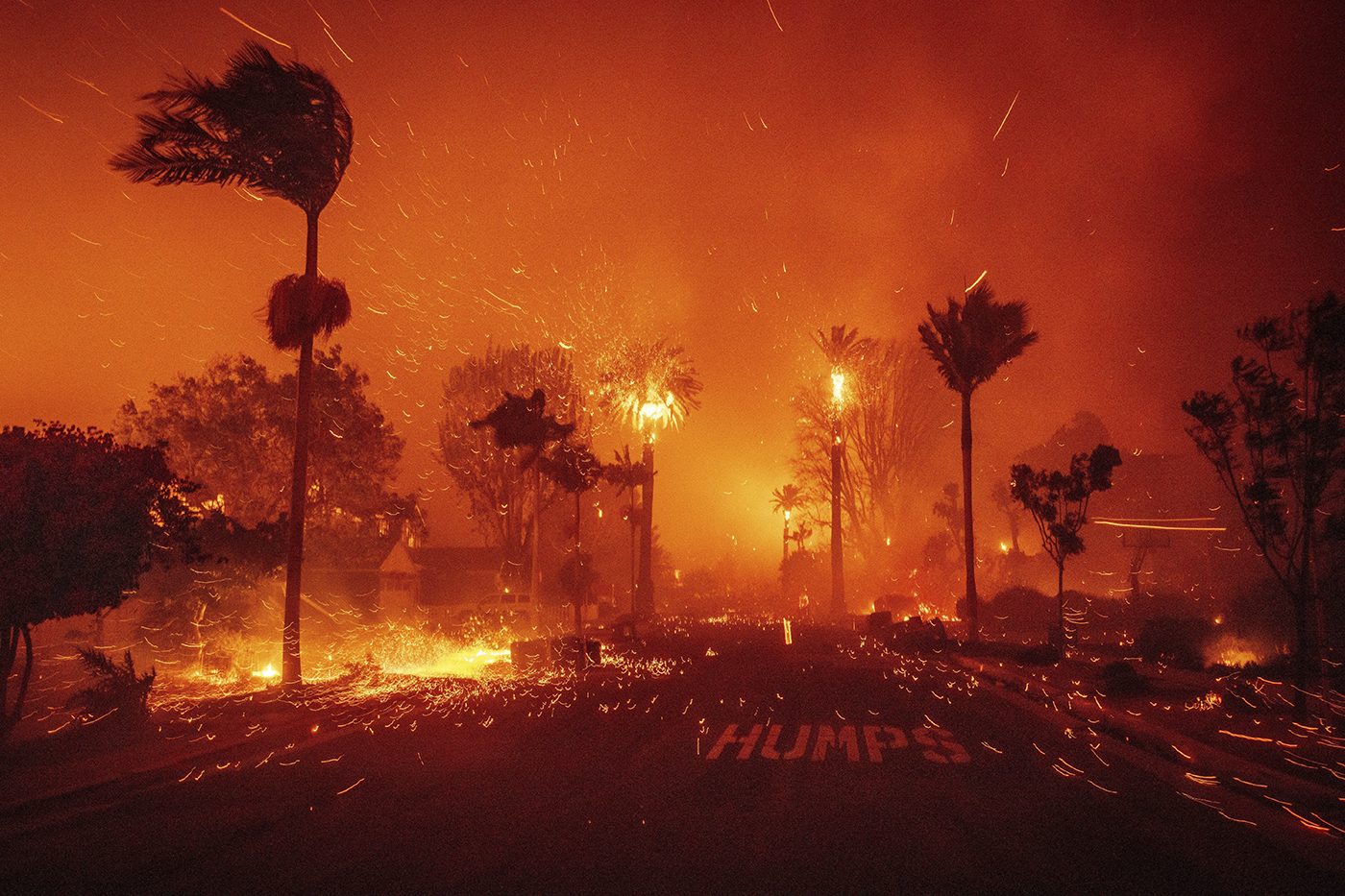
Understanding the Dynamics of California Wildfires
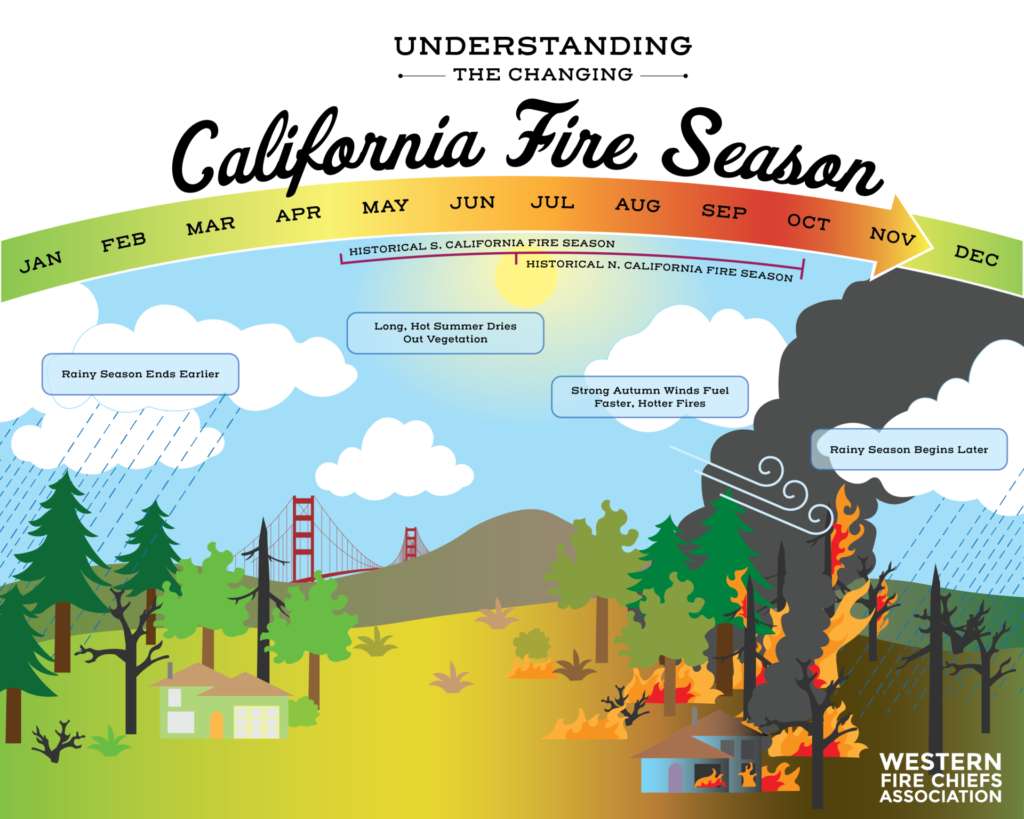
California’s Mediterranean climate, characterized by hot, dry summers and mild, wet winters, creates prime conditions for wildfires, particularly from late spring through fall. This natural cycle has been intensified by a combination of factors, making fire seasons more severe and prolonged.
The Science Behind the Flames: Causes and Conditions
Several elements converge to create California’s challenging wildfire environment. Long periods of drought lead to an abundance of dry vegetation, acting as highly flammable fuel. Strong winds, famously the Santa Ana winds in Southern California and Diablo winds in the north, fan the flames, making fires spread rapidly and unpredictably. Topography also plays a critical role; steep canyons and dense forests provide pathways for fires to move quickly across vast areas. Human activity, both accidental and intentional, is a significant ignition source, from power lines and discarded cigarettes to campfires and arson.
The ecological impact is profound, leading to habitat destruction, compromised air quality, and long-term soil erosion. For residents, the threat involves property loss and displacement. For visitors, these factors translate into potential travel disruptions, safety concerns, and a need for heightened awareness.
Geographically Vulnerable Travel Destinations
While no region is entirely immune, certain iconic California destinations are more susceptible to wildfire activity due to their natural landscapes and historical patterns.
- Northern California Wine Country: Regions like Napa Valley and Sonoma County, famous for their vineyards, boutique hotels, and culinary experiences, have unfortunately seen significant fire activity in recent years. The dense oak woodlands and chaparral surrounding these valleys, combined with strong winds, pose recurring challenges. Travelers here might experience temporary closures of wineries, restaurants, or even entire roads during active fire events, and air quality can be an issue.
- Sierra Nevada and National Parks: The majestic Sierra Nevada mountain range is home to some of California’s most treasured natural landmarks, including Yosemite National Park, Sequoia National Park, and Kings Canyon National Park. These parks, with their ancient groves, hiking trails, and camping accommodations, are particularly vulnerable due to vast expanses of forestland. Visitors often face park closures, trail restrictions, or smoke-filled skies, impacting outdoor activities and scenic views.
- Coastal Mountain Ranges (e.g., Big Sur, Malibu): The rugged coastlines, particularly along Big Sur and in the hills overlooking Malibu, offer breathtaking vistas along the Pacific Coast Highway. However, these areas are often characterized by dense chaparral and steep terrain, making them prone to fast-moving fires. Roads like Highway 1 can be closed, affecting access to iconic properties like the Post Ranch Inn and scenic overlooks.
- Southern California Foothills: Inland areas surrounding major metropolitan hubs like Los Angeles, Santa Barbara, and San Diego can also experience significant fires, particularly in the foothills and canyons. While urban centers are generally safer, smoke can drift into cities, impacting air quality for residents and tourists exploring attractions like the Hollywood Sign or Disneyland Resort.
Navigating Travel Amidst Wildfire Season: Essential Considerations
Travel planning to California during fire season requires a proactive approach. While wildfires are a serious concern, they shouldn’t deter travelers entirely from experiencing the state’s wonders. Instead, they necessitate careful research, flexibility, and a commitment to responsible travel.
Prioritizing Safety: Before and During Your Trip

The safety of travelers is paramount. Before embarking on your journey, it’s vital to:
- Stay Informed: Regularly check official sources for wildfire updates, such as Cal Fire, the National Interagency Fire Center (NIFC), and local emergency services websites. Pay attention to air quality alerts from agencies like the Air Quality Management District (AQMD). Smoke can travel hundreds of miles, even affecting areas far from active fires.
- Monitor Destination-Specific Information: If you have specific destinations in mind, check their local tourism boards, park service websites, or social media for real-time updates on closures, advisories, and conditions. For instance, if heading to Lake Tahoe, check the U.S. Forest Service advisories for the Sierra Nevada region.
- Consider Travel Insurance: Investing in comprehensive travel insurance that covers cancellations or interruptions due to natural disasters can provide peace of mind and financial protection. Review policies carefully to understand their terms regarding wildfires.
- Have a Flexible Itinerary: Be prepared to adjust your plans. Road closures, particularly along scenic routes like the Pacific Coast Highway, can occur without much notice. Having alternative routes or backup destinations can save your trip.
- Emergency Preparedness: Familiarize yourself with emergency procedures in your chosen accommodation and know local evacuation routes. Always keep your phone charged and carry essential documents.
During your trip, if you encounter smoke or receive official alerts, heed all warnings. Air quality can severely impact health, especially for those with respiratory conditions. It’s always better to err on the side of caution and relocate if advised.
Impact on Accommodation and Lodging Options
Wildfires directly influence the accommodation landscape, creating challenges for both travelers and hospitality providers.
- Cancellations and Rebookings: Hotels, resorts, and vacation rentals in affected areas may be forced to close, leading to cancellations. Travelers should communicate directly with their booking providers to understand their policies regarding refunds or rebookings. Many properties offer flexible cancellation policies during such emergencies. For example, a planned stay at the Ritz-Carlton Laguna Niguel might be unaffected if a fire is far north, but a boutique hotel in Napa Valley could face immediate closure.
- Availability Shifts: As travelers evacuate or re-route, unaffected areas might see a sudden surge in demand for lodging. This can lead to increased prices and limited availability, particularly in popular cities like San Francisco or Los Angeles if nearby areas are impacted.
- Long-Term Stays and Community Impact: In severely impacted regions, hotels and other accommodations often house displaced residents and emergency personnel. This shift in demand can impact tourist availability for extended periods, even after fires are contained.
- Searching for Alternatives: If your original plans are disrupted, consider searching for accommodations in regions generally less affected by fires, such as coastal cities away from forested hills, or inland deserts like Palm Springs, depending on the specific fire locations. Utilizing online booking platforms with robust filtering and review options can help you find suitable alternatives. When booking, consider properties known for their amenities and their proximity to open, safe spaces.
Supporting California’s Enduring Appeal and Resilience
Despite the challenges, California remains an incredible destination, and the spirit of its communities is remarkably resilient. Tourism plays a vital role in the recovery and rebuilding efforts of fire-affected regions.
Responsible Tourism and Community Support
Choosing to visit California outside of fire-prone areas, or returning to areas that have recovered, directly supports local economies. When planning your trip:
- Explore Unaffected Regions: Remember California is vast. If Wine Country is affected, consider exploring the beaches of Orange County, the vibrant culture of San Francisco (perhaps even a stroll across the Golden Gate Bridge), or the desert landscapes around Joshua Tree National Park (which has its own fire risks, so always check). The capital city of Sacramento, with its rich history and growing culinary scene, also offers unique urban attractions often removed from the immediate wildfire threat areas.
- Support Local Businesses: When you visit, spend your money at local restaurants, shops, and tour operators. This economic infusion is critical for communities rebuilding after a fire.
- Volunteer or Donate: For those looking to make a more direct impact, consider volunteering with local relief organizations or donating to reputable charities assisting fire victims and recovery efforts. Many local businesses, especially small boutique hotels or family-run villas, are heavily dependent on tourism. Your presence, even in unaffected areas, helps keep the state’s tourism engine running.
- Engage with the “New Normal”: Post-fire landscapes, though initially stark, eventually reveal fascinating ecological recovery. Engaging with guided tours that highlight this resilience can be a powerful and educational experience.
The Future of California Travel: Sustainability and Preparedness
The recurring nature of wildfires is prompting significant changes in how California approaches land management, urban planning, and, critically, tourism.
- Sustainable Practices: There’s a growing emphasis on sustainable tourism, encouraging visitors to minimize their environmental footprint. This includes respecting natural areas, adhering to “Leave No Trace” principles, and supporting businesses committed to eco-friendly operations. Many resorts and hotels, from the luxurious Fairmont San Francisco to properties like The Lodge at Pebble Beach on the coast, are adopting more sustainable practices.
- Enhanced Preparedness: Communities and businesses are investing in fire-resistant infrastructure, improved early warning systems, and robust evacuation plans. This includes training for hotel staff on emergency protocols and ensuring guest safety.
- Education and Awareness: Travel guides and local tourism bodies are increasingly providing comprehensive information about wildfire safety, educating visitors on how to prevent fires and what to do in an emergency. This proactive approach helps empower travelers to make informed and safe decisions.
In conclusion, while the threat of wildfires is a tangible concern for California, it is one that the state and its communities are actively working to manage and mitigate. For travelers, it means an added layer of planning and awareness, but it does not diminish the allure of its breathtaking landscapes, vibrant cities, or unique cultural experiences. By staying informed, being flexible, and traveling responsibly, visitors can continue to explore and enjoy the vast wonders of California while also supporting its journey towards greater resilience.
LifeOutOfTheBox is a participant in the Amazon Services LLC Associates Program, an affiliate advertising program designed to provide a means for sites to earn advertising fees by advertising and linking to Amazon.com. Amazon, the Amazon logo, AmazonSupply, and the AmazonSupply logo are trademarks of Amazon.com, Inc. or its affiliates. As an Amazon Associate we earn affiliate commissions from qualifying purchases.