
Embarking on a journey of personal transformation often involves significant life changes, and for many, a name change marks a profound new chapter. Whether driven by marriage, divorce, a desire for a fresh start, or simply aligning with one’s identity, the legal process of changing your name in California is a structured path. While it might seem daunting, navigating this legal landscape can be as straightforward as planning an elaborate travel itinerary – requiring careful preparation, attention to detail, and a clear understanding of each step. For those who view life as a series of adventures, embracing a new name can feel like acquiring a new passport for a brand-new destination, opening doors to unforeseen experiences and a renewed sense of self.

Our lives are a tapestry woven with experiences, and sometimes, those threads call for a new pattern. This guide aims to demystify the legal name change process in California, making it accessible for anyone ready to embrace this personal evolution. Just as you’d research the best hotels in San Francisco or hidden gems in Los Angeles, understanding the nuances of the Californian legal system is key to a smooth transition.
Understanding Your Reasons for a Name Change: A Journey of Identity
Before delving into the procedural aspects, it’s worth reflecting on the “why.” A name change is more than just an administrative update; it’s often a deeply personal decision, akin to choosing a new path on a global travel adventure. The reasons vary widely, each with its own story and implications, and understanding these can help clarify the legal approach you’ll need to take.
Common Scenarios for Personal Transformation
Life’s milestones frequently prompt individuals to consider a name change. These moments, much like deciding on a new travel destination or booking a luxury suite, represent significant shifts and often a desire to reflect a new reality.
Marriage and Divorce: Redefining Identity
Perhaps the most common reasons for a name change are marriage and divorce. When two lives merge, adopting a new surname can symbolize unity and a shared future. Many couples choose to embrace a new family name, celebrating their union with a romantic honeymoon in Hawaii or a destination wedding in Italy, only to then realize the practical steps required back home. In California, changing your name due to marriage is often the simplest process, frequently handled directly through the marriage license application, which is a testament to the state’s forward-thinking approach to personal freedoms. This usually doesn’t require a separate court petition, streamlining the journey for newlyweds eager to start their new lives together, perhaps even planning their next adventure travel under their new shared identity.
Conversely, divorce can prompt a return to a prior surname or the adoption of an entirely new one, signifying independence and a fresh start. This step is frequently included in divorce decrees, making the legal transition relatively straightforward, freeing individuals to embark on new personal journeys, perhaps a solo trip through the National Parks or a cultural immersion in Southeast Asia, unburdened by past associations.
Personal Preference: A New Passport for the Soul
Beyond marital changes, many individuals opt to change their name purely out of personal preference. This can stem from a desire to align with a chosen identity, to overcome negative associations with a birth name, or simply to embrace a name that feels more authentic. This category requires a formal court petition, a process that, while more involved, grants the freedom to truly define oneself. Imagine curating a bespoke travel experience; changing your name for personal preference is akin to designing your own itinerary for life – a truly luxury lifestyle choice. This journey often involves deep self-reflection, perhaps during a serene retreat in Napa Valley or a quiet stay in a boutique hotel in San Diego, preparing oneself for this significant declaration of identity.
Navigating the Legal Landscape: The Court Petition Process
For those not changing their name due to marriage or divorce, the path leads through the California court system. This process, while requiring careful attention to detail, is well-defined and ensures legal recognition of your chosen name. Think of it as mapping out a complex international trip: you need the right documents, the correct visas, and a clear understanding of local customs.
Step-by-Step Guide to Filing Your Petition
The court petition process involves several critical stages, each demanding precision and patience. Just as you’d meticulously plan a multi-city tour of Europe, breaking down the name change into manageable steps will ensure a smooth journey.
1. Gathering Information and Completing Forms:
The initial step involves acquiring and accurately filling out the necessary court forms. These typically include:
- Petition for Change of Name (Form NC-100): This is the foundational document, where you formally request the court to change your name. You’ll specify your current name, the new name you desire, and the reasons for the change.
- Order to Show Cause for Change of Name (Form NC-120): This form announces your intent to change your name and sets a hearing date.
- Civil Case Cover Sheet (Form CM-010): A standard form for new civil cases.
- Attachment to Petition for Change of Name (Form NC-110), if applicable: Used for additional information, such as minor children’s names.
Accuracy is paramount. Any errors could lead to delays, much like a misspelled name on an airline ticket can derail a carefully planned business trip. These forms can usually be found on the California Courts website or at your local courthouse in cities like Sacramento or Oakland.
2. Filing Your Petition with the Court:
Once your forms are complete and signed, they must be filed with the Superior Court in your county of residence. You’ll pay a filing fee, which can vary. If you cannot afford the fee, you may be eligible to apply for a fee waiver (Form FW-001). This step officially begins your legal journey, placing your request into the court system, much like checking in for a flight after meticulously packing your bags for a long-term stay. The clerk will stamp your forms, keep the originals, and return copies to you. One of these copies will include your official hearing date.
3. Publication Requirement: A Public Declaration
One unique aspect of the California name change process is the requirement to publish the Order to Show Cause for Change of Name (Form NC-120) in a local newspaper. This must be done once a week for four consecutive weeks prior to your court hearing. The purpose of this publication is to provide public notice of your intent, allowing anyone with a valid objection to come forward. It’s a measure of transparency, ensuring the name change isn’t being pursued for fraudulent reasons.
Choosing a newspaper that is circulated in your county of residence is crucial. Many courthouses have lists of approved publications. The newspaper will provide you with a “Proof of Publication” document after the four weeks are complete, which you must then file with the court. This public announcement is a symbolic step, much like announcing a grand opening for a new boutique hotel or a major tourism event in a bustling city.
4. Attending Your Court Hearing: The Final Review
On the date specified in your Order to Show Cause, you must attend a court hearing. In many cases, if there are no objections and all paperwork is correctly filed, the hearing might be brief. The judge will review your petition, confirm that all requirements have been met, and then, if satisfied, sign the Decree Changing Name (Form NC-130).
Attending court can feel like navigating a foreign land for the uninitiated. Dressing appropriately (business casual is usually best) and arriving early are always recommended. In some counties, judges might conduct group hearings for name changes, making the process efficient. Upon approval, the signed decree is your official legal document, proving your new name. This document is akin to a precious travel visa – your entry ticket to a new identity. Consider celebrating this milestone with a stay at a luxurious resort in Santa Barbara or a gourmet meal in Napa Valley, marking the success of your meticulously planned journey.
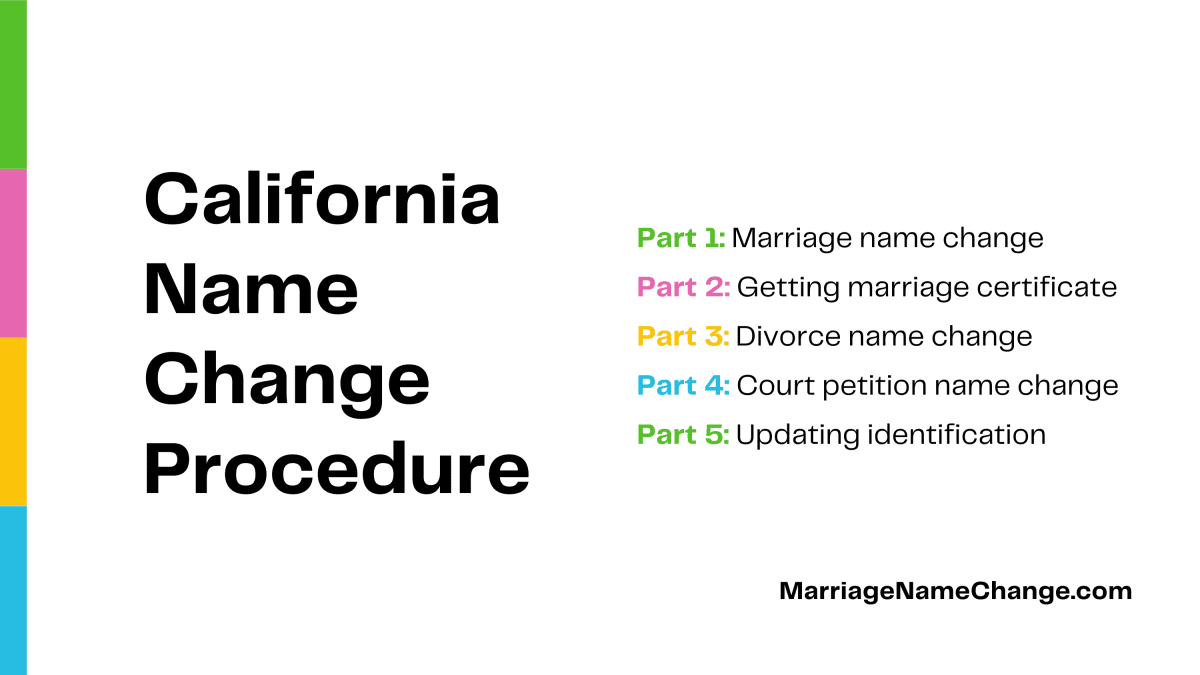
Post-Name Change Essentials: Updating Your Identity
Receiving your signed court order is a significant achievement, but the journey doesn’t end there. The next crucial phase involves updating all your official documents and records to reflect your new name. This step is vital to ensure your new identity is recognized across all facets of your life, from banking to international travel. Neglecting this part can lead to complications, much like arriving at an airport with an expired passport and being unable to board your flight to Tokyo or Paris.
Essential Updates for a Seamless Transition
Imagine planning an extensive world tour – you wouldn’t forget your luggage. Similarly, after a name change, updating your core identification is non-negotiable.
1. Social Security Administration (SSA):
Your Social Security record is the foundation of your legal identity in the United States. This should be your first update. You’ll need to submit Form SS-5, Application for a Social Security Card, along with your original court order and proof of identity. There is no fee for this service. Once updated, the SSA will issue a new Social Security card with your new name. This is a critical step, as many other agencies and institutions will require an updated Social Security card before processing your name change.
2. Department of Motor Vehicles (DMV):
Your California driver’s license or state ID card is one of the most frequently used forms of identification. Head to your local DMV office with your court order and current ID. You will typically fill out a new application, pay a small fee, and have a new photo taken. This ensures your legal driving privileges and identity are in sync with your new name, essential for renting a car for a scenic drive along Highway 1 or checking into a hotel in Laguna Beach.
3. U.S. Passport:
For any form of international travel, your passport is paramount. Updating your passport with your new name is crucial before planning any trips abroad. The process depends on when your current passport was issued and whether you’re seeking a simple name change or a full renewal. You’ll typically need to submit Form DS-11 or DS-82, your original court order, your old passport, and new passport photos. This is the official gateway to your future adventures, allowing you to freely explore European landmarks or exotic Asian destinations under your new identity.
4. Banks and Financial Institutions:
Update your name on all bank accounts, credit cards, loans, and investment accounts. This typically requires presenting your court order and a valid photo ID (preferably your newly updated driver’s license or passport). It’s essential for maintaining financial security and avoiding discrepancies that could impact credit scores or transaction approvals. Ensuring your financial records are accurate is as crucial as checking the reviews of your long-term accommodation before committing.
5. Other Important Documents and Accounts:
Don’t forget to update your name on:
- Employment Records: Inform your employer and update your payroll, benefits, and HR files.
- Medical Records: Ensure your healthcare providers have your correct name.
- Utility Bills: Gas, electricity, water, internet providers.
- Insurance Policies: Health, auto, home, and life insurance.
- Voter Registration: Update your voter information to ensure you can exercise your right to vote.
- Property Deeds/Leases: If you own property or have a lease agreement.
- Professional Licenses: If applicable to your career.
- Loyalty Programs and Memberships: Airlines, hotel rewards programs, gym memberships, etc. This is particularly relevant for frequent travelers who rely on these programs for perks and upgrades.
Making a checklist for these updates can be incredibly helpful, much like preparing a comprehensive packing list for a grand tour. Prioritize the most critical documents first, then systematically work through the rest.
Special Considerations and Tips for a Smooth Journey
While the basic steps cover most name change scenarios, some situations require additional attention. Being prepared for these can make your journey smoother, just as knowing local customs can enhance your travel experience.

Minors and Other Unique Situations
Changing a Minor’s Name:
Changing a minor’s name follows a similar court petition process, but with additional requirements to protect the child’s best interests. Both parents typically need to consent or be served notice of the petition. The judge will consider factors such as the child’s preference (if old enough to express one), the relationship with both parents, and the potential impact on the child’s identity and well-being. This can be a delicate process, often requiring careful navigation, much like planning a family trip where everyone’s needs must be considered.
Criminal Background Considerations:
If you have a criminal record, especially a felony conviction, changing your name might be more complex. California law generally requires individuals with certain felony convictions (e.g., sex offenses or convictions requiring registration) to disclose this on their petition. The court will scrutinize these cases carefully to ensure the name change isn’t intended to evade legal obligations or hide from justice. Transparency is key in these situations.
Avoiding Fraudulent Intent:
The court’s primary concern in any name change petition is to prevent fraud. If there’s any suspicion that a name change is being sought to escape debts, avoid criminal prosecution, or deceive others, the petition will likely be denied. The publication requirement and the court hearing are designed to uphold this principle.
Tips for a Stress-Free Transition:
- Keep Multiple Certified Copies: Order several certified copies of your Decree Changing Name from the court. Many institutions will require an original certified copy for verification, and having spares saves time and hassle.
- Start with Key Identifications: Prioritize updating your Social Security, driver’s license, and passport. These are often prerequisites for other updates.
- Organize Your Paperwork: Create a dedicated folder for all name change documents, copies, and correspondence. This will be invaluable during the update process.
- Be Patient and Persistent: The entire process, from filing to updating all documents, can take several weeks or even months. Patience and diligent follow-up are essential.
- Consider Legal Assistance: While the process can be completed independently, if your situation is complex or you feel overwhelmed, consulting with an attorney can provide peace of mind and ensure everything is handled correctly.
Embracing a new name in California is a journey of personal significance, a legal act that underpins a profound personal choice. Like an expertly planned adventure travel experience, it requires preparation, adherence to guidelines, and a willingness to navigate various stages. From the initial contemplation of a new identity to the final flourish of an updated passport, each step is an affirmation of your evolving self. Whether you’re celebrating a new union with a stay at a luxurious Beverly Hills hotel, marking a fresh start with a serene escape to Lake Tahoe, or simply embracing a name that resonates more deeply with your inner spirit, the legal name change process in California is a testament to the freedom of self-definition. It’s an opportunity to truly live out of the box, with an identity that perfectly reflects the person you are becoming and the incredible journeys that lie ahead.
LifeOutOfTheBox is a participant in the Amazon Services LLC Associates Program, an affiliate advertising program designed to provide a means for sites to earn advertising fees by advertising and linking to Amazon.com. Amazon, the Amazon logo, AmazonSupply, and the AmazonSupply logo are trademarks of Amazon.com, Inc. or its affiliates. As an Amazon Associate we earn affiliate commissions from qualifying purchases.