
Embarking on the journey to obtain a driver’s license in the Golden State is a significant milestone, whether you’re a long-time resident or considering a move to experience the unique lifestyle California offers. With its sprawling cities like Los Angeles and San Francisco, breathtaking natural landmarks like Yosemite National Park, and iconic routes such as the Pacific Coast Highway, having the freedom to drive is undeniably central to enjoying the full spectrum of California tourism and travel. But before you can hit the open road, you must first conquer the dreaded driving test administered by the California Department of Motor Vehicles, or DMV.
One of the most common anxieties for anyone preparing for this practical examination revolves around a simple question: “How many mistakes are allowed?” The answer isn’t just a straightforward number; it involves understanding the nuances of the scoring system, differentiating between minor errors and critical mistakes, and recognizing what truly constitutes an automatic failure. This comprehensive guide aims to demystify the California driving test, offering clarity on the acceptable margin for error and equipping you with the knowledge to approach your test day with confidence. From the bustling streets of San Diego to the serene vineyards of Napa Valley, mastering the rules of the road is your first step towards unlocking unforgettable California adventures.
Decoding the California DMV Driving Test Scoring System
The California DMV driving test is designed to assess your ability to safely operate a vehicle in various traffic situations, demonstrating your understanding of traffic laws and your capacity to react appropriately to different road conditions. It’s not merely about knowing how to drive, but how to drive responsibly and safely. The test is structured around a point system, where the examiner observes your performance and marks any errors made.
The 80% Rule: What It Means for Your Score
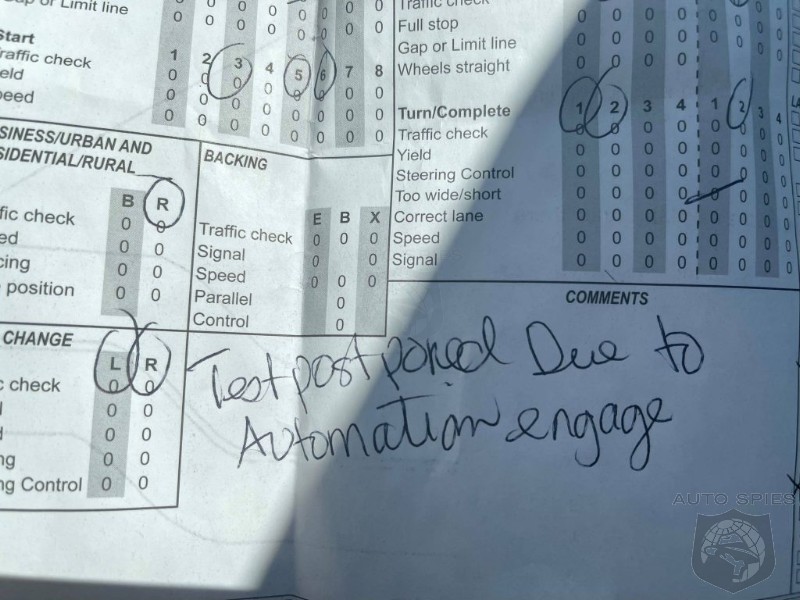
To successfully pass the driving portion of your California driver’s license examination, you must achieve a minimum score of 80%. This means that out of a possible 100 points, you are allowed to accumulate a maximum of 15 error points. Surpass this threshold, and unfortunately, you will not pass the test. Each minor mistake typically counts as a single error point, but the cumulative effect can quickly lead to an unsatisfactory result if not managed carefully.
Understanding this 80% rule is crucial. It highlights that perfection is not necessarily required, but competence and consistency are. A small hesitation, a slightly wide turn, or forgetting to check a mirror once might not doom your chances, but repeated minor infractions will. The examiner is looking for a driver who can maintain control, observe their surroundings, and follow traffic laws consistently, even under the pressure of being evaluated. This scoring system aims to identify drivers who pose minimal risk on the road, ensuring that only those who demonstrate adequate skill and judgment are granted the privilege to navigate California’s diverse roadways, from the congested freeways around Hollywood to the scenic routes through Big Sur.
Minor Errors vs. Critical Mistakes: A Crucial Distinction
While accumulating more than 15 error points will lead to a failure, it’s essential to understand that not all mistakes are weighted equally. The DMV differentiates between minor errors, which contribute to your overall point tally, and critical errors, which result in an immediate and automatic failure, regardless of how few other mistakes you’ve made. This distinction is paramount for any aspiring driver.
Minor errors are typically those that show a slight lapse in judgment or a temporary oversight but do not immediately endanger yourself or others. Examples might include failing to signal one time, stopping slightly too far from a crosswalk, or a momentary hesitation when changing lanes. These add to your error count, pushing you closer to the 15-point limit.
Critical errors, on the other hand, are grave mistakes that demonstrate a significant lack of driving competence or pose an immediate safety risk. These are the “show-stoppers” that will end your test on the spot. Even if you’ve driven perfectly for the preceding 10 minutes, committing a critical error means you’ve failed. This stringent approach underscores the DMV’s commitment to road safety, ensuring that drivers who cannot maintain a basic level of safety are not licensed to operate a vehicle, safeguarding not just themselves but also other motorists, pedestrians, and cyclists across [California](https://Aggregate State Tourism Boards in US.).
The Unforgivable Errors: Automatic Fails on Your Driving Test
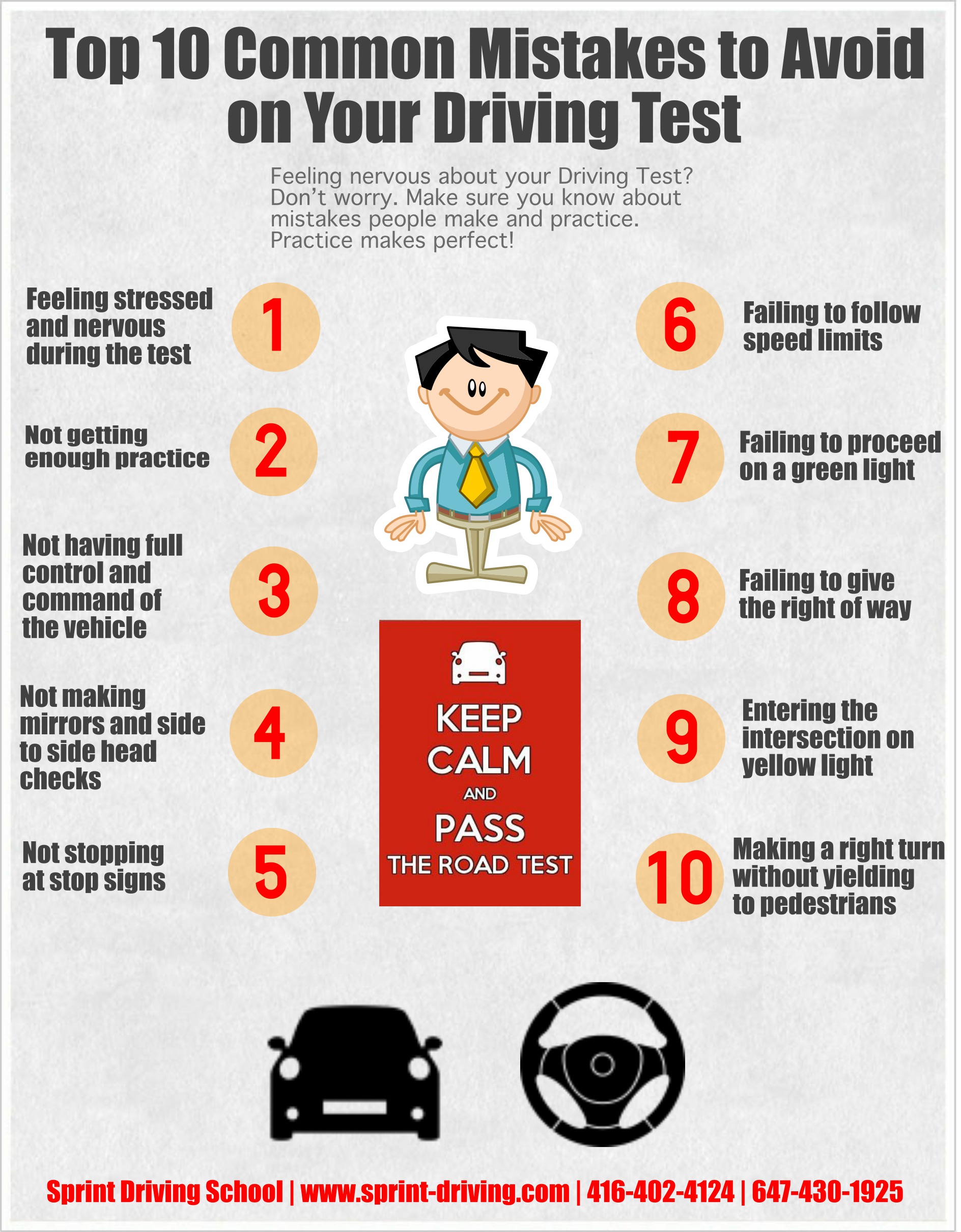
Understanding the types of mistakes that lead to an automatic failure is perhaps the most critical aspect of preparing for your California driving test. These are non-negotiable errors that signify an immediate and unacceptable safety risk, rendering any other aspect of your driving performance irrelevant. Mastering these areas can significantly boost your confidence and chances of passing.
Examiner Intervention: The Ultimate Red Flag
Perhaps the most definitive indicator of an automatic failure is when the driving examiner has to intervene. This means the examiner had to take physical control of the vehicle’s steering wheel or pedals to prevent an accident, correct a dangerous maneuver, or avoid a collision. If the examiner feels compelled to touch the steering wheel, step on the brake, or instruct you to do so to prevent an immediate danger, your test is over. This action signals that you’ve demonstrated an inability to safely operate the vehicle independently, which is the core purpose of the test. It’s a stark reminder that the responsibility for safe driving rests entirely with you.
Navigating Road Hazards: Collisions and Dangerous Maneuvers
Beyond direct examiner intervention, several actions or inactions can immediately lead to failure due to their inherent danger:
- Collision: Any contact with another vehicle, pedestrian, object, or even the curb (beyond a slight touch during parking) is an automatic failure. This includes hitting cones during a maneuvering exercise. Collisions demonstrate a fundamental failure in vehicle control and hazard perception. Imagine navigating the busy streets of Santa Monica or the intricate on-ramps of San Francisco – the ability to avoid collisions is paramount.
- Dangerous Maneuver: This category encompasses a range of actions that, while not necessarily resulting in a collision, put yourself or others in immediate jeopardy. Examples include:
- Speeding: Exceeding the posted speed limit or driving too fast for conditions (e.g., heavy rain, fog) is a serious safety violation.
- Illegal Turns: Making an illegal U-turn, turning from the wrong lane, or failing to yield on a turn when required.
- Running Stop Signs or Red Lights: Failing to come to a complete stop at a stop sign or proceeding through a red light demonstrates a disregard for fundamental traffic laws and is extremely dangerous.
- Driving into a Curb: While a minor curb touch during parking might be a point deduction, driving into a curb with significant force, especially while in motion, indicates a lack of vehicle control and is often an automatic fail.
These dangerous maneuvers highlight the importance of not just knowing the rules, but consistently applying them with precision and attentiveness.
Mastering the Basics: Signaling, Stops, and Yielding
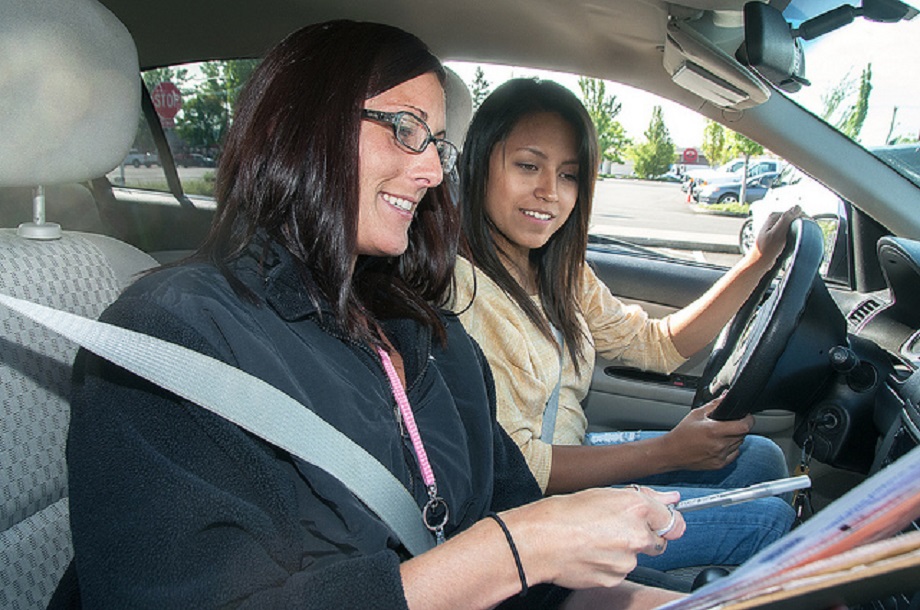
Even seemingly basic actions, if performed incorrectly or inconsistently, can lead to critical errors:
- Forgetting to Signal or Signaling Incorrectly Multiple Times: While one missed signal might be a minor error, repeatedly failing to signal turns or lane changes, or signaling incorrectly (e.g., signaling right when turning left), shows a failure to communicate your intentions to other drivers, which is a significant safety concern.
- Not Stopping Completely at Stop Signs: A “rolling stop” or “California roll” is a common but serious error. You must bring your vehicle to a complete stop behind the white limit line or before entering the crosswalk. Failure to do so indicates a fundamental misunderstanding or disregard for traffic laws.
- Not Yielding to Pedestrians or Other Vehicles: Failing to yield the right-of-way when required, whether to pedestrians in a crosswalk or to other vehicles at an intersection, is incredibly dangerous and an automatic failure. This demonstrates a failure to anticipate and react to other road users, a critical skill for safe driving in any environment, especially busy tourist areas or downtown cores.
Situational Awareness: Mirrors, Blind Spots, and Following Instructions
A critical part of safe driving is constant awareness of your surroundings and the ability to follow directions:
- Not Checking Mirrors or Blind Spots: Failing to regularly check your mirrors and conduct proper blind spot checks before changing lanes or making turns indicates a lack of situational awareness. These checks are vital for safe merging and maneuvering. While not checking once might be minor, a consistent failure to do so can be considered a critical safety issue.
- Not Following Instructions: The examiner will give you clear, concise instructions. Failing to follow them (e.g., turning left when instructed to turn right, or missing a designated turn) demonstrates an inability to follow directions or a lack of focus, which can quickly lead to dangerous situations. This is especially important for visitors navigating unfamiliar roads, where precise adherence to instructions, whether from an examiner or a GPS, is key to preventing wrong turns and potential hazards.
What to Expect: The Components of the Driving Test
The California driving test is more than just driving around the block; it’s a comprehensive assessment designed to evaluate your readiness for the road. It typically consists of two main parts: a pre-drive inspection and the actual driving portion. Knowing what each entails will help you prepare thoroughly.
The Pre-Drive Checklist: Ensuring Vehicle Readiness
Before you even put the car in drive, the examiner will conduct a mandatory pre-drive inspection of your vehicle. This isn’t just a formality; it’s to ensure that the car you’re using for the test is safe and fully functional. You will be asked to locate and demonstrate the operation of several safety items. This portion of the test can be a source of easy mistakes if you’re not familiar with your vehicle. Common items include:
- Horn: A quick honk to ensure it works.
- Lights: Headlights (high and low beams), tail lights, brake lights, and turn signals (front and rear).
- Signals: Left and right turn signals, ensuring they illuminate correctly.
- Mirrors: You’ll be asked to point out your rearview and side mirrors, ensuring they are properly adjusted.
- Brakes: Both the foot brake and the parking brake must be functional.
- Wipers: Demonstrating the windshield wipers work, often at various speeds.
- Defroster/Fan: Ensuring you can clear the windshield.
- Emergency Flashers/Hazard Lights: Activating them to show they work.
- Driver’s Side Window: Ensuring it rolls down.
- Seatbelts: Confirmation that all operational seatbelts are present and working.
Failing to locate or demonstrate the function of these items can result in immediate test termination or accumulate significant error points. It’s crucial to practice this segment with the vehicle you plan to use for the test, ensuring you’re familiar with every control. This is a simple, yet critical, step to prevent unnecessary errors, especially if you’re using a rental car or a borrowed vehicle, which is often the case for travelers needing a license while on an extended stay or transitioning to life in California.
On the Road: Demonstrating Your Driving Prowess
Once the pre-drive inspection is complete and satisfactory, you’ll proceed to the driving portion of the test. This segment typically lasts about 15-20 minutes and covers a variety of maneuvers in different traffic conditions. The examiner will be observing your overall control of the vehicle, your adherence to traffic laws, and your awareness of your surroundings. Key elements include:
- Left and Right Turns: Executing smooth, properly signaled turns from the correct lane, maintaining proper speed, and checking for pedestrians and cross-traffic.
- Lane Changes: Safely changing lanes, using your mirrors, checking blind spots, signaling appropriately, and ensuring enough space.
- Stop Signs and Traffic Lights: Coming to complete stops behind limit lines, checking for cross-traffic, and proceeding safely when clear.
- Parking: This often involves parallel parking or backing into a parking space, demonstrating your ability to maneuver the vehicle in reverse safely and accurately.
- Backing Up: Straight-line backing for a short distance, looking over your right shoulder, or demonstrating controlled reverse maneuvering.
- Driving on Different Road Types: You might encounter residential streets, main thoroughfares, and potentially freeway entrances/exits, depending on the test route.
- Responding to Traffic and Road Conditions: The examiner will note how you react to other drivers, pedestrians, cyclists, road construction, and various traffic signals.
The goal here is not just to perform these actions, but to perform them confidently, safely, and predictably. Every action, from adjusting your seatbelt to checking your mirrors, is part of the overall assessment. Success in this segment requires consistent practice and a thorough understanding of the California Driver Handbook.
Paving Your Way to Success: Essential Tips for Test Day
Passing your California driving test is entirely achievable with the right preparation and mindset. Beyond understanding the scoring system and critical errors, adopting a strategic approach to test day can significantly improve your chances of success. These tips are designed to help you not only pass the test but also to foster good driving habits that will serve you well on California’s diverse roads, whether you’re commuting to work or embarking on a luxury travel adventure.
Preparation is Key: Practice, Knowledge, and Rest
- Practice Regularly and Extensively: There’s no substitute for hands-on experience. Practice all maneuvers, especially those you find challenging, in various traffic conditions. Aim to practice on roads similar to those around your chosen DMV test center, if possible, to familiarize yourself with potential routes and traffic patterns. Consistent practice builds muscle memory and confidence.
- Familiarize Yourself with California Driving Rules: Thoroughly read and understand the official California Driver Handbook. This is your primary source for all traffic laws, road signs, and safe driving practices. Knowing the rules inside and out prevents minor errors and demonstrates your commitment to being a responsible driver.
- Get Enough Sleep: A well-rested mind is a focused mind. Lack of sleep can impair your judgment, reaction time, and overall performance. Prioritize a good night’s sleep before your test to ensure you are alert and ready.
- Eat a Healthy Meal: Avoid processed foods or heavy meals that can make you sluggish. A light, nutritious meal will provide sustained energy without causing discomfort, keeping you sharp during the test.
Test Day Logistics: Documents, Vehicle, and Mindset
- Arrive Early: Aim to arrive at the DMV at least 15-30 minutes before your scheduled appointment. This allows time for checking in, filling out any last-minute paperwork, and calming your nerves without feeling rushed. Being punctual also reflects a responsible attitude.
- Bring All Required Documents: Double-check the DMV website or your appointment confirmation for a list of necessary documents. This typically includes your permit, proof of insurance, vehicle registration, and your accompanying driver’s license. Forgetting a document can lead to an automatic cancellation of your test, a frustrating setback.
- Use a Reliable and Familiar Vehicle: Ensure the vehicle you use for the test is in excellent working condition and that you are thoroughly familiar with its controls. All lights, signals, brakes, and mirrors must be fully functional. Using a car you are comfortable with reduces stress and allows you to focus on driving, not fumbling with unfamiliar controls.
- Ask Questions if Unsure: If an examiner’s instruction is unclear, don’t hesitate to politely ask for clarification. It’s better to ask than to guess and potentially make a mistake.
- Stay Calm and Focused: Nerves are normal, but try to manage them. Take deep breaths, remind yourself of your practice, and focus on each instruction as it’s given. Approach the test as just another drive, albeit one where you’re showcasing your best habits.
- Dress Comfortably: Wear clothing that doesn’t restrict movement or cause discomfort. While not directly impacting your driving, physical comfort contributes to mental ease.
Passing your California driving test is a fundamental step towards enjoying the immense freedom and opportunities that come with driving in the state. From exploring the vibrant nightlife of Los Angeles to discovering hidden gems along the coast or embarking on epic road trips through national parks, a driver’s license is your ticket to experiencing all that California has to offer. By understanding the scoring system, knowing which errors to absolutely avoid, and preparing diligently, you can confidently navigate the test and soon be on your way to countless California adventures.
LifeOutOfTheBox is a participant in the Amazon Services LLC Associates Program, an affiliate advertising program designed to provide a means for sites to earn advertising fees by advertising and linking to Amazon.com. Amazon, the Amazon logo, AmazonSupply, and the AmazonSupply logo are trademarks of Amazon.com, Inc. or its affiliates. As an Amazon Associate we earn affiliate commissions from qualifying purchases.