
The question of “how many people are in the State of California?” points to more than just a demographic figure; it encapsulates the dynamic essence of one of the world’s most influential and diverse regions. As of recent estimates, California is home to approximately 39 million people, making it the most populous state in the United States. This massive population is not merely a number; it is the beating heart of the Golden State, driving its unparalleled economic prowess, shaping its rich cultural tapestry, and fundamentally influencing its vibrant travel, tourism, and accommodation landscapes.
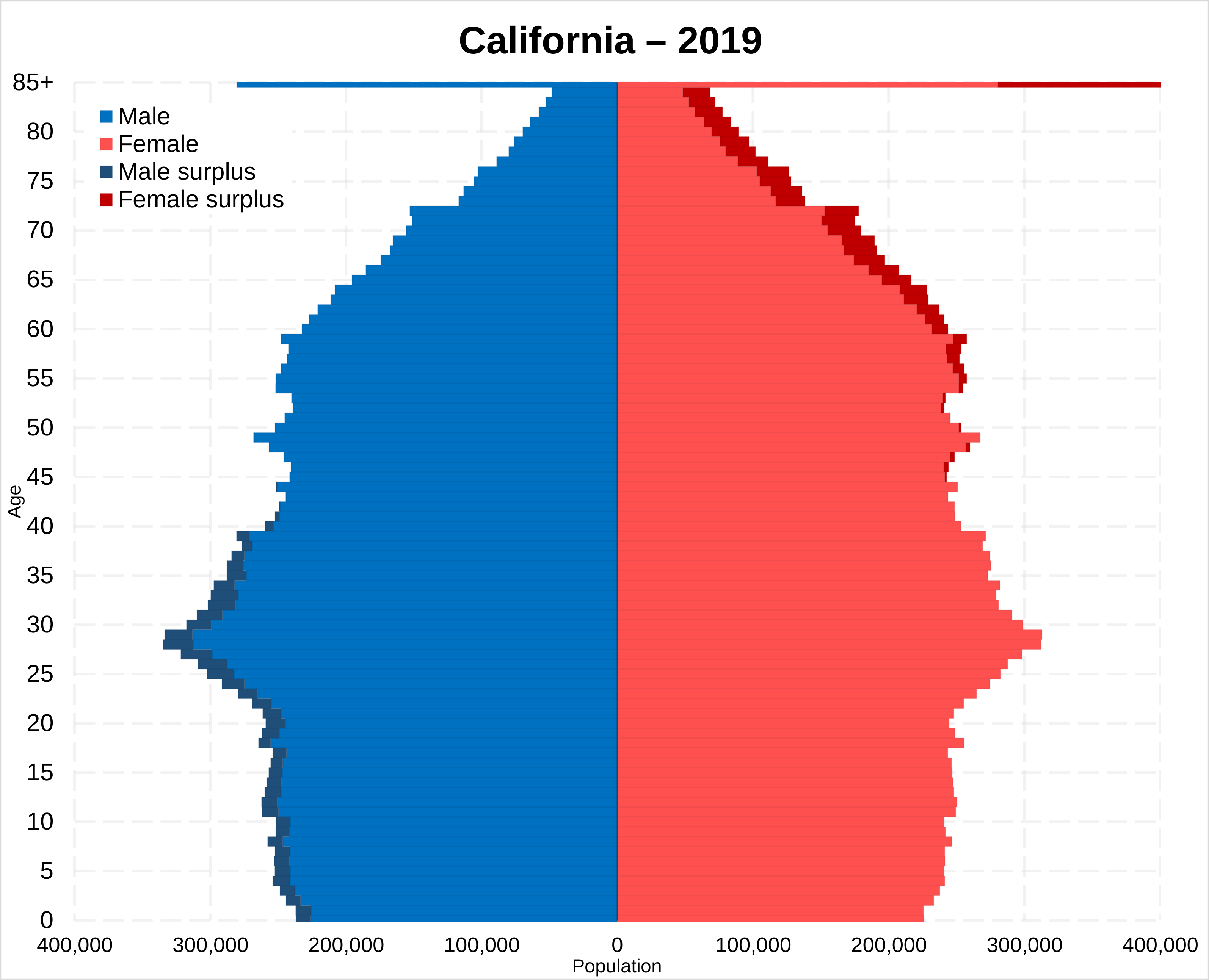
From the sun-drenched beaches of Southern California to the majestic redwoods of the north, and from the bustling tech hubs of the San Francisco Bay Area to the serene vineyards of Napa Valley, California’s millions of residents create an ecosystem of demand and supply that fuels an incredibly diverse range of experiences for both locals and visitors alike. This article delves into the profound implications of California’s population on its identity as a global travel destination, exploring how its demographics influence everything from the types of accommodations available to the landmarks that draw millions, and the lifestyles that define its unique appeal.
A Golden State of Diversity: Understanding California’s Population Landscape
California’s substantial population is defined not just by its size, but by its incredible diversity, which profoundly impacts its identity and its appeal to travelers. This demographic richness is a cornerstone of the state’s cultural fabric, economic strength, and multifaceted tourism offerings.
The Sheer Scale and Economic Power
With nearly 40 million residents, California’s population alone would rank it among the top 40 most populous countries in the world. This immense human capital underpins an economy that consistently ranks as one of the largest globally, rivaling entire nations. The sheer scale of its workforce and consumer base has made California a global leader in technology, entertainment, agriculture, and innovation. Major urban centers like Los Angeles, San Francisco, and San Diego serve as engines of this economic might, attracting talent and investment from across the globe. This economic vitality, in turn, creates a demand for sophisticated infrastructure, world-class amenities, and diverse services, including a robust tourism and hospitality sector designed to cater to both business and leisure travelers. The concentration of wealth and opportunity also fosters a lifestyle that often includes frequent travel, both within the state and internationally, further stimulating the industry.
Demographic Richness: A Melting Pot of Cultures
What truly sets California’s population apart is its extraordinary ethnic and cultural diversity. It is a true melting pot, with significant Hispanic/Latino, Asian, White, and Black populations, alongside a vibrant tapestry of other ethnic groups. This demographic richness translates directly into a captivating array of cultural experiences for visitors. In San Francisco, one can explore the historic streets of Chinatown, the oldest in North America, offering authentic cuisine, vibrant festivals, and unique shopping opportunities. Further south, Orange County boasts Little Saigon, the largest Vietnamese community outside of Vietnam, where visitors can immerse themselves in rich cultural traditions and savor incredible Vietnamese dishes.
Across Southern California, the influence of Mexican and Latin American cultures is deeply ingrained, manifesting in vibrant art scenes, flavorful culinary traditions, and lively celebrations like Dia de los Muertos. This multiculturalism isn’t confined to specific enclaves; it permeates the entire state, enriching its food scene, music, art, and daily life. For travelers, this means an unparalleled opportunity to experience a spectrum of global cultures without ever leaving the state, making every trip to California an adventure in cultural discovery. The blending of these diverse traditions creates a unique Californian identity that is constantly evolving and always welcoming.
Geographic Distribution and Urban Hubs
California’s population is not evenly distributed across its vast landscape; rather, it is concentrated in several prominent urban corridors, primarily along the coast. The largest concentration is found in the Greater Los Angeles Area, home to over 18 million people, encompassing Los Angeles County and surrounding areas. This sprawling metropolis is a global hub for entertainment, business, and culture. The San Francisco Bay Area, including cities like San Jose, Oakland, and San Francisco, is another major population center, renowned for its technology industry and iconic landmarks. Further south, the San Diego-Tijuana metropolitan area represents a significant binational population cluster, blending Californian and Mexican influences.
These dense urban hubs serve as the primary gateways for tourism, offering an abundance of attractions, dining options, and accommodation choices. They also serve as convenient starting points for exploring the state’s natural wonders. In contrast, California’s vast interior, including the Central Valley and mountainous regions, is significantly less populated. This geographic distribution creates distinct travel experiences: bustling city breaks in the coastal metropolises versus serene escapes into nature in the less populated areas. Understanding this distribution helps travelers plan their itineraries, allowing them to choose between vibrant urban exploration and tranquil wilderness adventures, often within a few hours’ drive.
The Population’s Influence on Travel, Tourism, and Landmarks
The substantial and diverse population of California plays a critical role in shaping its status as a premier global travel destination. The sheer number of residents, combined with their varied interests and economic power, creates a powerful ecosystem that drives demand for world-class attractions, fosters a vibrant culinary scene, and ensures the preservation and accessibility of its iconic landmarks.
Driving Demand for World-Class Attractions
With millions of residents looking for leisure and entertainment, California has developed an unparalleled array of attractions that cater to every taste. Theme parks, in particular, thrive on this large local population, becoming significant drivers of both domestic and international tourism. The Disneyland Resort in Anaheim, for instance, draws millions annually, with a substantial portion coming from within California itself, creating a constant buzz and ensuring continuous innovation in its offerings. Similarly, Universal Studios Hollywood in Los Angeles leverages its ties to the entertainment industry to attract a massive local and tourist audience eager to experience movie magic firsthand.
Beyond theme parks, California’s cities are home to world-class museums, art galleries, and cultural institutions that benefit from a large, engaged local populace. The Getty Center and the Los Angeles County Museum of Art (LACMA) in Los Angeles, and the De Young Museum and California Academy of Sciences in San Francisco, are just a few examples that draw significant crowds, showcasing everything from ancient artifacts to contemporary art and scientific marvels. These institutions are not only tourist draws but also vital components of the cultural lives of millions of Californians, ensuring their continued relevance and evolution.
From Urban Escapes to Natural Wonders
The dense population centers of California often create a natural yearning for escape and immersion in nature. Conveniently, many of the state’s most breathtaking natural landmarks are within a few hours’ drive of its major cities, making them popular destinations for both residents and tourists. Yosemite National Park, with its majestic granite cliffs, towering waterfalls, and ancient sequoia groves, is a testament to California’s natural grandeur and sees millions of visitors each year seeking solace and adventure in its pristine wilderness. Similarly, the rugged coastline of Big Sur offers dramatic ocean vistas and unparalleled scenic drives, attracting those seeking a serene retreat from urban life.
Further inland, the alpine beauty of Lake Tahoe provides year-round recreation, from skiing in winter to hiking and boating in summer, catering to the active lifestyles popular among Californians. The state’s extensive coastline also means that beach culture is deeply ingrained, with iconic spots like the Santa Monica Pier offering vibrant entertainment, while countless other beaches provide opportunities for surfing, sunbathing, and relaxation. The sheer volume of people seeking these experiences has led to robust infrastructure around these natural landmarks, including well-maintained trails, visitor centers, and a range of accommodation options, all designed to facilitate access while promoting conservation.

Culinary and Lifestyle Tourism Flourishing
California’s diverse population directly translates into one of the most vibrant and innovative culinary scenes in the world. The state’s multicultural demographic fuels a demand for authentic global cuisines, resulting in an extraordinary array of dining experiences, from Michelin-starred restaurants pushing gastronomic boundaries to humble food trucks serving up delicious street food. Cities like Los Angeles and San Francisco are renowned for their culinary innovation, attracting foodies from across the globe.
Beyond the urban centers, California’s famous wine regions, such as Napa Valley and Sonoma County, thrive on both local patronage and international tourism. These regions, home to hundreds of wineries, offer immersive experiences, from vineyard tours and wine tastings to gourmet dining, catering to a sophisticated clientele appreciative of fine wines and farm-to-table cuisine. The population also drives a strong focus on health, wellness, and outdoor activities, giving rise to a robust lifestyle tourism sector. Yoga retreats, surf camps, hiking tours, and wellness resorts are popular throughout the state, appealing to those seeking an active and rejuvenating escape. This focus on healthy living and quality experiences is intrinsically linked to the preferences and values of California’s millions of residents.
Accommodating Millions: California’s Diverse Lodging Landscape
Catering to a population of nearly 40 million, along with millions of annual visitors, necessitates a vast and incredibly diverse accommodation sector in California. The state’s lodging landscape is designed to meet every need, budget, and travel style, from luxurious resorts to budget-friendly hostels and everything in between.
Catering to Every Traveler’s Budget and Style
California’s hospitality industry is a testament to its ability to serve a wide range of preferences. For those seeking unparalleled luxury, resorts like the Four Seasons Hotels and Resorts and Ritz-Carlton properties in destinations like Beverly Hills or along the coast offer five-star service, exquisite dining, and opulent amenities. These establishments often cater to high-end leisure travelers, business executives, and those celebrating special occasions.
The mid-range market is robust, with countless hotels from major brands like Marriott, Hilton, and Hyatt offering comfortable stays, modern conveniences, and reliable service. These are popular choices for family trips, general tourism, and mid-level business travelers. For budget-conscious visitors, a plethora of motels, hostels, and extended-stay options are available, particularly in metropolitan areas and popular tourist towns, providing affordable yet clean and convenient lodging. Beyond traditional hotels, California also boasts a thriving boutique hotel scene, offering unique designs, personalized service, and distinct local flavor, appealing to travelers looking for more individualized experiences. Even glamping and unique cabin rentals in natural settings are increasingly popular, blending comfort with outdoor adventure.
The Rise of Vacation Rentals and Long-Term Stays
The digital age has revolutionized accommodation options, and California’s large population and dynamic travel market have fully embraced the rise of vacation rentals. Platforms like Airbnb, Vrbo, and countless local rental agencies offer everything from cozy apartments in urban centers to sprawling villas overlooking the ocean. These options are particularly appealing for families, groups, or travelers seeking a more authentic, local experience with amenities like full kitchens and multiple bedrooms.
Furthermore, California’s appeal as a center for innovation and lifestyle draws a significant number of digital nomads, project-based workers, and individuals contemplating relocation. This has fueled demand for long-term stay accommodations. Serviced apartments, extended-stay hotels, and long-term rental properties cater to those needing a home away from home for weeks or months, providing flexibility and convenience often unavailable in traditional hotel settings. The ability to cook one’s own meals and have more living space makes these options highly attractive for extended visits, blurring the lines between tourism and temporary residency.
Business and Conference Travel Hubs
California’s economic might and status as a global leader in multiple industries make its major cities prime locations for business travel, conferences, and conventions. Cities like San Francisco, Los Angeles, San Jose, and San Diego host thousands of industry events annually, drawing attendees from around the world. This necessitates a robust and sophisticated hotel infrastructure designed to support large-scale events. Convention centers like the Moscone Center in San Francisco, the Los Angeles Convention Center, and the San Diego Convention Center are surrounded by a myriad of hotels, ranging from luxury properties catering to executives to more modest options for other attendees. These hotels are often equipped with extensive meeting facilities, business centers, and amenities tailored to the needs of corporate travelers. The constant influx of business travelers ensures a steady demand for accommodation, driving investment and innovation in the hospitality sector.
Looking Ahead: Population Dynamics and Sustainable Tourism in California
The continued growth and shifts in California’s population present both challenges and opportunities for the future of travel and tourism within the state. As the population evolves, so too must the strategies for maintaining California’s appeal as a premier destination while ensuring its long-term sustainability.
Challenges and Opportunities
Managing the impact of nearly 40 million residents, plus a constant stream of visitors, on California’s delicate ecosystems and urban infrastructures is a significant challenge. Population density can lead to increased traffic, strain on resources, and potential environmental degradation if not managed carefully. Popular natural landmarks like Yosemite National Park or the beaches of Malibu face immense pressure from overuse. However, this challenge also presents an opportunity for innovative solutions.
California is at the forefront of sustainable tourism initiatives, with a strong emphasis on conservation efforts, responsible travel practices, and the development of eco-friendly accommodations. The large, environmentally conscious segment of its population often drives demand for these sustainable options, encouraging businesses to adopt greener practices. Opportunities also lie in diversifying tourism away from overcrowded hotspots, promoting lesser-known regions, and developing local experiences that benefit smaller communities. Investing in public transportation and promoting car-free travel in certain areas can also help mitigate the environmental impact of a large populace.

The Future of Travel in a Densely Populated State
The future of travel in California will likely see an increased emphasis on smart tourism, leveraging technology to enhance visitor experiences while managing crowds and resources. Personalized itineraries, real-time crowd management tools, and virtual reality experiences could become more prevalent, allowing travelers to explore the state more efficiently and responsibly. There will be a continued focus on eco-tourism and responsible travel, with visitors increasingly seeking authentic experiences that minimize their footprint and contribute positively to local communities. This includes supporting local businesses, engaging in cultural exchange, and participating in conservation efforts.
Furthermore, California’s diverse population will continue to inspire new forms of lifestyle tourism, catering to niche interests such as culinary tours focusing on specific ethnic cuisines, wellness retreats incorporating indigenous practices, or adventure travel exploring the state’s vast wilderness. The blend of a massive, dynamic population with forward-thinking policies and a rich natural and cultural heritage ensures that California will remain a fascinating and evolving destination, constantly adapting to serve its residents and visitors in new and sustainable ways.
In conclusion, the answer to “how many people are in the State of California?” extends far beyond a simple statistic. It represents a vibrant community of nearly 40 million individuals whose collective presence fundamentally shapes every aspect of the Golden State. From the bustling metropolises that drive innovation and demand for world-class accommodations to the diverse cultures that infuse its culinary scene and landmarks with unparalleled richness, California’s population is the ultimate determinant of its dynamic character. It is this human element that transforms a geographical region into a living, breathing tapestry of experiences, making California not just a place on the map, but a world-class destination driven by the lives and aspirations of its millions.
LifeOutOfTheBox is a participant in the Amazon Services LLC Associates Program, an affiliate advertising program designed to provide a means for sites to earn advertising fees by advertising and linking to Amazon.com. Amazon, the Amazon logo, AmazonSupply, and the AmazonSupply logo are trademarks of Amazon.com, Inc. or its affiliates. As an Amazon Associate we earn affiliate commissions from qualifying purchases.