
California, often referred to as the Golden State, conjures images of sun-kissed beaches, towering redwoods, vibrant cities, and endless opportunities. From the iconic landmarks of Los Angeles and San Francisco to the serene landscapes of Yosemite National Park and the world-renowned vineyards of Napa Valley, it’s a destination that attracts millions seeking both professional growth and an unparalleled lifestyle. For those considering a career as a medical assistant, California presents a dynamic and often lucrative environment. However, understanding the earning potential for medical assistants in this diverse state is crucial, especially when weighing it against the famously high cost of living and the desire to fully immerse oneself in the Californian way of life.
The role of a medical assistant is foundational to the healthcare system, providing essential administrative and clinical support in various medical settings. These professionals are the backbone of clinics, hospitals, and specialty practices, ensuring smooth operations and quality patient care. Their responsibilities can range from scheduling appointments and managing patient records to taking vital signs, assisting with examinations, and performing basic laboratory tests. In a state as health-conscious and populous as California, the demand for skilled medical assistants remains consistently high, promising a robust job market for qualified individuals. But what does this demand translate into in terms of salary, and how does that salary enable one to experience the rich travel, accommodation, and lifestyle opportunities that California offers? This comprehensive guide delves into the financial landscape for medical assistants across the Golden State, helping you navigate your career path with a clear understanding of its economic implications.
The Earning Potential: A Detailed Look at Medical Assistant Salaries in California
The salary of a medical assistant in California is generally higher than the national average, reflecting both the state’s overall higher cost of living and the robust demand for healthcare professionals. While exact figures can fluctuate based on various market dynamics and data sources, a clear picture emerges when examining typical salary ranges and the factors that influence them. Understanding these nuances is key for any aspiring or current medical assistant looking to maximize their earning potential and secure a comfortable lifestyle in this vibrant state.
Average Salaries Across the Golden State
On average, medical assistants in California can expect to earn a competitive wage. Entry-level positions might start around $38,000 to $42,000 annually, providing a solid foundation for those new to the field. As medical assistants gain experience and develop specialized skills, their salaries typically increase significantly. Mid-career professionals with a few years under their belt often see their earnings rise to the range of $45,000 to $55,000 per year. Highly experienced medical assistants, particularly those in specialized roles or supervisory positions, can command salaries upwards of $60,000 to $70,000 annually, and even higher in some of the state’s most affluent or in-demand areas.
These figures represent a significant advantage over the national average for medical assistants, which often hovers around $40,000 to $45,000. The premium paid in California acknowledges the economic realities of living in one of the most desirable — and expensive — places in the world. It’s also a testament to the high standards and quality of healthcare services expected throughout the state, from bustling urban medical centers to serene coastal clinics.
Factors Influencing Your Paycheck
Several critical factors contribute to the variation in medical assistant salaries across California:
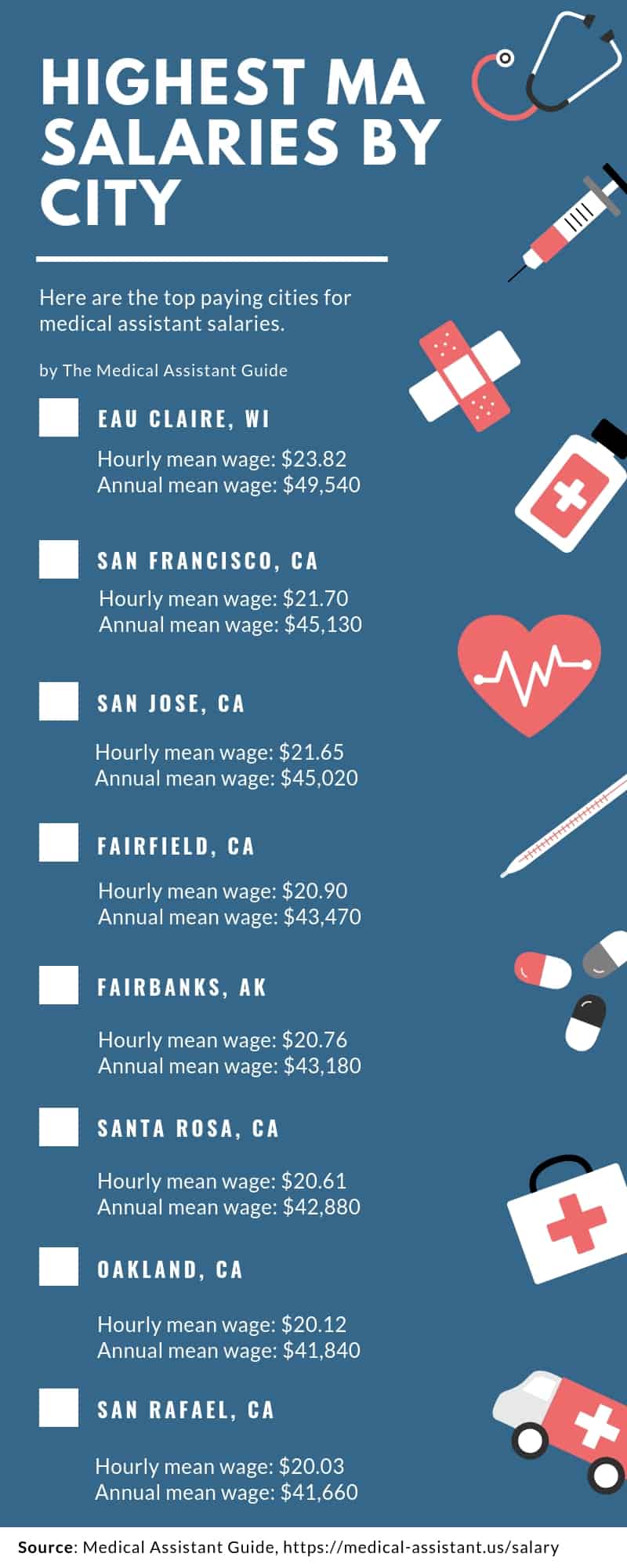
- Geographic Location: This is arguably the most significant determinant. Major metropolitan areas like San Francisco, San Jose, Los Angeles, Oakland, and parts of Orange County typically offer the highest salaries due to the elevated cost of living and concentration of high-paying healthcare facilities. For instance, a medical assistant in San Francisco might earn 15-20% more than their counterpart in a less expensive region like Sacramento or the Central Valley. While the higher pay is attractive, it must always be balanced against the corresponding increase in housing and daily expenses.
- Experience Level: As with most professions, longevity in the field directly correlates with higher earnings. Entry-level medical assistants focus on mastering fundamental skills, while those with five or more years of experience often take on more complex tasks, mentorship roles, or specialized duties, justifying a higher wage.
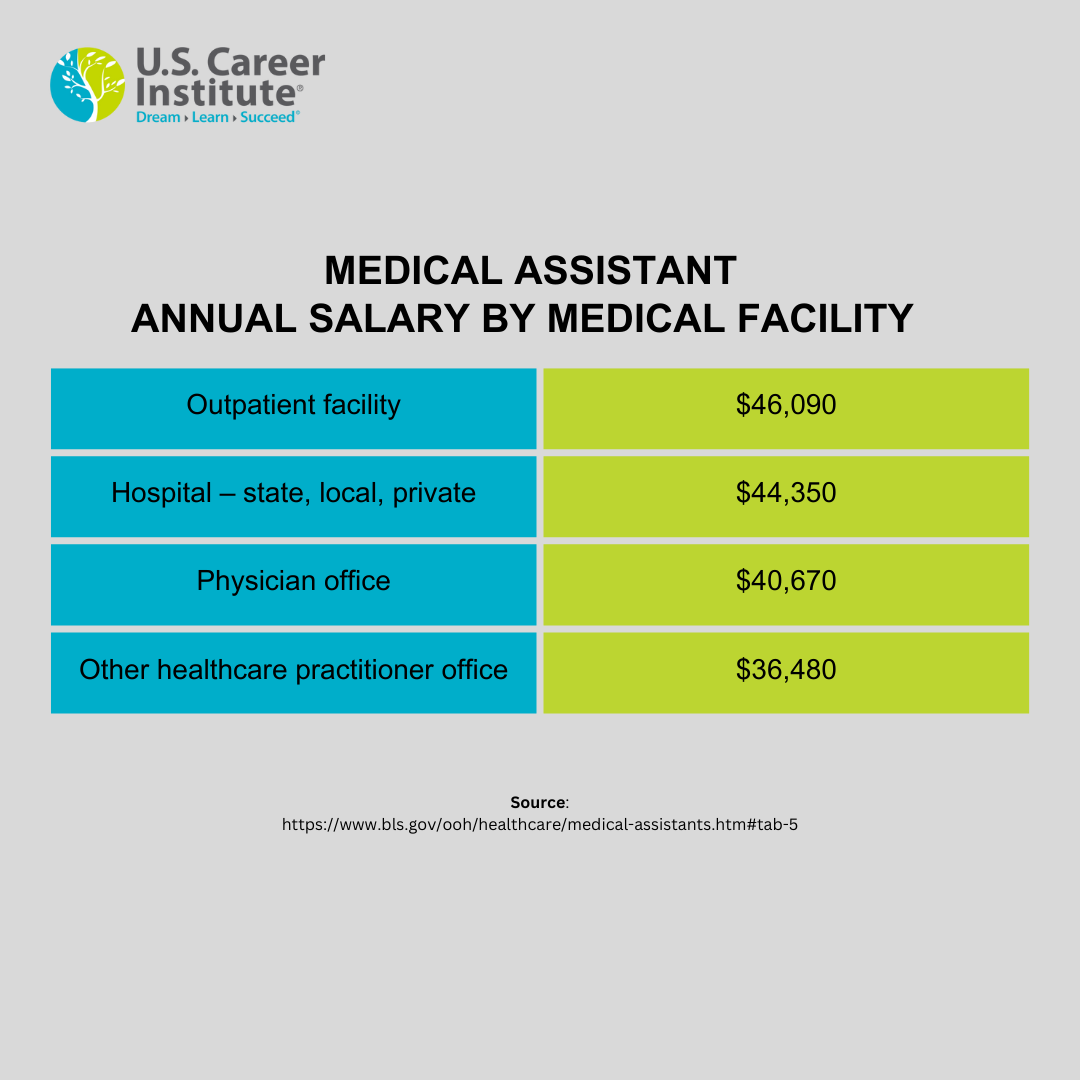
- Type of Healthcare Facility: The environment in which a medical assistant works plays a considerable role. Large hospitals and specialized medical centers, especially those affiliated with universities or major research institutions, often offer better compensation packages, including benefits, compared to smaller private practices or urgent care clinics. Working for a renowned institution, such as those in Silicon Valley, can be particularly rewarding.
- Specialization and Certifications: Medical assistants who specialize in a particular area, such as ophthalmology, dermatology, cardiology, or pediatrics, can command higher salaries. Specialized skills make them more valuable to niche practices. Furthermore, obtaining certifications beyond the basic requirements, such as Certified Clinical Medical Assistant (CCMA) or Certified Medical Administrative Assistant (CMAA), can significantly boost earning potential and career mobility. These certifications demonstrate a commitment to professional excellence and a broader skill set.
- Employer Size and Resources: Larger healthcare networks and organizations generally have more extensive budgets and can offer more competitive salaries and benefits packages than smaller, independent practices. These larger entities might also provide more opportunities for professional development and advancement.
Understanding these factors allows medical assistants to strategically plan their careers, from choosing where to live and work to investing in further education and specialization, all with the goal of achieving a desirable California lifestyle.
Navigating the Cost of Living: Salary vs. Lifestyle in California’s Diverse Regions

While medical assistant salaries in California are indeed competitive, the state’s notorious cost of living presents a significant challenge that prospective residents must carefully consider. From the bustling urban landscapes to the serene coastal towns, the financial implications of living in California vary dramatically. For a medical assistant, balancing their earnings with the expenses of accommodation, daily necessities, and leisure activities is crucial for enjoying the vibrant lifestyle that draws so many to the Golden State.
Urban Centers vs. Coastal Paradises
California’s diverse geography offers a spectrum of living experiences, each with its own price tag. The major metropolitan hubs, particularly in Northern California, are among the most expensive places to live in the world.
- San Francisco Bay Area: Cities like San Francisco, San Jose, and Oakland offer some of the highest medical assistant salaries, but also come with exorbitant housing costs. A one-bedroom apartment in these areas can easily cost $2,500-$3,500 per month, making it challenging for even well-paid medical assistants to live alone comfortably. Many opt for shared accommodation or longer commutes from more affordable neighboring towns. Despite the high costs, the cultural attractions, thriving food scene, and proximity to landmarks like the Golden Gate Bridge and Silicon Valley make it an incredibly desirable, albeit challenging, place to reside.
- Southern California: Los Angeles and Orange County present a similar, though often slightly less extreme, scenario. Salaries are strong, but rent for a modest apartment in popular areas like Santa Monica, Long Beach, or near major attractions like the Disneyland Resort can still be well over $2,000. However, the sprawling nature of Southern California means there are more diverse neighborhoods and suburban options, often requiring a commute but offering more affordable accommodation. The allure of the entertainment industry, diverse cuisine, and access to beaches and theme parks maintains its strong draw.
- Inland Empire and Central Valley: Regions like Riverside, San Bernardino, and Sacramento offer a more balanced cost-of-living-to-salary ratio. While medical assistant salaries might be a bit lower than in the coastal metros, the housing costs are significantly less. A one-bedroom apartment might be found for $1,500-$2,000, allowing for more disposable income. These areas still offer excellent lifestyle amenities, including proximity to state parks, rivers, and a more relaxed pace of life, making them attractive for those seeking more financial breathing room.
- San Diego: This popular coastal city strikes a balance. While housing costs are high, they are often slightly less intense than in San Francisco or parts of Los Angeles. Medical assistant salaries are robust, and the city’s exceptional quality of life—with its beautiful beaches, vibrant downtown, and proximity to natural attractions—makes it a top choice for many, even with the financial stretch.
Accommodation and Daily Expenses
Accommodation is typically the largest expense for medical assistants in California. Beyond rent or mortgage payments, utilities, transportation, and groceries also contribute significantly to the cost of living.
- Housing: Whether looking for a cozy apartment in Santa Monica or a family home in Irvine, understanding the local housing market is paramount. Many medical assistants choose to live further from their workplace to find more affordable housing, which then adds to transportation costs and commute times. Shared living arrangements are also common, particularly for those new to the state or in the early stages of their career. The quest for suitable accommodation can heavily influence where one chooses to settle down, impacting their daily routines and access to local amenities.
- Transportation: California is a car-centric state, and owning a vehicle often entails significant expenses for gas, insurance, and parking, especially in urban areas. While cities like San Francisco and parts of Los Angeles have public transit options, they may not cover all commute needs. For those dreaming of weekend trips to Big Sur or Lake Tahoe, a reliable car is almost a necessity, adding to the overall cost of a Californian lifestyle.
- Groceries and Dining: Food costs are generally higher in California than in many other states. However, the state’s agricultural bounty also means access to fresh, high-quality produce. Dining out, from casual eateries to luxury restaurants, can be a frequent and enjoyable part of the California experience, but it’s an expense that needs careful budgeting. For medical assistants, managing these daily costs effectively is key to ensuring that their competitive salary translates into a comfortable and enjoyable lifestyle, rather than just covering basic needs.
Ultimately, while a medical assistant’s salary in California offers strong earning potential, a strategic approach to living expenses and location choices is essential. By understanding the regional cost differences and making informed decisions about accommodation and daily spending, medical assistants can truly thrive and fully experience the Golden State’s unique appeal.
Career Growth and Lifestyle Opportunities for Medical Assistants
Beyond the immediate paycheck, a career as a medical assistant in California offers significant avenues for professional development, leading to enhanced earning potential and, crucially, the ability to embrace a fulfilling lifestyle rich with travel and leisure. The state’s dynamic healthcare industry, coupled with its unparalleled natural beauty and cultural attractions, provides a unique backdrop for those looking to balance a rewarding career with an adventurous life.
Professional Development and Specialization
The healthcare landscape in California is constantly evolving, creating continuous opportunities for medical assistants to advance their careers. Investing in professional development is a sure path to higher salaries and more specialized roles.
- Advanced Certifications: Medical assistants can pursue additional certifications in areas like phlebotomy, EKG technology, or specialized clinical procedures. These credentials not only make them more marketable but also qualify them for roles that demand specific expertise, often commanding higher wages. For example, a certified ophthalmic assistant in a specialized eye clinic in Beverly Hills might earn considerably more than a general medical assistant in a family practice.
- Specialized Fields: Focusing on a niche medical field can open doors to higher-paying positions. Medical assistants working in highly specialized clinics (e.g., plastic surgery, oncology, orthopedics) or research institutions often find their skills more valued and compensated accordingly. The concentration of advanced medical facilities in major Californian cities like Palo Alto and San Diego means there’s ample scope for such specialization.
- Leadership and Administrative Roles: With experience, medical assistants can transition into supervisory or administrative roles, such as lead medical assistant, office manager, or clinical coordinator. These positions come with increased responsibilities and often significantly higher salaries, requiring strong organizational and leadership skills.
- Continuing Education: Many medical assistants leverage their experience as a stepping stone to further their education, pursuing degrees in nursing (RN), physician assistant (PA) programs, or healthcare administration. California’s extensive network of community colleges and universities provides numerous pathways for such advancement, ultimately leading to substantially higher earning potential and a broader range of career options. The initial experience as a medical assistant provides invaluable practical knowledge for these advanced roles.
Exploring California’s Riches: Work-Life Balance
A competitive medical assistant salary in California, particularly when managed wisely against the cost of living, truly unlocks the state’s incredible lifestyle potential. It’s not just about earning a good wage, but about having the financial freedom and time to experience what makes California so unique.
- Local Tourism and Attractions: With a stable income, medical assistants can regularly enjoy California’s world-class attractions. Imagine weekend trips to the Hollywood Walk of Fame or Universal Studios Hollywood, exploring the diverse neighborhoods of San Diego, or spending a day at Santa Monica Pier. The financial stability allows for these cultural and entertainment experiences to become a regular part of life, rather than rare indulgences.
- Weekend Getaways and Nature Escapes: California is a paradise for outdoor enthusiasts. A good medical assistant salary can support weekend trips to places like Yosemite National Park, a drive down the stunning Big Sur coastline, wine tasting in Napa Valley, or skiing at Lake Tahoe. These experiences, often requiring travel and accommodation, become accessible. Booking a charming boutique hotel in Monterey or a cabin near Redwood National Park becomes a tangible luxury, enriching one’s life.
- Luxury and Budget Travel: The competitive salaries enable medical assistants to choose their travel style. They can opt for budget-friendly camping trips in Joshua Tree National Park or splurge on a resort stay in Palm Springs. The freedom to explore different travel experiences, whether it’s international adventures or local staycations, is a significant perk of a well-compensated career.
- Quality Accommodation: A strong salary also translates into better accommodation choices. While housing in California is expensive, a medical assistant earning a good wage can afford a comfortable apartment in a desirable neighborhood, or perhaps even consider homeownership in certain areas. This stability and quality of home life are fundamental to overall well-being and the ability to enjoy the state’s offerings.
In conclusion, a career as a medical assistant in California offers more than just a job; it provides a pathway to a fulfilling lifestyle. The competitive salaries, coupled with numerous opportunities for professional growth and the state’s unparalleled attractions, mean that with strategic planning and a passion for healthcare, medical assistants can build a rewarding career while fully embracing the vibrant and adventurous spirit of the Golden State. It’s a journey where professional dedication directly supports a life rich in experiences, travel, and personal growth, truly embodying the dream of California.
LifeOutOfTheBox is a participant in the Amazon Services LLC Associates Program, an affiliate advertising program designed to provide a means for sites to earn advertising fees by advertising and linking to Amazon.com. Amazon, the Amazon logo, AmazonSupply, and the AmazonSupply logo are trademarks of Amazon.com, Inc. or its affiliates. As an Amazon Associate we earn affiliate commissions from qualifying purchases.