
For travelers planning a visit to the breathtaking landscapes and vibrant cities of Arizona, a seemingly simple question often arises: “What time is Arizona?” While it might appear straightforward, the answer holds a fascinating quirk that sets the Grand Canyon State apart from most of the United States. Unlike many other regions that adjust their clocks twice a year for Daylight Saving Time (DST), Arizona largely opts out, maintaining a consistent time zone throughout the year. This unique approach to timekeeping is not merely a trivial detail but a crucial piece of information for anyone planning an itinerary, from booking flights and accommodation to scheduling tours and dining experiences.
This comprehensive guide will delve into the intricacies of Arizona’s time, explore the reasons behind its distinctive choice, and provide invaluable tips for navigating the state’s clock like a seasoned local. Whether you’re drawn by the majestic Grand Canyon, the vibrant arts scene of Sedona, the urban sprawl of Phoenix, or the historic charm of Tucson, understanding Arizona’s time zone will ensure a seamless and enjoyable journey through this captivating corner of the American Southwest.
The Grand Canyon State’s Timeless Stance: Understanding MST All Year
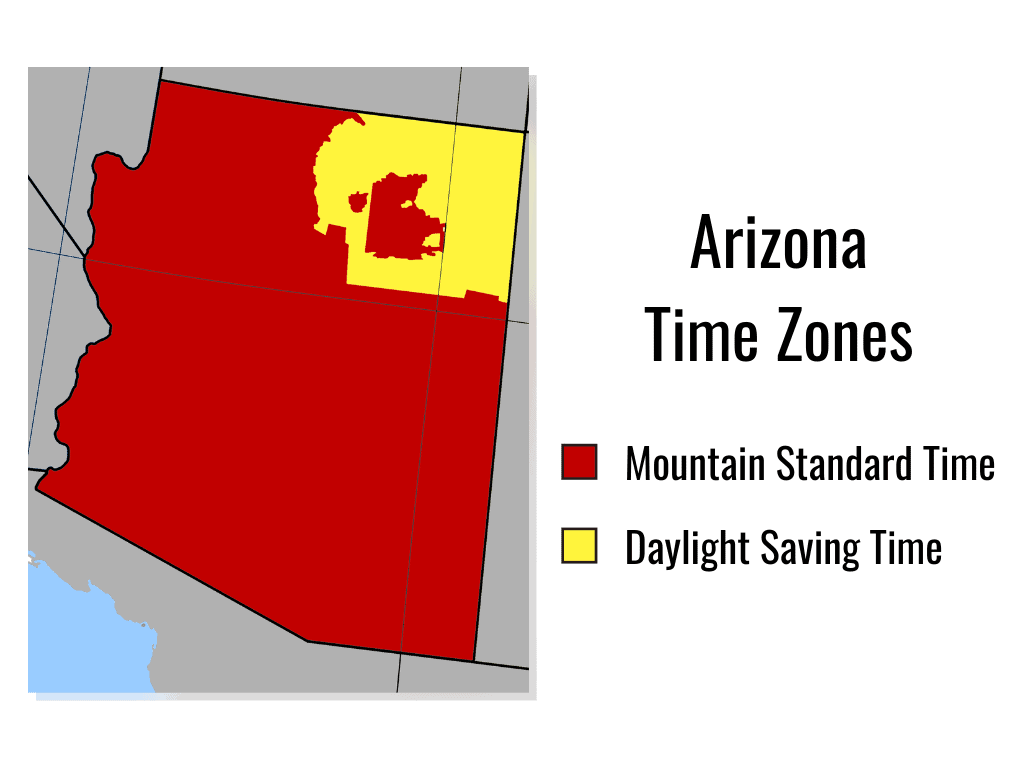
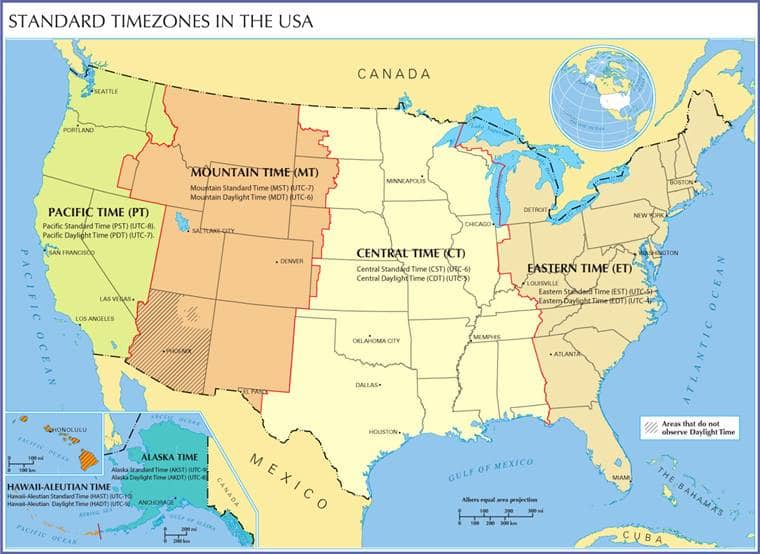
At the heart of Arizona’s time zone peculiarity is its unwavering commitment to Mountain Standard Time (MST) for the vast majority of the state. While regions that observe Daylight Saving Time “spring forward” an hour in March and “fall back” an hour in November, Arizona remains steadfast. This means that from the second Sunday in March until the first Sunday in November, Arizona’s time effectively aligns with Pacific Daylight Time (PDT), which is UTC-7. During the rest of the year, when most of the country reverts to standard time and Pacific Standard Time (PST) is observed, Arizona is then aligned with Mountain Standard Time, which is also UTC-7. Confusing? Perhaps, but the underlying principle is simple: Arizona never changes its clocks.
The decision to forgo Daylight Saving Time in Arizona stems from a practical and deeply rooted perspective, primarily influenced by the state’s intense desert climate. Summertime in Arizona sees scorching temperatures, with daily highs often exceeding 100 degrees Fahrenheit. If the state were to observe Daylight Saving Time, the sun would set an hour later, pushing already extreme daytime heat even further into the evening. For residents and visitors alike, this would mean enduring searing temperatures for longer periods, making outdoor activities, evening commutes, and even basic daily routines more uncomfortable and potentially hazardous. By sticking to Mountain Standard Time year-round, Arizona allows its mornings to start earlier and its evenings to cool down sooner, maximizing the more temperate parts of the day. This provides a tangible benefit for daily life, tourism, and energy conservation, as it reduces the demand for air conditioning during what would otherwise be the hottest part of the evening.
The Phoenix and Tucson Perspective
In major metropolitan areas like Phoenix, the capital and largest city, and Tucson, the second-largest, the consistent time zone simplifies daily life for millions. Commuters in Phoenix don’t have to adjust their schedules or internal clocks twice a year, contributing to a stable rhythm in a bustling urban environment. For tourists visiting the vibrant art scene, world-class golf courses, or luxurious resorts in Scottsdale or Paradise Valley, this means one less thing to worry about. When planning a trip to a Phoenix attraction like the Desert Botanical Garden or a spa treatment at a resort such as the Arizona Biltmore, A Waldorf Astoria Resort, you can be assured that the operating hours remain consistent relative to the local time, irrespective of the season.
Similarly, in Tucson, renowned for its Sonoran Desert beauty and rich cultural heritage, the lack of Daylight Saving Time enhances the visitor experience. Exploring Saguaro National Park or enjoying the unique flavors of Tucson’s UNESCO City of Gastronomy designation becomes more predictable. Hotels and accommodation providers, from boutique hotels to expansive resorts like The Ritz-Carlton, Dove Mountain, can maintain consistent check-in/check-out times and amenity schedules, offering clarity and convenience to guests. This consistency translates into a smoother, more relaxing experience for travelers focusing on enjoying their destinations rather than fretting over time changes.

The Navajo Nation’s Unique Approach
While the majority of Arizona remains on Mountain Standard Time year-round, there is one significant exception that travelers must be aware of: the Navajo Nation. This vast sovereign territory, which spans parts of northeastern Arizona, Utah, and New Mexico, does observe Daylight Saving Time. This means that for approximately eight months of the year, the Navajo Nation‘s clocks will be an hour ahead of the rest of Arizona.
This distinction is particularly important for those planning to visit iconic landmarks within the Navajo Nation, such as Monument Valley, Antelope Canyon, or parts of the Grand Canyon’s East Rim. When scheduling tours, making reservations for lodging or cultural experiences, or simply driving through the reservation, it is crucial to remember that the local time within the Navajo Nation will differ from the time in neighboring Flagstaff or Page, Arizona, during Daylight Saving Time months. For instance, if a tour for Antelope Canyon is booked for 9:00 AM, that refers to Navajo Nation time, which might be 8:00 AM for someone traveling from outside the reservation during summer. Always confirm times with tour operators or accommodation providers within the Navajo Nation to avoid missing appointments.
Practical Implications for Travelers and Tourists
Understanding Arizona’s time zone anomaly is more than just a fun fact; it has tangible implications for planning and enjoying your trip. From coordinating with family and friends to making reservations, a firm grasp of the state’s timekeeping will save you hassle and ensure smooth travels.
Planning Your Itinerary and Bookings
When traveling to Arizona, especially during the months when Daylight Saving Time is observed elsewhere, consider the following:
- Flights: Airline tickets will always reflect local time. If you’re flying from a state that observes DST, your flight arrival time in Arizona will effectively be an hour earlier than if Arizona also observed DST. For example, a flight departing Los Angeles (PDT) at 10:00 AM will arrive in Phoenix (MST) at 10:00 AM, even though the flight duration is typically around an hour. This “no time change” can sometimes make arrival feel earlier than expected.
- Hotel Check-ins/Check-outs: Hotels and resorts across Arizona will operate on Mountain Standard Time. So, if you’re arriving from a DST-observing state, mentally adjust your schedule to match Arizona’s clock to avoid missing your check-in window or being late for activities.
- Inter-state Travel: If your trip involves crossing state lines, particularly into Utah, Nevada, or New Mexico during DST, be prepared for a time change. For instance, driving from Page, Arizona (MST) to St. George, Utah (MDT), you’ll gain an hour when entering Utah. Conversely, entering Arizona from these states will mean losing an hour.
- Calendar Synchronization: Always set your mobile device’s time zone settings to “automatic” or specifically to Phoenix or “Arizona Time” to ensure it updates correctly and shows the accurate local time, even if you travel into the Navajo Nation or across state borders.
Dining, Attractions, and Local Experiences
The consistent Mountain Standard Time largely benefits tourists enjoying Arizona’s myriad attractions. Restaurant reservation times, opening hours for museums like the Heard Museum in Phoenix or the Pima Air & Space Museum in Tucson, and schedules for guided tours are stable year-round. This predictability allows for easier planning of activities, from early morning hikes in Sedona’s red rock country to stargazing tours in the dark skies of Flagstaff.
For those seeking unique experiences, consider the impact of Arizona’s time on natural phenomena. Sunrises and sunsets, particularly in summer, occur at a consistent clock time that feels earlier compared to DST-observing regions. This means earlier sunrises for capturing stunning morning light at the Grand Canyon or Monument Valley, and earlier sunsets for enjoying cool desert evenings without waiting until late into the night. It contributes to a more relaxed pace, allowing visitors to fully immerse themselves in the local culture, taste the authentic Southwestern cuisine, or simply unwind by a resort pool.
Exploring Arizona’s Timeless Beauty and Diverse Offerings
Beyond the unique time zone, Arizona beckons with an incredible array of destinations and experiences that cater to every type of traveler. The state’s diverse geography, rich history, and vibrant communities ensure that there’s always something new to discover, from ancient geological formations to modern urban luxuries.
Iconic Landmarks and Natural Wonders
Arizona is synonymous with natural splendor, home to some of the world’s most recognizable and awe-inspiring landmarks. The undisputed crown jewel is the Grand Canyon National Park, a colossal chasm carved by the Colorado River that stretches for 277 miles, boasting breathtaking vistas and unparalleled hiking opportunities. Visitors to the South Rim or the more secluded North Rim will find a spiritual connection to nature that transcends time.
Further north, within the Navajo Nation, lies Antelope Canyon, a mesmerizing slot canyon renowned for its flowing, wave-like rock formations and the ethereal light beams that penetrate its narrow openings. Nearby, the majestic sandstone monoliths of Monument Valley rise dramatically from the desert floor, an iconic landscape instantly recognizable from countless films and photographs. East of Flagstaff, the ancient volcanic field of Sunset Crater Volcano National Monument and the ancient pueblos of Wupatki National Monument offer glimpses into the region’s geological and human history.
Other natural wonders include the otherworldly petrified wood of Petrified Forest National Park, the saguaro cacti forests of Saguaro National Park outside Tucson, and the striking red rock formations of Sedona, famous for its spiritual vortexes and scenic hiking trails. Each of these sites offers a unique perspective on Arizona’s incredible geological past and present beauty, inviting visitors to experience moments that feel truly timeless.
Cities and Cultural Hubs
Beyond its natural marvels, Arizona also boasts vibrant cities and cultural centers that provide a different kind of allure. Phoenix, a sprawling metropolis, is a hub for business, luxury resorts, and a burgeoning culinary scene. Here, visitors can explore attractions like the Heard Museum, home to significant collections of Native American art, or experience the architectural marvel of Taliesin West, Frank Lloyd Wright’s desert masterpiece. Its affluent neighbor, Scottsdale, is synonymous with high-end shopping, world-class golf, and luxurious spa resorts such as the Four Seasons Scottsdale or The Phoenician. The charm of Old Town Scottsdale offers a glimpse into the city’s past with its Western storefronts and vibrant art galleries.
Tucson, with its rich Mexican and Native American influences, offers a more laid-back, artistic vibe. It’s known for its historic barrios, vibrant street art, and status as a UNESCO City of Gastronomy. Flagstaff, nestled among the ponderosa pines at the base of the San Francisco Peaks, serves as a gateway to the Grand Canyon and offers a cooler climate, ideal for hiking and winter sports. Further west, Yuma provides a taste of frontier history and a popular winter haven for snowbirds. From the historic stretch of Route 66 in Kingman to the charming mining town of Bisbee, Arizona’s cities offer diverse cultural experiences, historical insights, and contemporary amenities.
Accommodation and Lifestyle in Arizona: Tailoring Your Stay
Arizona’s appeal extends to its comprehensive range of accommodation options and lifestyle experiences, catering to every budget and travel style. The consistent time zone simplifies booking and planning, allowing travelers to focus on crafting their ideal Arizona adventure.
From Luxury Resorts to Budget-Friendly Stays
The state is particularly renowned for its world-class resorts, especially in the Phoenix/Scottsdale area and around Tucson. These establishments, like the Fairmont Scottsdale Princess or Enchantment Resort in Sedona, offer opulent suites, championship golf courses, rejuvenating spas, and an array of amenities designed for a luxurious escape. Many provide extensive family-friendly programs, making them ideal for those on family trips. For business travelers, Phoenix offers numerous high-end hotels and convention centers, ensuring seamless business stays with all the necessary comforts and services.
Beyond the resorts, Arizona presents a spectrum of choices, from charming boutique hotels in historic districts to vacation rentals and long-term stay apartments perfect for snowbirds or extended visits. Budget-conscious travelers can find excellent value in hotels and motels across cities like Flagstaff or Kingman, as well as numerous campgrounds and RV parks near national parks and forests. The state also offers unique accommodation experiences, such as glamping near the Grand Canyon or staying at a dude ranch for an authentic cowboy experience. With the consistent time, booking excursions, spa treatments, or dinner reservations at your chosen accommodation is always straightforward.
Tips for a Seamless Arizona Journey
To make the most of your Arizona trip, keep these lifestyle and travel tips in mind:
- Hydrate and Protect: Regardless of the time of year, the Arizona sun can be intense. Drink plenty of water, wear sunscreen, hats, and sunglasses, especially when engaging in outdoor activities.
- Embrace the Outdoors: Arizona is an outdoor paradise. Plan activities like hiking, mountain biking, kayaking on Lake Powell or the Colorado River, or exploring ancient ruins. The consistent time makes early morning starts for cooler temperatures easier to plan.
- Cultural Immersion: Take the opportunity to learn about the state’s rich Native American heritage by visiting tribal lands, museums, and cultural centers. Be respectful of local customs, especially when visiting the Navajo Nation, and remember their unique time zone.
- Culinary Exploration: Don’t leave without savoring Arizona’s unique Southwestern cuisine, a fusion of Mexican, Native American, and cowboy influences. From award-winning fine dining to authentic street tacos, the culinary scene is vibrant.
- Flexibility with Time Zones: While Arizona is mostly consistent, always double-check the local time, particularly if you are crossing into the Navajo Nation or neighboring states that observe Daylight Saving Time. When in doubt, ask a local!
In conclusion, “What time is Arizona?” is a question that unveils a distinctive aspect of this magnificent state. Its decision to largely forgo Daylight Saving Time is a practical adaptation to its climate, offering a unique consistency that benefits residents and travelers alike. By understanding this single rule and its exception in the Navajo Nation, visitors can effortlessly navigate the Grand Canyon State, ensuring that every moment spent exploring its natural wonders, engaging with its culture, and relaxing in its welcoming accommodations is truly timeless.
LifeOutOfTheBox is a participant in the Amazon Services LLC Associates Program, an affiliate advertising program designed to provide a means for sites to earn advertising fees by advertising and linking to Amazon.com. Amazon, the Amazon logo, AmazonSupply, and the AmazonSupply logo are trademarks of Amazon.com, Inc. or its affiliates. As an Amazon Associate we earn affiliate commissions from qualifying purchases.