
For anyone planning a memorable road trip, a luxurious escape, or even a budget-friendly family adventure across the Golden State, understanding the intricacies of the California gas tax is not just a detail – it’s a crucial component of your travel budget and overall experience. Known for its breathtaking scenic routes, from the rugged coastline of Big Sur to the majestic peaks of the Sierra Nevada, California beckons millions of travelers each year. However, the price at the pump often comes as a surprise, making California a state with some of the highest fuel costs in the United States. This comprehensive guide delves into the structure of California’s gas tax, its impact on your travel plans, and strategies to navigate fuel expenses while exploring this magnificent destination.
Understanding California’s Gas Tax Structure
The seemingly high price of gasoline in California is a complex interplay of various taxes and fees, far beyond just the wholesale cost of fuel. For travelers accustomed to gas prices in other parts of the country, the sticker shock in California can be significant. It’s essential to break down what contributes to these elevated costs to better prepare for your journey, whether you’re cruising down the Pacific Coast Highway or exploring the vibrant cities of Los Angeles and San Francisco.
The State Excise Tax: The Foundation
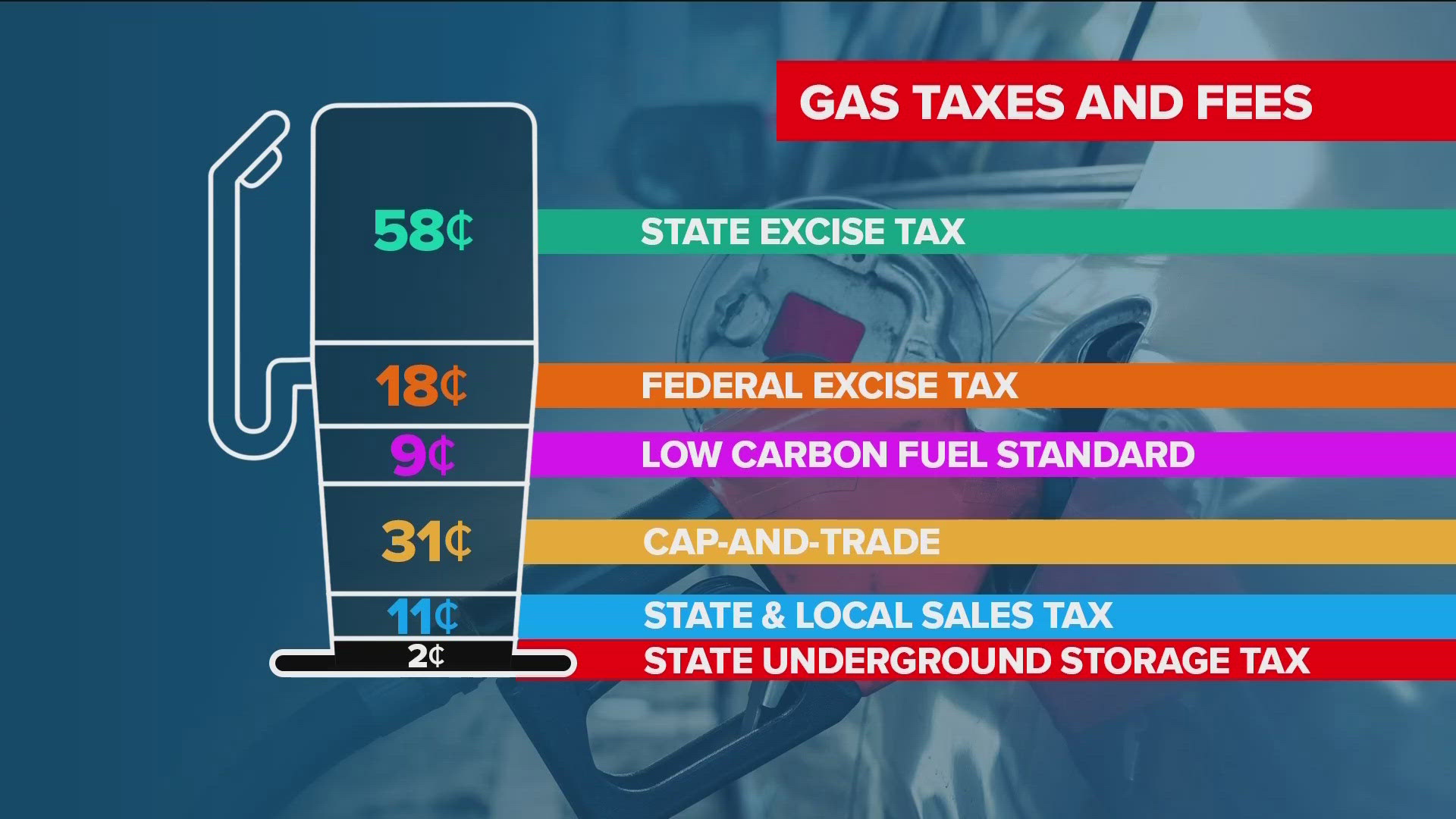
At the core of California’s gas tax is the state excise tax, which is a fixed per-gallon fee levied on gasoline. This is the primary mechanism through which the state generates revenue from fuel consumption. Unlike sales taxes, which are a percentage of the purchase price, the excise tax is a flat rate regardless of the fuel’s market value. Currently, California’s gasoline excise tax is one of the highest in the nation, often exceeding $0.50 per gallon. This significant charge directly impacts the final price you see at the pump. The funds collected from this tax are predominantly earmarked for critical transportation infrastructure projects, ensuring the maintenance and improvement of the very roads you’ll be driving on during your travels. Understanding this foundational tax helps contextualize why fuel costs are higher here than in many other states.
Sales Tax, Local Taxes, and Other Fees
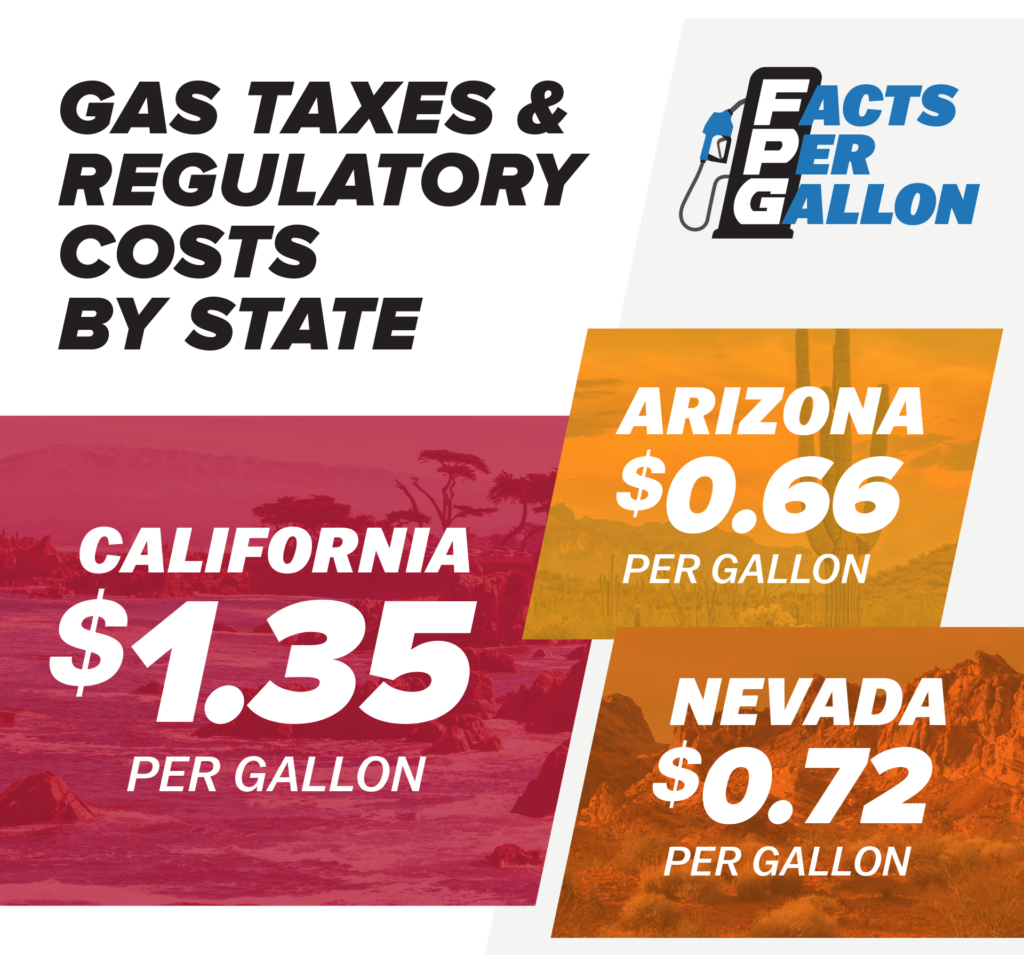
Beyond the state excise tax, several other layers of taxation contribute to California’s high gas prices. These include a state sales tax, which is applied to the retail price of gasoline, adding another percentage-based charge. Additionally, some local jurisdictions, such as specific counties or cities, may impose their own sales taxes or other fees, further inflating the final cost. These local levies can vary depending on where you are fueling up, meaning that a gallon of gas in Santa Monica might carry a slightly different total tax burden than one in Sacramento.
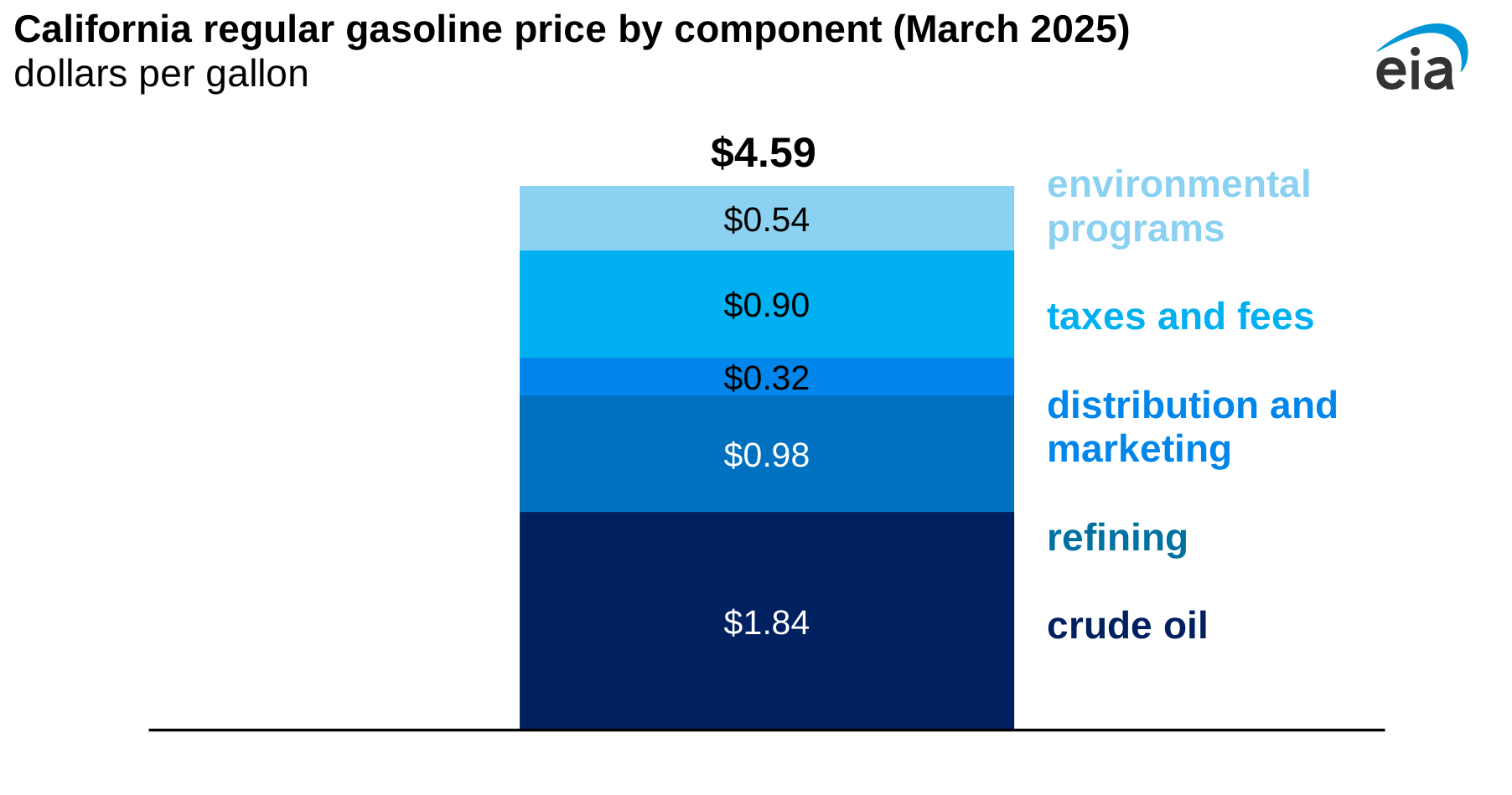
Moreover, California also has a cap-and-trade program designed to reduce greenhouse gas emissions, and the cost of compliance for fuel refiners is often passed on to consumers in the form of higher fuel prices. There are also underground storage tank fees and other minor environmental charges that factor into the pump price. All these combined taxes and fees mean that a substantial portion of what you pay at the gas station goes directly to various state and local coffers, ultimately funding everything from road repairs to environmental initiatives. For travelers, this multi-layered taxation underscores the importance of factoring fuel costs accurately into their overall travel budget.
How the Rate is Determined and Adjusted
The rate of California’s gas tax is not static; it is subject to annual adjustments. Legislation passed in 2017, known as the Road Repair and Accountability Act (Senate Bill 1), established a mechanism for indexing the gas excise tax to inflation. This means that the rate automatically adjusts each July 1st to keep pace with the rising cost of construction and maintenance, ensuring a stable funding source for transportation projects. These adjustments, while often small on a per-gallon basis, accumulate over time and contribute to the gradual increase in fuel prices. Understanding that these adjustments are part of an ongoing effort to maintain and improve the state’s vast transportation network provides context for the dynamic nature of gas prices in California. For travelers, it simply means that the gas price you budgeted for last year might not be the same this year, necessitating a quick check on current rates before embarking on your journey.
The Impact of Gas Taxes on California Travel & Tourism
California’s higher gas taxes have a tangible impact on travel and tourism within the state, influencing everything from destination choices to the overall budget for a trip. For a state that thrives on road trips and exploration, fuel costs are a critical consideration for both domestic and international visitors.
Budgeting for Your California Road Trip
A quintessential California experience often involves a road trip – whether it’s a leisurely drive along the Pacific Coast Highway, an epic journey through Yosemite National Park, or a cultural exploration from San Francisco to San Diego. However, high gas prices necessitate careful budgeting. What might cost $50 to fill up in some states could easily cost $80-$100 or more in California. This means that a significant portion of a traveler’s budget, especially for longer itineraries, must be allocated to fuel.
When planning your trip, consider estimating your total mileage and then calculating your expected fuel costs based on your vehicle’s fuel efficiency and California’s prevailing gas prices. This proactive approach helps avoid financial surprises and ensures you have enough funds to enjoy other aspects of your trip, such as dining at local restaurants, visiting attractions like Disneyland in Anaheim or Universal Studios Hollywood, or booking comfortable accommodation, from boutique hotels in Napa Valley to charming resorts in Palm Springs. Smart budgeting for gas allows for a more relaxed and enjoyable travel experience, preventing the need to cut back on other activities or extend your stay.
Exploring Iconic Destinations: Cost Considerations
The elevated cost of fuel can influence how travelers approach visiting California’s myriad iconic destinations. For instance, exploring the vastness of Death Valley National Park or the towering trees of Sequoia National Park often involves significant driving within the parks themselves, adding to the fuel burden. Similarly, a multi-city tour visiting Los Angeles, San Francisco, and Lake Tahoe will rack up considerable mileage.
Travelers might opt for more concentrated itineraries, focusing on regions like Orange County or the Monterey Peninsula, to minimize long-distance driving. Alternatively, some might choose to spend less on accommodation by selecting budget-friendly hotels or vacation rentals, freeing up funds for gasoline. The gas tax indirectly encourages travelers to think strategically about their routes, potentially favoring destinations with better public transportation options, such as downtown San Francisco, where walking and BART (Bay Area Rapid Transit) can significantly reduce reliance on a personal vehicle to explore sites like the Golden Gate Bridge or Alcatraz Island.
Lifestyle Choices: From Luxury to Budget Travel
The gas tax also plays a role in the broader lifestyle of travel within California. For luxury travelers, while the cost of gas might be a minor inconvenience, it’s still a noticeable expense that can add hundreds of dollars to a week-long trip, especially if they are renting high-performance vehicles. For budget travelers or families, however, the impact is much more profound. It might mean the difference between staying an extra night at a hotel, enjoying an additional attraction, or dining out versus packing picnics.
Families planning a trip to destinations like Disneyland or exploring the historical charm of Hollywood must meticulously account for every dollar. The higher gas prices can sometimes push travelers to reconsider their mode of transport, perhaps exploring carpooling options, utilizing ride-sharing services for shorter distances, or even looking into RV rentals that offer accommodation and transport in one package, though RVs are typically less fuel-efficient. Ultimately, the gas tax shapes a traveler’s lifestyle choices on the road, prompting more conscious decisions about how they explore the diverse landscapes and vibrant cities California has to offer.
The Purpose and Evolution of California’s Fuel Taxes
While the immediate impact of high gas prices on personal budgets is undeniable, it’s equally important to understand the broader context and purpose behind California’s fuel taxes. These taxes are not simply revenue generators; they are strategic investments in the state’s future, particularly concerning its infrastructure and environmental goals.
Funding Infrastructure: Roads, Bridges, and Public Transit
The primary purpose of California’s gas tax is to fund the state’s extensive transportation infrastructure. With over 50,000 lane miles of state highways and thousands of bridges, maintaining and improving this network is a colossal and continuous undertaking. The revenue generated from gas taxes is crucial for paving roads, repairing bridges, expanding freeways, and enhancing public transportation systems. For travelers, this means that while you pay more at the pump, you are also contributing to the very infrastructure that makes your journey smoother and safer.
Consider a drive along Route 66 segments in California or the modern freeways connecting San Jose to San Francisco. These roads require constant upkeep, and the gas tax ensures a dedicated funding stream. Furthermore, a portion of these funds supports public transit projects, offering alternatives to driving, particularly in densely populated areas like Los Angeles. This long-term investment ensures that California remains accessible and navigable for both residents and the millions of tourists who flock to its attractions annually.
Historical Context and Legislative Changes
The current gas tax structure in California is the result of decades of legislative actions and public policy debates. Historically, fuel taxes have been the backbone of transportation funding across America. In California, significant changes occurred with the passage of the Road Repair and Accountability Act of 2017 (SB 1). This landmark legislation increased the gas excise tax, established the annual inflation adjustment, and also raised vehicle registration fees. The stated goal was to address a massive backlog of deferred maintenance on the state’s roads and bridges, estimated to be in the tens of billions of dollars.
Before SB 1, California’s transportation funding mechanism was often criticized as insufficient and unreliable. The legislative changes aimed to create a stable, long-term funding solution. While the increases were met with debate, proponents emphasized the necessity of these funds to prevent further deterioration of infrastructure, improve safety, and reduce congestion. Understanding this historical context helps shed light on why the gas tax is structured the way it is today and why it remains a contentious but vital part of the state’s economic and infrastructural planning. For travelers, it represents the ongoing effort to maintain the high quality of roads needed to explore diverse California attractions, from national parks like Redwood National Park to bustling city centers.
Navigating High Gas Prices: Strategies for Travelers
While California’s gas tax may seem daunting, there are practical strategies travelers can employ to mitigate its impact and ensure their trip remains enjoyable and within budget. Being proactive and informed can make a significant difference in your overall travel expenses and experience.
Smart Driving Habits and Vehicle Maintenance
One of the most effective ways to save on gas is through smart driving habits. Smooth acceleration and deceleration, maintaining a consistent speed, and avoiding excessive idling can significantly improve your vehicle’s fuel efficiency. Aggressive driving, with rapid starts and stops, can reduce fuel economy by 15% to 30% at highway speeds and 10% to 40% in stop-and-go traffic. Using cruise control on highways, especially during long stretches on routes like I-5, can also help maintain optimal fuel consumption.
Additionally, ensuring your vehicle is well-maintained is crucial. Properly inflated tires can improve gas mileage by up to 3%. Regular engine tune-ups, checking and replacing air filters, and using the recommended grade of motor oil all contribute to better fuel economy. If you’re renting a car, inquire about fuel-efficient models, as even small differences in MPG can add up over hundreds or thousands of miles across California’s expansive landscapes. These seemingly minor adjustments can collectively lead to substantial savings, allowing more of your budget to be spent on experiences rather than fuel.
Leveraging Technology to Find Affordable Fuel
In the age of smartphones, finding the cheapest gas prices is easier than ever. Numerous apps and websites are dedicated to tracking real-time fuel prices at stations across the country, including California. Services like GasBuddy, Waze, or even Google Maps often provide price comparisons, allowing you to locate the most affordable fuel stops along your route. This is particularly useful when traveling through less populated areas or when approaching major cities where price variations can be significant.
Planning your fuel stops in advance, perhaps by identifying towns known for slightly lower gas prices (often away from major highway exits or tourist hotspots), can lead to noticeable savings. Filling up before entering national parks or remote areas, where gas stations are scarce and prices are typically higher, is another smart tactic. By strategically utilizing these digital tools, travelers can make informed decisions about when and where to refuel, effectively counteracting some of the impact of California’s higher gas taxes.
Considering Alternatives: Public Transport and EVs
For some travelers, especially those focusing on urban exploration or environmental consciousness, considering alternatives to traditional gasoline-powered vehicles can be a viable strategy. California’s major cities like San Francisco, Los Angeles, and San Diego offer extensive public transportation networks, including buses, light rail, and subway systems. Utilizing these can save on both gas and parking fees, which can also be substantial in urban centers.
Another growing alternative is electric vehicles (EVs). California has the largest EV market in the United States and an ever-expanding charging infrastructure. Renting an EV for your trip, or if you own one, bringing it along, can significantly reduce or even eliminate gasoline expenses, trading them for potentially lower electricity costs. While planning for charging stops is necessary, the long-term savings on fuel and the environmental benefits can be compelling. This lifestyle choice aligns with California’s progressive environmental policies and offers a distinct travel experience, demonstrating that navigating the gas tax doesn’t always mean just finding the cheapest pump; it can also involve choosing a different path altogether.
In conclusion, while the question “How much is California gas tax?” reveals a higher cost compared to many other places, understanding its components, purpose, and impact empowers travelers to plan smarter. With strategic budgeting, smart driving, technological aids, and consideration for alternative transport, your dream trip through the Golden State can be as incredible and manageable as you envision, allowing you to focus on the unforgettable experiences California has in store.
LifeOutOfTheBox is a participant in the Amazon Services LLC Associates Program, an affiliate advertising program designed to provide a means for sites to earn advertising fees by advertising and linking to Amazon.com. Amazon, the Amazon logo, AmazonSupply, and the AmazonSupply logo are trademarks of Amazon.com, Inc. or its affiliates. As an Amazon Associate we earn affiliate commissions from qualifying purchases.