
Embarking on a journey through the Golden State, whether you’re a seasoned traveler, a new resident, or an adventurous tourist, often involves navigating a landscape of practicalities. Among the most fundamental, yet frequently overlooked, aspects is the need for official identification. While the question “How much is it for a California ID?” might seem straightforward, its answer unlocks a deeper understanding of how this essential document facilitates everything from seamless travel to enjoying California’s vibrant lifestyle and diverse attractions. Far from a mere formality, a California ID is your key to unlocking experiences, securing accommodations, and confidently navigating the myriad opportunities presented by one of the United States’ most iconic states.
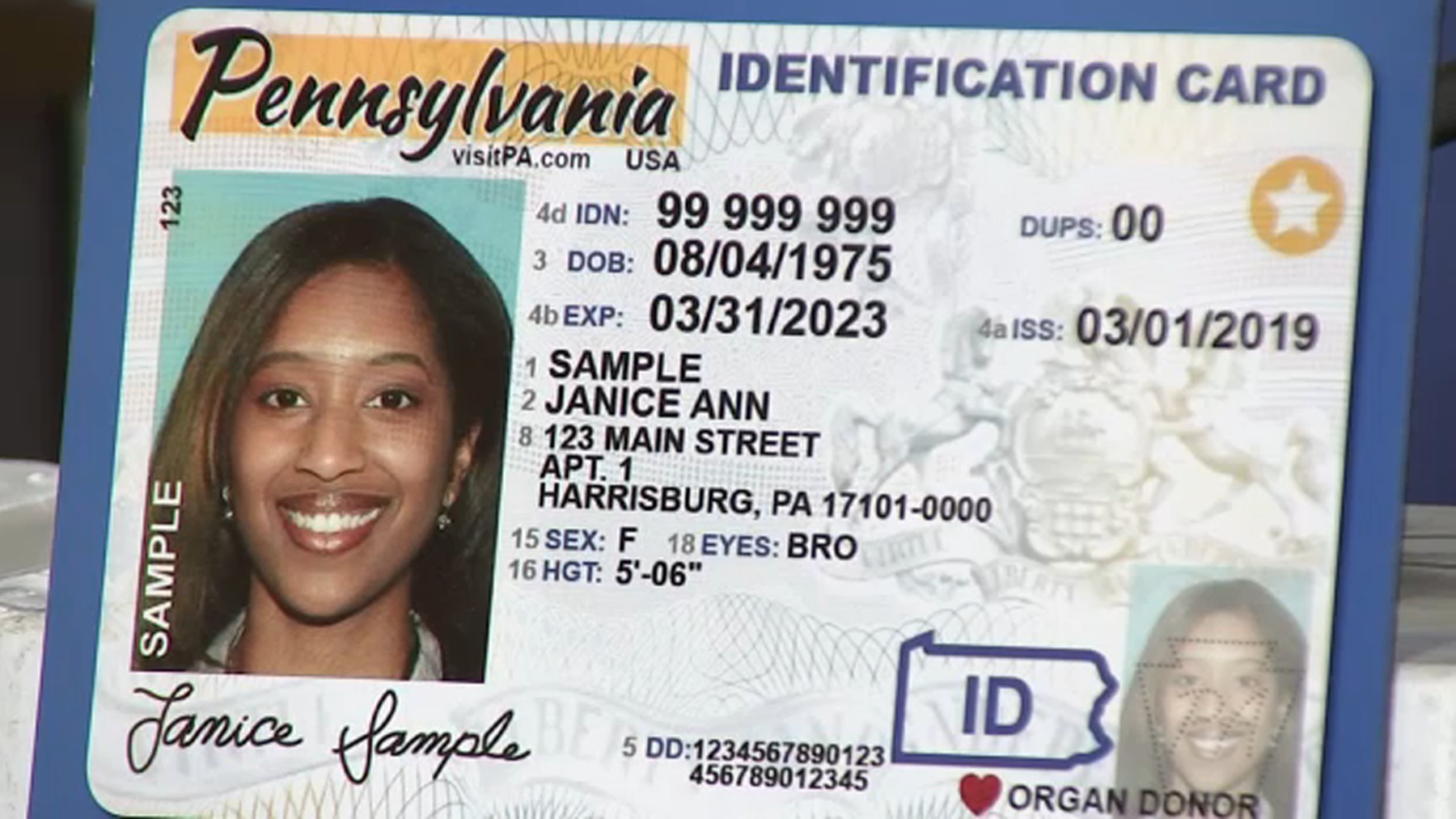
The cost of obtaining a California ID is relatively modest, designed to be accessible to a wide range of individuals. However, the true value of this card extends far beyond its initial fee, acting as a crucial tool for identification, age verification, and access in various scenarios. In an era where domestic air travel and many official transactions require enhanced security measures, understanding the different types of IDs available and their associated benefits is paramount. This article will delve into the specific costs, the application process, and most importantly, the indispensable role a California ID plays in enriching your travel, tourism, and lifestyle experiences within California.
Unpacking the Costs: Standard vs. REAL ID
When considering the expense of a California ID, it’s important to differentiate between the standard identification card and the REAL ID compliant version. While both serve as official proof of identity within the state, the REAL ID carries additional weight, particularly for those who frequently fly domestically or access federal facilities. The fees are set by the California Department of Motor Vehicles (DMV) and are subject to change, so always check the official DMV website for the most current information.
The Standard California ID Fee
For most individuals seeking a basic identification card, the standard California ID is available at a nominal cost. As of recent updates, this fee typically falls within the $30 to $40 range. This card is perfectly adequate for general identification purposes within California, such as proving your age for purchasing alcohol or tobacco, accessing certain venues, or conducting various personal transactions that don’t require federal-level verification. It’s a convenient and widely accepted form of identification for everyday life and local tourism activities, ensuring smooth experiences whether you’re checking into a local hotel in Santa Barbara or renting equipment for a day at Lake Tahoe.
REAL ID: Enhanced Security for Travelers
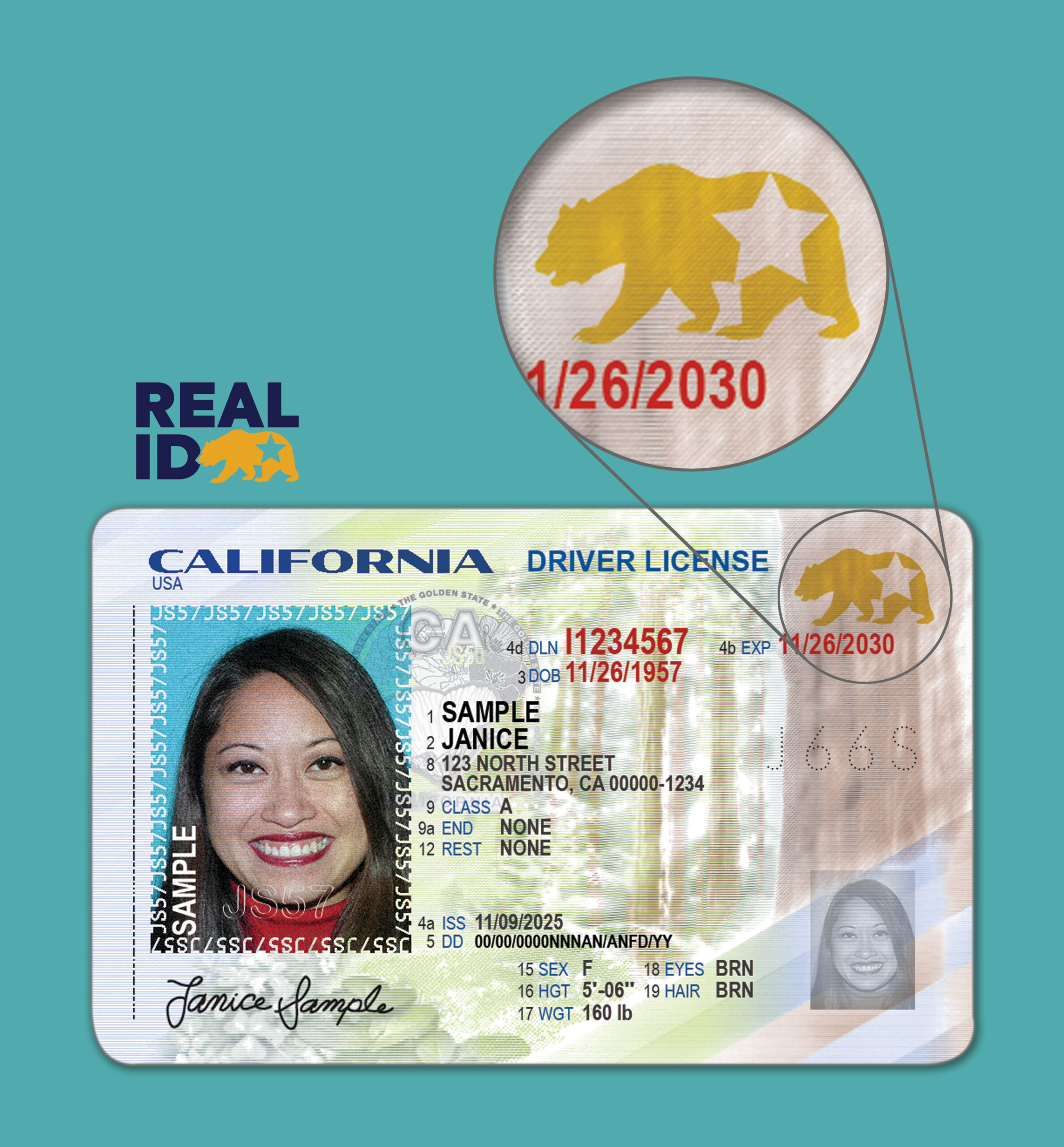
The REAL ID Act, passed by Congress in 2005, established minimum security standards for state-issued driver’s licenses and identification cards and prohibits federal agencies from accepting for certain purposes driver’s licenses and identification cards from states that do not meet these standards. For Californians, this means that a REAL ID compliant card is necessary for domestic air travel (beginning May 7, 2025, unless extended) and for entering secure federal facilities, such as military bases or federal courthouses.
The fee for a REAL ID compliant California ID is generally the same as that for a standard California ID, typically within the $30 to $40 range. The primary difference lies not in the cost, but in the additional documentation required during the application process and the enhanced security features embedded within the card itself. For those who frequently travel, or plan an itinerary that involves flying between Los Angeles and San Francisco to explore attractions like Universal Studios Hollywood or the California Academy of Sciences, investing in a REAL ID is a wise and often necessary decision.
Potential Additional Costs and Renewals
While the initial application fee covers the issuance of your California ID, it’s important to be aware of other potential costs. These might include fees for replacing a lost or stolen ID, which are usually lower than the initial application fee, or the cost of renewal. California IDs typically need to be renewed every five years. The renewal fee generally mirrors the initial application fee. Furthermore, if you opt to receive a temporary paper ID while waiting for your permanent card to arrive by mail, there’s usually no additional charge for this service. However, for those needing expedited services or special handling, the DMV does not typically offer such options for standard ID cards, making careful planning essential.
Beyond the Price Tag: Why a California ID is Essential for Travelers and Newcomers
The cost of a California ID is minimal compared to the immense value it provides, particularly for those exploring the state or establishing new roots. This small card acts as a cornerstone for countless activities, making your travel and lifestyle in California far more convenient and secure. From navigating bustling airports to checking into luxurious resorts and experiencing local culture, a California ID is an indispensable asset.
Seamless Travel and Airport Security
Perhaps one of the most compelling reasons for obtaining a California ID, especially the REAL ID compliant version, is its role in facilitating seamless domestic travel. The Transportation Security Administration (TSA) requires a REAL ID compliant driver’s license or state ID, or another acceptable form of identification, for boarding federally regulated commercial aircraft. Without it, travelers could face significant delays or even be denied boarding. This makes the California REAL ID crucial for visitors flying into Los Angeles to visit Disneyland, or moving between different Californian cities for business or pleasure. It simplifies the airport security process, allowing you to focus on your destination rather than identification woes.
Booking Accommodation and Tourist Activities
A valid ID is universally required for booking accommodation across California. Whether you’re reserving a suite at a Marriott International property in San Diego, checking into a cozy Travelodge along the Pacific Coast Highway, or picking up keys for an Airbnb apartment in Palm Springs, your California ID serves as primary identification. It ensures a smooth check-in process, verifying your reservation details and securing your stay.
Beyond hotels and resorts, many popular tourist activities and experiences also require valid identification. This includes renting a car to explore Big Sur, participating in wine tastings in Napa Valley, or entering age-restricted entertainment venues in Los Angeles or San Francisco. For travelers, this means less hassle and more enjoyment, as their California ID is readily accepted as proof of identity and age.
Exploring California’s Diverse Landscapes and Attractions
California is a treasure trove of landmarks, from natural wonders like Yosemite National Park to architectural marvels such as the Golden Gate Bridge and cultural institutions like the Getty Center. While many attractions are open to all, some may require identification for various reasons, including security, age verification for certain exhibits, or for discounts offered to California residents.
For those planning an extensive tour of California’s state parks or federal national parks, a California ID can streamline entry processes, especially if applying for resident-specific passes or benefits. It empowers you to fully immerse yourself in the diverse experiences California offers, from surfing lessons on the coast to hiking trails in the Sierra Nevada.
Enhancing Your California Lifestyle
For newcomers establishing a life in California, a California ID is more than just a convenience; it’s a foundational document. It’s often required for opening a bank account, signing up for utilities, registering for local services, or even obtaining a library card. Without a valid state-issued ID, these seemingly simple tasks can become cumbersome, hindering your ability to fully integrate into your new community.
Furthermore, a California ID facilitates a smoother daily lifestyle, enabling quick and easy age verification for purchases, access to local events, and interactions with various businesses and public services. It reduces the need to carry other, potentially more sensitive, forms of identification, offering a practical and secure way to prove who you are as you navigate life in the Golden State.
The Application Process: Navigating the DMV for Your California ID
Obtaining a California ID is a structured process that primarily involves the Department of Motor Vehicles (DMV). While it requires preparation and a visit to a DMV office, understanding the steps beforehand can significantly streamline the experience. The key is to gather all necessary documents and complete preliminary steps online to save time.
Required Documents: Proof of Identity and Residency
The DMV requires several documents to verify your identity and, for a REAL ID, your residency and Social Security number. For a standard California ID, you’ll typically need:
- Proof of Identity: This could be a United States birth certificate, valid United States passport, foreign passport with a valid United States visa and I-94 form, or a permanent resident card.
- Proof of Residency: For a standard ID, one document showing your California address (e.g., utility bill, rental agreement, bank statement) is usually sufficient.
- Social Security Number (SSN): You’ll need to provide your SSN (if you have one).
For a REAL ID compliant California ID, the requirements are more stringent and typically include:
- One Proof of Identity: Same as above, ensuring it’s an original document.
- Two Proofs of Residency: These must show your California address (e.g., utility bills from different companies, bank statements, mortgage statement, rental agreement).
- Proof of Social Security Number: Your SSN card, a W-2 form, or a pay stub with your SSN on it.
- Proof of Name Change (if applicable): If your current name differs from your birth certificate or other identity documents (e.g., due to marriage or divorce), you’ll need certified legal documents proving the name change.
It’s highly recommended to start the application online on the DMV website, as this helps you determine exactly which documents you’ll need and allows you to fill out forms in advance.
Making an Appointment and Visiting the DMV
After gathering your documents and potentially starting the application online, the next crucial step is to visit a DMV office. Making an appointment is strongly advised to avoid long wait times. DMV offices in major cities like Los Angeles, San Francisco, and Sacramento can be particularly busy. During your visit, you will:
- Submit your application and required documents for verification.
- Have your thumbprint taken.
- Have your photograph taken for the ID card.
- Pay the application fee.
The entire process at the DMV itself usually takes less than an hour if you have an appointment and all your documents ready.
Provisional IDs and Waiting Times
Once you’ve completed the application process and paid the fee at the DMV, you’ll typically be issued a temporary paper ID. This provisional ID is valid immediately for identification purposes, though it may not be accepted for all transactions where a photo ID is strictly required (e.g., certain alcohol purchases). Your permanent California ID card will then be mailed to your address, usually within 2-4 weeks. It’s important to keep your provisional ID safe until your permanent card arrives. For those planning travel or needing their official ID for specific upcoming events, factoring in this waiting period is crucial to avoid any inconvenience.
Who Needs a California ID? Tourists vs. Residents
The question of whether one needs a California ID isn’t always straightforward. It largely depends on the duration of your stay, your intended activities, and your residency status. While short-term tourists might manage with existing identification, long-term visitors and new residents will find a California ID to be an invaluable, if not essential, document.
Short-Term Visitors and Alternative IDs
For tourists visiting California for a brief period, typically a few weeks or less, a California ID is generally not a necessity. Your valid driver’s license from your home state or country, along with your passport (for international visitors), will suffice for most travel, accommodation bookings, and tourist activities. These alternative IDs are widely accepted for checking into hotels, renting cars (with international driving permits if applicable), and gaining entry to attractions like Disneyland or the Getty Center. The primary exception, as noted earlier, is for domestic air travel beginning in May 2025, when a REAL ID (or other acceptable federal ID) will be required. International visitors will typically use their passport for this purpose.
Long-Term Stays and Establishing Residency
If your visit to California extends beyond a few weeks, or if you plan to establish residency, a California ID becomes increasingly important. “Establishing residency” is generally defined by actions like renting or owning property, securing employment, enrolling children in local schools, or registering to vote. Once you begin to take these steps, a California ID or driver’s license will be essential for many official and daily transactions.
For instance, opening a bank account, setting up utilities for your new apartment, or even getting a gym membership will typically require a state-issued ID with a California address. It simplifies countless interactions that are part of setting up a new life, ensuring you can seamlessly access services and integrate into the local community, whether you’re in San Diego, Sacramento, or a smaller town.

The REAL ID Mandate and Domestic Air Travel
The most significant factor influencing the need for a California ID for many individuals is the REAL ID mandate. After the enforcement date (currently May 7, 2025), a standard driver’s license or ID card will no longer be accepted by the TSA for boarding domestic flights. This means that if you intend to fly within the United States and do not possess a passport or other federally accepted ID, a REAL ID compliant California ID will be necessary.
This mandate applies to all residents, not just new ones, and has a profound impact on how Californians and long-term visitors navigate travel. Even if you don’t consider yourself a frequent flyer, having a REAL ID compliant California ID provides peace of mind and flexibility for any unforeseen travel plans, ensuring you can smoothly proceed through airport security at any Californian airport.
In conclusion, while the monetary cost of a California ID is minimal, its functional value is immense. It acts as a cornerstone for travel, tourism, and lifestyle within the Golden State, from making airport security a breeze to facilitating access to California’s diverse attractions and enabling a smooth transition for new residents. Understanding the different types of IDs and the application process empowers you to choose the right identification for your needs, ensuring your experiences in California are as seamless and enjoyable as possible.
LifeOutOfTheBox is a participant in the Amazon Services LLC Associates Program, an affiliate advertising program designed to provide a means for sites to earn advertising fees by advertising and linking to Amazon.com. Amazon, the Amazon logo, AmazonSupply, and the AmazonSupply logo are trademarks of Amazon.com, Inc. or its affiliates. As an Amazon Associate we earn affiliate commissions from qualifying purchases.