
Phoenix, Arizona, often referred to as the Valley of the Sun, is a dynamic and sprawling metropolis known for its stunning desert landscapes, vibrant arts scene, and year-round sunshine. For travelers planning a visit, or even those considering a longer stay, understanding the local time zone is a crucial, yet sometimes overlooked, detail. Phoenix’s time zone status is unique within the United States because, while it adheres to Mountain Standard Time (MST), it does not observe Daylight Saving Time (DST). This distinction has significant implications for travel planning, scheduling activities, and ensuring a seamless experience in this popular destination.
From booking flights and coordinating business meetings to planning your itinerary for exploring world-class attractions, being aware of Phoenix’s consistent time is key. This guide delves into the specifics of Arizona’s time zone, offering insights for tourists and explaining how this unique approach to time can impact everything from your hotel check-in to your exploration of the region’s natural wonders. Understanding this local rhythm will empower you to make the most of your journey to one of the United States’ most captivating travel destinations.
Understanding Arizona’s Unique Time Zone Status
The question of “What time zone is Phoenix in?” often comes with a surprising answer for those unfamiliar with Arizona’s distinct approach to time. While most states adjust their clocks twice a year for Daylight Saving Time, Arizona remains a steadfast exception, influencing everything from flight schedules to daily routines across the state.
Mountain Standard Time (MST) Year-Round
At its core, Phoenix observes Mountain Standard Time (MST). This means it is typically seven hours behind Coordinated Universal Time (UTC-7). The crucial differentiator, however, is Arizona’s decision not to participate in Daylight Saving Time. This practice dates back to the Uniform Time Act of 1966, which allowed states to opt out of DST. Arizona chose to do so, primarily due to the intense summer heat. The argument was that extending daylight into the evening would simply mean more hours of scorching sun, increasing energy consumption for air conditioning and making outdoor activities less comfortable.
What this translates to for visitors and residents alike is a consistent time throughout the year. While neighboring states like California, Nevada, Utah, Colorado, and New Mexico “spring forward” in March and “fall back” in November, Phoenix stays put. This means that for roughly half the year (during DST), Phoenix aligns with Pacific Daylight Time (PDT), making it the same time as Los Angeles or Las Vegas. For the other half (during standard time), Phoenix is an hour ahead of Pacific Standard Time (PST), aligning with MST as its name suggests.
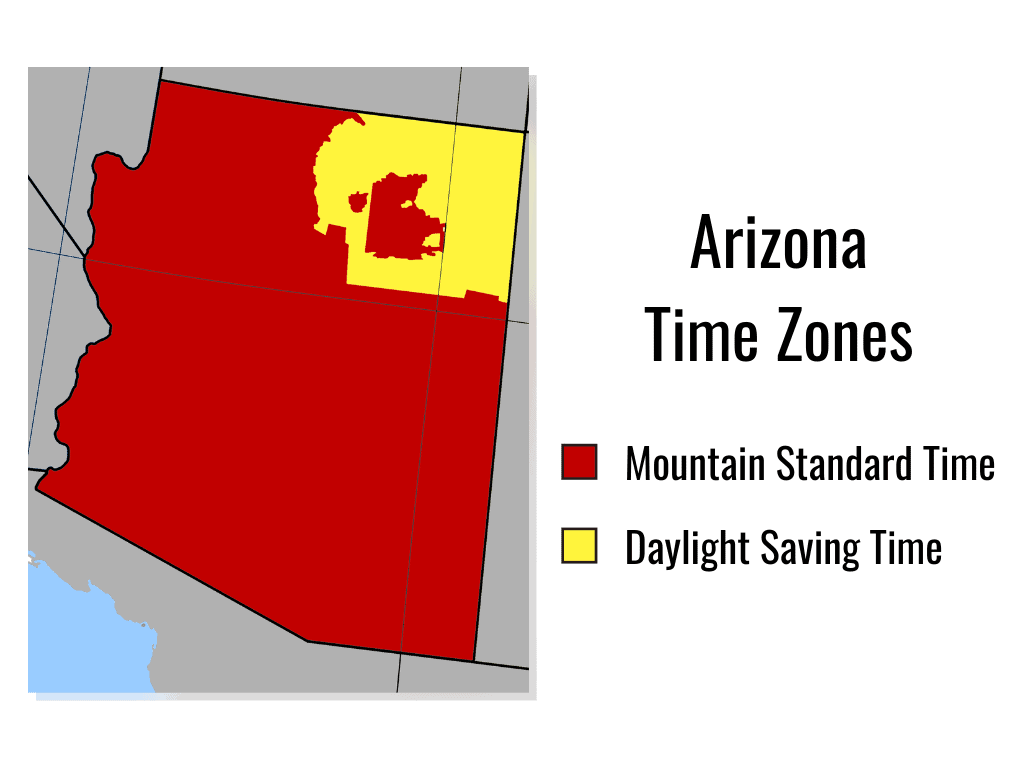
It’s also worth noting the sole exception within Arizona: the Navajo Nation. This sovereign nation, with significant portions located in northeastern Arizona, does observe Daylight Saving Time. This creates a unique “time island” within the state, where driving a few miles can literally put you in a different hour for part of the year. While most Phoenix travelers won’t encounter this directly in the city, it’s an important detail for those planning extensive road trips through the broader Arizona landscape.
Practical Implications for Travelers
Understanding Phoenix’s year-round Mountain Standard Time is more than just a trivia fact; it has tangible implications for travel and tourism.
- Flight Schedules: When booking flights into or out of Phoenix Sky Harbor International Airport, always pay close attention to the listed times. If you’re traveling from a state that observes DST, your arrival or departure time might feel different than anticipated, depending on the time of year. Always double-check your confirmation emails and airline apps, as they typically display local times.
- Business Meetings and Conferences: For business travelers, the time zone consistency can be a blessing or a challenge. While internal scheduling within Phoenix is straightforward, coordinating with colleagues or clients in other parts of the country requires careful calculation. During DST, Phoenix will be three hours behind the East Coast and the same time as the West Coast. During standard time, it will be two hours behind the East Coast and one hour ahead of the West Coast. This dynamic requires clear communication to avoid missed appointments.
- Event Planning: Whether attending a concert, a sporting event, or a festival, event times in Phoenix are always local MST. Tourists arriving from DST-observing regions might find themselves an hour “off” if they don’t adjust their internal clock or devices, potentially leading to missed starts.
- Coordinating with Friends and Family: Keeping in touch with loved ones outside Arizona requires an awareness of their time zone changes. What might be a convenient calling time in your home state could be very early or very late in Phoenix, or vice-versa, especially during the months when DST is active elsewhere.
In essence, Phoenix’s consistent time zone eliminates the biannual clock changes, offering a sense of stability. However, this stability can introduce a unique set of considerations when interacting with a world that largely embraces Daylight Saving Time.
Planning Your Phoenix Getaway: Time Zone Considerations for a Seamless Experience
Successfully planning a trip to Phoenix involves more than just booking flights and hotels; it means understanding the local rhythm, especially concerning its unique time zone. By keeping Arizona’s year-round Mountain Standard Time in mind, travelers can ensure their vacation or business trip unfolds smoothly and efficiently.
Navigating Arrival and Departure Times
Your journey to Phoenix begins and ends with travel, and the time zone plays a critical role in these transitions. Upon arrival, travelers from states observing Daylight Saving Time will find that Phoenix is effectively on Pacific Daylight Time (PDT). This means if you flew in from New York (EDT), you’d gain three hours, aligning with what your body might expect if you were flying to Los Angeles. From Chicago (CDT), you’d gain two hours. Conversely, during the standard time months, Phoenix is an hour ahead of PST and two hours behind CST.
- Adjusting Devices: Most smartphones and digital watches will automatically adjust to the local time upon arrival, but it’s always wise to double-check. Manually setting older watches can prevent confusion. Ensuring your devices are on Phoenix time immediately upon landing will help you stay on schedule for airport transfers, hotel check-ins, and any immediate plans.
- Flight Confirmation Details: Always verify the local times listed on your flight confirmations, especially for connecting flights. If you have a layover in a state that observes DST, you’ll need to account for the time change between your connecting city and Phoenix. This meticulous approach prevents any last-minute rushes or missed connections.
- Jet Lag Mitigation: While Phoenix’s time zone might seem stable, the shift for travelers from different zones can still induce mild jet lag. Giving yourself an hour or two to acclimate before diving into strenuous activities or important meetings can enhance your experience. Consider booking an evening arrival to settle into your accommodation before a full day of exploration.
Maximizing Your Itinerary: Attractions and Activities
The consistency of Phoenix’s time zone is a significant advantage when planning your itinerary. Without the biannual disruption of clock changes, you can confidently schedule attractions and activities knowing the local time will remain constant.
- Iconic Landmarks and Natural Beauty: Phoenix boasts an incredible array of landmarks and natural attractions. You can plan your visit to the Desert Botanical Garden or the Heard Museum without worrying about an unexpected hour shift altering their operating hours. Hiking expeditions up Camelback Mountain or Pinnacle Peak are best planned for early mornings to beat the heat, and the consistent MST ensures these early starts are predictable.
- Day Trips: When venturing beyond Phoenix to explore nearby areas like Scottsdale, Tempe, or even further afield to the Grand Canyon or Sedona, the entire state (with the exception of the Navajo Nation) operates on the same time zone. This simplifies multi-day trip planning, ensuring seamless transitions between different destinations within Arizona.
- Guided Tours and Experiences: Many travel experiences, from hot air balloon rides over the desert to guided tours of ancient ruins, operate on strict schedules. Knowing that Phoenix’s time is stable throughout the year allows for more accurate booking and adherence to tour departure times, ensuring you don’t miss out on any incredible adventures.
Dining and Entertainment: Aligning with Local Rhythms
Phoenix’s culinary scene is diverse, offering everything from authentic Southwestern fare to upscale fine dining. The city also has a lively entertainment landscape, with theaters, live music venues, and bustling nightlife.
- Restaurant Reservations: Making dinner reservations is straightforward in Phoenix. Whether you’re aiming for an early bird special or a late-night feast, the consistent time zone means restaurant hours are predictable. This consistency is particularly beneficial during months when other states are changing their clocks, as there’s no confusion about “local time” versus your internal clock.
- Evening Events and Nightlife: If you plan to catch a show at the Orpheum Theatre, attend a concert, or enjoy the vibrant bar scene in Downtown Phoenix or Old Town Scottsdale, the uniform time ensures that published event times are exactly what you’ll experience. There’s no risk of arriving an hour early or late due to a forgotten clock adjustment.
- Enjoying Sunsets: Phoenix is renowned for its spectacular sunsets. The consistent time zone means sunset times shift gradually throughout the year with the seasons, rather than suddenly jumping an hour. This predictability makes it easier to plan an evening hike or a dinner with a view, ensuring you catch nature’s daily masterpiece at the right moment.
By consciously factoring in Phoenix’s unique time zone, travelers can enhance their overall experience, making their trip to this desert gem as relaxing and enjoyable as possible.
Accommodation and Lifestyle: Enhancing Your Stay in the Valley of the Sun
Beyond mere scheduling, Phoenix’s consistent time zone subtly influences the broader experience of staying in the city, impacting everything from your choice of accommodation to your daily lifestyle. For a website dedicated to hotels, travel, and lifestyle, understanding these nuances is crucial for offering comprehensive guidance to visitors.
Choosing Your Ideal Accommodation
The stability of Phoenix’s time zone translates into a more predictable and potentially more restful stay, especially for those sensitive to circadian rhythm disruptions. This consistency can be a factor when selecting your ideal lodging.
- No Disrupted Sleep Cycles: Unlike destinations that observe Daylight Saving Time, you won’t experience the biannual “spring forward” or “fall back” during your stay in Phoenix. This means no sudden loss or gain of an hour of sleep due to a statewide clock change, which can be particularly beneficial for long-term stays, business travelers, or families with young children.
- Seamless Check-in and Check-out: Hotel policies regarding check-in and check-out times are always based on local Mountain Standard Time. The absence of DST means there’s never any ambiguity about these times, simplifying your arrival and departure process.
- Variety of Accommodation Options: Whether you’re seeking the opulence of luxury resorts like The Phoenician or the historic charm of the Arizona Biltmore, Phoenix offers a diverse range of accommodations. From sprawling suites and family-friendly resorts to cozy boutique hotels and modern apartments for extended stays, all operate on this consistent time. This allows guests to settle into their chosen environment without the underlying stress of time changes.
- Resort Amenities and Scheduling: For those indulging in resort amenities such as spa treatments, golf tee times, or poolside activities, the predictable time zone ensures all schedules remain fixed. This clarity allows for more relaxed planning and enjoyment of the amenities that make Phoenix a top destination for luxury travel and leisure.
Lifestyle Benefits for Visitors and Residents
The consistent time zone fosters a certain quality of life and routine that benefits both short-term visitors and those considering Phoenix for an extended stay or relocation.
- Consistent Daylight Hours: While the sun still rises and sets at different times throughout the year, the lack of DST means these changes are gradual and natural. For visitors keen on outdoor activities like hiking, cycling, or golfing, this consistency allows for better planning of morning and late-afternoon excursions, maximizing enjoyment of the abundant sunshine without sudden shifts in daylight availability.
- Ease of Daily Routines: For those on business stays or long-term accommodation, maintaining a consistent daily routine for work, fitness, and family life is simpler without the biannual clock adjustment. This fosters a sense of predictability and reduces the minor disruptions associated with DST.
- Balanced Work-Life Integration: For remote workers or business travelers, the stable time zone simplifies interactions with colleagues in different time zones. They become accustomed to the fixed difference, which aids in maintaining a healthier work-life balance, especially when managing calls and deadlines across the country.
Beyond Phoenix: Time Zones in Broader Arizona Tourism
While this article focuses on Phoenix, it’s important to remember that the vast majority of Arizona adheres to the same no-DST policy. This consistency is a boon for tourism across the state.
- Seamless State-Wide Exploration: Planning a road trip from Phoenix to the awe-inspiring Grand Canyon, the spiritual vortexes of Sedona, the historical streets of Tucson, or the beauty of the Sonoran Desert is simplified. You don’t need to adjust your watch as you traverse the state, ensuring that your arrival times for booked tours, dinner reservations, or hotel check-ins remain accurate.
- Focus on Experience, Not Time Adjustments: This eliminates a common travel friction point, allowing visitors to fully immerse themselves in Arizona’s rich local culture, diverse food scene, and myriad activities. From exploring ancient Native American sites to enjoying a vibrant downtown festival, the time zone remains a constant, a subtle facilitator of memorable experiences.
- Simplified Border Crossings: For travelers venturing to or from Mexico through Arizona’s southern border, the consistency of MST provides a clear reference point, although cross-border time zone practices can vary.
In conclusion, Phoenix’s unique adherence to Mountain Standard Time year-round is a defining characteristic that significantly impacts travel, tourism, and lifestyle within the city and across Arizona. While it requires a slight mental adjustment for visitors from DST-observing regions, its predictability ultimately streamlines planning and enhances the overall travel experience. So, when you plan your next adventure to the Valley of the Sun, rest assured that Phoenix’s time is consistently MST, allowing you to focus on creating unforgettable memories under its legendary skies.
LifeOutOfTheBox is a participant in the Amazon Services LLC Associates Program, an affiliate advertising program designed to provide a means for sites to earn advertising fees by advertising and linking to Amazon.com. Amazon, the Amazon logo, AmazonSupply, and the AmazonSupply logo are trademarks of Amazon.com, Inc. or its affiliates. As an Amazon Associate we earn affiliate commissions from qualifying purchases.