
Embarking on a journey, whether it’s a bustling city escape, a serene mountain retreat, or a sun-drenched beach vacation, involves more than just booking flights and selecting the perfect accommodation. A truly enriching travel experience also means being aware of your surroundings, understanding local customs, and, crucially, having a basic grasp of the laws that govern your chosen destination. While California is renowned globally for its vibrant culture, iconic landmarks, and diverse lifestyle opportunities, an often-overlooked aspect for many visitors and even residents is the legal framework surrounding property crime, specifically theft.
Understanding the difference between petty theft and grand theft in the Golden State isn’t just a matter for legal professionals; it’s an essential piece of knowledge for anyone wishing to protect their belongings and ensure a smooth, worry-free trip. From safeguarding your possessions in a luxury resort in Beverly Hills to navigating the lively streets of San Francisco, knowing the monetary thresholds and circumstances that elevate a theft from a misdemeanor to a felony can provide invaluable peace of mind. This article delves into California’s theft laws, offering a clear guide to these distinctions and providing practical advice for travelers to mitigate risks and react effectively should the unfortunate occur. Our aim is to empower you with information, ensuring your California adventure remains focused on memorable experiences rather than unforeseen legal complications.
Understanding Theft Categories: Petty vs. Grand Theft in California
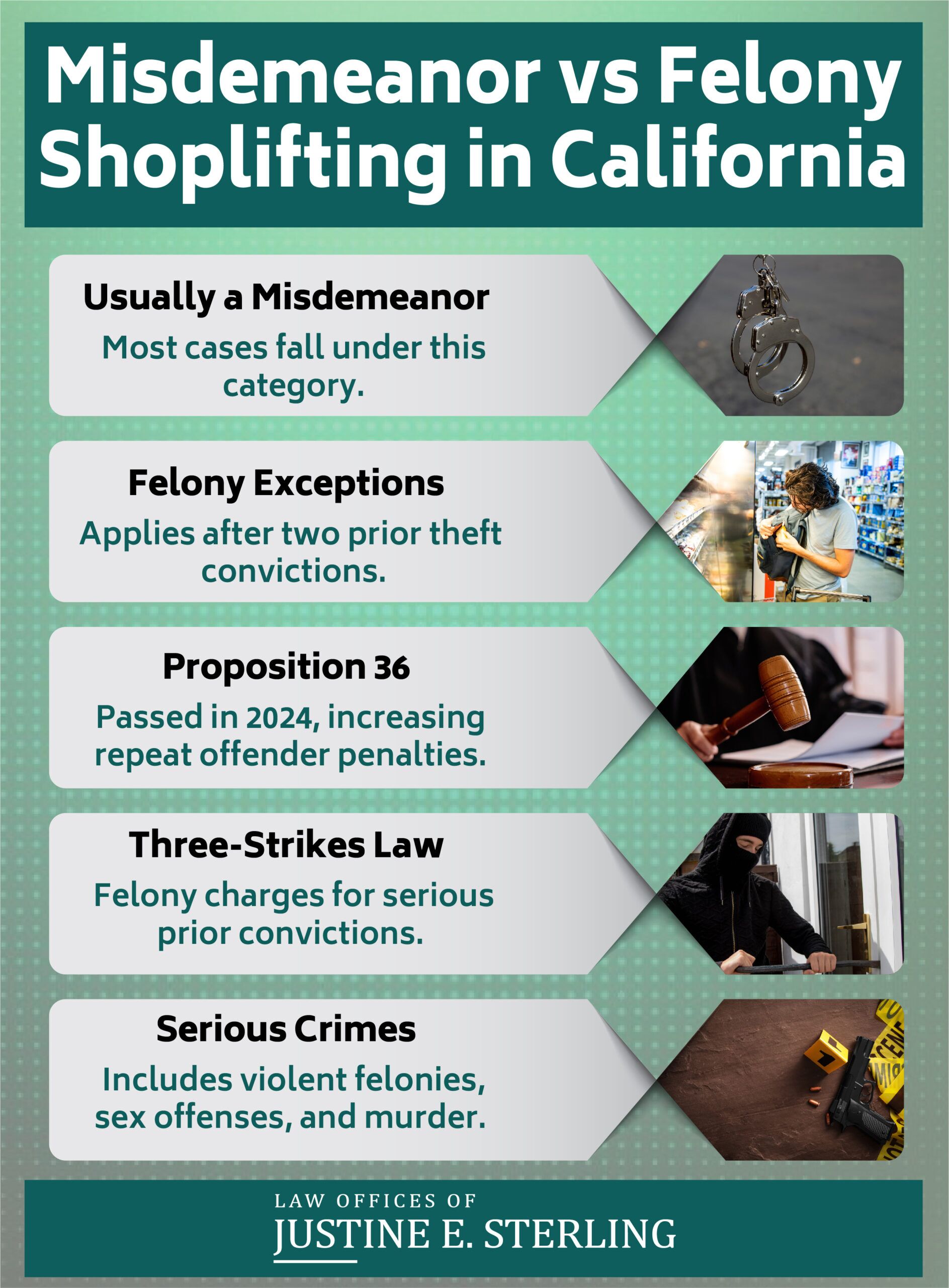
California law categorizes theft primarily based on the value of the property stolen and, in some cases, the nature of the property itself or the method used to take it. These distinctions are crucial because they determine whether the offense is charged as a misdemeanor (petty theft) or a felony (grand theft), carrying vastly different penalties and implications for an individual’s record. For travelers, comprehending these classifications is vital not only to avoid inadvertently breaking the law but also to understand the severity of incidents they might encounter or become victims of.
The Monetary Threshold: When Does Theft Become a Felony?
At the heart of distinguishing between petty and grand theft in California lies a specific monetary threshold. As of the current legal framework, largely influenced by the passing of Proposition 47 in 2014, the value of the stolen property is the primary determinant.
Petty Theft: This is generally defined as the unlawful taking of property with a value of $950 or less. It is typically charged as a misdemeanor. The penalties for petty theft can include fines, probation, and up to six months in county jail. For a traveler, this might involve snatching a small item from a shop without paying, though even minor infractions can lead to significant disruptions to travel plans, including legal proceedings and potential travel bans.
Grand Theft: When the value of the stolen property exceeds $950, the offense generally escalates to grand theft. This is considered a “wobbler” offense, meaning it can be charged as either a misdemeanor or a felony, depending on the specific circumstances of the crime and the defendant’s criminal history. However, in most cases where the value is above $950, prosecutors will lean towards felony charges, especially if there are aggravating factors. A felony grand theft conviction can lead to much harsher penalties, including significant state prison time (ranging from 16 months to three years), substantial fines, and a permanent felony record. For international travelers, a felony conviction can have severe consequences for future entry into the United States or other countries.
Proposition 47 was a significant change in California law. Before its enactment, the felony threshold for grand theft was much lower, often around $400. The proposition reclassified many non-violent property crimes, including certain types of theft, from felonies to misdemeanors, raising the threshold to $950. The intent was to reduce incarceration rates and focus resources on more serious crimes. While controversial, its impact on how theft is prosecuted in California is undeniable. It’s crucial for anyone, particularly visitors, to understand that this threshold applies to individual incidents of theft. Multiple petty thefts, even if cumulatively they exceed $950, are generally still treated as separate misdemeanor offenses unless they are part of a larger, coordinated scheme or specific laws apply to repeat offenders.
Beyond the Dollar Amount: Other Factors Leading to Felony Charges
While the $950 monetary threshold is the most common factor, certain types of property or methods of theft can automatically elevate the crime to grand theft, regardless of the item’s value. These specific provisions are designed to protect particularly vulnerable assets or deter more aggressive forms of taking.
- Theft of Specific Property: Even if the value is less than $950, the theft of certain items will always be charged as grand theft. This includes:
- Firearms: Stealing any firearm, regardless of its monetary value, is a felony.
- Vehicles: Auto theft, including cars, motorcycles, or other motor vehicles, is typically charged as grand theft auto, even if the vehicle’s market value is below the general $950 threshold.
- Certain Livestock: The theft of specific animals, such as horses, mares, geldings, mules, jacks, cows, calves, hogs, sheep, or goats, is also considered grand theft. This ancient provision protects agricultural livelihoods.
- Theft from the Person of Another (Grand Theft Person): If property is taken directly from another person, even if its value is less than $950, it can be charged as grand theft person. This often applies to purse snatching, pickpocketing, or taking items from someone’s pocket or hand, and is generally considered a felony due to the direct confrontation and potential for violence. This is particularly relevant for travelers in crowded tourist areas like Fisherman’s Wharf in San Francisco or Hollywood Boulevard in Los Angeles.
- Theft by Burglary or Robbery:
- Burglary: This involves entering a structure (like a home, business, or even a locked car trunk) with the intent to commit grand or petty theft or any other felony. Burglary itself is a serious felony, irrespective of the value of items stolen, although the value can influence sentencing.
- Robbery: This is defined as the taking of personal property in the possession of another, from his or her person or immediate presence, and against his or her will, accomplished by means of force or fear. Robbery is always a felony and one of the most serious theft-related offenses, as it involves violence or the threat of violence.
- Prior Convictions: An individual with a prior conviction for certain theft-related offenses, especially those that required registration as a sex offender or were considered serious violent felonies (“strike offenses”), may face felony charges for what would otherwise be a petty theft.
For anyone planning to explore California, understanding these nuances is critical. While the vast majority of visits are safe and enjoyable, knowledge of these laws helps both in exercising caution and in responding appropriately if unforeseen circumstances arise.
Protecting Your Valuables and Personal Safety While Traveling in California
California’s allure lies in its diverse offerings, from the serene beaches of San Diego to the majestic forests of Yosemite National Park. However, like any popular travel destination, it’s prudent for visitors to adopt smart practices to protect their valuables and ensure their personal safety. Being proactive can significantly reduce the risk of becoming a victim of theft, allowing you to fully immerse yourself in the unique lifestyle and experiences California has to offer.
Smart Practices for Travelers
When you’re far from home, especially in unfamiliar surroundings, a few straightforward precautions can make all the difference in safeguarding your belongings and peace of mind.
- Securing Accommodation: Whether you’re staying in a boutique hotel in Napa Valley, a sprawling resort in Palm Springs, or an Airbnb in Big Sur, always utilize the security features provided. Use the in-room safe for passports, significant amounts of cash, expensive jewelry, and other irreplaceable items. Always lock your doors and windows, even if you’re just stepping out for a short while. Many modern hotels offer key card access that tracks entry, adding an extra layer of security. If staying in a vacation rental, ensure all access points are secure and report any concerns to the host immediately.
- Awareness in Public Spaces: Crowds in popular tourist attractions like Disneyland, Universal Studios Hollywood, or even bustling outdoor markets in Los Angeles or San Francisco can be prime locations for opportunistic petty thieves. Keep bags zipped and worn in front of you, especially backpacks. Avoid putting wallets in back pockets. Be wary of distractions, often used by groups of thieves to divert your attention while another member pockets your valuables.
- Minimizing Visible Valuables: Flashy jewelry, expensive cameras, and high-end electronics can draw unwanted attention. When possible, dress modestly and avoid overtly displaying wealth. If you must carry valuable electronics, keep them in inconspicuous bags. Consider a “dummy wallet” with a small amount of cash and expired cards to hand over in a worst-case scenario.
- Digital Security: In an age where our digital lives are intertwined with our physical ones, protecting your devices is as important as protecting your wallet. Use strong passwords or biometric locks on your phone and laptop. Enable “Find My Device” features. Back up important photos and documents to a cloud service before and during your trip. Public Wi-Fi networks can be risky; use a Virtual Private Network (VPN) for sensitive transactions or avoid them altogether for banking or private communications.
Navigating Tourist Hotspots Safely
California’s iconic locations, while stunning, also require a heightened sense of awareness.
- Specific Advice for Popular Destinations:
- Los Angeles: In areas like Hollywood, Santa Monica Pier, or downtown, be mindful of your surroundings, especially after dark. Park in well-lit, secure parking structures.
- San Francisco: Car break-ins are a known issue in certain parts of the city, particularly popular tourist areas and parking lots near landmarks like the Golden Gate Bridge. Never leave anything visible in your parked car, not even a jacket or an empty bag, as it can entice thieves. Move all valuables to your hotel or carry them with you.
- San Diego: While generally very safe, crowded areas like Gaslamp Quarter or beach fronts can still attract pickpockets. Stay aware in bars and clubs.
- Public Transportation Safety: When using buses, trolleys, or the BART system in San Francisco, keep your belongings close and secure. Avoid displaying your phone prominently in your hand, as snatch-and-run thefts can occur, particularly near doors.
- Rental Car Precautions: Always lock your rental car and ensure windows are fully closed, even for quick stops. Avoid leaving luggage or shopping bags visible in the car, especially overnight. If you’re exploring the scenic Pacific Coast Highway, secure your vehicle every time you pull over for a scenic photo or a hike. Use reputable rental car companies and consider additional insurance for theft protection.
By adopting these preventative measures, you empower yourself to navigate California’s diverse landscapes and urban jungles with confidence, allowing your focus to remain on the extraordinary experiences at hand rather than concerns about safety.
What to Do If You’re a Victim of Theft in California
Even with the most stringent precautions, unforeseen circumstances can arise. Being a victim of theft, especially when traveling, can be a deeply unsettling and stressful experience. However, knowing the immediate steps to take can significantly mitigate the damage, improve your chances of recovery, and ensure your ability to continue your journey with minimal disruption.
Immediate Steps and Reporting
Your immediate actions after a theft can be crucial for both recovery and for any subsequent insurance claims or legal processes.
- Prioritize Safety: First and foremost, ensure your personal safety. If you were confronted or feel threatened, remove yourself from the situation and find a safe place before taking any other steps. Do not engage with or pursue the thief.
- Contact Local Authorities (The Police): Report the theft to the local police department immediately. In California, you can dial 911 for emergencies or the non-emergency number for your specific city (e.g., (213) 486-1000 for Los Angeles Police Department or (415) 553-0123 for San Francisco Police Department). Provide them with all the details you remember: what was stolen, where and when it happened, and any description of the perpetrator(s). Be patient, as response times can vary depending on the severity and location of the incident.
- Get a Police Report: This is paramount. A formal police report is almost always required for insurance claims, replacing identification, or disputing fraudulent charges. Request a copy of the report or at least the report number. Ensure the report accurately lists all stolen items, especially identification documents like passports, driver’s licenses, and credit cards.
- Notify Hotels / Accommodation Staff: If the theft occurred at your hotel or accommodation, inform the management immediately. They may have security footage, internal procedures, or be able to offer assistance with contacting local authorities. Some hotels also have their own insurance policies that might cover guest losses, although this is rare.
Dealing with Documents and Financial Impact
Once the immediate reporting is done, the next crucial steps involve protecting your identity and finances.
- Replacing Passports and IDs: If your passport or driver’s license was stolen, this should be a top priority.
- Passports: Contact your country’s nearest embassy or consulate. For United States citizens, visit a Passport Agency or Center. You’ll typically need to fill out specific forms (DS-11 and DS-64), provide proof of identity and citizenship (if available), and have a police report. Expedited services are often available for travelers.
- Driver’s License: If your driver’s license was stolen, contact the California Department of Motor Vehicles (DMV) online, by phone, or visit a local office. You may be able to apply for a duplicate online or will need to appear in person with identification.
- Canceling Credit and Debit Cards: Report stolen credit and debit cards to your banks and credit card companies immediately. Most have 24/7 fraud hotlines. The sooner you report, the less liable you typically are for fraudulent charges. Make sure to cancel all cards that were stolen, not just the ones you think might be used.
- Travel Insurance Claims: If you purchased travel insurance, review your policy documents. Most comprehensive policies cover theft of belongings. You’ll need the police report, a list of stolen items with their estimated value, and potentially receipts for larger items. Initiate the claim process as soon as possible, as there may be time limits. Keep copies of all communication and documentation.
- Contacting Your Airline/Tour Operator: If your tickets or travel documents were stolen, contact your airline or tour operator. They may be able to reissue tickets or provide proof of purchase.
Dealing with theft can be overwhelming, but methodical action can significantly ease the burden. By understanding these steps, you can navigate the aftermath of a theft incident more effectively, allowing you to salvage the remainder of your California travel experience.
The Broader Implications for Tourism and Lifestyle
While understanding California’s theft laws is primarily about personal protection and legal awareness, it also touches upon broader themes related to tourism and the overall lifestyle experience the state offers. A safe environment is foundational to a thriving tourism industry and a high quality of life for residents and visitors alike.
Maintaining Peace of Mind for Your California Adventure
Despite the need for awareness, it’s crucial to emphasize that California remains an overwhelmingly safe and welcoming travel destination. Millions of visitors each year explore its diverse landscapes, vibrant cities, and serene natural wonders without incident. The intent of discussing theft laws and preventative measures is not to instill fear, but rather to empower travelers with the knowledge to make informed decisions and act responsibly.
Knowing the difference between petty and grand theft, and understanding how to protect your belongings, contributes directly to your peace of mind. When you’re confident in your personal security practices, you’re free to fully engage with the experiences California has in store. Whether you’re tasting world-class wines in Sonoma, riding the cable cars in San Francisco, hiking in Joshua Tree National Park, or relaxing on a beach in Laguna Beach, a proactive approach to safety allows these moments to shine without the shadow of preventable mishaps. It’s about enjoying the famous California lifestyle – a blend of adventure, relaxation, and culture – responsibly.

Responsible Travel and Community Impact
The issue of theft also has an impact on the broader tourism ecosystem and local communities. When theft rates are perceived as high, it can deter visitors, affect the reputation of certain areas, and ultimately impact local businesses, hotels, and attractions that rely on visitor spending.
- Supporting Local Businesses: A reduction in theft helps create a more secure environment for everyone. This, in turn, encourages vibrant street life, supports small businesses, and fosters a sense of community pride. When travelers feel safe, they are more likely to explore freely, patronize local establishments, and contribute positively to the local economy.
- Ethical Tourism: Responsible tourism extends beyond environmental concerns to include social responsibility. This means respecting local laws, being mindful of your impact, and contributing to the well-being of the places you visit. Understanding local laws, even those concerning property crime, is part of this broader commitment.
- Preserving the Visitor Experience: Ultimately, a safe and secure environment is paramount to preserving the magic of the California visitor experience. The state invests heavily in promoting its destinations, and ensuring visitors feel secure is a crucial part of that promise. By taking personal responsibility for their safety and belongings, travelers play an active role in maintaining this positive environment for themselves and for future visitors.
In conclusion, while the question “How Much Theft Is A Felony In California?” points to a specific legal threshold of $950, its implications for travelers extend far beyond a mere dollar amount. It highlights the importance of awareness, preparation, and responsible engagement with any new environment. By being informed and adopting smart travel practices, you can ensure your journey through the diverse and beautiful state of California is as enriching and memorable as you envision. Enjoy your adventures, stay vigilant, and embrace all that the Golden State has to offer!
LifeOutOfTheBox is a participant in the Amazon Services LLC Associates Program, an affiliate advertising program designed to provide a means for sites to earn advertising fees by advertising and linking to Amazon.com. Amazon, the Amazon logo, AmazonSupply, and the AmazonSupply logo are trademarks of Amazon.com, Inc. or its affiliates. As an Amazon Associate we earn affiliate commissions from qualifying purchases.