
Embarking on a teaching career in the Golden State offers an unparalleled blend of professional fulfillment and a vibrant lifestyle. California, a land of diverse landscapes, rich culture, and endless opportunities, calls to educators from around the globe. Whether you dream of shaping young minds amidst the bustling energy of Los Angeles, the historic charm of San Francisco, or the sun-kissed beaches of San Diego, securing a teaching credential is your essential first step. This comprehensive guide will illuminate the path, detailing every requirement and procedure to help you achieve your dream of teaching in one of the most dynamic states in the nation, all while hinting at the incredible travel and lifestyle experiences that await.
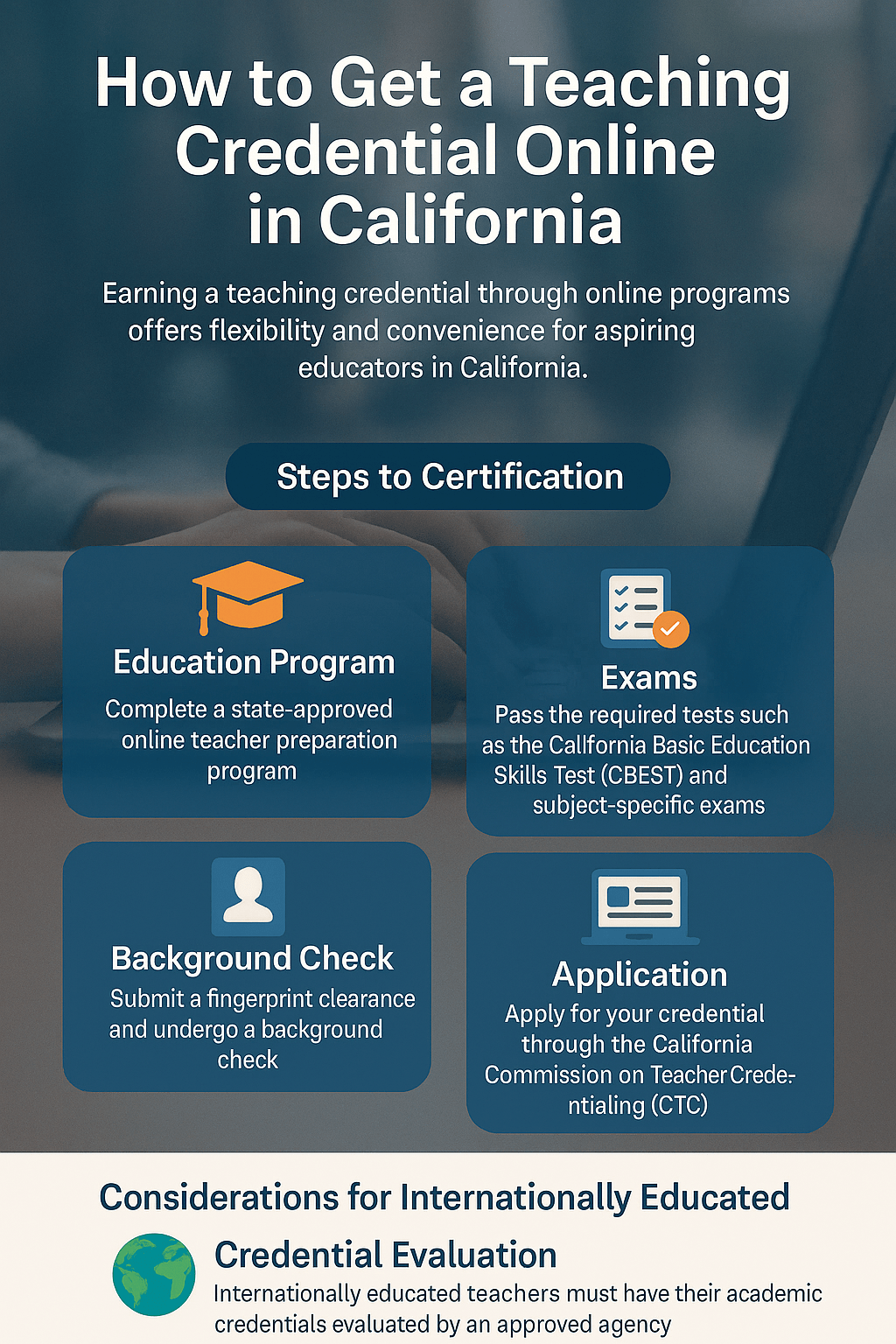
Laying the Foundation: Prerequisites and Pathways
Before you can inspire students in a Californian classroom, you’ll need to establish a strong academic and foundational base. The journey begins with understanding the essential prerequisites and choosing the right pathway to meet the state’s rigorous standards. This initial phase sets the stage for a rewarding career, opening doors to diverse communities and unparalleled cultural experiences across the state.
The Essential Building Blocks: Degrees and Basic Skills
The cornerstone of any teaching credential in California is a solid academic background. Aspiring educators must possess a bachelor’s degree or higher from a regionally accredited institution. While your degree doesn’t necessarily need to be in education, it’s a crucial prerequisite for entry into any teacher preparation program. Many teachers come from diverse academic backgrounds, bringing unique perspectives to their classrooms, which only enriches the learning environment for students across various locales, from the tech hubs of Silicon Valley to the agricultural heartland.
Beyond the degree itself, demonstrating proficiency in fundamental academic skills is paramount. This is primarily achieved through the California Basic Educational Skills Test (CBEST). The CBEST assesses reading, writing, and mathematics skills, ensuring that all prospective teachers possess the foundational literacy and numeracy necessary for effective instruction. Passing the CBEST is a non-negotiable step for nearly all credential types. However, there are alternative ways to satisfy the basic skills requirement, such as achieving qualifying scores on the SAT or ACT, or a combination of college coursework. It’s always wise to check the most current guidelines from the California Commission on Teacher Credentialing (CTC) for the full list of options. Preparing for the CBEST can be a focused endeavor, perhaps undertaken while enjoying a quiet staycation in a charming bed and breakfast in Napa Valley or a secluded resort in Palm Springs, allowing for uninterrupted study.
Choosing Your Journey: Traditional vs. Alternative Programs
Once you’ve met the initial academic requirements, the next critical decision involves selecting the right teacher preparation program. California offers several pathways, each designed to accommodate different backgrounds and career aspirations, providing flexibility whether you’re fresh out of college or transitioning careers.
Traditional Teacher Preparation Programs: These are typically offered by universities, such as the University of California or California State University systems, as well as private institutions like Stanford University. They lead to a preliminary teaching credential and often result in a master’s degree. These programs typically involve a year or more of coursework, extensive fieldwork, and supervised student teaching. They provide a comprehensive, structured approach to teacher training, covering pedagogy, curriculum development, classroom management, and educational theory. This route is ideal for individuals who prefer a more in-depth academic experience and dedicated time to learn and practice teaching skills before taking on full classroom responsibilities. While enrolled, students often experience the diverse student life in cities like Berkeley or Davis, exploring local culture and cuisine during their studies.
Alternative Certification Programs: Designed for individuals who already hold a bachelor’s degree and often have professional experience in another field, these programs offer a faster route to the classroom. Often referred to as “internship” or “district-based” programs, they allow candidates to teach in their own classroom, often on a provisional credential, while completing their credentialing coursework. This pathway is perfect for those who need to earn income while getting certified or who thrive on hands-on learning from day one. These programs are rigorous but offer immense practical experience. They are particularly popular in areas with high teacher demand, such as Orange County or the Central Valley, and can be a great way to immerse oneself immediately in a new community.
Choosing between these pathways depends on your personal circumstances, learning style, and financial situation. Each offers a valid and respected route to becoming a certified teacher in California, setting you up for a fulfilling career that could take you from the historical schools of Sacramento to the innovative campuses of Silicon Beach.
Mastering Your Craft: Subject Matter and Practical Experience
Once the foundational elements are in place, the next stage of your credentialing journey focuses on demonstrating expertise in your chosen subject area and gaining invaluable practical experience in a real classroom setting. This is where your passion for learning truly meets the art of teaching, preparing you for the dynamic educational landscape of California.
Proving Your Expertise: Subject Matter Competence
Before you can effectively teach a specific subject, you must prove that you are proficient in it. California requires candidates to demonstrate subject matter competence for the area they wish to teach. There are several ways to satisfy this requirement:
- California Subject Examinations for Teachers (CSET): The most common method is passing the CSET. The CSET is a series of exams tailored to different subject areas. For example, a candidate seeking a Single Subject Teaching Credential in English would take the CSET English subtests, while a candidate for a Multiple Subject Teaching Credential (for elementary education) would take the CSET Multiple Subjects subtests, covering areas like reading, language arts, mathematics, history, and science. Preparing for the CSET can be an intense period of study, perhaps best approached from a cozy retreat in Big Sur or a quiet apartment in Santa Barbara, where the inspiring scenery fosters concentration.
- Approved Subject Matter Programs: Many California universities offer undergraduate or graduate programs that have been specifically approved by the CTC as satisfying the subject matter requirement. Completing such a program means you don’t need to take the CSET.
- Out-of-State Credentials: If you hold a valid teaching credential from another state, you might be able to use it to satisfy California’s subject matter requirements, though additional steps may be necessary.
Choosing the right credential type is also crucial here:
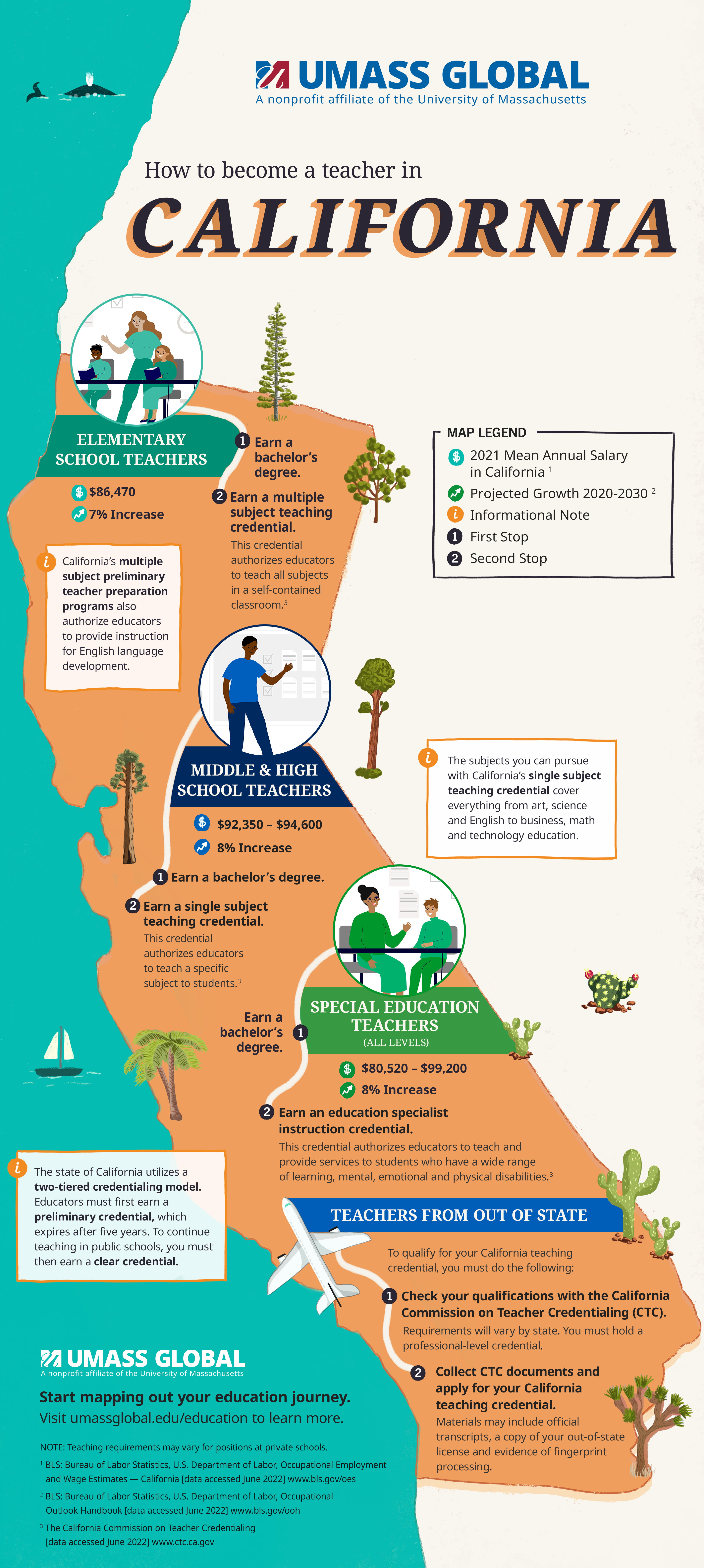
- Multiple Subject Teaching Credential: For teaching all subjects in self-contained classrooms, typically kindergarten through 8th grade.
- Single Subject Teaching Credential: For teaching a specific subject (e.g., English, Math, Science, History) in departmentalized settings, typically 7th through 12th grade.
- Education Specialist Credential: For teaching students with special needs, spanning various grade levels and disability areas. This credential often requires additional coursework and specialized fieldwork.
Stepping into the Classroom: Student Teaching and Fieldwork
There’s no substitute for hands-on experience, and California’s credentialing process places significant emphasis on student teaching or fieldwork. This component is integral to all teacher preparation programs, whether traditional or alternative. During this phase, you will:
- Observe and Assist: Spend time observing experienced teachers in diverse classroom settings, learning practical strategies for instruction, assessment, and classroom management.
- Gradually Assume Responsibilities: Under the guidance of a cooperating teacher, you will progressively take on more teaching duties, from leading small group activities to delivering full lessons and managing an entire class.
- Receive Mentorship and Feedback: You’ll receive regular feedback from your cooperating teacher and a university supervisor, allowing you to refine your skills and grow professionally.
- Experience Diverse Educational Environments: Depending on your program, you might gain experience in various school settings, from urban schools in Oakland to suburban schools in Irvine or rural schools in the Sierra Nevada foothills, providing a rich understanding of California’s diverse student population and educational needs.
Student teaching is more than just practice; it’s an immersive experience that prepares you for the realities of the profession. It often involves long days, creative problem-solving, and building meaningful relationships with students and colleagues. This period can also be an opportunity to explore the local culture and attractions of the area where you’re student teaching. Imagine weekends exploring Yosemite National Park after a week in a Central Valley classroom, or unwinding on the Santa Monica Pier after a busy week in a Los Angeles school. It’s during this time that many aspiring teachers truly envision their future lifestyle in the Golden State.
Navigating the Application: Tests, Background Checks, and Official Endorsement
With your academic foundations and practical experience solid, the final stage of securing your California teaching credential involves a series of critical assessments, background checks, and the official application process. This ensures that all educators meet the highest standards of safety, ethics, and professional competence required by the state.
The Critical Assessments: CBEST, CSET, and RICA
We’ve already touched upon the CBEST (California Basic Educational Skills Test) for basic skills and the CSET (California Subject Examinations for Teachers) for subject matter competence. These are foundational and often completed early in the credentialing process. However, depending on your credential type, you might have one more key assessment:
- Reading Instruction Competence Assessment (RICA): If you are pursuing a Multiple Subject Teaching Credential or an Education Specialist Credential, you will need to pass the RICA. The RICA assesses your knowledge and skills in reading instruction, covering areas like phonological awareness, phonics, fluency, vocabulary, and comprehension. This is vital to ensure that elementary and special education teachers are well-equipped to teach reading effectively, a cornerstone of early education. Preparing for the RICA often involves dedicated study and practice, perhaps during a focused stay in a quiet hotel in a city like Pasadena, allowing for minimal distractions.
It’s imperative to confirm which tests are required for your specific credential and to register for them well in advance. Passing these assessments demonstrates your readiness to meet the diverse educational needs of California’s student population.
The Final Steps: Live Scan and CTC Application
With all your coursework, fieldwork, and examinations complete, you’re on the home stretch. The final steps involve a comprehensive background check and submitting your official application to the state’s credentialing body.
- Fingerprint Clearance (Live Scan): All individuals seeking a California teaching credential must undergo a thorough criminal background check through Live Scan fingerprinting. This process requires you to submit your fingerprints electronically to the California Department of Justice (DOJ) and the Federal Bureau of Investigation (FBI). You will need a specific form provided by your teacher preparation program or the CTC to ensure your fingerprints are routed correctly for a teacher credential background check. Once cleared, you’ll receive confirmation, a vital step for safeguarding students.
- Submitting Your Application to the CTC: The culmination of your hard work is submitting your completed application packet to the California Commission on Teacher Credentialing (CTC). This packet will typically include:
- Official transcripts verifying your bachelor’s degree and completion of an approved teacher preparation program.
- Verification of passing scores for the CBEST, CSET, and RICA (if applicable).
- Evidence of Live Scan fingerprint clearance.
- Any other required documentation, such as health certificates or professional development hours.
The CTC reviews all applications diligently to ensure that every candidate meets the state’s stringent requirements. While waiting for your credential to be processed, you might take the opportunity to explore some of California’s iconic landmarks, like the Golden Gate Bridge in San Francisco, or take a scenic drive down the Pacific Coast Highway from Monterey to Santa Barbara, celebrating the journey you’ve completed and anticipating the adventures ahead.
The Californian Teaching Lifestyle: Beyond the Classroom
Earning your teaching credential in California is more than just achieving a professional milestone; it’s an invitation to a unique and enriching lifestyle. The commitment you’ve shown in becoming an educator in the Golden State opens doors not only to rewarding classrooms but also to unparalleled cultural experiences, diverse communities, and a quality of life that few other places can match.
Embracing the Golden State: Travel, Culture, and Community
Life as a teacher in California extends far beyond the school bell. The state is a mosaic of stunning natural beauty, world-class attractions, and vibrant local cultures, offering endless possibilities for exploration and enrichment during your time off. Imagine your weekends:
- Natural Wonders: From the majestic peaks of Yosemite National Park and the ancient giant sequoias of Redwood National Park to the serene shores of Lake Tahoe and the surreal landscapes of Death Valley National Park, California is a paradise for outdoor enthusiasts. Teachers can spend holidays hiking, skiing, surfing, or simply soaking in the natural splendor.
- Urban Adventures: Cities like Los Angeles offer iconic landmarks such as the Hollywood Sign, world-class museums, and diverse culinary scenes. San Francisco captivates with its historic cable cars, vibrant neighborhoods, and the iconic Alcatraz Island. Even smaller towns boast unique charm and local attractions.
- Cultural Immersion: California’s diverse population ensures a rich tapestry of cultures, languages, and traditions. As a teacher, you’ll be part of this vibrant mix, often working in communities where you can experience authentic global cuisines, festivals, and artistic expressions. This cultural exchange extends into your personal life, offering unique travel experiences within your own state, perhaps staying at boutique hotels that reflect local heritage.
- Theme Parks and Attractions: For family trips or a dose of pure fun, destinations like Disneyland in Anaheim or Universal Studios Hollywood provide unforgettable entertainment, often with special discounts for educators. Historic sites like Hearst Castle also offer fascinating insights into the state’s past.
The ability to explore these destinations, perhaps enjoying a luxury staycation at a Four Seasons Resort or finding budget-friendly accommodation in a quaint coastal town, becomes part of the rewarding lifestyle that teaching in California affords.

Building a Future: Career Growth and Quality of Life
Beyond the immediate joys of teaching and exploration, a California teaching credential is a gateway to a stable and progressive career. The state’s commitment to education, coupled with ongoing professional development opportunities, ensures that educators can continually grow and specialize.
- Professional Development: School districts and the CTC offer numerous programs for continuing education, advanced certifications, and leadership roles. This allows teachers to pursue areas of interest, from becoming an instructional coach to specializing in particular educational technologies or curriculum design.
- Career Advancement: With experience and further education, doors open to administrative positions, curriculum development, or even roles within the state’s educational policy landscape. Your credential is a foundation, not a ceiling.
- Competitive Compensation: While teacher salaries vary by district, California offers competitive pay scales and benefits packages, contributing to a comfortable quality of life. This financial stability can support diverse lifestyle choices, whether it’s investing in a dream home, traveling internationally during school breaks, or enjoying fine dining experiences in cities like San Jose.
- Community Impact: Perhaps most importantly, teaching in California means becoming an integral part of a community. You’ll contribute to the future of diverse populations, witness the direct impact of your efforts, and foster meaningful connections with students and families. This sense of purpose and belonging enriches life in ways that transcend monetary value.
Obtaining a teaching credential in California is an investment in both a challenging career and a vibrant, fulfilling lifestyle. It’s a journey that culminates in the privilege of educating the next generation amidst a backdrop of unparalleled beauty, culture, and opportunity. As you navigate the requirements and procedures, remember the incredible life that awaits you—a life where professional passion meets personal adventure in the Golden State.
LifeOutOfTheBox is a participant in the Amazon Services LLC Associates Program, an affiliate advertising program designed to provide a means for sites to earn advertising fees by advertising and linking to Amazon.com. Amazon, the Amazon logo, AmazonSupply, and the AmazonSupply logo are trademarks of Amazon.com, Inc. or its affiliates. As an Amazon Associate we earn affiliate commissions from qualifying purchases.