
California, a land of sun-drenched beaches, majestic mountains, and bustling cities, offers an unparalleled canvas for a lifestyle rich in exploration and connection. For many families residing in the Golden State, a vehicle is more than just transportation; it’s a gateway to creating cherished memories, from impromptu road trips along the Pacific Coast Highway to weekend getaways in Yosemite National Park or Disneyland adventures. Given the central role a car plays in a mobile California lifestyle, the process of transferring its ownership, particularly to a family member, should be as smooth and straightforward as possible.
Whether you’re gifting a car to a newly licensed teenager, facilitating a sale within the family, or handling an inheritance, understanding the specific requirements set forth by the California Department of Motor Vehicles (DMV) is crucial. This guide is designed to demystify the process, ensuring that your family’s transition of vehicle ownership is handled efficiently, allowing you more time to plan your next memorable California escapade. We’ll walk through the necessary documentation, exemptions available for family transfers, and step-by-step instructions to navigate the DMV bureaucracy with confidence, transforming what might seem like a daunting task into a simple checklist item on your journey to endless California adventures.
Navigating the California DMV for Family Vehicle Transfers
The California DMV has specific procedures for transferring vehicle titles, and thankfully, transferring to a family member often comes with certain advantages, primarily concerning sales tax exemptions. However, to leverage these benefits and ensure a legal transfer, it’s essential to understand the intricacies of their definitions and required paperwork. A properly executed transfer ensures that the new owner is legally recognized, avoiding any future complications with registration, insurance, or potential liabilities. This initial groundwork is pivotal, much like planning the perfect itinerary for a cross-state journey; knowing your route and having the right maps is half the battle.
Understanding the “Family Member” Definition for Exemptions
One of the most significant benefits of transferring a car title to a family member in California is the potential exemption from sales tax and, in some cases, use tax. However, the DMV’s definition of “family member” for these exemptions is specific. It generally includes:
- Spouses
- Domestic partners
- Parents
- Grandparents
- Children
- Grandchildren
- Siblings
This broad but defined scope ensures that genuine family transfers receive the intended tax relief, making the process more affordable. It’s important to note that aunts, uncles, cousins, nieces, and nephews typically do not fall under this exemption for sales/use tax purposes, unless specified otherwise by particular circumstances or new legislation. When preparing for your transfer, confirm that your relationship with the recipient falls within these categories to take full advantage of the savings, freeing up funds for that dream stay at a coastal resort or a culinary tour through Napa Valley.
Essential Documents You’ll Need
Gathering the correct documents is the foundation of a successful title transfer. Think of it as packing for a major trip; you wouldn’t want to arrive at your destination only to realize you left your passport behind. For a family car title transfer in California, you’ll primarily need the following:
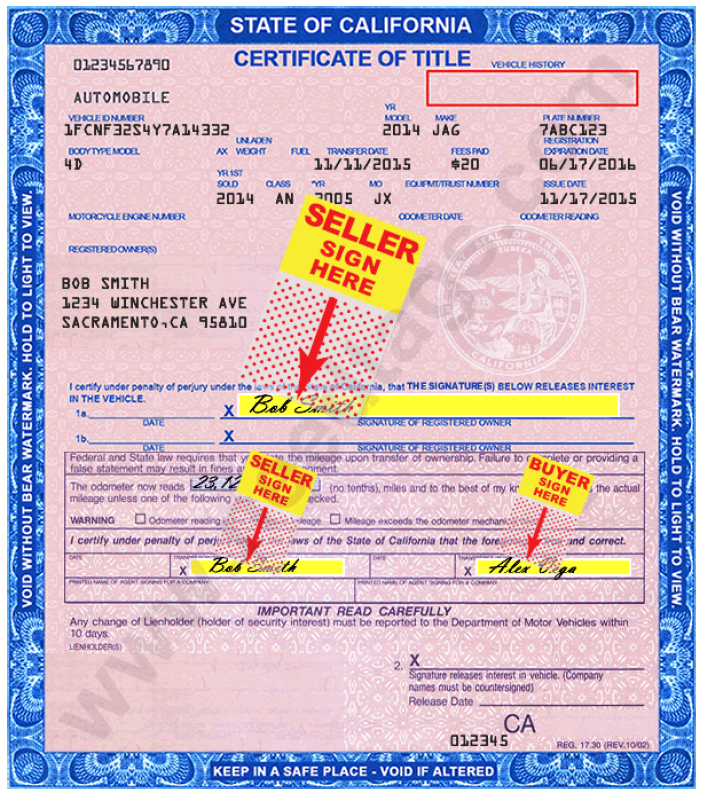
- California Certificate of Title (Pink Slip): This is the original title document. The seller (current owner) must sign off on Section A, and the buyer (family member) must sign on Section B. Ensure all relevant fields, including the odometer reading, are accurately completed. If the original title is lost or mutilated, you’ll need to apply for a duplicate title (Form REG 227) before proceeding with the transfer.
- Vehicle/Vessel Transfer Form (REG 262) or Bill of Sale: While the title transfer itself documents the change in ownership, a Bill of Sale is highly recommended, especially if there’s any monetary transaction involved, even a nominal one. For family gifts, a Statement of Facts (REG 256) is crucial.
- Statement of Facts (REG 256): This form is key for family transfers. It allows you to declare that the vehicle is being transferred between qualifying family members, thus exempting the transaction from sales and use tax. It also provides space to declare other exemptions, such as those related to a Smog Certificate (see below).
- Smog Certificate: In California, a Smog Check is generally required when a vehicle is sold or transferred. However, vehicles transferred between specific family members (spouse, domestic partner, parent, child, grandparent, grandchild, or sibling) are often exempt from this requirement. You must indicate this exemption on the Statement of Facts (REG 256). Be aware that if the vehicle is more than four model years old and was previously registered out-of-state, or if it’s over 1975 model year, a Smog Check might still be required, so it’s always best to verify with the DMV or on their website.
- Odometer Disclosure: For vehicles less than 10 years old, federal and state laws require the seller to disclose the vehicle’s mileage on the title or a separate form (such as REG 262). Both seller and buyer must sign this disclosure.
- Proof of Insurance: The recipient (new owner) must have proof of financial responsibility (auto insurance) to register the vehicle in their name.
- Valid Identification: Both the seller and the buyer should have their California Driver’s License or ID card ready for verification.
Having all these documents organized and filled out accurately before visiting the DMV will save you significant time and potential re-visits, much like having your reservations confirmed before heading to a premium hotel in San Francisco or Los Angeles.
Step-by-Step Guide to a Seamless Title Transfer
With your documents in hand and a clear understanding of the exemptions, the actual transfer process can be surprisingly straightforward. This section breaks down the steps involved, from preparing your paperwork to submitting it to the DMV, aiming to make the experience as hassle-free as checking into a pre-booked luxury suite.
Preparing Your Paperwork and Addressing the Smog Check

- Locate the California Certificate of Title: Ensure you have the original “pink slip.” If it’s lost, the current owner must apply for a duplicate title (Application for Duplicate Title – REG 227).
- Complete the Certificate of Title Sections:
- Seller (Current Owner): Sign and print your name in Section A (Release of Ownership). Fill in the date of sale/gift.
- Buyer (Family Member): Sign and print your name in Section B (Application for New Title).
- Odometer Disclosure: For vehicles less than 10 years old, the seller must accurately record the odometer reading on the title. Both parties must sign this section.
- Fill Out the Statement of Facts (REG 256): This form is critical for family transfers to claim exemptions.
- Mark the box indicating “Exemption from Use Tax – Family Transfer.”
- Specify the relationship between the transferor and transferee (e.g., Parent to Child).
- Mark the box for “Smog Exemption” if applicable based on the family relationship and vehicle type.
- Complete all other required fields, including vehicle information and signatures.
- Consider a Bill of Sale (Optional but Recommended): Even if it’s a gift, a Bill of Sale stating “$0” or “Gift” can provide a clear record for both parties.
- Address the Smog Check (if required): If your vehicle or family relationship doesn’t qualify for the Smog Check exemption, the seller is generally responsible for obtaining a valid Smog Certificate from a certified station before the transfer. The certificate is electronically submitted to the DMV.
Once these documents are meticulously prepared, you’re ready for the final submission. It’s like ensuring all your travel documents are in order before embarking on an international journey – preparation makes for a smooth departure.
Submitting Your Application and Understanding Fees
After all documents are completed, the final step is to submit them to the DMV.
- Submission Options:
- In Person: This is often the quickest way to complete the transfer, especially if you have questions or anticipate needing clarification. You can visit any DMV field office. It’s advisable to make an appointment online to reduce wait times, allowing you to get back to planning your exploration of California’s State Parks sooner. Locations exist across major cities like Los Angeles, San Diego, Sacramento, and San Francisco.
- By Mail: If you prefer, you can mail the completed documents to the DMV processing center. Ensure you send copies, not originals, of any supporting documents you wish to retain and consider using certified mail for tracking.
- Required Fees:
- Transfer Fee: There is typically a nominal transfer fee.
- Registration Fees: The new owner will be responsible for current and any prorated registration fees.
- Sales Tax (Use Tax): As mentioned, for qualifying family transfers, the use tax is generally waived. This is a significant saving. Ensure your Statement of Facts (REG 256) clearly states the exemption.
- Late Fees: If the transfer is not completed within 10 days of the sale/gift date, late fees may apply for both transfer and registration. It’s crucial to act promptly.
Upon successful submission, the DMV will process the title change, and the new owner will receive a new California Certificate of Title in the mail within a few weeks. The vehicle is now officially ready for its new chapter of family adventures.
Leveraging Your Newly Transferred Vehicle for California Adventures
Once the title transfer is complete, and the vehicle is officially yours (or your family member’s), a world of California exploration opens up. A car in the Golden State is more than just a means of transport; it’s a key to unlocking diverse travel experiences, from sprawling metropolitan hubs to serene natural retreats. The seamless transfer process is just the first step in ensuring your family can enjoy these journeys with peace of mind.
From Road Trips to Coastal Drives: Exploring California’s Wonders
With your car title successfully transferred, the possibilities for family adventures in California are virtually limitless. Imagine taking that newly acquired vehicle for:
- Scenic Coastal Drives: Head south from San Francisco along the Pacific Coast Highway to witness the dramatic cliffs and breathtaking ocean vistas of Big Sur, perhaps stopping for a night at a charming inn along the way. Or cruise down to Santa Monica Pier for classic boardwalk fun.
- National Park Expeditions: Drive through the majestic sequoias of Yosemite National Park, explore the otherworldly landscapes of Death Valley National Park, or hike among the iconic Joshua Trees. A reliable family vehicle is essential for navigating the varied terrain and expansive distances of these natural wonders, offering flexibility for spontaneous stops and photo opportunities.
- City Escapes and Cultural Immersion: From the vibrant streets of Los Angeles (visiting Universal Studios Hollywood or the Hollywood Walk of Fame) to the iconic landmarks of San Francisco (like the Golden Gate Bridge and Alcatraz Island), a car allows your family to explore at your own pace. Discover local eateries, boutique shops, and hidden gems that public transport might miss.
- Wine Country Retreats and Desert Oases: Journey to Napa Valley for exquisite wine tastings, or head to Palm Springs for a luxurious desert getaway complete with stunning architecture and vibrant art scenes. These destinations often require a car to fully appreciate their dispersed attractions and various accommodation options, from cozy bed and breakfasts to grand resorts.
- Mountain and Lake Adventures: With your vehicle, you can easily reach the shimmering waters of Lake Tahoe for skiing in winter or hiking and boating in summer. The freedom of personal transport means you can tailor your trips to family interests, perhaps renting a cabin or staying at a family-friendly hotel.
The ease of a successfully transferred car title means less time worrying about legalities and more time planning where to go next. It facilitates a lifestyle of spontaneity, enabling families to embrace the full spectrum of California’s diverse offerings, creating lasting memories along every mile.

Ensuring Your Vehicle is Road-Ready for Family Journeys
While the title transfer marks a significant milestone, ensuring the vehicle is fully ready for its new life with its family owner involves a few final, but crucial, steps. This guarantees safety, compliance, and uninterrupted travel enjoyment.
- Update Auto Insurance: The most critical step post-transfer is for the new owner to update the vehicle’s insurance policy. Driving without valid insurance in California is illegal and can lead to severe penalties. Contact your insurance provider immediately to transfer the policy or set up a new one in the new owner’s name. This should be done as soon as the title is signed over, even before the DMV officially processes the new title.
- Confirm Registration is Current: Although you’re transferring ownership, ensure the vehicle’s registration is current. If it’s near renewal or has expired, the new owner will need to pay the registration fees as part of the title transfer process or soon after.
- Perform a Maintenance Check: Before embarking on any significant road trip across California, it’s always wise to have a mechanic perform a thorough inspection of the vehicle. This includes checking fluids, tires, brakes, and general engine health. A well-maintained car not only ensures safety but also enhances the overall travel experience, preventing unexpected breakdowns that could derail a carefully planned family vacation to Universal Studios Hollywood or a quiet retreat in the Sierra Nevada.
- Familiarize with New Features (if applicable): If the vehicle is new to the family member, take some time to get acquainted with its features, controls, and handling characteristics. This is especially important for younger drivers or those transitioning to a different type of vehicle.
By completing these final checks, your family can confidently hit the open roads of California, knowing that all legal and mechanical aspects are in order. The gift or sale of a vehicle within a family is a beautiful gesture, symbolizing freedom, responsibility, and the potential for countless shared experiences. With this comprehensive guide, the process of transferring a car title in California to a family member should be a straightforward part of your journey, allowing you to focus on the truly important things: making memories on the incredible roads of the Golden State.
LifeOutOfTheBox is a participant in the Amazon Services LLC Associates Program, an affiliate advertising program designed to provide a means for sites to earn advertising fees by advertising and linking to Amazon.com. Amazon, the Amazon logo, AmazonSupply, and the AmazonSupply logo are trademarks of Amazon.com, Inc. or its affiliates. As an Amazon Associate we earn affiliate commissions from qualifying purchases.