
The question of whether California is a common law state often sparks curiosity, particularly among those planning to travel, reside, or conduct business within its vibrant borders. For visitors exploring San Francisco’s iconic landmarks, honeymooners considering a stay in Napa Valley, or digital nomads eyeing long-term accommodation in Los Angeles, understanding the underlying legal framework can offer valuable insights into everything from consumer rights to property ownership.
The short answer is nuanced: yes, California is primarily a common law state, much like the majority of the United States. However, it possesses a distinctive feature rooted in its history that sets it apart: the principle of community property, a direct inheritance from its Spanish and Mexican legal traditions. This blend creates a unique legal landscape that impacts various facets of life and travel in the Golden State.

Unraveling California’s Legal Tapestry: A Blend of Traditions
To fully appreciate California’s legal standing, it’s essential to briefly understand the two primary legal traditions that shape modern jurisdictions worldwide: common law and civil law.
The Anglo-American Common Law Foundation
The common law system originated in England and is characterized by its reliance on judicial precedent. This means that judges’ decisions in previous cases serve as authoritative guidance for future similar cases, creating a body of law that evolves through court rulings rather than solely through legislative statutes. When we talk about common law states in the United States, we refer to jurisdictions where this precedent-based system forms the bedrock of their legal structure. Most areas of law in California, including torts (personal injury), contracts, and criminal law, operate under common law principles.
This foundation is crucial for travelers and businesses alike. For instance, when you book a room at a luxurious resort like The Beverly Hills Hotel or sign up for an adventure tour along the Big Sur coast, the agreement you enter into is a contract governed by common law principles. Should a dispute arise over services, damages, or refunds, the legal remedies and processes would largely follow common law traditions of contract enforcement. Similarly, if you were to suffer an injury due to negligence at a hotel or attraction, the common law principles of torts would dictate how such a claim is pursued.
The Enduring Legacy of Civil Law: Community Property
Where California truly diverges from a purely common law identity is in its adoption of the community property system. This concept is a direct descendant of the civil law systems brought to California by Spain and Mexico before it became a U.S. state. Under community property law, assets and debts acquired by a married couple during their marriage are considered equally owned by both spouses, regardless of whose name is on the title or who earned the income. This contrasts sharply with common law property systems, where assets are often titled in one spouse’s name as separate property.
Nine U.S. states operate under community property laws, and California is one of the most prominent. This system profoundly impacts inheritance, divorce, and financial planning for married couples. While seemingly unrelated to typical tourism, it becomes highly relevant for individuals or couples considering long-term stays, digital nomad lifestyles, or even purchasing property in California. For those thinking of relocating or establishing a long-term presence, understanding community property laws is as vital as researching the best neighborhoods for families or the top schools in Pasadena.
Why This Matters for Travelers and Residents
The blend of common law and community property creates a unique legal environment. For most short-term tourists, the common law aspects governing contracts, consumer protection, and personal liability will be the most apparent. However, for those envisioning a deeper connection with California – perhaps through a prolonged stay in a furnished apartment in Santa Monica, starting a business in Silicon Valley, or retiring to a villa in Palm Springs – the community property framework adds another layer of consideration, especially concerning financial and marital planning.
This dual system reflects California’s rich cultural and historical evolution, making it a fascinating case study in legal diversity within the broader United States.
Navigating the Golden State: Legal Insights for Your California Experience
Understanding California’s legal nuances is not just for lawyers; it offers practical benefits for anyone engaging with the state’s vibrant tourism and lifestyle offerings. From booking your dream resort to navigating long-term accommodation, legal awareness can enhance your experience.
Consumer Protections in Travel and Accommodation
California has robust consumer protection laws, many of which are statutory but built upon common law principles. These laws safeguard tourists and residents alike when interacting with hotels, airlines, tour operators, and other service providers. If you’ve ever faced issues with misrepresentation in hotel advertising, unfair cancellation policies for a stay at Hotel del Coronado, or issues with the quality of a tour package to Disneyland Resort, California’s legal framework provides avenues for recourse.
These protections ensure transparency in pricing, truthfulness in advertising, and fair dealing. For instance, hotels are generally obligated to honor advertised rates, and tour operators must deliver on promised itineraries. If a hotel fails to provide advertised amenities or a travel agency defaults on a booking, consumers have rights to seek remedies, often through small claims courts or consumer affairs departments, leveraging the state’s common law emphasis on fair contract performance and tort law for negligence or misrepresentation.
Understanding Contracts: From Hotel Bookings to Tour Agreements
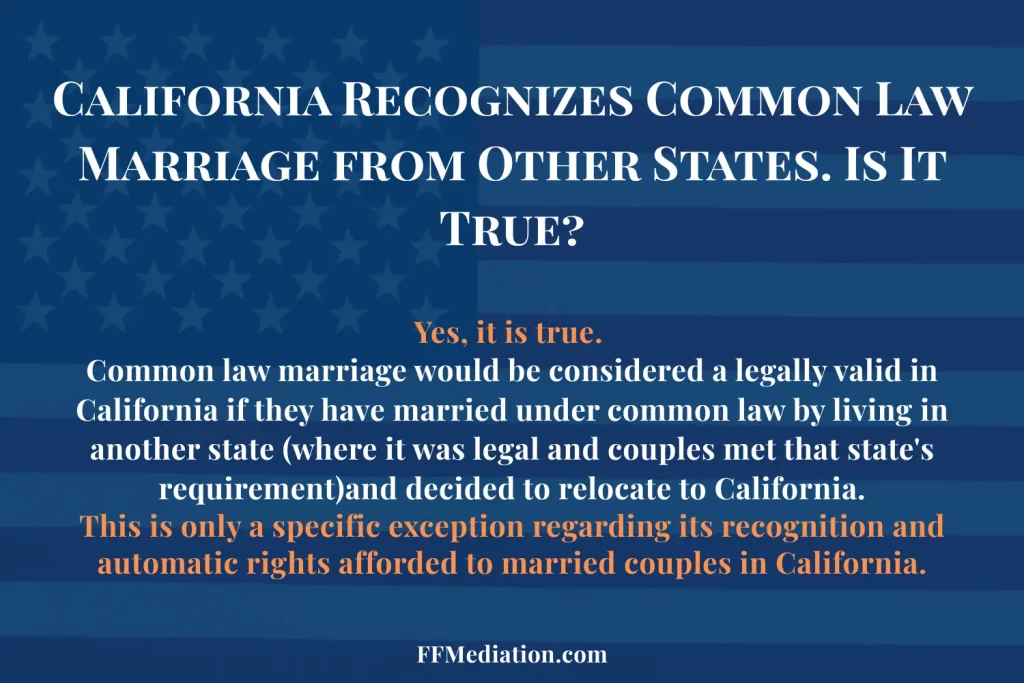
Every reservation, whether for a cozy guesthouse on the Mendocino Coast or a luxury suite in San Diego, is a contract. Common law governs the formation, interpretation, and enforcement of these agreements. Key elements include offer, acceptance, consideration (payment), and mutual intent.
For travelers, this means reading the fine print is crucial. Cancellation policies, refund eligibility, and specific terms of service are legally binding. While California law provides a baseline of protection, individual contracts can specify additional terms. For instance, a long-term stay at an apartment in Ventura might involve a detailed lease agreement, whereas a short hotel stay at a downtown Sacramento property is often governed by a more standardized set of terms. Understanding that these are legally binding agreements can help prevent misunderstandings and provide a basis for resolving disputes.
Property Rights and Renting: Long-Term Stays and Digital Nomads
For individuals considering an extended stay or even permanent relocation, California’s property laws become increasingly relevant. While the common law framework dictates general property ownership and landlord-tenant relationships, specific statutes further refine these rights.
For instance, California has strong tenant protection laws, which are crucial for digital nomads or those seeking long-term accommodation. These laws regulate everything from security deposits to eviction procedures. While a short-term vacation rental in Carmel-by-the-Sea might fall under different regulations, a month-to-month lease in Monterey would grant tenants specific rights regarding notice periods, habitability, and fair housing. Awareness of these rights ensures a smoother and more secure living experience, preventing potential pitfalls with landlords or property managers. For married couples looking to purchase property, the community property aspect means that both spouses generally have an equal interest in the home, regardless of whose income was used for the purchase.
Beyond the Law Books: Lifestyle, Landmarks, and Legal Frameworks
The legal framework of California doesn’t just dictate formal agreements; it subtly influences the very fabric of its lifestyle and the preservation of its iconic landmarks.
Preserving California’s Icons: Legal Aspects of Conservation
California’s stunning natural beauty, from the majestic redwoods of Redwood National Park to the serene waters of Lake Tahoe and the stark landscapes of Death Valley National Park, is protected by a complex web of environmental and property laws. While many of these are statutory (e.g., federal and state park regulations), their enforcement and interpretation often rely on common law principles related to public trust, property rights, and environmental torts. Historic sites like Hearst Castle or cultural landmarks in Hollywood are also subject to specific legal protections, including zoning laws, historical preservation ordinances, and regulations governing access and use.
These legal frameworks ensure that both residents and tourists can continue to enjoy these treasured destinations while balancing conservation with public access and economic development. They also influence the development of new tourism infrastructure, such as hotels near Yosemite National Park or attractions like Universal Studios Hollywood, ensuring compliance with environmental standards and community impact assessments.
Business and Investment in the Golden State: A Legal Perspective
For entrepreneurs eyeing California’s thriving tourism sector, whether opening a boutique hotel in Santa Barbara or launching a new travel tech startup, a grasp of the state’s legal environment is indispensable. Common law governs most commercial transactions, corporate structures, and intellectual property rights. However, the influence of community property also extends to business owners who are married, as business assets acquired during marriage could be considered community property, impacting partnerships, financing, and succession planning.
The state’s strong regulatory environment, coupled with its common law foundation, provides both opportunities and challenges for businesses. Compliance with labor laws, consumer protection statutes, and environmental regulations is paramount. For investors looking at real estate development for tourism, understanding zoning laws and property rights, as well as the unique aspects of community property for personal investments, is critical.
Marriage, Partnerships, and Living in California
Beyond the immediate concerns of travel, California’s distinctive community property law becomes a central aspect of lifestyle for couples. For those who marry or enter into a domestic partnership in California, or move there as a married couple, all assets and debts accumulated from that point forward are generally considered to be equally owned by both partners. This includes income, real estate, investments, and even some retirement accounts.
This legal framework influences decisions ranging from joint financial planning for luxury travel experiences to acquiring a family home near Anaheim. It also plays a significant role in the unfortunate event of separation or divorce, ensuring a fair division of marital assets. For international visitors or those from other U.S. states where common law property systems prevail, this can be a crucial distinction to understand when making long-term lifestyle and financial commitments in California.
Making the Most of Your California Journey with Legal Awareness
In conclusion, California is indeed a common law state, yet one beautifully interwoven with threads of civil law, most notably through its community property system. This unique legal tapestry is a testament to its vibrant history and diverse cultural influences.
Key Legal Tips for Visitors
- Read Contracts Carefully: Whether it’s a hotel booking, a car rental, or an experience package, understand the terms and conditions.
- Know Your Consumer Rights: California offers robust consumer protections against fraud, misrepresentation, and unfair business practices.
- Understand Rental Agreements: For long-term stays, be aware of tenant rights and responsibilities.
- Seek Advice for Significant Commitments: If planning to move, invest, or purchase property, especially as a married couple, consult with legal professionals familiar with California’s community property laws.
By understanding these fundamental aspects of California’s legal framework, both travelers and prospective residents can navigate the Golden State with greater confidence, ensuring a smoother, more enjoyable, and legally secure experience, whether they’re admiring the Golden Gate Bridge or embarking on a scenic drive along what was once Route 66. This legal awareness is an often-overlooked but invaluable tool for anyone looking to fully embrace the diverse offerings of California.
LifeOutOfTheBox is a participant in the Amazon Services LLC Associates Program, an affiliate advertising program designed to provide a means for sites to earn advertising fees by advertising and linking to Amazon.com. Amazon, the Amazon logo, AmazonSupply, and the AmazonSupply logo are trademarks of Amazon.com, Inc. or its affiliates. As an Amazon Associate we earn affiliate commissions from qualifying purchases.