
California, a state synonymous with innovation, natural beauty, and a vibrant lifestyle, is a destination that captivates millions of travelers annually. From the sun-drenched beaches of Southern California to the majestic redwoods of the north, and from bustling metropolitan hubs to serene wine countries, the Golden State offers an unparalleled array of experiences. For anyone planning a trip, relocating, or simply curious about the vast geography of this iconic state, understanding its area codes provides a fascinating insight into its regional divisions and unique character. More than just a sequence of numbers, California’s area codes serve as a digital roadmap, guiding you through its diverse landscapes, helping you pinpoint destinations, and even informing your travel planning, from booking accommodations to discovering local attractions.

In the realm of travel, knowing the local area code can be surprisingly useful. It helps in identifying the specific locale of a hotel, understanding the regional context of a restaurant recommendation, or simply making a local call without incurring long-distance charges. For those looking to immerse themselves in California’s rich tourism offerings, these codes are an invisible thread connecting you to the heart of each destination. This article delves into the intricacies of California’s area codes, revealing how they reflect the state’s growth, population density, and geographic segmentation, all while offering practical insights for your next Golden State adventure.
Decoding California’s Geographic Tapestry Through Area Codes
The history of area codes in California is a narrative of rapid growth and technological evolution. As one of the most populous and geographically diverse states in the United States, California has seen its numbering plan evolve dramatically since the inception of the North American Numbering Plan (NANP) in the 1940s. What started with a handful of codes has blossomed into a complex network, each sequence of three digits telling a story about the communities it serves.
The Evolution of California’s Numbering Plan
Initially, California was divided into just three original area codes in 1947: 213 for Southern California (primarily Los Angeles and surrounding areas), 415 for the San Francisco Bay Area, and 916 for the vast northern and eastern parts of the state, including Sacramento. These initial divisions reflected the population centers and communication needs of a bygone era. As California boomed in the mid-20th century, fueled by post-war migration, technological advancements, and economic prosperity, the demand for telephone numbers soared.
This exponential growth necessitated frequent splits and additions to the area code map. The 213 area code, for instance, underwent numerous divisions, giving birth to codes like 714 for Orange County in 1951, and later 818 for the San Fernando Valley in 1984. Similarly, the original 415 spawned codes like 510 for the East Bay and 707 for the North Bay and Wine Country. Each split represented a moment in time when a particular region’s population and economic activity warranted its own unique identifier. For travelers, this historical context highlights how certain codes are deeply embedded in the identity of their respective regions, often evoking a sense of local pride and heritage.
Understanding Overlay Codes and Their Impact
By the late 1990s and early 2000s, California’s population continued to surge, alongside the proliferation of cell phones, fax machines, and internet modems, leading to an unprecedented demand for telephone numbers. Traditional area code splits became impractical and confusing for residents, as it often meant changing existing numbers. To address this, the concept of “overlay” area codes was introduced. An overlay occurs when a new area code is assigned to the same geographic region as an existing one, requiring ten-digit dialing for all local calls within that region.
This system, while initially met with some resistance due to the shift from seven-digit to ten-digit dialing, has become a common solution in densely populated areas. For example, the historic 213 area code, which once covered most of Los Angeles, now shares its territory with 323. Likewise, 415 in San Francisco is overlaid with 628, and 408 in San Jose with 669. The presence of overlay codes often signifies a highly developed, high-demand region, which for a traveler, might mean a hub of activity, plentiful accommodation options, and a diverse range of attractions. It’s a key detail for anyone planning to navigate these vibrant parts of California.
Your Digital Roadmap to California’s Diverse Destinations
Beyond their administrative function, California’s area codes serve as an unofficial geographical guide, delineating the unique characteristics of each region. For the discerning traveler, understanding these codes can enhance the planning process, offering a quick identifier for the type of experience one can expect. Whether you’re seeking the glitz and glamour of Hollywood, the tranquility of a wine estate, or the rugged beauty of a national park, the area code points the way.
Southern California: Glamour, Beaches, and Desert Wonders
Southern California is a mosaic of sun-drenched coastlines, sprawling urban centers, and dramatic desert landscapes. Its area codes reflect this diversity, each associated with iconic destinations.
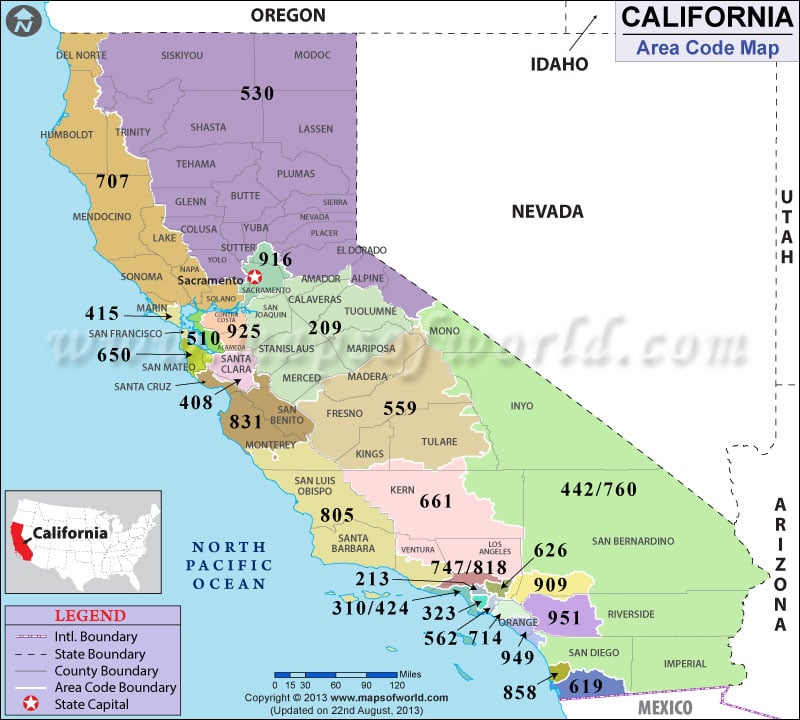
- Los Angeles County: The heart of Southern California pulsates with multiple area codes. The historic 213 and its overlay 323 primarily cover downtown Los Angeles, a hub for business, entertainment, and cultural landmarks like the Walt Disney Concert Hall. Westside communities, including Santa Monica, Beverly Hills, and Malibu, fall under 310 and its overlay 424. These codes signal luxury travel, pristine beaches, and celebrity sightings. The San Fernando Valley uses 818 and 747, while Pasadena and the San Gabriel Valley are covered by 626. Areas like Long Beach and parts of Southeast Los Angeles use 562. For travelers, these distinctions help in pinpointing accommodations near specific attractions, be it the Santa Monica Pier or the Rose Bowl.
- Orange County: Home to Disneyland Park and renowned surf spots, Orange County is primarily served by 714 and 657. These codes immediately bring to mind family-friendly vacations, vibrant coastal cities like Huntington Beach, and upscale resorts.
- San Diego and the Deserts: San Diego County, known for its beautiful bay, temperate climate, and attractions like Balboa Park and the Gaslamp Quarter, is covered by 619 (primarily San Diego city and border regions) and 858 (northern San Diego County). Further east, encompassing the desert landscapes around Palm Springs and the Imperial Valley, you’ll find 760 and its overlay 442. These codes hint at diverse tourism options, from urban exploration to desert retreats and golf resorts.
- Inland Empire: East of Los Angeles, the Inland Empire is covered by 909 and 951. This region offers a different kind of California experience, with mountains, lakes, and burgeoning wine regions, appealing to those seeking outdoor adventures and a more relaxed pace.
Central California: Wineries, Coastlines, and National Parks
Bridging the gap between the bustling south and the innovative north, Central California offers a blend of agricultural richness, pristine coastlines, and access to some of the nation’s most spectacular national parks.
- Central Coast: The picturesque Central Coast, famed for its wine regions in Paso Robles and stunning landscapes around Big Sur, uses area codes 805 and its new overlay 223. Cities like Santa Barbara, San Luis Obispo, and Ventura fall within this region. This area is perfect for luxury travel involving wine tasting, scenic drives, and exploring historic landmarks such as Hearst Castle.
- Central Valley: The fertile Central Valley, the agricultural heartland of California, is covered by several codes. Fresno and the surrounding areas use 559, providing access to Yosemite National Park and Sequoia National Park. Bakersfield and Kern County are in 661, while Stockton and Modesto fall under 209 and its overlay 350. While not typical tourist hotspots, these areas offer insights into California’s agricultural economy and are crucial gateways to mountain adventures.
Northern California: Tech Innovation Meets Redwood Forests
Northern California is a land of contrasts, home to technological innovation, world-class wineries, and ancient redwood forests.
- San Francisco Bay Area & Silicon Valley: The iconic San Francisco uses 415 and its overlay 628. This city is a magnet for tourism, with landmarks like the Golden Gate Bridge, Alcatraz Island, and diverse neighborhoods. The East Bay, including Oakland and Berkeley, uses 510 and 341, offering vibrant cultural scenes and culinary delights. Silicon Valley, centered around San Jose, uses 408 and 669, while the Peninsula uses 650. These codes are synonymous with technology, innovation, and a fast-paced, urban lifestyle.
- Wine Country and Beyond: North of the Bay Area lies the world-renowned Wine Country, encompassing Napa Valley and Sonoma County. These regions are primarily under 707 and its recent overlay 369. Travelers flock here for exquisite wine tours, gourmet dining, and luxurious resort stays, making it a prime destination for luxury travel and culinary tourism.
- Sacramento and the Gold Country: As the state capital, Sacramento and its surrounding areas, including parts of the historic Gold Country, are served by 916 and 279. This region offers a blend of historical tourism, with insights into California’s Gold Rush era, and contemporary urban experiences.
- Far North California: The vast expanse of Far North California, stretching from the Sierra Nevada to the Oregon border, is largely covered by 530 and its new overlay 837. This includes natural wonders like Lake Tahoe, Mount Shasta, and the majestic Redwood National and State Parks. This area is a haven for nature lovers, offering unparalleled outdoor activities and a completely different pace of life compared to the urban centers.
Maximizing Your California Experience: Area Codes for Seamless Travel and Lifestyle
For travelers, accommodation providers, and anyone planning an extended stay in California, area codes are more than just dialing prefixes; they are integral to understanding local nuances and making informed decisions.
Accommodation, Dining, and Local Immersion
When researching hotels, booking apartments, or comparing villas, the area code immediately places the accommodation within a regional context. A hotel with a 310 number suggests a prime Los Angeles location, likely near upscale shopping and dining in Beverly Hills or the beaches of Santa Monica. Conversely, a 707 number points to the serene landscapes and luxurious retreats of Napa Valley or Sonoma. This simple detail helps travelers align their accommodation choices with their desired lifestyle and travel budget, whether it’s a luxury resort, a boutique hotel, or a budget-friendly hostel.
Beyond lodging, area codes play a subtle role in local immersion. Dialing a local number often connects you to small businesses, unique attractions, and authentic cultural experiences. For instance, finding a hidden gem restaurant in San Diego (619/858) or an artisan shop in Carmel-by-the-Sea (831) becomes easier when you have a general understanding of the regional codes. Knowing the area code can also be crucial for emergency services, local event hotlines, or making reservations at popular attractions.
Crafting Your Ideal California Itinerary
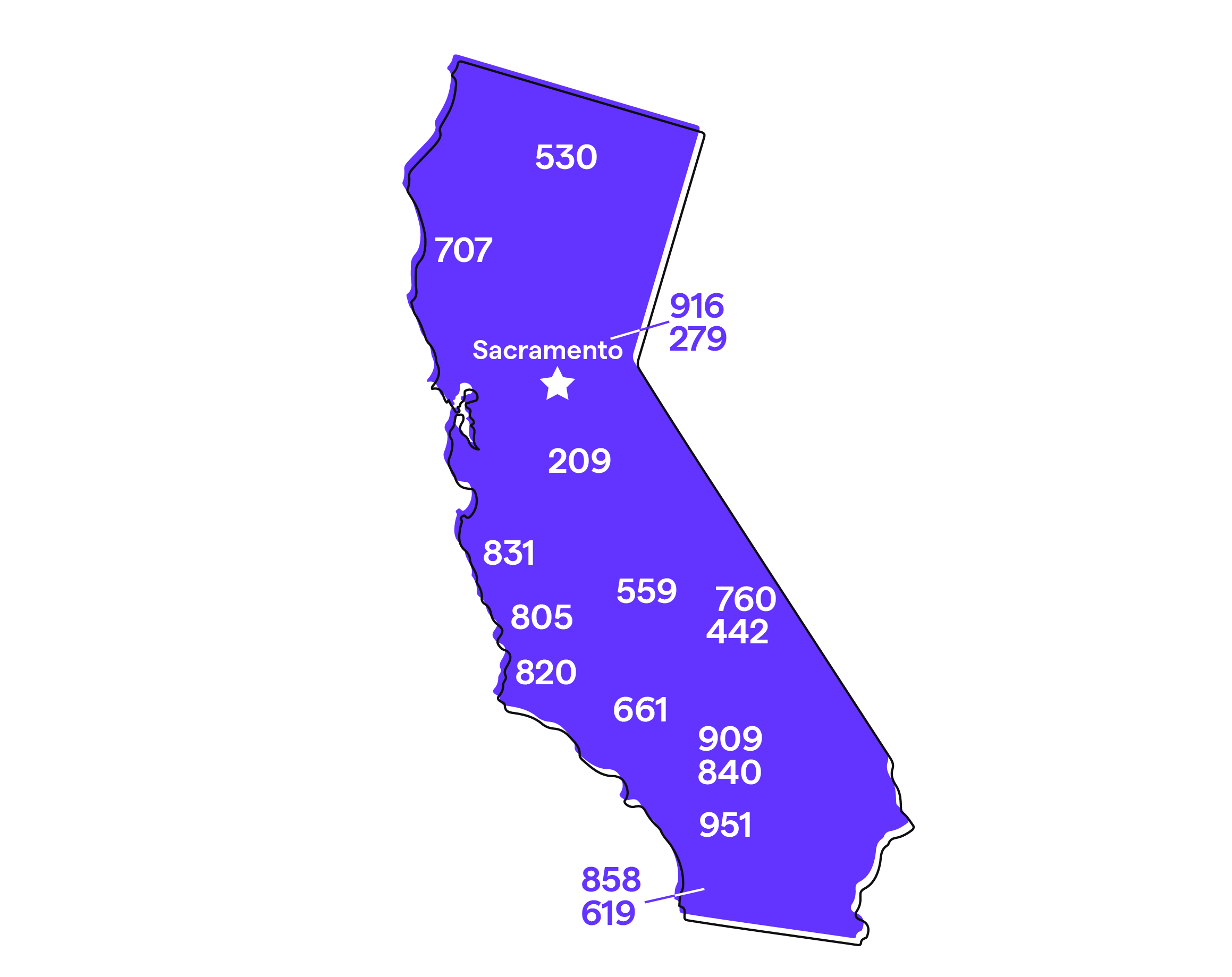
Ultimately, California’s area codes act as a helpful framework for crafting an ideal travel itinerary. They allow you to mentally segment your journey, focusing on distinct experiences. A trip might start in the urban sprawl of Los Angeles (213/323/310), move up the scenic Central Coast (805) with its wineries, and culminate in the cultural vibrancy of San Francisco (415/628) or the natural splendor of the Redwood Empire (707/530). Each change in area code signifies a transition to a new landscape, a new pace of life, and a fresh set of adventures waiting to be discovered.
In conclusion, “What Are The California Area Codes?” is a question that opens the door to a deeper understanding of this magnificent state. From historical development to modern-day geographical identifiers, these three-digit prefixes are much more than just numbers. They are vital components of California’s identity, serving as a practical tool for travel planning, accommodation choices, and an immersive exploration of its diverse destinations and lifestyles. So, as you plan your next journey to the Golden State, keep an eye on those area codes – they might just be your most unexpected travel guide.
LifeOutOfTheBox is a participant in the Amazon Services LLC Associates Program, an affiliate advertising program designed to provide a means for sites to earn advertising fees by advertising and linking to Amazon.com. Amazon, the Amazon logo, AmazonSupply, and the AmazonSupply logo are trademarks of Amazon.com, Inc. or its affiliates. As an Amazon Associate we earn affiliate commissions from qualifying purchases.