
California, the Golden State, is synonymous with innovation, breathtaking landscapes, and an enviable lifestyle. From the sun-drenched beaches of San Diego to the tech-driven dynamism of Silicon Valley and the iconic allure of Hollywood, it offers a diverse tapestry of experiences for travelers, digital nomads, and those seeking a permanent change of scenery. However, alongside its myriad attractions, California is also widely known for its progressive tax system, particularly its income tax rates. For anyone considering a move, a long-term stay, or even just planning an extended vacation that might involve some remote work, understanding these rates is crucial to budgeting and truly appreciating the full picture of life out of the box in this vibrant state. This article delves into California‘s income tax structure, exploring how it impacts travel, accommodation, and the overall lifestyle experience, helping you navigate the financial landscape of one of the world’s most desirable destinations.
Understanding California’s Tax Landscape for Travelers and Residents
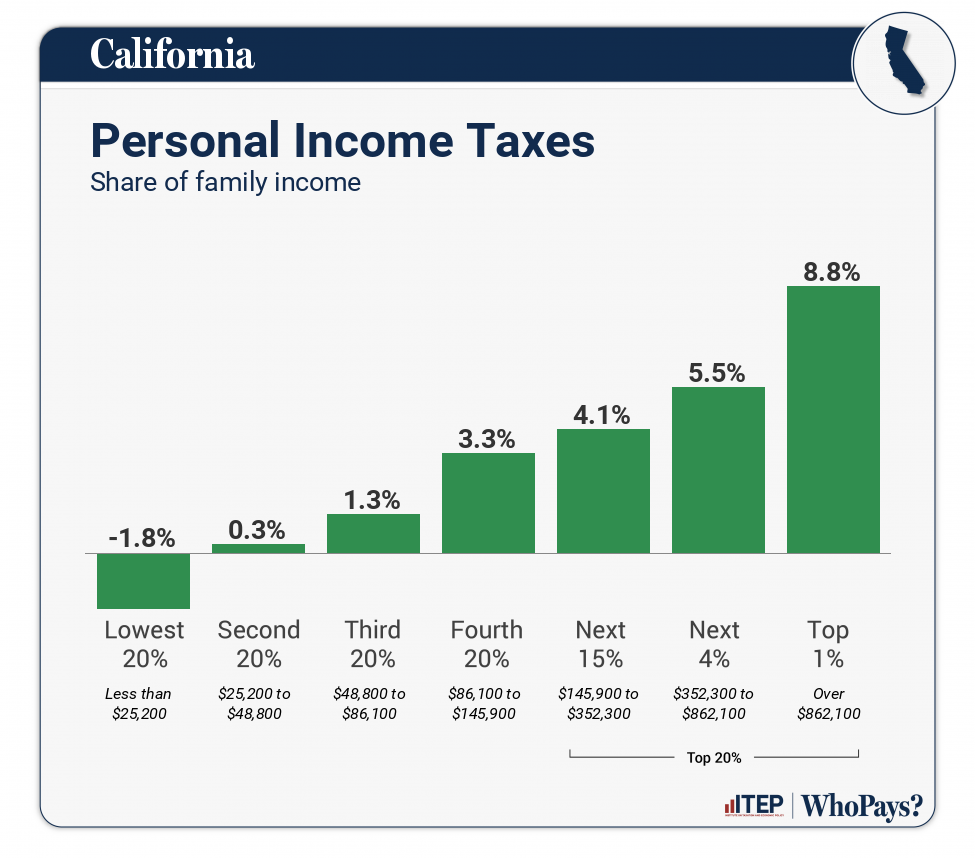
California consistently ranks among the states with the highest income tax rates in the United States. While this reputation often precedes it, the reality is nuanced, especially when viewed through the lens of travel, tourism, and lifestyle choices. For a visitor planning a short trip to explore Yosemite National Park, stroll across the Golden Gate Bridge in San Francisco, or enjoy the magic of Disneyland Resort, direct state income tax liability is generally not a concern unless they earn income within the state. However, for those contemplating a longer stay, remote work, or even relocating, understanding the progressive nature of the state’s tax system becomes paramount.
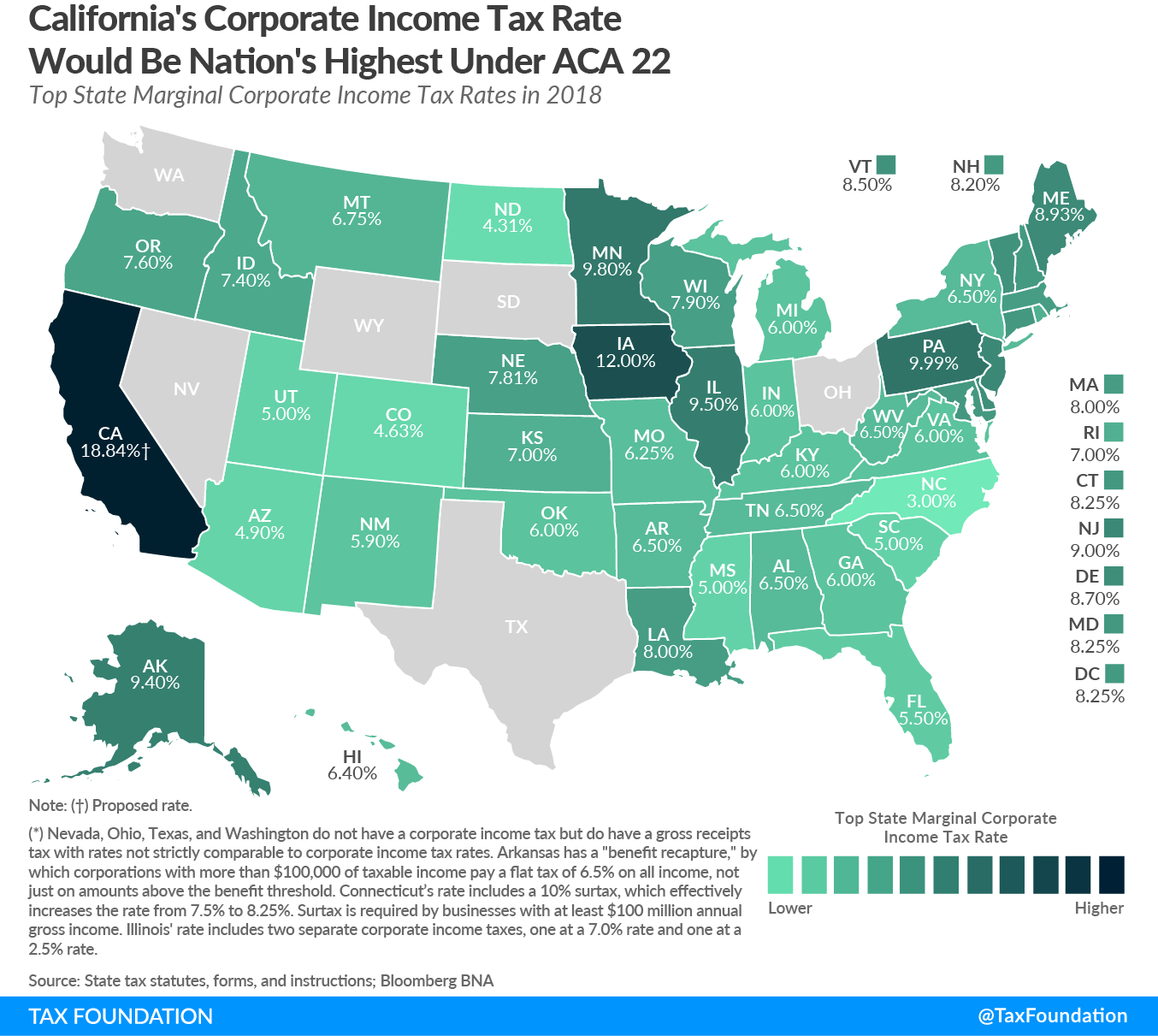
The high tax rates in California are often justified by the state’s extensive public services, commitment to environmental protection, and significant investment in infrastructure and education. These investments contribute to the high quality of life and the preservation of the natural beauty that draws millions of tourists and residents annually. From pristine state parks and world-class universities to a robust public transportation network in major cities, the benefits are tangible, albeit with a price tag. This financial reality shapes everything from the cost of accommodation—whether luxury suites in Beverly Hills or budget-friendly apartments in vibrant neighborhoods—to the pricing of local experiences and activities. For individuals accustomed to a certain lifestyle, or those hoping to embrace a new one, a clear picture of the tax implications is essential for informed decision-making.
The Basics: Unpacking California’s Progressive Income Tax System
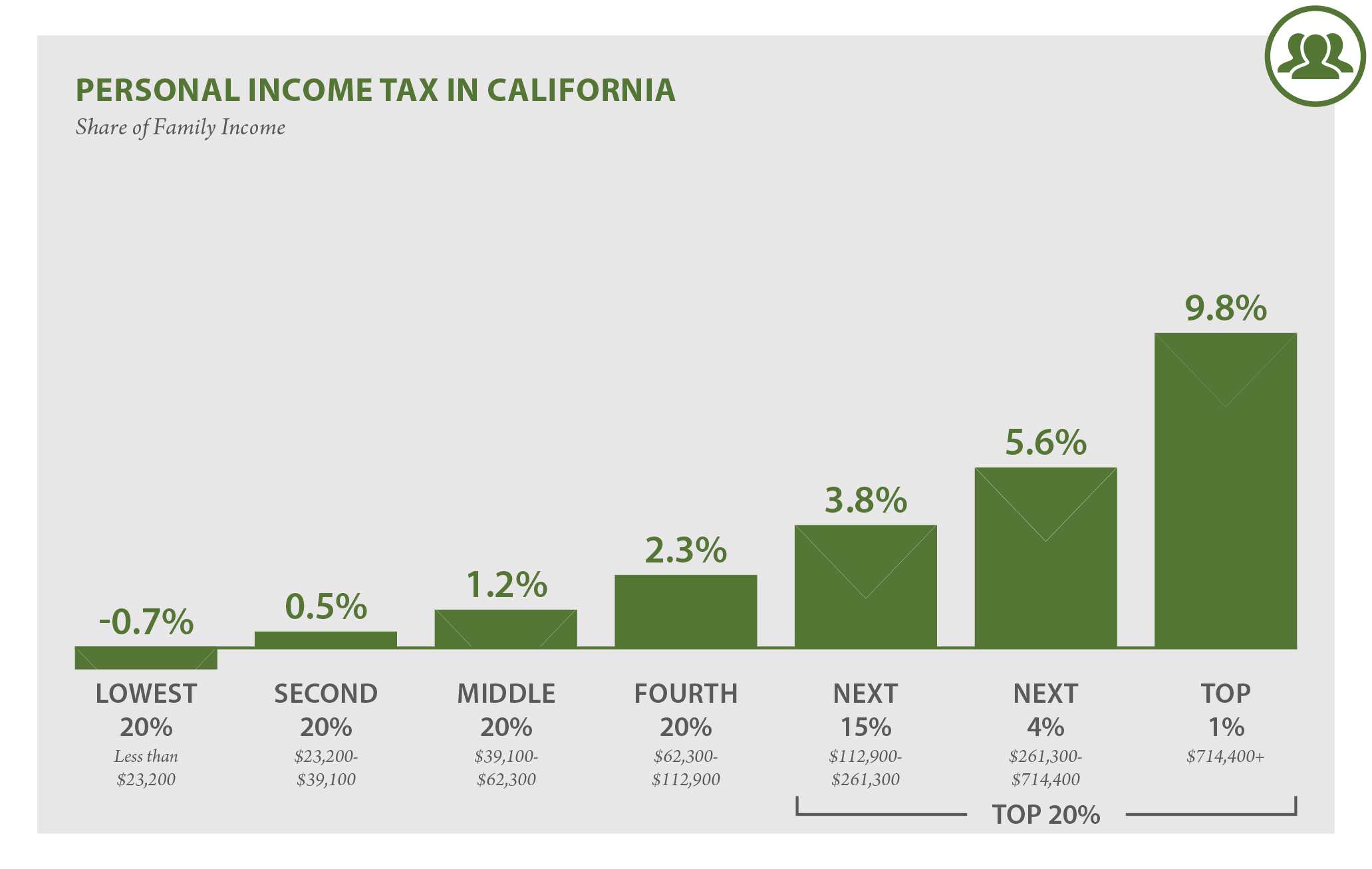
California operates on a progressive income tax system, meaning that as your income increases, the percentage of tax you pay on additional income also rises. This is a common system designed to tax higher earners at a greater rate. For the 2023 tax year, California’s state income tax rates range from 1% to 12.3%, with an additional 1% surcharge on taxable incomes over $1 million for mental health services. This means the top marginal rate can effectively reach 13.3% for high-income earners. These rates are applied to taxable income, which is your gross income minus deductions and exemptions.
The exact rate you pay depends on several factors, including your filing status (single, married filing jointly, head of household, married filing separately, or qualifying widow(er)) and your total taxable income. For instance, a single filer with a modest income might fall into a lower bracket, paying a relatively small percentage of their earnings in state income tax. In contrast, an individual earning several hundred thousand dollars or more annually will see a significant portion of their income taxed at the higher marginal rates.
It’s important to differentiate between federal income tax and state income tax. California state income tax is separate from the federal taxes paid to the U.S. government. Both are withheld from paychecks or paid through estimated taxes by residents and those earning income in the state. For visitors from other countries, understanding the interplay between federal and state tax obligations is crucial, especially if their visit involves any form of gainful employment or income generation within California’s borders. The state also has various credits and deductions that can reduce an individual’s tax liability, such as those for dependent care, earned income, and disaster losses, which can provide some relief, especially for families and lower-income residents.
The Impact on Your California Dream: Travel, Lifestyle, and Investment
The Golden State’s appeal is undeniable, drawing millions each year to its vibrant cities, world-renowned wine regions like Napa Valley, and natural wonders like Lake Tahoe and the scenic Pacific Coast Highway. However, the state’s tax rates are an inherent part of the financial backdrop that influences how people travel, choose accommodation, and shape their lifestyles within California.
For the Golden State Wanderer: Short-Term Stays and Tourism
For the vast majority of tourists visiting California for a short stay, direct state income tax is not a personal concern. Unless you are performing services or earning taxable income within the state during your visit, you won’t be required to file a California state income tax return. Instead, the primary financial considerations for travelers relate to sales tax and Transient Occupancy Taxes (TOT), often referred to as hotel taxes.
California’s statewide sales tax rate is 7.25%, but local district taxes can add significantly to this, pushing the effective rate as high as 10.75% in some areas. This applies to most goods purchased, from souvenirs in Los Angeles to boutique items in San Francisco’s trendy districts. More impactful for accommodation budgets are the TOTs. These local taxes are levied on hotel rooms, vacation rentals, and other temporary lodging. Rates vary widely by city and county, often ranging from 8% to 15%, and in some popular destinations, they can even exceed 17% on top of the room rate. For instance, staying at a luxury resort in Santa Monica or a charming boutique hotel in Napa Valley will incur a substantial TOT, directly increasing the overall cost of your trip. These taxes contribute significantly to local government revenues, funding public services and tourism promotion, thereby indirectly supporting the very attractions drawing visitors. When planning your budget for a trip to California, it’s crucial to factor in these additional costs, especially if you’re aiming for a specific type of experience, be it a lavish stay or a more budget-conscious adventure.
Considering a Longer Stay or Remote Work? The Tax Implications
The game changes entirely if you’re considering a longer stay, engaging in remote work while in California, or contemplating a full relocation. California has very broad rules for establishing residency for tax purposes. Generally, if you are present in the state for more than nine months of the taxable year, or if your primary domicile is in California and you intend to return, you will likely be considered a resident for tax purposes. This means your worldwide income could be subject to California state income tax, even if some of that income is earned outside the state.
For digital nomads, remote workers, or those on extended sabbaticals, this is a critical consideration. If your employer is based outside California but you perform your work from a California address for a significant period, you could incur a state income tax liability. Many professionals are drawn to California for its unparalleled blend of professional opportunities and lifestyle attractions – whether that’s the tech hub of San Francisco, the creative industries of Los Angeles, or the serene beauty of coastal towns for a quiet remote work setup. However, the high tax burden often leads individuals to weigh the pros and cons carefully, sometimes comparing it to states with no income tax or other countries popular with digital nomads. Proper tax planning, and possibly consulting with a tax professional specializing in multi-state taxation, becomes indispensable for anyone planning an extended stay or move. The allure of living near iconic landmarks or world-class entertainment must be balanced with the financial realities of residency.
Lifestyle and Budgeting in High-Tax California
California’s income tax rates inherently influence the overall cost of living, which in turn impacts lifestyle choices, accommodation options, and even the feasibility of certain travel styles. High income taxes, combined with generally high housing costs (whether renting an apartment in San Francisco or purchasing a home in Orange County), contribute to California’s reputation as an expensive place to live and visit. This makes meticulous budgeting crucial for both long-term residents and travelers planning extensive trips.
For those pursuing a luxury travel lifestyle, staying in five-star Los Angeles hotels or exclusive resorts in Palm Springs, the impact of income tax might feel less direct on their day-to-day spending, but it’s a significant factor for those earning and living within the state who can afford such indulgences. For budget travelers, families planning a trip to Disneyland Resort, or individuals considering a more modest lifestyle, the aggregate effect of taxes can necessitate careful financial planning. This might mean opting for more affordable accommodations, such as extended-stay apartments or boutique hostels, choosing self-catering options to save on dining out, or seeking out free attractions like California’s numerous state beaches and hiking trails. The balance between earning potential and the tax burden is a constant consideration, particularly for young professionals and families. The ability to enjoy California’s diverse offerings—from world-class dining experiences to exploring national parks—is inextricably linked to how one manages their finances within this high-tax environment.
Beyond Income Tax: Other Financial Considerations in California
While state income tax often garners the most attention, it’s just one piece of the financial puzzle in California. A holistic view requires understanding other taxes and costs that contribute to the overall economic landscape for both visitors and residents.
Sales Tax, Property Tax, and Other Levies
Beyond income tax, sales tax is a significant factor for everyone in California. As mentioned, the statewide rate of 7.25% is often augmented by local district taxes, leading to combined rates that can exceed 10%. This means that nearly every purchase, from a gourmet meal in San Francisco to new hiking gear for your Yosemite National Park adventure, will include this additional cost. For tourists, this can add up over the course of a trip, and for residents, it’s a constant consideration in their daily budgeting.
Property taxes, while not directly impacting short-term tourists, are a major component of the cost of living and accommodation in California. High property values translate into substantial property tax bills for homeowners, which in turn influences rental prices and the overall housing market. This indirect impact means that even those staying in hotels or rental apartments are feeling the ripple effect of California’s real estate market and associated property taxes. Other notable levies include gas taxes, which contribute to some of the highest fuel prices in the nation, vehicle registration fees, and various local taxes and fees that can differ significantly from one municipality to another. These cumulative costs underscore the financial commitment involved in experiencing the California lifestyle, whether for a temporary visit or a permanent residency.
The Value Proposition: What Do Californians Get for Their Taxes?
Despite the high tax rates, millions continue to flock to California for its unparalleled opportunities and quality of life. The question often arises: what do Californians get for their taxes? The answer lies in the state’s robust public services, world-class infrastructure, and commitment to preserving its natural wonders. Tax revenues fund a wide array of public goods and services that enhance both resident and visitor experiences.
These include a vast network of state parks, beaches, and protected natural areas, from the redwood forests of Northern California to the deserts of the south, offering endless outdoor activities. They support innovative public education systems, including the esteemed University of California and California State University systems, which attract talent globally. Taxes also contribute to a strong social safety net, significant investments in renewable energy and environmental protection, and a diverse cultural landscape with world-class museums, performing arts venues, and culinary scenes. The high quality of roads (like the legendary Pacific Coast Highway), public transportation options, and emergency services are also direct benefits. For many, the cost is a worthwhile trade-off for living amidst innovation, enjoying year-round sunshine, diverse experiences, and access to some of the most beautiful and iconic landmarks on Earth. It’s an investment in a lifestyle that blends professional dynamism with unparalleled recreational opportunities.
Conclusion
Navigating the financial intricacies of California, particularly its income tax rates, is an essential step for anyone planning to visit, work, or live in the state. While California’s progressive tax system means higher earners face significant liabilities, the impact on travelers and those considering shorter stays is primarily felt through indirect taxes like sales tax and Transient Occupancy Taxes. However, for remote workers or those contemplating residency, a deeper understanding of the income tax structure is vital for sound financial planning.
Ultimately, the Golden State presents a unique value proposition. Its high cost of living and tax burden are often offset by an extraordinary quality of life, access to world-class attractions, diverse cultural experiences, and unparalleled natural beauty. Whether you’re dreaming of a luxury escape in Santa Barbara, an adventurous backpacking trip through Big Sur, or a permanent move to pursue career opportunities in Los Angeles, understanding the financial landscape empowers you to make informed decisions. By factoring in these considerations, you can ensure your California dream remains vibrant and financially sustainable, allowing you to fully embrace the myriad experiences this iconic state has to offer.
LifeOutOfTheBox is a participant in the Amazon Services LLC Associates Program, an affiliate advertising program designed to provide a means for sites to earn advertising fees by advertising and linking to Amazon.com. Amazon, the Amazon logo, AmazonSupply, and the AmazonSupply logo are trademarks of Amazon.com, Inc. or its affiliates. As an Amazon Associate we earn affiliate commissions from qualifying purchases.