
California, often referred to as the Golden State, stands as a colossal economic and cultural powerhouse within the United States. Its allure, stretching from the sun-drenched beaches of Southern California to the majestic redwood forests of Northern California, has consistently drawn people from across the globe. Understanding California’s population isn’t just about crunching numbers; it’s about grasping the dynamic forces that shape its vibrant cities, diverse landscapes, and the very fabric of its tourism and lifestyle industries. The state’s demographic profile profoundly influences everything from the type of accommodation options available to the travel experiences visitors seek, and the evolving lifestyle trends that define contemporary California.
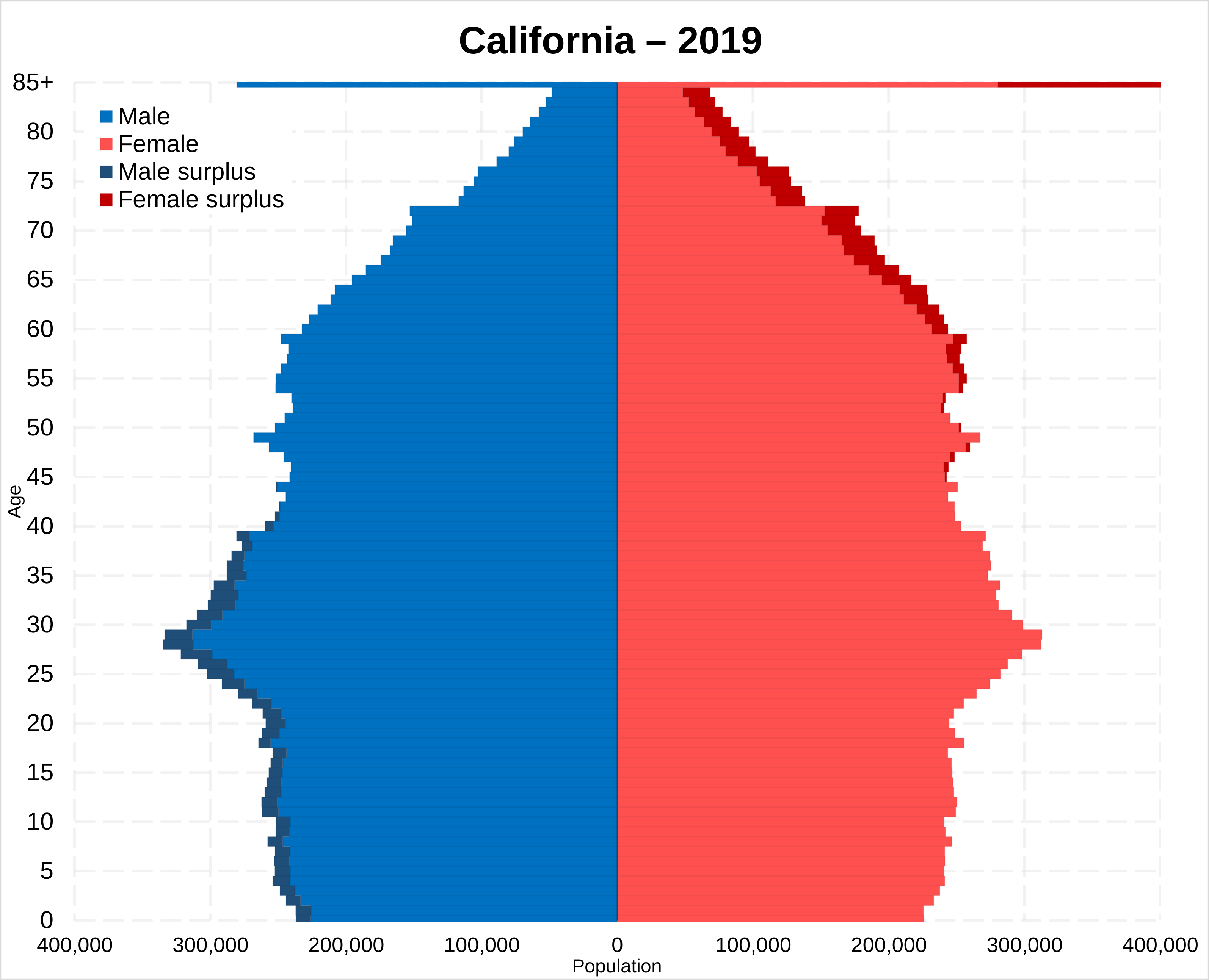
At its core, California’s population tells a story of relentless growth, unparalleled diversity, and continuous reinvention. It’s a magnet for dreamers, innovators, and those seeking a slice of its fabled quality of life. For anyone planning a visit, considering a move, or simply curious about what makes this state tick, a deep dive into its demographic landscape offers invaluable insights. From the bustling streets of Los Angeles to the tech hubs of Silicon Valley, the people of California are the primary drivers of its appeal, shaping its landmarks, its cuisine, and its unique brand of tourism.
A Snapshot of the Golden State’s Demographics
To truly appreciate California’s impact on the global stage, one must first grasp the sheer scale and composition of its populace. It is a state that not only leads in economic output but also in the fascinating interplay of cultures and backgrounds.
The Sheer Scale: Numbers and Growth
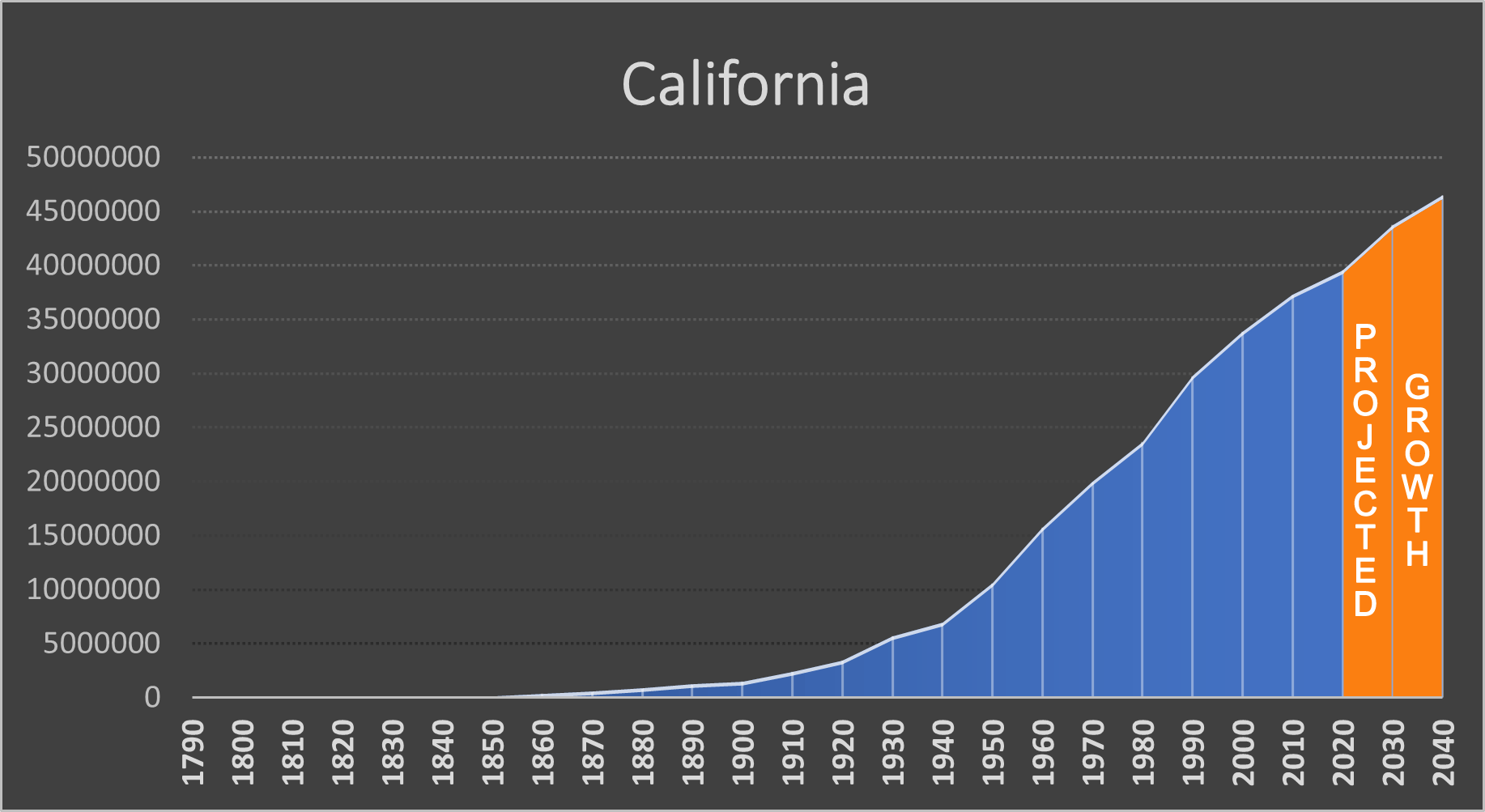
With a population consistently hovering around 39 million residents, California is by far the most populous state in the United States. This vast number alone makes it comparable to many medium-sized countries around the world. For instance, if [California](https://lifeoutofthe বাংলার was an independent nation, it would rank among the top 40 most populous countries globally. This immense population base creates an equally massive domestic tourism market, with residents frequently exploring their own state’s attractions. The sheer volume of people translates into robust demand for all facets of the hospitality sector, from luxury resorts to budget-friendly hotels and a myriad of dining experiences.
While the state has experienced periods of rapid growth, recent years have seen a slight deceleration or even a modest decline in population, influenced by factors such as outbound migration, declining birth rates, and evolving housing affordability. Despite these shifts, the overall population remains substantial, ensuring a vibrant local economy and a diverse array of perspectives that enrich the state’s cultural landscape. This ongoing demographic evolution prompts constant adaptation within the travel and accommodation industries, as businesses strive to meet the changing needs and preferences of both residents and visitors.
A Tapestry of Cultures: Diversity in California
Perhaps even more defining than its size is California’s extraordinary diversity. It is a melting pot of ethnicities, languages, and traditions, often touted as a “majority-minority” state, meaning no single ethnic group constitutes a majority of the population. Hispanic/Latino residents form the largest demographic group, reflecting a long history and close ties with Mexico and other Latin American countries. A substantial Asian population, originating from countries like China, the Philippines, Vietnam, and India, also significantly contributes to the state’s cultural richness, particularly visible in cities like San Francisco and Los Angeles.
This demographic kaleidoscope is not merely a statistical fact; it is a living, breathing reality that infuses every aspect of California life. For tourism, this means an unparalleled array of cultural festivals, ethnic cuisines, and distinct neighborhood experiences. Visitors can explore vibrant Chinatowns, bustling Little Saigons, historic Mexican barrios, and diverse cultural centers, each offering unique insights and authentic experiences. This diversity also shapes lifestyle choices, influencing everything from fashion and art to recreational activities and family trips, making California a endlessly fascinating destination for domestic and international travelers alike.
Population Dynamics and Their Impact on Travel and Tourism
The distribution and characteristics of California’s population are not static; they are dynamic forces that continuously reshape the state’s travel and tourism landscape. Understanding these dynamics is key to unlocking the secrets of a successful California adventure.
Urban Hubs: Where Most Californians Live and Play
A significant majority of California’s population resides in its major metropolitan areas. Los Angeles County alone is home to over 10 million people, making it the most populous county in the United States. Other large population centers include the Bay Area (encompassing San Francisco, Oakland, and San Jose), and the San Diego metropolitan area. These urban hubs are not just residential centers; they are also epicenters of economic activity, innovation, and, crucially, tourism.
The concentration of people in these areas directly impacts visitor experiences. Major cities are where you’ll find the highest density of world-class hotels, diverse culinary scenes, and iconic landmarks. For example, Los Angeles offers the glitz of Hollywood, the thrill of Universal Studios Hollywood, and the artistic grandeur of The Getty Center. San Francisco boasts the majestic Golden Gate Bridge and the historical intrigue of Alcatraz Island. These population centers also serve as convenient bases for exploring nearby natural attractions, such as the beaches accessible from San Diego or the wine country north of San Francisco. The dense population also supports a robust public transportation network in some areas, though personal vehicles remain popular for broader exploration.

The Influence on Lifestyle and Accommodation Choices
California’s diverse population fosters a wide range of lifestyles, which in turn dictates the variety of accommodation and travel experiences available. From the tech moguls seeking luxury travel experiences in Beverly Hills or Napa Valley, to families on a budget trip to Disneyland Park in Anaheim, the market caters to all. This means a rich ecosystem of hotels, from opulent suites at properties like the Waldorf Astoria Beverly Hills or The Ritz-Carlton, Laguna Niguel, to charming boutique hotels, vacation rentals, and even well-equipped campgrounds for nature enthusiasts.
The transient nature of parts of the California workforce, particularly in tech and entertainment, also fuels a demand for both short-term corporate housing and long-term stays. This has led to the proliferation of apartment-style hotels and serviced residences in cities like San Jose and Los Angeles. Furthermore, the health-conscious lifestyle prevalent among many Californians influences hotel amenities, with a strong emphasis on fitness centers, healthy dining options, and wellness retreats, especially in destinations like Palm Springs or Santa Barbara.
Exploring California’s Iconic Destinations Through Its People
The vastness of California means its population is not uniformly distributed, leading to distinct regional characteristics that shape unique travel destinations and experiences.
Northern California: Innovation and Natural Beauty
Northern California is synonymous with innovation, particularly in the Bay Area, home to Silicon Valley. Cities like San Francisco, San Jose, and Oakland are vibrant hubs of technology, education, and culture. The population here is highly educated and diverse, driving demand for sophisticated urban experiences, from world-class museums and performing arts to cutting-edge cuisine. Hotels in these areas often cater to business travelers with modern amenities and convenient access to corporate headquarters, exemplified by properties like the Grand Hyatt San Francisco.
Beyond the urban sprawl, Northern California boasts unparalleled natural beauty, drawing outdoor enthusiasts. The majestic Yosemite National Park attracts millions annually, as do the serene shores of Lake Tahoe and the towering redwoods of Redwood National Park. The famous Wine Country of Napa Valley and Sonoma Valley offers a more relaxed, luxury lifestyle experience, with picturesque vineyards and gourmet dining, complete with boutique resorts and charming villas. The population here, while less dense, is equally influential in maintaining the pristine nature and high-end tourism offerings of these regions.
Southern California: Beaches, Entertainment, and Glamour
Southern California is often what comes to mind when people envision the Golden State. With its sprawling urban centers like Los Angeles, San Diego, Long Beach, and Anaheim, it’s a region defined by its vibrant entertainment industry, endless sunshine, and iconic beaches. The dense and diverse population here fuels a massive tourism industry centered around theme parks like Disneyland Park, celebrity culture in Hollywood and Beverly Hills, and the laid-back coastal lifestyle of Santa Monica and Laguna Beach.
The variety of accommodation in Southern California reflects this diverse population and visitor base. From family-friendly resorts near Anaheim to ultra-luxurious hotels on Rodeo Drive, and everything in between, there’s an option for every preference and budget. Notable landmarks such as the Santa Monica Pier, Griffith Observatory, and the Hollywood Walk of Fame are constantly bustling with both residents and tourists. San Diego, with its beautiful bay, historic Gaslamp Quarter, and proximity to Mexico, offers a distinct blend of cultural and recreational activities, supported by hotels like The US Grant, a Luxury Collection Hotel, San Diego. The region’s vibrant arts scene, diverse culinary landscape, and year-round pleasant weather make it a perennial favorite for both domestic and international visitors.
Future Trends: Sustaining California’s Allure
The ongoing evolution of California’s population will undoubtedly continue to shape its future as a premier travel destination. Understanding these trends is crucial for the hospitality and tourism sectors to remain competitive and appealing.
Addressing Challenges and Embracing Opportunities
While California’s population has been a source of strength, it also presents challenges. Issues like housing affordability, traffic congestion, and environmental concerns are significant considerations for residents and visitors alike. These challenges compel the state to innovate, leading to initiatives aimed at sustainable tourism, improved infrastructure, and diverse accommodation options that cater to different economic brackets. For instance, the rise of eco-friendly hotels and responsible travel practices is a direct response to a more environmentally conscious population and visitor base.
On the other hand, the enduring allure of the California lifestyle—its innovation, natural beauty, cultural diversity, and commitment to progress—continues to attract new residents and millions of tourists annually. The state’s forward-thinking approach to technology, sustainability, and social equity ensures that it remains at the forefront of global trends. This offers immense opportunities for niche tourism, such as agritourism in the Central Valley, adventure travel in its numerous national parks (like Joshua Tree National Park or Sequoia National Park), and specialized cultural tours in its diverse communities.
In conclusion, California’s population is more than just a statistic; it is the very heartbeat of the Golden State, shaping its identity, driving its economy, and defining its unique place in the world. For those looking to explore its destinations, experience its lifestyles, or find the perfect accommodation, understanding the people of California is the first step toward an unforgettable journey.
LifeOutOfTheBox is a participant in the Amazon Services LLC Associates Program, an affiliate advertising program designed to provide a means for sites to earn advertising fees by advertising and linking to Amazon.com. Amazon, the Amazon logo, AmazonSupply, and the AmazonSupply logo are trademarks of Amazon.com, Inc. or its affiliates. As an Amazon Associate we earn affiliate commissions from qualifying purchases.