
The San Francisco Bay Area, often simply referred to as “The Bay Area,” stands as one of California’s most iconic, diverse, and economically powerful regions. It’s a geographical and cultural tapestry woven from rolling hills, dramatic coastlines, bustling metropolises, tranquil vineyards, and innovation hubs. For visitors and residents alike, understanding what constitutes this dynamic region is key to appreciating its multifaceted charm. More than just a collection of cities, the San Francisco Bay Area represents a unique lifestyle, a global center for technology and finance, and a beacon of cultural progressiveism and natural beauty. From the iconic fog-kissed vistas of San Francisco to the sprawling tech campuses of Silicon Valley and the serene vineyards of Napa Valley, the definition of the San Francisco Bay Area encompasses a broad spectrum of experiences, attractions, and communities that captivate millions annually.

Defining the Bay Area: A Regional Overview
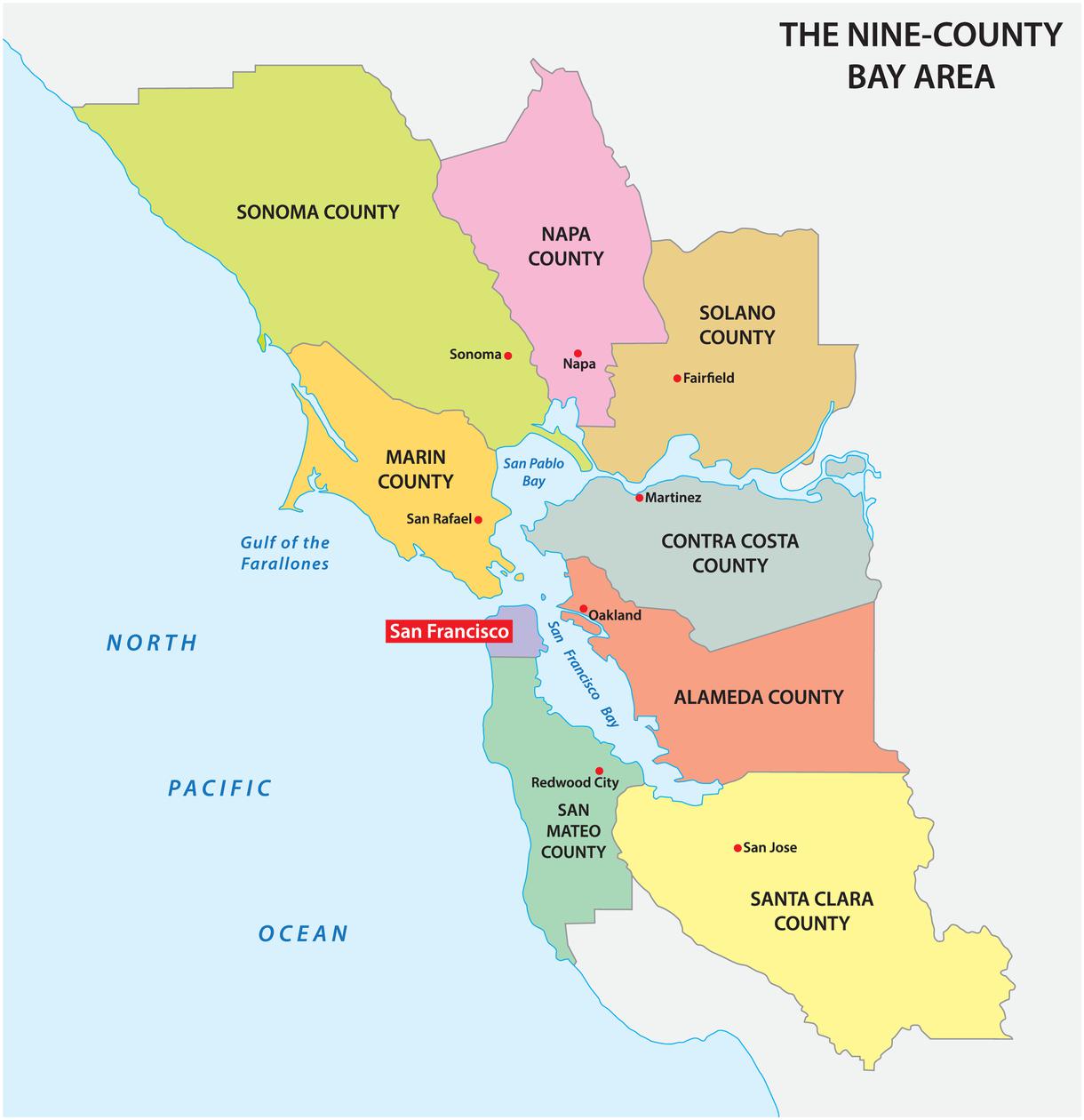
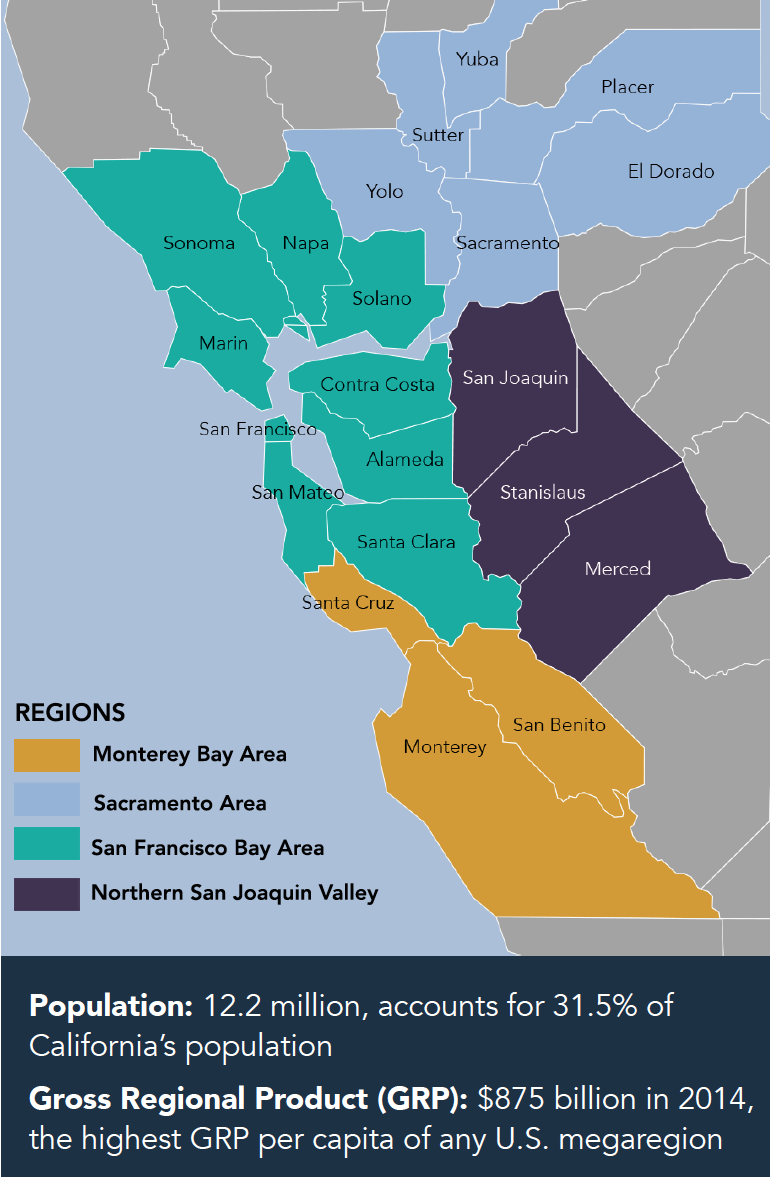
While its allure is widely recognized, the precise boundaries of what is “considered” the San Francisco Bay Area can sometimes be a point of discussion. Geographically and politically, it is most commonly understood to include nine distinct counties that encircle the San Francisco Bay and San Pablo Bay estuaries. This definition provides a comprehensive framework for understanding the region’s vastness and the incredible diversity packed within its borders.
Geographic and Political Delineation: The Nine Counties
The standard definition of the San Francisco Bay Area encompasses nine counties, each contributing its unique flavor to the region’s overall identity. These counties are:
- Alameda County: Home to Oakland, the region’s third-largest city, and the vibrant university town of Berkeley. It’s known for its diverse communities, thriving arts scene, and innovative spirit.
- Contra Costa County: Situated east of Alameda County, it features cities like Concord and Walnut Creek. This county offers a blend of suburban living, natural open spaces, and increasingly robust commercial centers.
- Marin County: Located north of San Francisco across the Golden Gate Bridge, Marin County is renowned for its stunning natural beauty, affluent communities like Sausalito and Mill Valley, and the county seat, San Rafael. It’s a haven for outdoor enthusiasts.
- Napa County: Synonymous with world-class wine, Napa County features the city of Napa and charming towns like St. Helena and Yountville. It’s a premier destination for luxury travel, gourmet dining, and vineyard tours.
- San Francisco County: Coterminous with the iconic city of San Francisco, this county is the cultural and financial heart of the San Francisco Bay Area. Its famous landmarks, diverse neighborhoods, and vibrant culinary scene draw millions.
- San Mateo County: Stretching south of San Francisco along the Peninsula, it includes cities like San Mateo, Redwood City, and Daly City. This county serves as a crucial link between San Francisco and Silicon Valley.
- Santa Clara County: Home to San Jose, the Bay Area’s largest city, and the technological powerhouse of Palo Alto, Santa Clara, and Mountain View. This is the undisputed heart of Silicon Valley.
- Solano County: Located northeast of San Pablo Bay, with cities like Fairfield and Vallejo. While often considered part of the outer Bay Area, its inclusion reflects its economic ties and commuter patterns to the core metropolitan areas.
- Sonoma County: North of Marin County, Sonoma County is another renowned wine region, offering a more rustic charm than its Napa Valley neighbor. Cities include Santa Rosa and Petaluma, known for their picturesque landscapes and farm-to-table culinary scene.
Cultural and Economic Hubs: The Sub-Regions
Beyond political boundaries, the San Francisco Bay Area can be conceptually divided into several distinct sub-regions, each with its unique character:
- The North Bay: Comprising Marin, Napa, and Sonoma Counties, this area is celebrated for its stunning natural landscapes, including ancient redwood forests, rugged coastlines, and, of course, the world-famous wine regions. It’s a playground for outdoor activities and a haven for gourmet food and wine enthusiasts.
- The East Bay: Alameda and Contra Costa Counties form the East Bay, characterized by its vibrant urban centers, diverse population, and a strong sense of community and social activism. Oakland and Berkeley are cultural melting pots with bustling food scenes, art galleries, and a thriving intellectual atmosphere.
- The Peninsula: Extending south from San Francisco through San Mateo County, the Peninsula is a blend of affluent residential communities and the northern reaches of Silicon Valley. It’s home to major tech companies, upscale shopping, and scenic coastal towns.
- The South Bay (Silicon Valley): Primarily Santa Clara County, this region is the global epicenter of technology and innovation. Cities like San Jose, Palo Alto, and Mountain View host headquarters for giants like Apple, Google, and Facebook, attracting entrepreneurs and brilliant minds from around the world.
- San Francisco: As the most recognized city in the region, San Francisco deserves its own mention. This compact city offers a dense concentration of iconic landmarks, diverse neighborhoods, world-class dining, and a unique, independent spirit that has defined it for centuries.
Unveiling the Bay Area’s Diverse Attractions and Experiences
The sheer variety of experiences within the San Francisco Bay Area is what truly sets it apart as a premier travel destination. From engineering marvels to ancient forests, culinary delights to cutting-edge technology, there’s something to captivate every type of traveler.
Iconic Landmarks and Natural Beauty
The San Francisco Bay Area is dotted with world-famous landmarks that are instantly recognizable:
- Golden Gate Bridge: This magnificent suspension bridge is not just a crucial transportation link but a global icon. Visitors can walk, bike, or drive across it, enjoying breathtaking views of the bay, the Pacific Ocean, and the city skyline.
- Alcatraz Island: The notorious former federal prison offers a captivating glimpse into history, accessible by ferry from Fisherman’s Wharf. The audio tour provides chilling insights into its infamous past.
- Fisherman’s Wharf & Pier 39: Bustling with tourists, these waterfront attractions in San Francisco offer fresh seafood, souvenir shops, street performers, and the famous sea lions of Pier 39.
- Napa Valley & Sonoma Valley: These two wine regions are pilgrimage sites for oenophiles. Offering hundreds of wineries, from grand estates to intimate boutiques, they provide exceptional tasting experiences, culinary adventures, and picturesque landscapes.
- Muir Woods National Monument: Just north of San Francisco, this national monument protects one of the last remaining old-growth redwood forests. Walking among these towering giants is a truly awe-inspiring experience.
- Golden Gate Park: Larger than New York City’s Central Park, this urban oasis in San Francisco features museums (like the de Young Museum and California Academy of Sciences), gardens, lakes, and plenty of space for recreation.
- Mount Tamalpais State Park: Offering panoramic views of the Bay Area, the Pacific Ocean, and even the Sierra Nevada on a clear day, Mount Tamalpais is a hiker’s paradise.
Culinary Journeys and Vibrant Culture
The Bay Area’s culinary scene is globally renowned, often at the forefront of gastronomic trends:
- Food Scene: From numerous Michelin-starred restaurants in San Francisco and Yountville to innovative farm-to-table eateries in Berkeley and diverse ethnic cuisines in Oakland and San Jose, foodies will find an endless array of options. Farmers’ markets are abundant, emphasizing fresh, local, and organic produce.
- Arts and Music: The region boasts world-class museums such as the San Francisco Museum of Modern Art (SFMOMA) and the Asian Art Museum. Live music venues range from intimate jazz clubs to grand concert halls like the Warfield and the Greek Theatre in Berkeley. Independent film houses, theatrical performances, and street art contribute to a rich cultural tapestry.
- Festivals and Events: The Bay Area’s calendar is packed with festivals celebrating everything from jazz and blues to film, LGBTQ+ pride, and the region’s diverse ethnic heritages. These events offer deep dives into local culture and community spirit.
Innovation and Lifestyle
The Bay Area is not just a destination for leisure; it’s a global thought leader:
- Silicon Valley: The heart of global technology, this region is a magnet for innovation. While many tech campuses are private, the Computer History Museum in Mountain View offers a fascinating look at the industry’s evolution. The entrepreneurial spirit here is palpable and influences everything from business to lifestyle.
- Outdoor Lifestyle: With its mild climate, the Bay Area encourages an active, outdoor lifestyle. Hiking and biking trails crisscross the region, from the coastal paths of Marin Headlands to the urban trails of Oakland Hills. Water sports are popular on the bay and ocean, including sailing, kayaking, and surfing.
Planning Your Bay Area Stay: Accommodation and Travel Tips
For those planning to explore the wonders of the San Francisco Bay Area, understanding accommodation options and transportation logistics is paramount for a seamless and enjoyable trip.
Choosing Your Base: Hotels and Beyond
The Bay Area offers an extensive range of accommodation options to suit every budget and travel style:
- Luxury Hotels: Cities like San Francisco, Napa, and Palo Alto boast world-class luxury hotels and resorts, including renowned brands like Ritz-Carlton, Four Seasons, and Fairmont Hotels. These properties offer exceptional amenities, gourmet dining, and often stunning views.
- Boutique and Mid-Range Hotels: Throughout the region, you’ll find charming boutique hotels and reliable mid-range options, particularly in popular tourist areas and business districts. These often provide a more local flavor or convenient access to specific attractions.
- Alternative Accommodations: For longer stays, family trips, or those seeking more space and flexibility, vacation rentals, serviced apartments, and villas are widely available. Options range from cozy apartments in Berkeley to spacious homes in wine country.
- Budget-Friendly Options: While the Bay Area can be expensive, more budget-conscious travelers can find hostels, motels, and economy hotels, especially in the outer counties or less central areas. Booking in advance is highly recommended to secure better rates.
When choosing where to stay, consider your primary interests. If you want city life and iconic landmarks, San Francisco is ideal. For wine enthusiasts, a stay in Napa or Sonoma is perfect. Business travelers might prefer San Jose or Palo Alto for proximity to tech companies.
Navigating the Region: Getting Around the Bay
The San Francisco Bay Area offers a comprehensive transportation network:
- Public Transportation: The Bay Area Rapid Transit (BART) system connects many parts of the East Bay and Peninsula with San Francisco and its international airport. Within San Francisco, the Municipal Railway (MUNI) operates buses, streetcars, and cable cars. CalTrain runs commuter rail services along the Peninsula from San Francisco to San Jose.
- Driving: While San Francisco can be challenging to navigate by car due to hills, one-way streets, and limited parking, a vehicle is highly recommended for exploring the wider Bay Area, especially the wine country and coastal areas. Car rentals are readily available at all major airports.
- Airports: The region is served by three major international airports: San Francisco International Airport (SFO), Oakland International Airport (OAK), and Mineta San Jose International Airport (SJC). Each offers convenient access to different parts of the Bay Area.
The Essence of the Bay Area Lifestyle
Beyond its geographical definition and its numerous attractions, the San Francisco Bay Area is characterized by a distinctive lifestyle and a unique cultural ethos that shapes both its residents and visitors’ experiences.
A Melting Pot of Cultures and Ideas
The Bay Area is renowned for its progressive values, diversity, and intellectual vibrancy:
- Diversity and Inclusivity: The region is a true melting pot, attracting people from all over the globe. This cultural mosaic enriches everything from the food scene to the arts, fostering an environment of acceptance and innovation. Languages spoken, cuisines savored, and traditions celebrated reflect a global village.
- Entrepreneurial Spirit: Fueled by Silicon Valley, an entrepreneurial drive permeates the entire region. There’s a constant buzz of new ideas, startups, and technological advancements, creating an atmosphere of relentless forward momentum and a willingness to challenge the status quo.
- Environmental Consciousness: A strong commitment to environmental protection and sustainability is deeply ingrained in the Bay Area ethos. This is reflected in its policies, green spaces, farm-to-table dining, and the widespread embrace of outdoor activities and appreciation for nature.
Beyond Tourism: Living and Working in the Bay Area
While a fantastic place to visit, the Bay Area also offers a high quality of life for its residents, despite its challenges:
- High Quality of Life: Despite its notoriously high cost of living, residents often cite the Bay Area’s unparalleled natural beauty, diverse job opportunities, vibrant cultural scene, and progressive social values as reasons for its exceptional quality of life. The access to world-class education, healthcare, and amenities further contributes to its appeal.
- Job Opportunities: The region remains a global leader in high-tech, biotechnology, clean energy, and finance, offering abundant career opportunities for skilled professionals. This economic dynamism contributes to its allure as a place to live and work.
- Outdoor Activities: The Mediterranean climate allows for year-round outdoor pursuits. From hiking and mountain biking in the numerous regional parks to sailing on the bay, surfing along the coast, or simply enjoying the many beaches and open spaces, an active lifestyle is easily maintained. Cycling is also a popular mode of transport and recreation, with extensive bike paths and trails.
In essence, “What is considered the San Francisco Bay Area?” is a question with a multifaceted answer. It’s geographically defined by nine counties, culturally fragmented into distinct sub-regions, and economically dominated by innovation. Yet, it’s also a place of breathtaking natural beauty, a culinary paradise, and a vibrant hub of diverse communities. Whether you’re drawn by its iconic landmarks, its cutting-edge technology, its exquisite food and wine, or its progressive spirit, the Bay Area offers an unparalleled travel and lifestyle experience that leaves an indelible impression on all who visit.
LifeOutOfTheBox is a participant in the Amazon Services LLC Associates Program, an affiliate advertising program designed to provide a means for sites to earn advertising fees by advertising and linking to Amazon.com. Amazon, the Amazon logo, AmazonSupply, and the AmazonSupply logo are trademarks of Amazon.com, Inc. or its affiliates. As an Amazon Associate we earn affiliate commissions from qualifying purchases.