
California, a state synonymous with innovation, natural beauty, and a vibrant economy, is a dream destination for millions of travelers each year. From the sun-kissed beaches of San Diego to the majestic redwoods of the north, and from the bustling urban sprawl of Los Angeles to the iconic hills of San Francisco, the Golden State offers an unparalleled array of experiences. Beneath this glittering surface of tourism and lifestyle lies a robust framework of labor laws designed to ensure fair compensation for workers, especially those building the very infrastructure that supports our cherished journeys and everyday lives. One of the most significant pillars of this framework is the concept of “prevailing wage.”

For many, the term “prevailing wage” might sound like technical jargon, far removed from the excitement of booking a luxury hotel in Beverly Hills or exploring the historical depths of Alcatraz Island. However, this vital labor standard plays a crucial, albeit often unseen, role in the quality of life for countless Californians and, by extension, the strength and sustainability of the state’s appeal as a global travel destination. It’s about ensuring that the people who construct our airports, maintain our scenic highways, build our public parks, and modernize our transportation networks receive wages and benefits that reflect their skills and the local cost of living. In essence, prevailing wage helps to create a stable, skilled workforce that can afford to live and thrive within the communities they help build, contributing to a vibrant economy that supports everything from local restaurants to world-class resorts. Understanding prevailing wage offers a deeper insight into the economic fabric of California and how fair labor practices are intrinsically linked to the state’s enduring prosperity and attractiveness.
The Foundation of Prevailing Wage: Protecting California’s Workforce
The notion of prevailing wage is not new; it has historical roots dating back to the Great Depression, aimed at protecting local wage standards from being undercut by outside contractors willing to pay lower rates on public projects. In California, this principle has been enshrined in law for decades, forming a cornerstone of the state’s commitment to workers’ rights and economic stability. It’s a mechanism designed to ensure that public funds, derived from taxpayers, are used responsibly to support fair labor practices and foster high-quality craftsmanship in public works.
Defining Prevailing Wage: More Than Just a Paycheck
At its core, prevailing wage refers to the hourly wage rate, including fringe benefits, paid to the majority of workers (or the average wage) in a particular occupation within a specific geographic area. When applied to “public works” projects in California, this means that contractors bidding on and performing work for state or local government entities must pay their employees at least this predetermined rate. This isn’t just a minimum wage; it’s often significantly higher, reflecting the skilled nature of construction trades and the local economic conditions.
The components of prevailing wage are critical:
- Basic Hourly Rate: This is the direct cash wage paid to the worker. It varies greatly depending on the craft (e.g., electrician, carpenter, laborer) and the county where the work is performed.
- Fringe Benefits: Beyond the hourly rate, prevailing wage includes an amount for benefits such as health insurance, pension plans, vacation, and training programs. Contractors can either pay these amounts directly to the worker as cash in lieu of benefits or contribute them to bonafide benefit plans. The latter is generally preferred as it provides long-term security for workers and helps to build a sustainable workforce.
The legal authority for prevailing wage in California primarily stems from the California Labor Code, specifically the Public Works Act. This legislation mandates that all workers employed on public works projects costing over a certain threshold must be paid the prevailing wage rate determined by the California Department of Industrial Relations (DIR). The DIR regularly conducts surveys and analyses to establish these rates, ensuring they accurately reflect local market conditions and collective bargaining agreements. This rigorous process helps to prevent a “race to the bottom” in terms of wages and ensures that public contracts are not awarded based solely on the lowest labor costs, but also on quality and fair treatment of workers.
When Does Prevailing Wage Apply? Public Works and Beyond
The application of prevailing wage is tied directly to the definition of “public works.” In California, this term is broadly defined and includes:
- Construction, alteration, demolition, installation, or repair work done under contract and paid for in whole or in part out of public funds. This covers a vast array of projects, from constructing new state buildings in Sacramento to repairing local streets in Oakland.
- Maintenance work performed by independent contractors on public facilities if it is traditionally performed by construction craft employees.
- Certain types of public utility work and projects funded by specific public bonds or grants.
Examples of projects that fall under prevailing wage laws are ubiquitous across the state, impacting virtually every aspect of public life and, by extension, the experience of travelers and residents alike. Think of the new terminal expansion at Los Angeles International Airport (LAX), a vital gateway for international tourism. Or consider the ongoing efforts to upgrade the state’s transportation infrastructure, including bridges, highways, and public transit systems. Even smaller local projects, such as the construction of a new public library or a community recreation center, typically fall under these regulations. While there are thresholds (e.g., projects costing under $1,000 for alteration, demolition, repair, or maintenance work, or under $25,000 for new construction), most substantial public improvements require prevailing wage adherence. This widespread application underscores its fundamental role in shaping the physical and economic landscape of California.
Prevailing Wage and California’s Thriving Tourism and Infrastructure
The connection between prevailing wage and the vibrancy of California’s tourism sector and infrastructure might not be immediately obvious, but it is deeply intertwined. The state’s ability to attract millions of visitors and support a high quality of lifestyle for its residents depends heavily on its robust infrastructure, which in turn relies on a skilled and stable workforce compensated fairly through prevailing wage laws.
Building the Golden State: How Prevailing Wage Shapes Iconic Landmarks and Travel Hubs
Every journey through California is facilitated by a complex network of public works. From arriving at a state-of-the-art airport like San Francisco International Airport (SFO) to driving across the magnificent Golden Gate Bridge or exploring the revitalized downtown areas of cities like Long Beach and Santa Monica, visitors interact with the results of public investment. These projects require immense planning, engineering, and the dedicated labor of countless construction professionals.
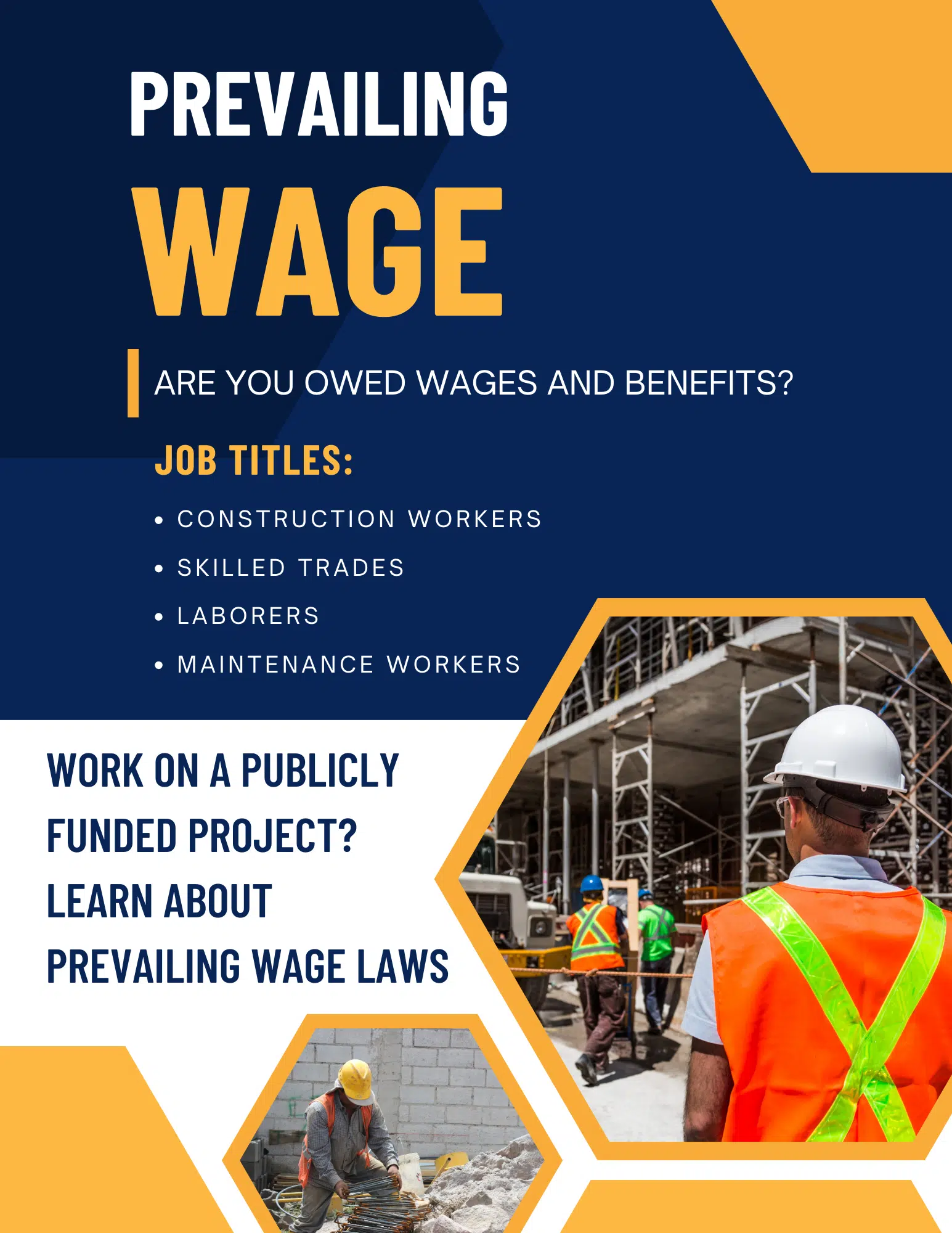
The prevailing wage ensures that the construction of these vital assets attracts and retains highly skilled workers. Imagine the precision and expertise required to build complex rail systems, expand port facilities like the Port of Long Beach or the Port of Oakland, or upgrade major roadways to accommodate the state’s growing population and tourist traffic. When workers are paid fair, competitive wages with comprehensive benefits, they are more likely to pursue long-term careers in these trades, invest in ongoing training, and deliver high-quality workmanship. This translates directly into safer, more durable, and more efficient infrastructure.
Consider the ongoing development of the California High-Speed Rail project, an ambitious endeavor poised to transform intercity travel in the state. Such a monumental undertaking relies heavily on prevailing wage requirements to ensure that the thousands of workers involved in its construction are fairly compensated, contributing to a project built with the highest standards of safety and quality. Similarly, the modernization of major convention centers in Anaheim or San Jose, which host countless events and attract business travelers and tourists, adheres to prevailing wage standards, ensuring these facilities are built to last and can continue to drive economic activity. By supporting a skilled and stable construction workforce, prevailing wage indirectly but significantly enhances the quality and reliability of the infrastructure that underpins California’s entire tourism ecosystem, making it a more attractive and accessible place to visit and live.
Economic Ripple Effects: Sustaining Local Lifestyles and Hospitality
Beyond the physical infrastructure, prevailing wage has profound economic and social ripple effects that directly impact the lifestyle of Californians and the vitality of the state’s hospitality sector. When construction workers earn a living wage and receive benefits, they have greater disposable income. This income isn’t just saved; it’s spent within local communities.
This translates to increased patronage for local businesses – from restaurants in Hollywood and Napa Valley to retail shops in Palm Springs, and crucially, a greater demand for accommodation and leisure activities. A construction worker earning prevailing wages is more likely to afford a family vacation to Disneyland Park, book a weekend getaway to a coastal resort, or spend money at local attractions like Universal Studios Hollywood. This direct spending circulates through the economy, supporting jobs in the service industry, improving property values, and strengthening the local tax base.
Furthermore, prevailing wage helps to maintain a strong middle class, which is vital for a healthy and diverse tourism market. A stable workforce is less reliant on public assistance, contributes more in taxes, and fosters a more equitable society. This economic stability, in turn, makes California’s cities and regions more desirable places to live, work, and visit. The ability of a skilled worker to purchase a home, send their children to college, and participate fully in the local economy contributes to the overall vibrancy and cultural richness that travelers seek. For instance, in regions like Orange County, where tourism is a primary economic driver, the presence of a well-paid local workforce ensures a stable consumer base that complements the influx of visitors, creating a resilient economic environment. The quality of life for residents directly influences the authentic experience offered to tourists.
Navigating Prevailing Wage: Compliance, Challenges, and Future Outlook
While the benefits of prevailing wage are significant, its implementation and enforcement involve complexities for all parties concerned: workers, contractors, and government agencies. Navigating these requirements effectively is crucial for the continued success of public works projects and for upholding fair labor standards across the Golden State.
The Role of Enforcement and Compliance
The primary agency responsible for enforcing prevailing wage laws in California is the Department of Industrial Relations (DIR). The DIR issues wage determinations, investigates complaints of non-compliance, and levies penalties against contractors who violate the law. This oversight is critical to ensure that workers actually receive the wages and benefits they are legally entitled to. Without robust enforcement, the protective intent of prevailing wage laws would be undermined.
For contractors, compliance involves several key responsibilities:
- Obtaining Accurate Wage Determinations: Contractors must ensure they have the correct prevailing wage rates for the specific craft and county of their project. These rates are updated periodically.
- Proper Record-Keeping: Meticulous records of hours worked, wages paid, and benefits provided are essential. These records are subject to audit by the DIR.
- Submitting Certified Payroll Reports: Contractors are required to submit weekly certified payroll records to the awarding body (the public entity contracting the work) and often to the DIR directly, detailing the wages paid to each worker.
- Apprenticeship Requirements: Many public works projects also include requirements for the employment of apprentices, supporting the development of a skilled future workforce.
While these requirements can present administrative challenges for contractors, especially smaller businesses, they are fundamental to preventing wage theft and ensuring a level playing field. For workers, the existence of the DIR and its enforcement mechanisms provides a crucial safeguard, allowing them to report discrepancies and seek recourse if they believe they are not being paid according to prevailing wage standards. This protective net fosters trust in the system and encourages skilled professionals to engage in public works projects.

Prevailing Wage in a Dynamic Economy: Debates and Development
Like many labor laws, prevailing wage in California is a subject of ongoing discussion and debate. Proponents emphasize its role in promoting economic equity, supporting a skilled workforce, and ensuring high-quality public infrastructure. They argue that while prevailing wage might lead to higher initial labor costs for projects, it yields long-term benefits through enhanced productivity, reduced turnover, fewer workplace accidents, and ultimately, superior construction quality. From a tourism perspective, this means that the landmarks and infrastructure travelers rely on are built to last, enhancing the state’s reputation.
Opponents sometimes argue that prevailing wage increases the overall cost of public projects, potentially limiting the number of projects that can be undertaken or diverting funds from other public services. They may also suggest that it restricts competition by favoring unionized contractors or those accustomed to higher wage structures. However, studies often show that any increased labor costs are frequently offset by higher efficiency and quality, leading to lower maintenance costs and longer project lifespans.
Looking to the future, as California continues to grow and invest in its infrastructure – from upgrading transportation networks to building new public facilities in burgeoning urban centers like Oakland or San Jose – the role of prevailing wage will remain central. The state’s commitment to ambitious projects, including renewable energy initiatives and further development of public transit, will continue to rely on a well-compensated, highly skilled workforce. This commitment not only ensures that California maintains its position as a leader in innovation and economic development but also secures its appeal as a premier travel destination where accommodation and lifestyle offerings are supported by a strong and equitable foundational economy. The dialogue around prevailing wage will undoubtedly evolve with economic conditions, but its fundamental purpose — to protect workers and ensure quality public works — remains a crucial element in the enduring prosperity of the Golden State.
In conclusion, prevailing wage in California is far more than a technical labor regulation; it is an integral part of the state’s economic and social fabric. It underpins the construction of the vital infrastructure that facilitates travel and tourism, ensures a stable and skilled workforce, and contributes significantly to the overall quality of lifestyle for its residents. By fostering fair competition and providing decent wages and benefits, prevailing wage helps to build not just roads and bridges, but also stronger communities and a more resilient economy, cementing California’s status as a place of opportunity, innovation, and unparalleled experiences for everyone.
LifeOutOfTheBox is a participant in the Amazon Services LLC Associates Program, an affiliate advertising program designed to provide a means for sites to earn advertising fees by advertising and linking to Amazon.com. Amazon, the Amazon logo, AmazonSupply, and the AmazonSupply logo are trademarks of Amazon.com, Inc. or its affiliates. As an Amazon Associate we earn affiliate commissions from qualifying purchases.