
Skid Row in Los Angeles, California, stands as a profoundly complex and often misunderstood urban phenomenon within the United States. Far from being a traditional tourist attraction or a typical landmark, it represents a critical social landscape that coexists with the city’s glamorous image, bustling travel hubs, and luxurious accommodations. For anyone interested in understanding the full spectrum of urban life, local culture, and the challenges faced by metropolitan areas, delving into what Skid Row is—its history, its demographics, and its role within the broader city fabric—offers invaluable insight. This article aims to provide a comprehensive guide, exploring its origins, its current state, and the delicate balance it strikes with the surrounding vibrant Downtown Los Angeles scene, all while encouraging a thoughtful and informed perspective for travelers and those interested in social issues.
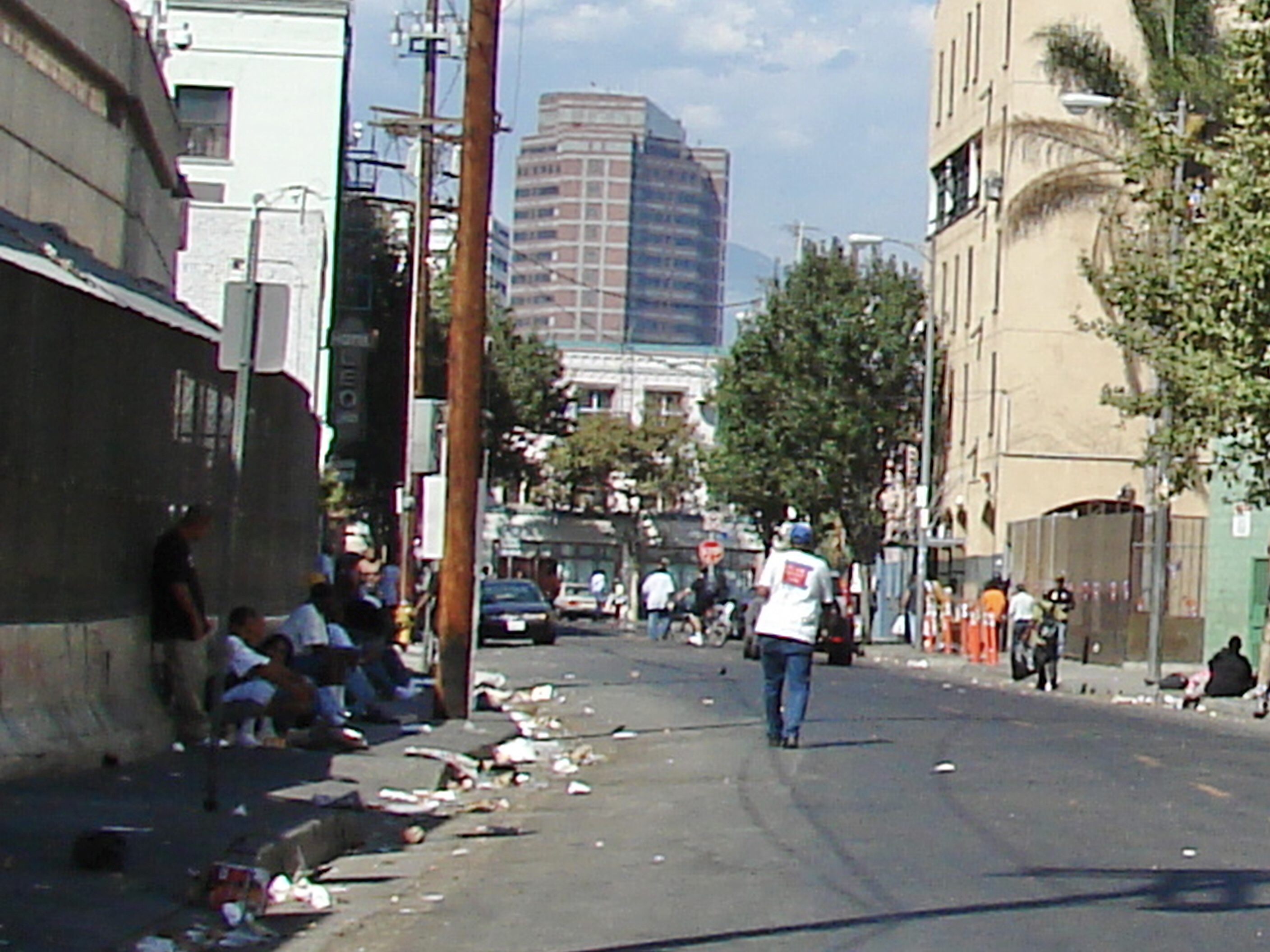
Understanding Skid Row: A Historical Overview
To truly grasp the significance of Skid Row today, one must first explore its historical roots. The term “Skid Row” itself has a fascinating etymology that predates its current association with urban homelessness, tracing back to the logging industry and the pathways where logs “skidded” down to the mills or rivers.
The Origins of a Name
The phrase “Skid Road” or “Skid Row” originally emerged in the late 19th and early 20th centuries in lumber towns and industrial centers. It referred to the actual “skid roads” – paths made of lubricated logs over which felled trees were dragged to sawmills or docks. These areas often attracted transient laborers, loggers, sailors, and others involved in physically demanding, migratory work. As these workers sought temporary housing, taverns, and services, districts would develop along these skid roads, becoming known for their rough-and-tumble atmosphere, cheap lodging, and a transient population. Over time, the term evolved to describe any urban area characterized by poverty, cheap hotels, saloons, and a large population of unhoused or transient individuals. It became synonymous with destitution and a haven for those marginalized by society. This historical context is crucial because it highlights that the phenomenon of a “skid row” is not new but rather a recurring feature of industrial and post-industrial urban development, reflecting economic shifts and social stratification. The evolution from a purely economic function to a socio-economic designation marks a pivotal conceptual shift in understanding these urban pockets.
Skid Row’s Evolution in Los Angeles
The specific Skid Row in Los Angeles began to take shape in the late 19th and early 20th centuries, much like its counterparts in other major United States cities. Los Angeles’ central district, particularly the area east of Downtown Los Angeles’s core, became a natural gathering place for transient workers during periods of rapid growth, especially following the Industrial Revolution and its subsequent economic booms and busts. The availability of cheap lodging houses, missions, and day labor opportunities drew a steady stream of individuals seeking work or a place to stay.
Events like the Great Depression in the 1930s and the aftermath of World War II significantly swelled the population of Skid Row. Veterans struggling with reintegration, individuals facing economic hardship, and those grappling with mental health issues or addiction found themselves drawn to the area, which offered a degree of anonymity and access to rudimentary social services. Over decades, the area solidified its identity as the epicenter of homelessness in Los Angeles. Unlike other city neighborhoods that might gentrify or transform, Skid Row has largely retained its character, albeit with increasing population density and complexity of needs. Its persistence highlights enduring societal challenges related to poverty, housing, mental health, and substance abuse, making it a critical focus for urban planners, social workers, and community activists. This historical trajectory reveals a continuous cycle of migration, marginalization, and the ongoing struggle for dignity and stability within the heart of one of the world’s most prominent cities.
The Geography and Demographics of a Complex Urban Landscape
Skid Row is not merely a metaphor but a tangible geographic area within Downtown Los Angeles. Understanding its physical boundaries and the human stories within them is essential for any thoughtful engagement with the topic.
Defining the Boundaries
The boundaries of Skid Row are generally understood to encompass a roughly 50-block area, primarily situated to the east of Downtown Los Angeles’s core commercial and residential districts. While not officially demarcated with signs, its borders are recognized by local government, law enforcement, and social service providers. Historically, its main thoroughfares have included Fifth Street, San Pedro Street, Main Street, and Wall Street. The exact limits can be fluid, but generally, it stretches from just east of Broadway to Alameda Street, and from 3rd Street to 7th Street.
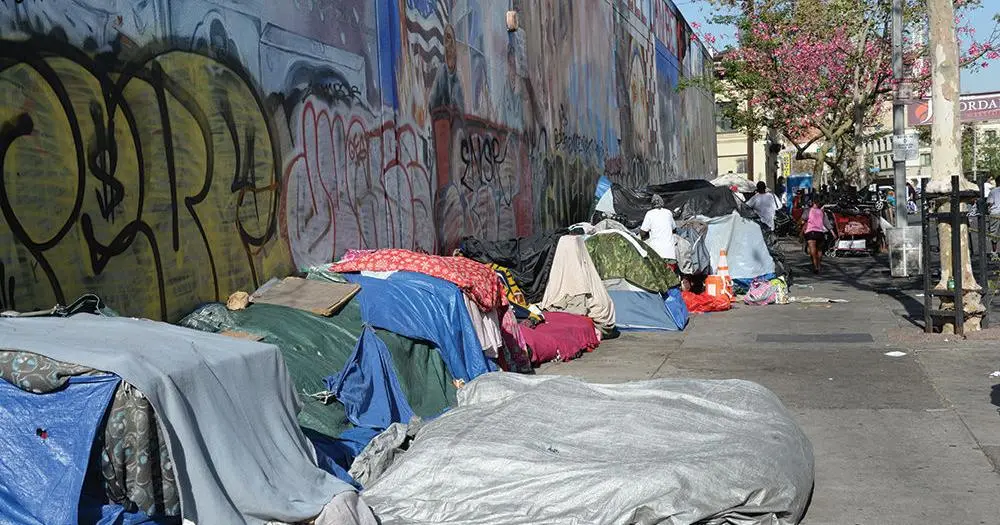
This area is distinct from its rapidly gentrifying neighbors, such as the trendy Arts District to its east, Little Tokyo to the north, and the Fashion District and Financial District to its west. The stark contrast between Skid Row’s tent cities, makeshift shelters, and the high-rise luxury apartments, gourmet restaurants, and cultural landmarks just a few blocks away is striking. This geographic proximity highlights the profound socio-economic divides present within contemporary urban environments, making Skid Row a vivid emblem of inequality nestled amidst burgeoning development and modern tourist appeal. The visual and experiential separation, despite the physical closeness, underscores a complex urban geography that demands attention and understanding rather than mere observation.
The Human Element: Challenges and Resilience
At the heart of Skid Row is its immense and vulnerable population. Estimates vary, but on any given night, thousands of individuals call this district home, whether in shelters, on the streets, or in single-room occupancy hotels. The demographics are diverse, including men and women of all ages and ethnicities, though a significant portion are African American men. The challenges faced by this community are profound and multifaceted, often stemming from intertwined issues of chronic homelessness, poverty, mental illness, substance use disorders, and lack of access to adequate healthcare and social support systems.
Many residents of Skid Row suffer from severe mental health conditions, including schizophrenia, bipolar disorder, and PTSD, often exacerbated by the trauma of street life. Substance abuse, particularly involving alcohol, opioids, and methamphetamine, is also rampant, creating a vicious cycle that makes exiting homelessness incredibly difficult. Despite these overwhelming challenges, the human spirit of resilience and community often shines through. Many residents form informal support networks, sharing resources and looking out for one another. Social service organizations, missions, and non-profits tirelessly work within the area, providing food, medical care, addiction treatment, and housing assistance. These efforts, though often insufficient to meet the colossal demand, represent beacons of hope and demonstrate the enduring commitment of individuals and groups striving to make a difference in the lives of those most marginalized. The sheer density of human need and the ongoing efforts to address it make Skid Row a compelling, if sobering, study in human resilience and societal responsibility.
Social Dynamics and Community Initiatives
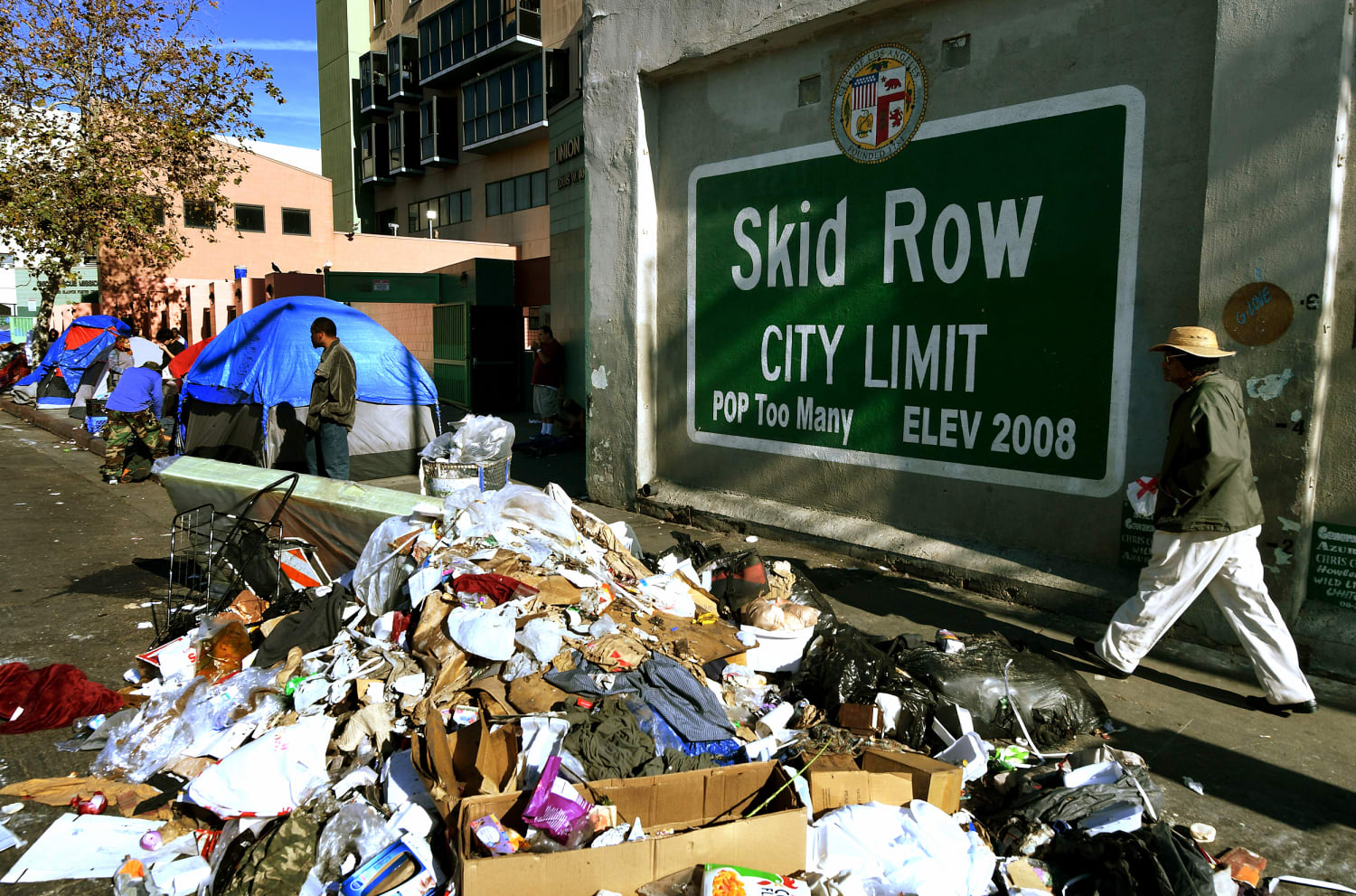
Beyond its physical boundaries and demographic profile, Skid Row is a dynamic environment shaped by complex social dynamics and a persistent array of community-led and governmental initiatives aimed at alleviating its pervasive issues. Understanding these efforts is crucial for a complete picture of this unique urban area.
Addressing the Root Causes
The core issues driving homelessness and destitution in Skid Row are systemic and deeply entrenched. They include a critical shortage of affordable housing across Los Angeles and California, inadequate access to mental healthcare, limited job opportunities for individuals with criminal records or without stable addresses, and the pervasive impact of poverty. Many individuals on Skid Row have experienced profound trauma, including domestic violence, abuse, and racial discrimination, which often contribute to their current circumstances. The cycle of poverty and homelessness is incredibly difficult to break without comprehensive intervention that addresses not just immediate needs but also the underlying systemic failures.
Efforts to tackle these root causes involve advocating for policy changes, such as increased funding for affordable housing projects, expanding access to mental health services, and reforming the criminal justice system to better support rehabilitation and reintegration. There’s a growing recognition that “housing first” approaches—where stable housing is provided without preconditions, followed by voluntary support services—are more effective than traditional models that require sobriety or participation in treatment programs beforehand. These strategies aim to stabilize individuals, allowing them to then address other issues like health, employment, and personal well-being. Furthermore, community leaders and activists continually push for a more humane approach, challenging punitive measures against homelessness and advocating for solutions that uphold the dignity and rights of all residents.
Organizations and Outreach Efforts
Skid Row is home to an extensive network of non-profit organizations, religious missions, and governmental agencies dedicated to serving its population. These entities form a vital safety net, providing critical services that range from emergency shelter and food to long-term rehabilitation and housing placement. Institutions like the Union Rescue Mission and the Midnight Mission have been mainstays in the area for decades, offering meals, beds, and various programs aimed at recovery and re-entry into stable society.
Beyond these well-known missions, countless smaller organizations operate daily, providing medical clinics, legal aid, job training, and artistic outlets. The Los Angeles Poverty Department, for instance, uses performance art to give voice to the experiences of people on Skid Row and engage the broader community in dialogue. Outreach teams regularly patrol the streets, connecting individuals with services and building trust. While their work is indispensable, these organizations often operate with stretched resources and face the immense challenge of addressing a crisis of unprecedented scale. Their collective efforts, however, underscore a profound commitment to human welfare and serve as a testament to the power of community action in the face of daunting social challenges.
Skid Row in the Context of Los Angeles Tourism and Travel
For a city renowned globally for its glamour, entertainment, and vibrant lifestyle, Skid Row presents a stark contrast. This juxtaposition prompts important questions for travelers and underscores the diverse realities of urban tourism and responsible travel.
Navigating the Urban Contrast
Skid Row’s location directly adjacent to rapidly developing and gentrifying areas of Downtown Los Angeles creates a unique urban tapestry that is both fascinating and challenging to navigate. Just blocks away, one can find upscale hotels like the Ace Hotel, trendy cafes and restaurants, art galleries in the Arts District, and popular tourist attractions such as Grand Central Market, the Walt Disney Concert Hall, and The Broad Museum. Tourists flock to these areas, enjoying world-class dining, cultural experiences, and vibrant nightlife, often without fully realizing the intense social challenges that exist within a short walk.
The presence of businesses like a Starbucks or a boutique hotel opening near the fringes of Skid Row sparks ongoing debates about gentrification, displacement, and the integration (or lack thereof) of different socio-economic groups. For travelers, this means encountering an urban landscape where extreme wealth and extreme poverty coexist in close quarters. While this contrast can be unsettling, it also offers a rare opportunity for deeper understanding of a city’s socio-economic fabric. A visit to Downtown Los Angeles without acknowledging the existence and implications of Skid Row would be an incomplete experience, overlooking a significant part of the city’s identity and ongoing narrative. It invites a more conscious form of travel, one that recognizes the complexities beneath the surface.
Responsible Tourism and Awareness
Given the sensitive nature of Skid Row, the concept of “tourism” in the traditional sense does not apply. It is not a destination for casual sightseeing or photography. However, for those interested in social issues, urban studies, or truly understanding the human condition within a major metropolitan area, approaching Skid Row with awareness and respect is paramount. Responsible engagement means prioritizing the dignity and privacy of its residents. It is not appropriate to treat the area or its inhabitants as spectacles.
Instead, those wishing to learn more or contribute can do so through established channels. Volunteering with or donating to the many reputable non-profit organizations operating in the area (like the Union Rescue Mission or the Midnight Mission) is a constructive way to engage. Educating oneself about the root causes of homelessness and advocating for policy changes can also make a significant impact. If you are in Downtown Los Angeles, being aware of Skid Row’s presence means recognizing the different realities that exist side-by-side. It means exercising caution, respecting personal space, and understanding that the area is not designed for tourist exploration but is a place where thousands of people live and struggle daily. For residents and visitors alike, safety is a concern, so it is generally advisable to avoid walking through the heart of Skid Row casually, especially alone or after dark. Understanding Skid Row is about gaining a deeper appreciation for the full human landscape of Los Angeles and fostering a sense of empathy and responsibility, aligning with the broader principles of ethical travel and global citizenship.
Conclusion
Skid Row in Los Angeles is a microcosm of profound urban challenges, a place where history, socio-economic factors, and human resilience converge. It stands as a stark reminder that even in cities celebrated for their prosperity and vibrant lifestyle, significant pockets of destitution and hardship persist. From its origins as a “skid road” for industrial workers to its current status as the epicenter of homelessness in Los Angeles, its narrative is deeply woven into the fabric of California’s largest city.
For travelers, those interested in urban planning, or individuals seeking to understand diverse communities, Skid Row offers a powerful, albeit somber, educational experience. It’s not a landmark to be admired in the traditional sense, nor an attraction to be passively consumed. Instead, it serves as a critical point of reflection, urging us to look beyond the glossy brochures of travel and accommodation to the complex realities that shape our world. Its proximity to thriving commercial centers, cultural institutions like The Broad Museum and Grand Park, and luxury hotels underscores the pressing need for sustainable, compassionate solutions to homelessness and poverty. By understanding what Skid Row is, its history, its people, and the ongoing efforts to support them, we can foster a more informed, empathetic, and responsible approach to engaging with all aspects of urban life, ensuring that our journeys contribute to a more just and equitable world for everyone.
LifeOutOfTheBox is a participant in the Amazon Services LLC Associates Program, an affiliate advertising program designed to provide a means for sites to earn advertising fees by advertising and linking to Amazon.com. Amazon, the Amazon logo, AmazonSupply, and the AmazonSupply logo are trademarks of Amazon.com, Inc. or its affiliates. As an Amazon Associate we earn affiliate commissions from qualifying purchases.