
For anyone planning a trip, be it for leisure, business, or a blend of both, understanding the local time zone of your destination is a foundational piece of information. It dictates everything from flight schedules and hotel check-ins to the operating hours of attractions and the timing of important business calls. When it comes to the historic and vibrant city of Boston, the answer is straightforward: Boston operates within the Eastern Time Zone (ET). This guide will delve deeper into what that means for travelers, connecting the seemingly simple concept of time with the rich tapestry of travel, tourism, and accommodation that Boston offers.

Understanding Boston’s Time Zone: Eastern Time (ET)
The Eastern Time Zone is one of the most significant time zones in the United States, encompassing much of the East Coast. Its designation impacts millions of residents and countless visitors annually, setting the rhythm for daily life, commerce, and recreation in this part of the country.
The Basics: EST vs. EDT
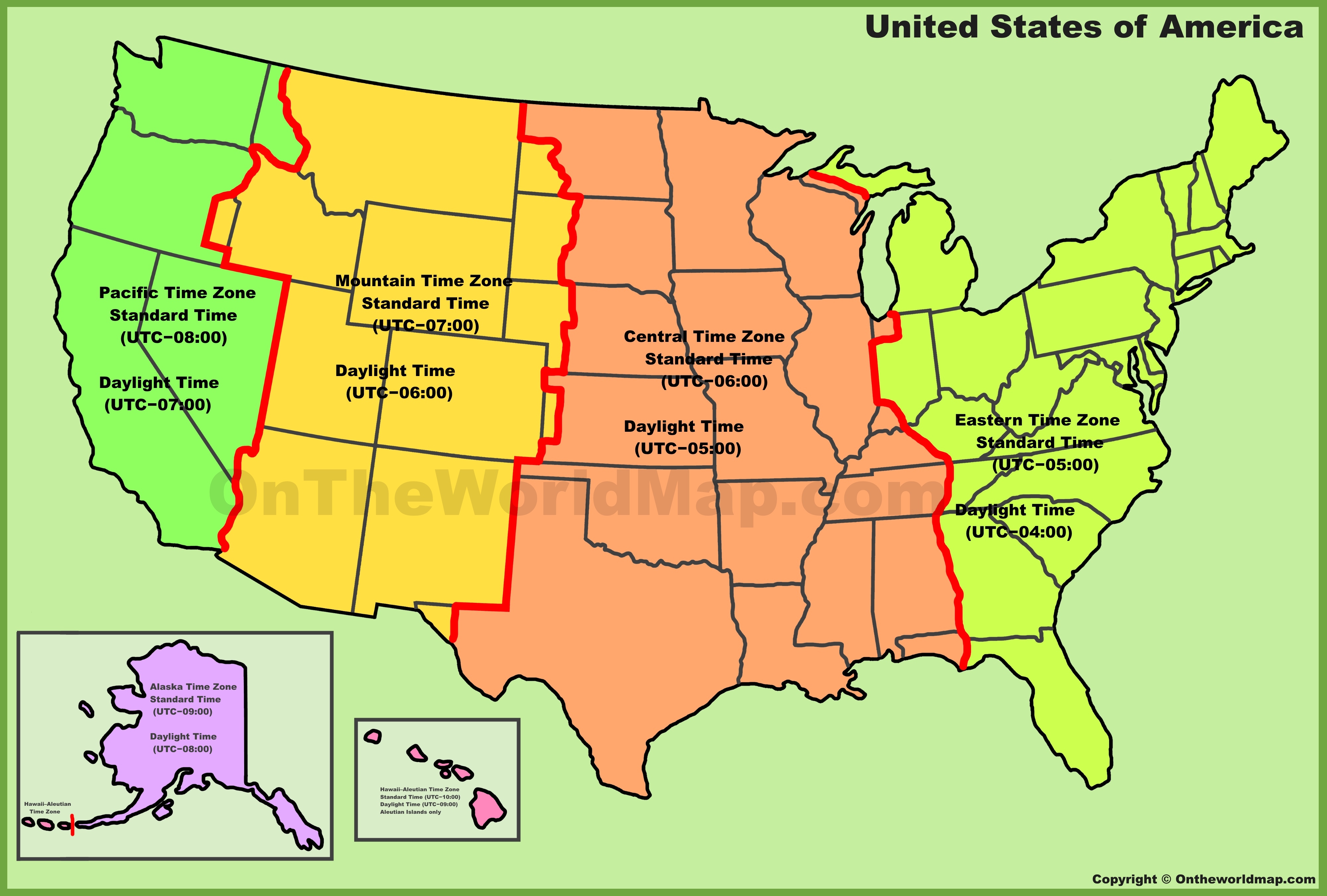
The Eastern Time Zone observes two distinct phases throughout the year: Eastern Standard Time (EST) and Eastern Daylight Time (EDT).
- Eastern Standard Time (EST): This is the base time, observed during the fall and winter months. It is five hours behind Coordinated Universal Time (UTC-5). During EST, if it’s noon UTC, it’s 7:00 AM in Boston.
- Eastern Daylight Time (EDT): This is observed during spring and summer due to Daylight Saving Time. During this period, clocks are moved forward by one hour, making EDT four hours behind Coordinated Universal Time (UTC-4). So, when it’s noon UTC during Daylight Saving Time, it’s 8:00 AM in Boston.
The transition between EST and EDT typically occurs in March (when clocks spring forward) and November (when they fall back). For travelers, understanding this distinction is vital, especially when booking flights, scheduling meetings, or planning visits to time-sensitive attractions. Your phone and other smart devices will usually update automatically, but it’s always wise to double-check local times, particularly immediately before and after the Daylight Saving Time changes.
Historical Context of Time Zones in the US
The standardization of time zones across the United States was a pivotal development, largely driven by the expansion of railroads in the 19th century. Before their implementation, towns often kept their own local time, usually based on solar noon, leading to chaotic scheduling for train operations. This made interstate travel and commerce incredibly complicated.
In 1883, North American railroads adopted a system of four standard time zones, including Eastern Time, Central Time, Mountain Time, and Pacific Time. This system was later codified into law by the Standard Time Act of 1918, which also introduced Daylight Saving Time. Today, the Department of Transportation (DOT) is responsible for regulating the time zones and the observance of Daylight Saving Time across the country. This historical context underscores the practical necessity and significant impact of standardized time zones on a nation’s ability to facilitate travel, tourism, and economic activity.
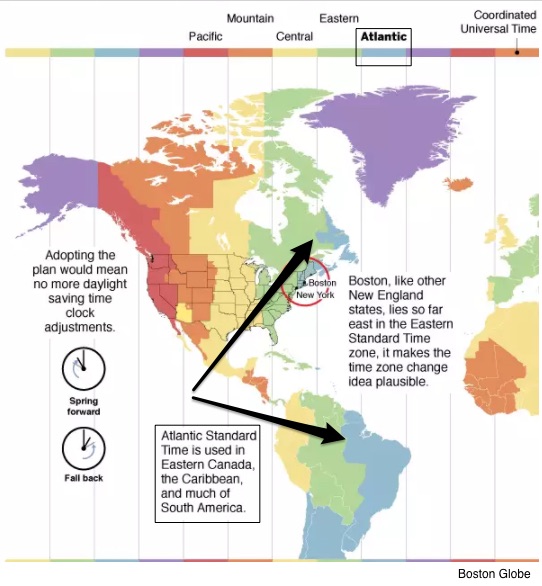
Why Knowing Boston’s Time Zone Matters for Travelers
For any globetrotter or business traveler, a clear understanding of a destination’s time zone is far more than a trivial detail; it’s a crucial element in ensuring a smooth and enjoyable trip. In Boston, an appreciation for Eastern Time helps optimize every aspect of your stay.
Planning Your Boston Itinerary and Activities
Boston’s rich history and vibrant contemporary scene mean there’s an abundance of attractions and experiences to fill any itinerary. From tracing the footsteps of American revolutionaries along the Freedom Trail to exploring world-class art at the Museum of Fine Arts or catching a game at Fenway Park, timing is everything. Most museums, historical sites, and tour operators adhere strictly to Eastern Time.
Understanding the local time zone ensures you arrive promptly for your scheduled tours, don’t miss the last entry to an exhibit, or miscalculate the departure time for a whale watching cruise from the Waterfront. It’s particularly important for events with fixed start times, such as theatrical performances in the Theater District or sporting events. A missed reservation or a closed attraction can lead to disappointment and wasted time during your valuable vacation.
Navigating Accommodation Bookings and Check-ins
When it comes to accommodation, the time zone plays a critical role. Whether you’ve booked a luxurious suite at the Four Seasons Hotel Boston, a charming boutique hotel in Beacon Hill, or a more budget-friendly apartment for a long-term stay, check-in and check-out times are strictly enforced.
Arriving too early for check-in or departing too late without prior arrangement can result in additional fees or complications. If you’re flying from a different time zone, it’s essential to confirm your arrival time in Boston’s local time to avoid any misunderstandings with your hotel or vacation rental host. Similarly, coordinating airport transfers or private car services needs to be done with the local time firmly in mind to prevent delays or missed pickups.
Impact on Business Travel and Connectivity
For business travelers heading to Boston, mastering the Eastern Time Zone is paramount. Boston is a hub for technology, biotechnology, finance, and education, attracting professionals from across the globe. Seamless communication and punctuality are cornerstones of professional success.
Scheduled meetings, conference calls, and presentations must be perfectly aligned with the local time in Boston and the respective time zones of colleagues and clients elsewhere. Miscalculating a time difference can lead to missed opportunities, professional embarrassment, or significant logistical headaches. Moreover, coordinating flights and ground transportation for tight schedules requires meticulous attention to the local clock. The pressure of balancing a full itinerary and client engagements makes a firm grasp of Boston’s time zone an indispensable asset for any business trip.
Maximizing Your Boston Experience Across Time Zones
While adjusting to a new time zone can present its challenges, especially for those traveling significant distances, it’s also an opportunity to truly immerse yourself in the rhythm of your destination. With a few smart strategies, you can minimize jet lag and fully embrace everything Boston has to offer.
Adjusting to Local Time: Tips for Beating Jet Lag
Jet lag is the bane of many international travelers, disrupting sleep patterns and general well-being. However, with thoughtful preparation, its effects can be significantly mitigated, allowing you to enjoy Boston from the moment you arrive.
- Pre-adjust: If possible, begin shifting your sleep schedule a few days before your trip by going to bed and waking up an hour or two closer to Boston’s time.
- Hydrate: Drink plenty of water before, during, and after your flight. Dehydration can exacerbate jet lag symptoms. Avoid excessive alcohol and caffeine, which can disrupt sleep.
- Embrace the Light: Upon arrival, expose yourself to natural light during Boston’s daytime hours, even if you feel tired. Conversely, try to limit light exposure when it’s nighttime in Boston, even if it’s still daytime at home. This helps reset your body’s internal clock.
- Stay Active: Gentle activity, like walking around the city, can help you feel more alert during the day and improve sleep quality at night.
- Nap Wisely: If you must nap, keep it short (20-30 minutes) and take it earlier in the day to avoid interfering with nighttime sleep.
- Adjust Your Watch Immediately: Change your watch and all electronic devices to Eastern Time as soon as you board your flight or land in Boston to mentally prepare for the local schedule.
Boston’s Must-Visit Landmarks and Attractions
Once you’re acclimated to Eastern Time, a world of historical and cultural wonders awaits. Boston is a city where every corner tells a story, perfectly blending its colonial past with its vibrant present.
- The Freedom Trail: A 2.5-mile red-lined path leading to 16 historically significant sites, including the Massachusetts State House, Old North Church, and the site of the Boston Massacre. Allow ample time, perhaps a full day, to explore it thoroughly.
- Faneuil Hall Marketplace: A bustling marketplace renowned for its food stalls, shops, and street performers. It’s an ideal spot for lunch or an evening stroll.
- Boston Common and Public Garden: America’s oldest park, the Boston Common, and the adjacent Public Garden, famous for its Swan Boats and seasonal flowers, offer tranquil retreats in the heart of the city.
- Beacon Hill: Wander through the picturesque cobblestone streets of this historic neighborhood, admiring its Federal-style rowhouses and gas lamps.
- North End: Boston’s oldest residential neighborhood, renowned as Little Italy for its authentic Italian restaurants and bakeries. It’s a culinary journey in itself.
- Fenway Park: Home to the Boston Red Sox, this iconic baseball stadium is a must-visit for sports fans. Consider taking a stadium tour even if you can’t catch a game.
- Museum of Fine Arts and Isabella Stewart Gardner Museum: Two world-class art institutions offering diverse collections and architectural beauty.
- Harvard University: A short subway ride to Cambridge allows you to explore the historic campus of this prestigious institution.
Culinary Delights and Local Culture
Boston’s culinary scene is as diverse as its history. Given its coastal location, fresh seafood is a staple. Indulge in a hearty bowl of creamy New England clam chowder or savor a delectable lobster roll. For Italian food lovers, the North End promises authentic pasta dishes, pizzas, and the famous cannolis from rival bakeries like Mike’s Pastry and Modern Pastry.
Beyond food, Boston’s local culture is deeply rooted in its revolutionary past and strong academic tradition. You’ll find a blend of historic charm and modern innovation, from traditional Irish pubs to cutting-edge art galleries. Engage with locals, explore neighborhood festivals, and perhaps catch a live music performance to truly experience the city’s unique character.
Where to Stay in Boston: A Guide for Every Traveler
Choosing the right accommodation is pivotal to a successful trip, and Boston offers an extensive range of options to suit every taste, budget, and travel style. From opulent luxury hotels to cozy boutique stays and family-friendly apartments, you’ll find a perfect base for your Eastern Time Zone adventures.
Luxury Hotels and Boutique Stays
For those seeking an indulgent escape, Boston’s luxury hotel scene is second to none, offering impeccable service, exquisite dining, and opulent amenities.
- Four Seasons Hotel Boston: Overlooking the Public Garden, this iconic hotel offers sumptuously appointed rooms, a stunning indoor pool, and exceptional service. It’s perfect for a discerning traveler.
- The Langham Boston: Housed in the former Federal Reserve Bank of Boston, this recently renovated luxury hotel blends historic grandeur with contemporary elegance in the heart of the city.
- XV Beacon: A top-rated boutique hotel nestled in Beacon Hill, offering personalized service, sophisticated design, and a prime location for exploring the historic neighborhood.
- The Ritz-Carlton, Boston: Located adjacent to Boston Common, it provides luxurious accommodations with stunning views and easy access to the Theater District.
These hotels often feature world-class spas, fitness centers, and fine dining restaurants, ensuring every aspect of your lifestyle travel experience is exceptional.
Budget-Friendly Options and Family Accommodations
Boston is not exclusively for luxury seekers; it also caters to budget-conscious travelers and families. Many reputable chains offer comfortable stays without breaking the bank.
- Holiday Inn Express and Hyatt Place: These brands often have locations near major transportation hubs or in slightly less central neighborhoods, providing good value with essential amenities like complimentary breakfast and Wi-Fi.
- Serviced Apartments and Extended Stay Hotels: Options like Residence Inn by Marriott or Homewood Suites by Hilton offer suites with kitchenettes, ideal for families or those planning a longer stay, allowing for self-catering and cost savings on dining.
- Hostels: For solo travelers or groups on a very tight budget, hostels like HI Boston Hostel provide dormitory-style accommodation and a social atmosphere.
When booking, consider areas slightly outside the immediate city center, which often offer better rates and are well-connected by the MBTA (Boston’s public transit system).
Choosing the Right Neighborhood
The neighborhood you choose for your accommodation can significantly impact your Boston experience.
- Back Bay: Known for its Victorian brownstones, high-end shopping on Newbury Street, and excellent dining. It’s centrally located and great for first-time visitors or luxury travelers.
- Waterfront / Seaport District: Modern and vibrant, offering stunning harbor views, contemporary hotels, seafood restaurants, and access to the New England Aquarium and harbor cruises. Ideal for business travelers and those seeking a trendy vibe.
- Beacon Hill: Quaint, historic, and undeniably charming, this neighborhood is perfect for those who appreciate old-world elegance and proximity to the State House and Boston Common.
- North End: Best for foodies and those who love a lively, historic atmosphere. While charming, accommodation options here can be limited and pricey.
- Downtown Crossing / Theater District: Central and bustling, great for access to shops, theaters, and public transport. Many major hotel chains are located here.
- Cambridge: Just across the Charles River, Cambridge offers a distinct, intellectual atmosphere, home to Harvard and MIT. It’s well-connected by the MBTA and often has slightly more affordable options than downtown Boston.
Consider your priorities – proximity to attractions, dining preferences, desired ambiance, and budget – when making your selection.
Beyond Time: Essential Travel Tips for Boston
While knowing Boston’s time zone is fundamental, a successful and memorable trip requires more than just temporal awareness. Here are some additional travel tips to enhance your visit to this remarkable city.
Best Times to Visit
Boston is a year-round destination, but certain seasons offer distinct advantages:
- Spring (April-May): Pleasant temperatures, blooming flowers, and fewer crowds than summer. Ideal for walking the Freedom Trail and enjoying the Public Garden. The Boston Marathon takes place in April, bringing significant crowds and higher prices.
- Summer (June-August): Warm weather, vibrant street life, and many outdoor festivals. Perfect for harbor cruises and enjoying outdoor patios. However, it’s also peak tourist season, so expect larger crowds and higher prices for flights and accommodations.
- Fall (September-October): Crisp air, beautiful foliage (especially just outside the city), and the return of students to the universities create a lively atmosphere. Many consider this the best time to visit.
- Winter (November-March): Cold and often snowy, but also a magical time with festive decorations, ice skating on the Frog Pond, and cozy indoor attractions. Prices for hotels and flights are generally lower, except around major holidays.
Getting Around Boston
Boston is a remarkably walkable city, particularly its historic core. Many key landmarks are close enough to explore on foot.
- MBTA (“the T”): Boston’s subway and bus system is efficient and extensive. Purchase a CharlieCard or CharlieTicket for easy travel. It’s the best way to get between neighborhoods and to Cambridge.
- Ride-sharing and Taxis: Readily available throughout the city, offering convenience for longer distances or late-night travel.
- Water Taxis: A scenic way to travel between the Waterfront, Logan Airport, and other harbor destinations.
- Driving: Generally discouraged in the city center due to narrow, winding streets, heavy traffic, and expensive parking. If you plan to explore beyond Boston, consider renting a car only for those excursions.
Safety and General Advice
Boston is a safe city, but like any major urban area, it’s wise to practice general awareness.
- Be Mindful of Your Belongings: Especially in crowded tourist areas like Faneuil Hall or on public transport.
- Weather Preparedness: Pack layers, as New England weather can be unpredictable. Comfortable walking shoes are a must regardless of the season.
- Book in Advance: For popular attractions, tours, and especially during peak season or major events (like university graduation weeks), booking well in advance is highly recommended to secure your spot and sometimes save money.
- Tipping Etiquette: Standard for service industries like restaurants (15-20%), bars, taxis, and hotel staff.
In conclusion, understanding that Boston is in the Eastern Time Zone is your first step to a well-planned and stress-free trip. From meticulously organizing your itinerary to securing the perfect accommodation and embracing the city’s vibrant local culture, time is a silent guide. By leveraging this knowledge, combined with these travel tips, you are poised to unlock the best of what Boston has to offer, creating memories that will last a lifetime.
LifeOutOfTheBox is a participant in the Amazon Services LLC Associates Program, an affiliate advertising program designed to provide a means for sites to earn advertising fees by advertising and linking to Amazon.com. Amazon, the Amazon logo, AmazonSupply, and the AmazonSupply logo are trademarks of Amazon.com, Inc. or its affiliates. As an Amazon Associate we earn affiliate commissions from qualifying purchases.