
California, the Golden State, conjures images of sun-drenched beaches, towering redwoods, vibrant cities, and endless adventure. From the iconic glamour of Hollywood in Los Angeles to the misty allure of the Golden Gate Bridge in San Francisco, it’s a dream destination for travelers worldwide. Whether you’re planning a thrilling family trip to Disneyland, a romantic escape to Napa Valley wine country, or a long-term stay to soak in the laid-back California lifestyle, understanding the state’s tax structure is an often-overlooked yet crucial aspect of your planning. Far from being a dry, technical topic, “What is the California tax?” directly impacts your travel budget, accommodation choices, and overall tourism experience. Every transaction, from booking a luxury suite to buying a souvenir, involves a tax component. This guide aims to demystify California’s taxes, offering insights particularly relevant to tourists, travelers, and those considering extended stays, ensuring you can navigate the financial landscape of the Golden State with confidence and clarity.
Navigating California’s Tax Landscape for Travelers and Tourists
For any visitor to California, the most immediately noticeable taxes are those related to everyday purchases and accommodation. These direct costs significantly influence your daily spending and the overall expense of your trip, whether you’re on a tight budget or indulging in a lavish getaway.
Sales Tax: The Everyday Impact on Your California Adventure
California’s sales tax is a fundamental aspect of consumer spending. While there’s a statewide base rate, what many visitors don’t realize is that local district taxes are added on top, meaning the rate you pay can vary significantly depending on the city or county you’re in. This combined rate applies to most tangible goods and many services you’ll encounter during your travels.
Imagine strolling through the bustling shops of Santa Monica, picking up a unique piece of art, or grabbing a quick bite at a charming cafe in San Diego. The price tag you see before tax will be augmented by the sales tax rate applicable to that specific location. For instance, dining out, purchasing gifts, buying tickets to attractions like Universal Studios Hollywood, or even filling up your rental car will all incur sales tax. These seemingly small additions can accumulate, especially for families or groups exploring multiple destinations across the state.
For budget travelers, being aware of these varying rates can help in making spending decisions. For example, purchasing groceries to prepare some meals in an apartment rental might be a more tax-efficient strategy than dining out for every meal. For those enjoying a luxury travel experience, understanding that a high-end shopping spree in Beverly Hills will include a substantial sales tax component allows for more accurate budgeting, preventing any unwelcome surprises on your credit card statement. Cities like Oakland, Sacramento, and Anaheim each have their own district tax rates, subtly altering the cost of your purchases. It’s a good practice to quickly check the local sales tax rate for your specific destination before embarking on significant shopping or dining excursions. This awareness empowers you to better manage your travel finances, ensuring your California adventure remains enjoyable and within budget.
Transient Occupancy Tax (TOT): Understanding Your Hotel Bill
Perhaps the most impactful tax for travelers focusing on accommodation is the Transient Occupancy Tax (TOT), often referred to as a hotel tax or occupancy tax. This tax is levied on short-term stays in hotels, motels, bed and breakfasts, vacation rentals, and even some camping facilities. Unlike sales tax, which applies to purchases, TOT directly impacts the cost of your nightly stay, forming a significant portion of your accommodation expenses.
The TOT rates in California vary drastically from one city or county to another. Major tourist hubs, which often provide more extensive amenities and infrastructure to support tourism, tend to have higher TOT rates. For example, booking a luxurious suite at a Ritz-Carlton in Laguna Beach will incur a different TOT percentage than a budget-friendly stay at a Motel 6 in a smaller town. Similarly, a stay at the opulent Waldorf Astoria Beverly Hills will have a TOT applied that reflects the city’s commitment to high-end tourism services.
For travelers comparing hotels, resorts, apartments, or villas, understanding the specific TOT for each location is paramount. A seemingly cheaper nightly rate in one city might become more expensive than a higher advertised rate in another once the TOT is factored in. Many online booking platforms now display the estimated total cost including taxes and fees, but it’s always wise to double-check this before finalizing your reservation, especially if you’re booking directly through a hotel’s website or considering independent vacation rentals. For those planning an extended stay, even for a few weeks, the cumulative effect of TOT can be substantial. Knowing these rates beforehand can influence your choice of city, neighborhood, and even the type of accommodation, guiding you towards options that align better with your overall budget and lifestyle preferences. Whether you opt for a beachfront resort in Santa Barbara or a charming boutique hotel in Carmel-by-the-Sea, the TOT will be a consistent companion on your bill.
Beyond the Basics: Deeper Tax Considerations for California Lifestyles
While sales tax and TOT are the primary concerns for short-term visitors, those envisioning longer stays, considering remote work from the state, or even pondering property investment in California will encounter a more complex tax landscape. These deeper considerations delve into income, property, and specialized taxes that are integral to the state’s financial ecosystem.
Income and Property Taxes: For Longer Stays and Investments
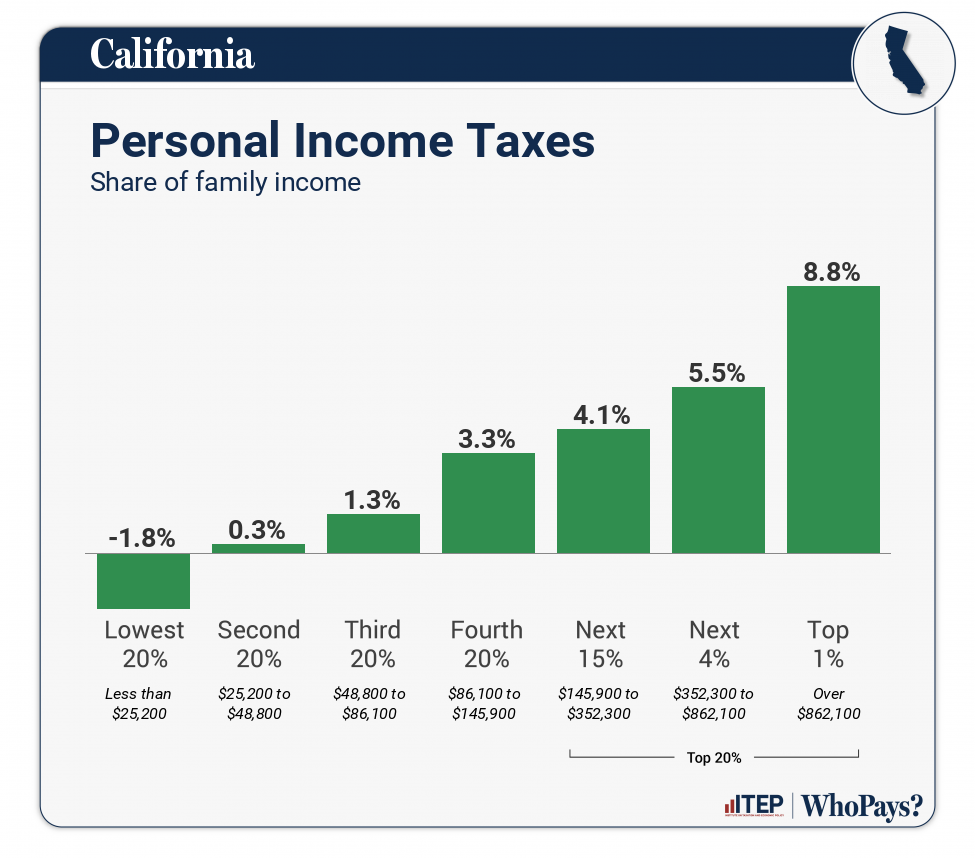
California boasts one of the highest state income tax rates in the nation, with a progressive system that means higher earners pay a larger percentage. While this primarily impacts residents and those employed within the state, it’s a crucial consideration for individuals planning extended stays, remote workers contemplating a temporary relocation to a California locale, or digital nomads settling in for a few months. Understanding residency rules and how long you can stay before potentially incurring California income tax obligations is vital. For example, a freelancer from Canada or Europe enjoying a sabbatical in Lake Tahoe or San Diego would need to be mindful of the state’s rules regarding taxable presence.
For those dreaming of owning a slice of the Golden State – perhaps a vacation home in Palm Springs, a coastal villa near Malibu, or an apartment in the bustling heart of Silicon Valley – property taxes become a significant ongoing expense. California’s property tax system, largely governed by Proposition 13, assesses taxes based on the property’s purchase price, with limited annual increases. However, given the state’s high real estate values, even a low percentage can translate into substantial annual tax bills. This is a critical factor for anyone considering long-term accommodation beyond rentals, whether it’s an investment property for short-term rentals or a personal retreat. The cost of living and owning property in popular areas like Orange County or along the Central Coast is heavily influenced by these property taxes, directly impacting the long-term lifestyle and financial planning for homeowners and investors.
Special Taxes and Fees: Hidden Costs for Specific Activities and Services
Beyond the commonly known sales and occupancy taxes, California implements various special taxes and fees that can subtly add to your expenses, especially depending on your activities and chosen lifestyle during your visit. These are often industry-specific or tied to particular environmental initiatives.
One notable area is fuel excise taxes, which contribute to the relatively higher gasoline prices in California. For travelers embarking on extensive road trips along scenic routes like Highway 1 through Big Sur or exploring the vast landscapes of Death Valley National Park, the cost of fuel can be a more significant budget item than in other states. Similarly, certain “sin taxes” on products like tobacco and cannabis (where legally purchased) contribute to state revenue, affecting those who choose to partake.
Furthermore, tourism in natural landmarks and protected areas sometimes involves specific fees. While not always classified as “taxes,” these entrance fees to state parks, national parks like Yosemite National Park or Sequoia National Park, or specific recreational areas, contribute to their maintenance and preservation. For example, a visit to the ancient redwood forests of Muir Woods National Monument near Mill Valley might include a reservation or entrance fee.
Other “hidden” costs can include rental car taxes and surcharges, which are often added to the base rental price, especially at major airports like Los Angeles International Airport or San Francisco International Airport. Parking fees, particularly in dense urban centers like Hollywood or downtown San Francisco, can also accumulate rapidly. These varied fees, while individually small, can add up to a noticeable sum over the course of a trip, influencing budget travel strategies and the overall perceived cost of a luxury travel experience. Awareness of these specific charges allows for more precise financial planning and helps avoid unexpected deductions from your travel funds.
Optimizing Your California Travel Budget: Tax-Smart Strategies
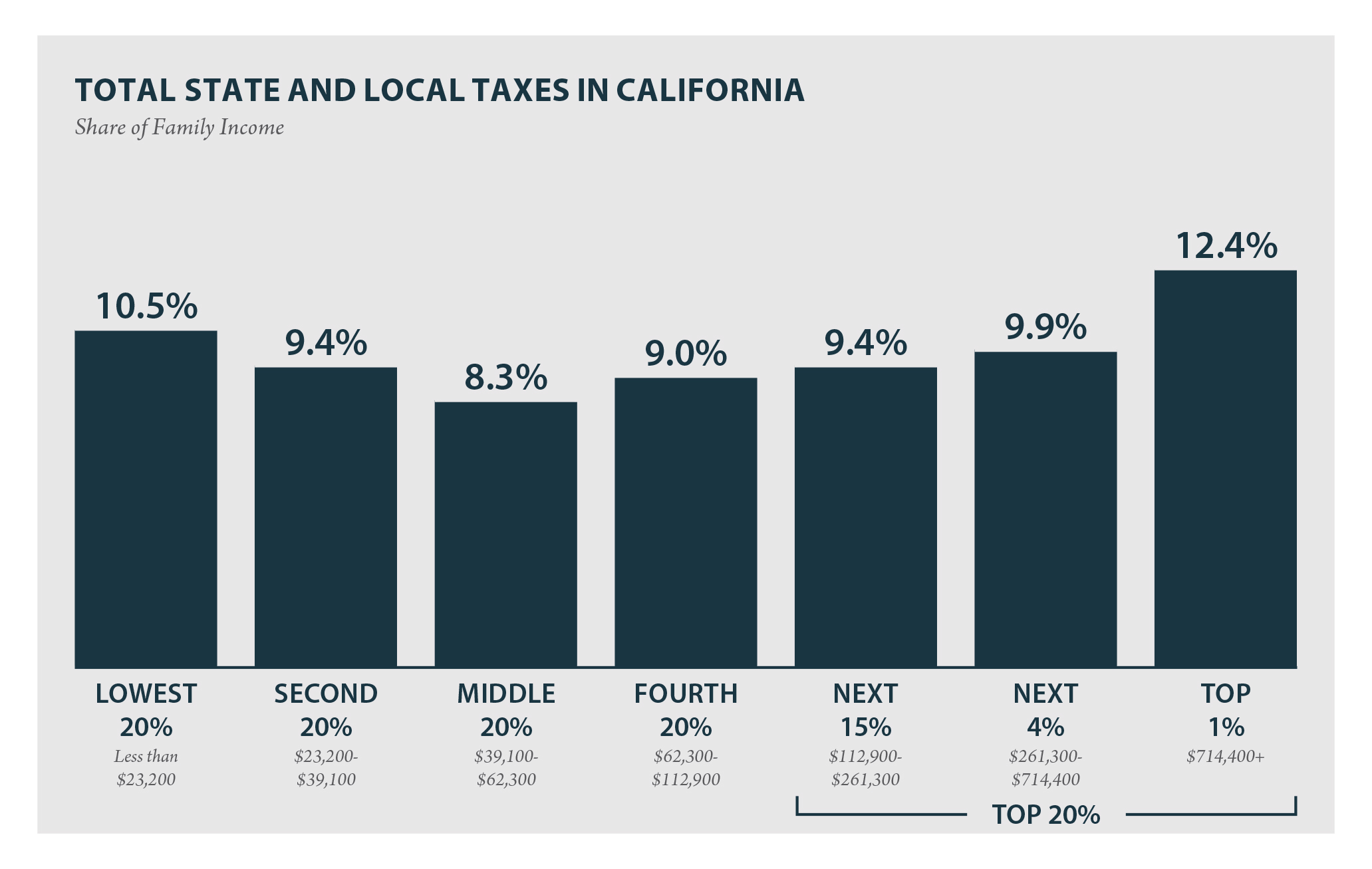
Understanding California’s tax structure isn’t just about awareness; it’s about empowering yourself to make smarter financial decisions that enhance your travel experience. With a strategic approach, you can optimize your budget and ensure your focus remains on enjoying the Golden State’s myriad attractions and experiences.
Planning Ahead: Researching Local Tax Rates
The most effective way to manage the impact of taxes on your California trip is through diligent research and planning. Given the variability of sales tax and Transient Occupancy Tax (TOT) rates across different cities and counties, investing a little time upfront can yield significant savings. Before finalizing your itinerary, take a moment to look up the specific sales tax rates for the areas you plan to visit. If you’re comparing accommodation options between Santa Monica and Long Beach, for instance, check their respective TOT rates.
Many city and county tourism websites or official government portals provide this information. Online travel agencies often include estimated taxes and fees in their final price displays, but a direct check can provide more granular detail, especially if you’re considering booking directly with a hotel or a local vacation rental company. This foresight is especially beneficial for budget travel, where every dollar counts, allowing you to allocate your funds more effectively towards experiences rather than unforeseen taxes. Even for luxury travel, understanding the full cost upfront ensures that your indulgence aligns with your expectations, whether you’re staying at the prestigious Hotel del Coronado in San Diego or a secluded villa in Mendocino. Proactive research helps in comparing total costs, not just base prices, making your accommodation booking and overall travel budgeting much more transparent.
Package Deals and All-Inclusive Options: Potential Tax Savings?
When it comes to managing costs, many travelers look towards package deals and all-inclusive options. While truly all-inclusive resorts (where food, drinks, activities, and accommodation are bundled) are less common in California compared to destinations like Mexico or the Caribbean, many hotels and travel agencies offer vacation packages that combine flights, hotels, and sometimes attraction tickets.
The primary benefit of such packages often lies in their simplified, upfront pricing. Although taxes are inherently included in the total package price, they are usually less itemized, which can make budgeting feel more straightforward. For instance, a Disneyland vacation package might give you a single price for your hotel near Anaheim and park tickets, implicitly including the TOT and sales tax on the ticket component without breaking them down. This bundling can create a sense of predictability, alleviating the stress of calculating various taxes for individual components.
For specific types of stays, such as a wellness retreat in Ojai or a guided tour through Big Sur that includes accommodation and meals, the “package” nature might mean you’re paying one lump sum. While you are still paying taxes, the perceived transparency and ease of budgeting can be a significant advantage. It’s crucial, however, to still compare the total cost of a package against booking each component separately. Sometimes, the perceived convenience of a package might come at a slightly higher cost, but for some travelers, the simplicity and certainty it offers are well worth it, especially for complex itineraries or family trips.
Business Travel and Tax Deductions
For those undertaking business stays in California, understanding the tax implications extends beyond just knowing what you’ll pay. Business travelers often have the opportunity to deduct certain travel-related expenses, including some taxes, from their taxable income. This applies to expenses directly incurred for business purposes, such as accommodation, transportation, meals, and other necessary outlays.
If you’re visiting Silicon Valley for a conference, attending a meeting in San Diego, or on a corporate retreat in Napa Valley, the Transient Occupancy Tax on your hotel room, sales tax on business meals, and even rental car taxes could potentially be deductible. Keeping meticulous records of all receipts and understanding the specific tax laws regarding business expense deductions (which can vary depending on your home country and the nature of your business) is crucial.
This aspect adds another layer to “What is the California tax?” for the professional traveler. It transforms the tax from a pure cost into a potentially recoverable expense, significantly impacting the net cost of business travel. Many companies also have policies regarding per diems and expense reports that factor in these tax considerations. For freelancers and small business owners, maximizing these deductions can be a vital part of financial planning, turning a trip that combines work and perhaps a little leisure (like staying at a Grand Hyatt Hotel in San Francisco for a conference) into a more cost-effective venture.
The Broader Impact: How California Taxes Fuel Tourism and Infrastructure
While taxes are often viewed as a direct cost to the consumer, it’s important to recognize their broader role in sustaining and enhancing the very experiences that draw millions to California each year. The revenue generated from these various taxes, especially from tourism-related activities, is reinvested into the state’s infrastructure, public services, and the promotion of its vibrant tourism industry.
Consider the Transient Occupancy Tax (TOT) collected from every hotel, resort, and short-term rental stay. A significant portion of these funds is typically earmarked by local governments to support local services such as public safety, sanitation, and road maintenance. These services are vital for residents and tourists alike, ensuring clean, safe, and accessible environments. More directly, TOT revenue often fuels local tourism marketing initiatives, helping to attract more visitors to destinations like Monterey, Santa Cruz, and Palm Springs, which in turn supports local businesses and jobs within the hospitality sector.
Sales tax revenues contribute to a wider range of state and local government services, from education and healthcare to environmental protection. For tourists, this translates into well-maintained public spaces, improved transportation networks (like the public transport systems in Los Angeles and San Francisco), and the preservation of crucial landmarks and natural attractions. The entrance fees and special taxes collected in state parks and national parks directly fund the upkeep of these pristine environments, allowing future generations to enjoy the majestic beauty of Yosemite National Park, the serene beaches of Point Reyes National Seashore, and the iconic redwoods.
Essentially, the taxes paid by travelers and residents alike contribute to creating the very appealing infrastructure and services that make California such a world-class travel destination. From the sparkling cleanliness of its theme parks to the historical preservation of its missions and the accessibility of its national treasures, the “California tax” plays a behind-the-scenes role in ensuring that the Golden State continues to offer unparalleled experiences for every type of traveler. It’s a cyclical relationship where tourism revenue helps maintain and improve the attractions and amenities that draw more tourists, sustaining the state’s vibrant travel economy and enriching its unique local culture.
Conclusion
Understanding “What is the California tax?” is far more than a dry fiscal exercise; it’s a practical guide to enhancing your travel and lifestyle experiences in the Golden State. From the moment you book your accommodation to the final souvenir purchase, California’s diverse tax structure plays an integral role in the overall cost of your adventure. We’ve explored the immediate impacts of sales tax on your everyday purchases and the Transient Occupancy Tax on your hotel bills, highlighting how these vary by location and can significantly affect your budget.
Beyond these immediate costs, we delved into deeper considerations for long-term stays and investments, touching upon the complexities of income and property taxes, and shedding light on various special taxes and fees that might emerge during specific activities or services. Crucially, we’ve also outlined tax-smart strategies, emphasizing the importance of planning ahead, researching local rates, and understanding how package deals or business travel deductions can optimize your financial outlay.
Ultimately, while the financial implications are undeniable, it’s vital to remember that these taxes also fuel the very infrastructure and services that make California an unparalleled tourist destination. They contribute to the maintenance of its iconic landmarks, the quality of its public spaces, and the vibrancy of its cultural offerings. By approaching your California journey with a clear understanding of its tax landscape, you empower yourself to make informed decisions, manage your budget effectively, and truly immerse yourself in the rich tapestry of experiences the Golden State has to offer. Whether you’re chasing the thrill of Hollywood, finding serenity in Big Sur, or settling in for a long-term golden lifestyle, being tax-savvy will ensure your California dream remains as golden as the state itself.
LifeOutOfTheBox is a participant in the Amazon Services LLC Associates Program, an affiliate advertising program designed to provide a means for sites to earn advertising fees by advertising and linking to Amazon.com. Amazon, the Amazon logo, AmazonSupply, and the AmazonSupply logo are trademarks of Amazon.com, Inc. or its affiliates. As an Amazon Associate we earn affiliate commissions from qualifying purchases.