
California, the Golden State, beckons with its sun-drenched beaches, iconic landmarks, vibrant cities, and diverse landscapes. From the dramatic cliffs of Big Sur to the bustling streets of Los Angeles and the historic charm of San Francisco, it offers an unparalleled array of experiences for every type of traveler and a compelling lifestyle for those considering a longer stay. Whether you’re planning a luxury retreat, a budget-friendly family trip, or even pondering a business relocation, understanding the state’s tax percentages is a crucial aspect of managing your expenses and making informed decisions.
While the allure of California is undeniable, its reputation for being a relatively high-tax state often raises questions. For visitors, the immediate concerns typically revolve around sales tax on purchases and the transient occupancy tax (TOT) on accommodation. For those envisioning a more permanent connection, whether as digital nomads, remote workers, or new residents, the broader scope of income and property taxes comes into play. This comprehensive guide aims to demystify California’s various tax percentages, breaking down what you can expect to pay across different categories, and providing insights to help you budget effectively for your Golden State adventure or lifestyle.
Understanding California’s Sales Tax: What You’ll Pay on Goods and Services
One of the most common taxes you’ll encounter in California, whether you’re a tourist buying souvenirs or a resident stocking up on groceries, is the sales tax. This tax is levied on the sale of most tangible goods and some services. However, its exact percentage can vary significantly depending on your specific location within the state.
The Statewide Rate and Local Additions: How Sales Tax Varies
California has a statewide base sales tax rate that applies uniformly across all counties. As of recent updates, this rate stands at 7.25%. This is the foundational percentage that every purchase subject to sales tax will incur. However, this is just the starting point. Many cities and counties impose their own additional district taxes, which are added on top of the statewide rate. These local taxes fund various public services, infrastructure projects, and special programs unique to those areas.
For example, while the base rate is 7.25%, you might find yourself paying a much higher percentage in popular tourist destinations or densely populated urban centers. In Los Angeles County, for instance, the combined sales tax rate can range from 9.5% to over 10.25% in some municipalities, depending on specific district levies. Similarly, in the San Francisco Bay Area, rates often hover around 8.5% to 9.25%. Even within a single county, different cities might have slightly different rates due to specific local ballot measures.
Key takeaway for travelers: Always assume the sticker price does not include sales tax. When making purchases, especially significant ones like electronics, apparel, or gifts from attractions like Disneyland Park or Universal Studios Hollywood, factor in this additional percentage to avoid budget surprises. Groceries, specifically most unprepared food items, are generally exempt from sales tax, but prepared foods at restaurants or deli counters are typically subject to it.
Tourist Purchases and Exemptions: What to Know When Shopping
For visitors, understanding sales tax is particularly relevant for shopping experiences. Whether you’re exploring the luxury boutiques of Beverly Hills, the trendy shops in Santa Monica, or buying keepsakes at a landmark like the Golden Gate Bridge, the sales tax will apply. There are generally no specific sales tax exemptions for tourists from other states or countries in California. Unlike some other nations that offer VAT refunds for international visitors, the U.S. does not have a federal sales tax, and individual states generally do not provide such mechanisms.
However, there are certain categories of goods that are exempt from sales tax across the board. These typically include:
- Most food for home consumption: Unprepared groceries purchased from supermarkets are usually exempt.
- Prescription medications: Both prescription drugs and some over-the-counter medications are exempt.
- Certain services: While some services are taxed, many professional services are not.
When planning your trip, consider checking the specific sales tax rates for the cities you intend to visit. A quick online search for “[city name] sales tax rate” will usually provide the most current information, ensuring you have an accurate picture of the total cost of your retail therapy in places like Napa Valley or Laguna Beach.
Navigating Accommodation Taxes: Hotel Stays and Beyond
Beyond sales tax, one of the most significant tax considerations for any traveler to California is the cost of accommodation. The Golden State offers an incredible array of lodging options, from opulent resorts like The Ritz-Carlton, Laguna Niguel and Terranea Resort to charming boutique hotels, vacation rentals, and budget-friendly motels. However, the advertised price for a room rarely includes the full cost due to the application of Transient Occupancy Tax (TOT), often referred to as a “hotel tax” or “bed tax.”
Transient Occupancy Tax (TOT): The Hotel Tax Explained
The Transient Occupancy Tax (TOT) is a charge levied by cities and counties on guests who stay in hotels, motels, bed and breakfasts, or similar lodging for a period of 30 days or less. This tax is a crucial revenue source for local governments, often funding tourism promotion, infrastructure, and general municipal services. Similar to sales tax, the TOT rate is not uniform across California; it varies significantly from one municipality to another.
TOT percentages typically range from 8% to as high as 17% in popular tourist destinations. This means that if you book a room for $200 per night, an additional $16 to $34 could be added to your bill per night just from this tax. It’s vital to factor this into your accommodation budget when booking, as it can significantly increase the total cost of your stay, especially for longer trips or luxury accommodations.
How TOT Impacts Your Stay in Popular Destinations
Let’s look at how TOT can impact your stay in some of California’s most visited areas:
- San Francisco: Known for its iconic landmarks and vibrant culture, San Francisco typically has a TOT rate around 14%, plus additional fees that can sometimes push the total occupancy tax to over 15-16%. This can make a substantial difference when staying at a historic hotel like the Fairmont San Francisco.
- Los Angeles: The sprawling metropolis of Los Angeles generally imposes a TOT rate around 12% to 14% in the city proper. Areas like Beverly Hills, home to establishments like the Waldorf Astoria Beverly Hills, will also feature similar or slightly higher rates.
- San Diego: With its beautiful beaches and family-friendly attractions, San Diego typically has a TOT rate of around 10.5% for most lodging options, including grand resorts like the Hotel del Coronado.
- Anaheim: Home to Disneyland Park, Anaheim’s TOT rate is often around 15%, reflecting the high volume of tourist activity.
- Palm Springs: This desert oasis often sees TOT rates around 12.5% to 13.5%, supporting its thriving tourism industry.
- Pasadena: Known for the Rose Bowl, Pasadena generally has a TOT rate of 12%.
It’s crucial to check the specific TOT rate for your chosen city and even specific hotel or vacation rental before booking. Most online travel agencies and hotel websites will show the total price including taxes and fees during the booking process, but it’s always wise to confirm.
Vacation Rentals and Long-Term Stays: Different Rules?
The rise of vacation rentals through platforms like Airbnb and VRBO has made it even more important to understand accommodation taxes. Generally, these rentals are subject to the same Transient Occupancy Tax as traditional hotels, provided the stay is for 30 days or less. Many platforms are now set up to automatically collect and remit these taxes to the relevant local authorities, simplifying the process for both hosts and guests. However, it’s always good practice to verify that taxes are included in the price quoted when booking a short-term rental.
For long-term stays—typically defined as more than 30 consecutive days in California—guests are usually exempt from TOT. This exemption is particularly relevant for digital nomads, business travelers on extended assignments, or individuals considering a temporary relocation to cities like Malibu or Ojai Valley Inn. If you plan a stay longer than 30 days, ensure this exemption is properly applied to your booking, as it can result in significant savings. Always confirm this detail with your host or accommodation provider.
Broader Tax Considerations for California Living and Long-Term Stays
While sales and accommodation taxes are the primary concerns for short-term visitors, those considering a more extended stay, relocation, or even just curious about the full financial picture of California living should be aware of additional tax percentages. These broader taxes impact personal finance, property ownership, and the overall cost of living.
Income Tax: A Quick Look for Digital Nomads and Relocators
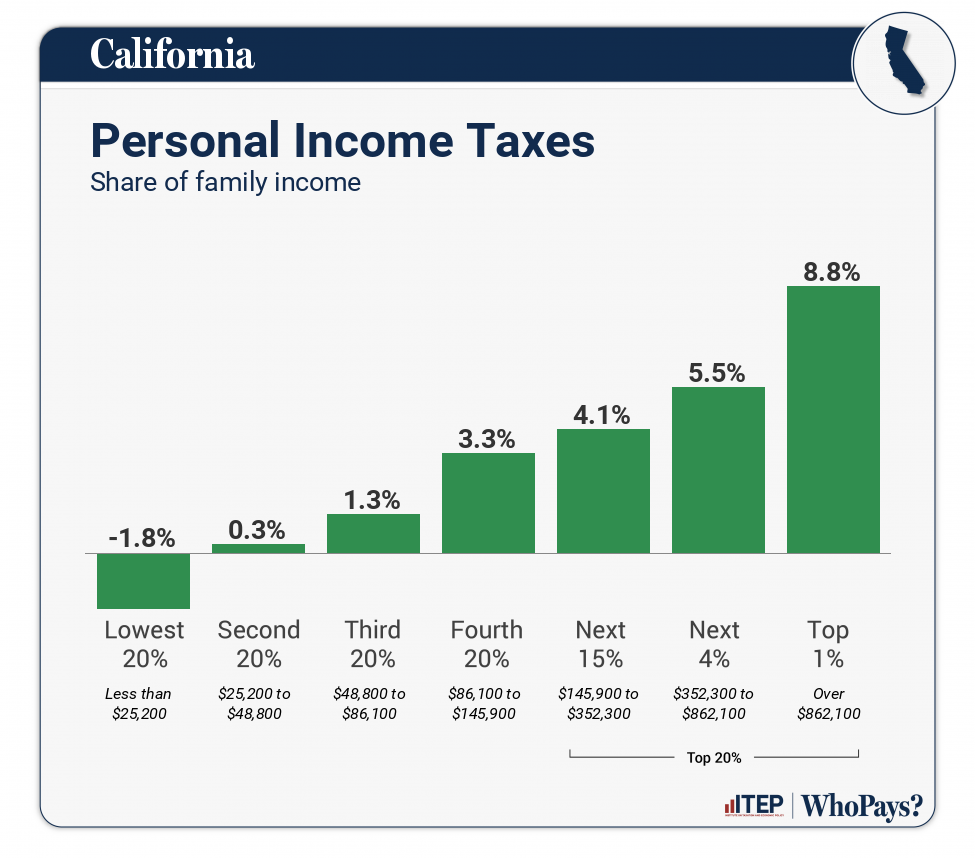
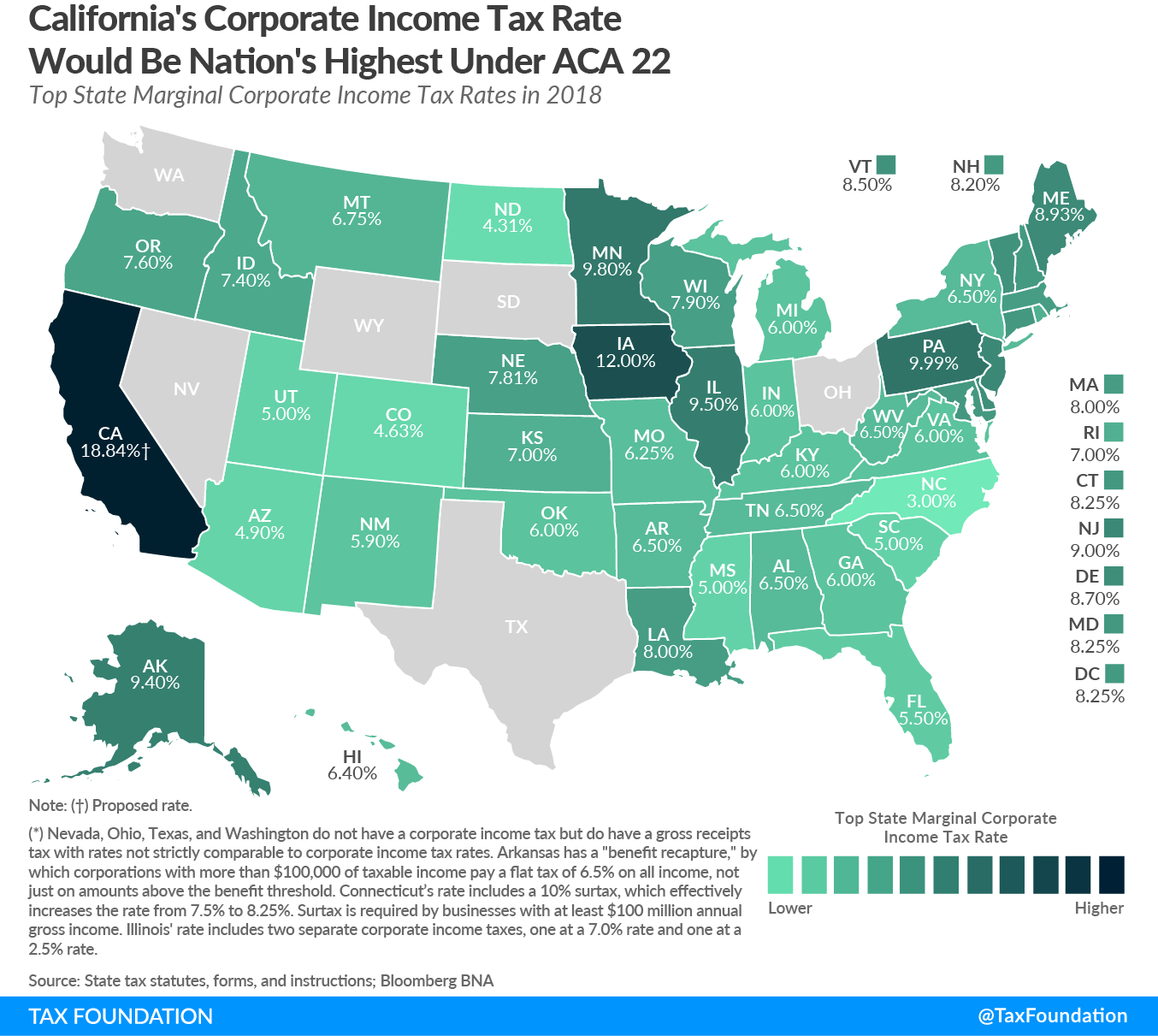
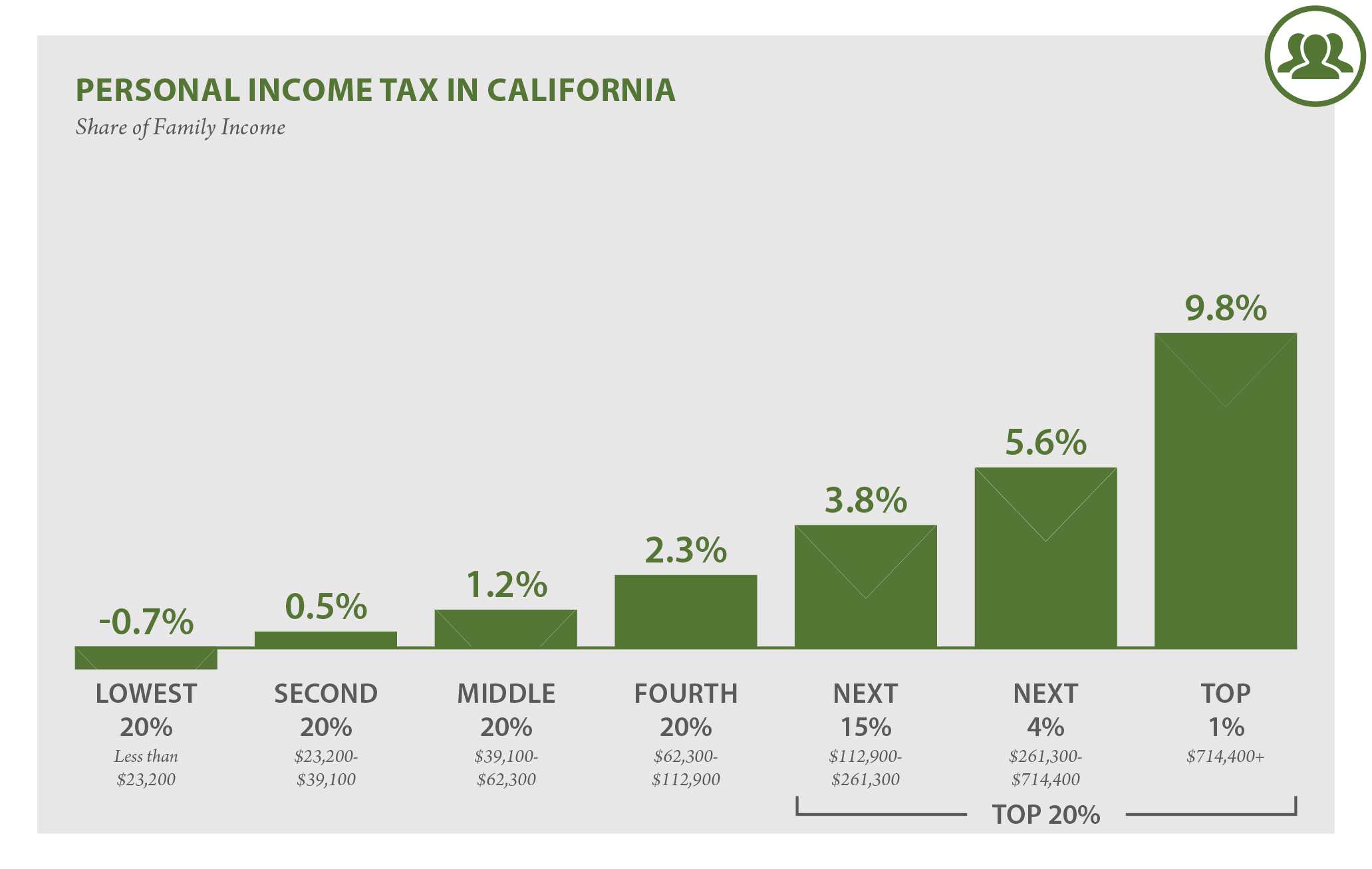
California has a progressive state income tax system, meaning that higher earners pay a higher percentage of their income in taxes. This is one of the most significant differences between California and many other states. The state income tax rates range from 1% to 12.3%, with an additional 1% mental health services tax for individuals earning over $1 million.
For digital nomads, remote workers, or individuals considering a move to California, understanding this progressive system is critical. Your effective tax rate will depend on your income level and filing status. For instance, a single individual earning $50,000 will pay a significantly lower percentage than someone earning $250,000 or $1,000,000. It’s advisable to consult with a tax professional if you plan to establish residency or earn income within the state to accurately project your tax liability. This tax is a major component of the lifestyle budget for anyone choosing to make California their home, whether in Hollywood or Sacramento.
Property Tax: If You’re Dreaming of a California Home
For those with dreams of owning a piece of the Golden State, property taxes are another important consideration. California’s property tax system is somewhat unique due to Proposition 13, a ballot initiative passed in 1978. Under Proposition 13, the base property tax rate is generally set at 1% of the property’s assessed value at the time of purchase. This assessed value can only increase by a maximum of 2% per year, regardless of market value appreciation, until the property is sold.
However, similar to sales tax, local bonds and special assessments are added on top of this 1% base rate. These local levies can push the effective property tax rate higher, often ranging from 1.1% to 1.5% or more, depending on the specific location and local measures. For example, a home in San Diego might have a different overall rate than one near Lake Tahoe or The Inn at Spanish Bay. While Proposition 13 provides some stability for long-term homeowners, the initial purchase price in California’s often expensive real estate market means that even a 1% base rate can result in substantial annual tax payments.
Fuel Taxes and Other Indirect Costs for Travelers
When exploring California by car, a popular choice for touring diverse destinations like Yosemite National Park or the scenic coast, you’ll inevitably encounter fuel taxes. California consistently has some of the highest gasoline prices in the United States, partly due to state and federal excise taxes, as well as specific state fees and environmental regulations. The precise percentage varies as it’s a per-gallon tax, but it significantly contributes to the pump price. This is an important factor for budget travelers or those embarking on extensive road trips.
Beyond direct taxes, it’s worth remembering that the general cost of living in California is higher than the national average, especially in major metropolitan areas. This can indirectly impact your budget through higher prices for dining out, entertainment, and other services, even if those services don’t always have a direct percentage tax explicitly added.
Budgeting for Your California Adventure: Tips for Savvy Travelers
Navigating California’s tax landscape doesn’t have to be daunting. With a bit of foresight and strategic planning, you can ensure your trip or move is as enjoyable and financially smooth as possible. Understanding these tax percentages is a key part of smart travel and lifestyle management.
Planning Ahead: Incorporating Taxes into Your Travel Budget
The most effective way to manage taxes is to incorporate them into your budget from the outset.
- Accommodation: When researching hotels, resorts, or vacation rentals, don’t just look at the nightly rate. Use online booking platforms to view the total cost including all taxes and fees before confirming. This will give you the most accurate picture of your accommodation expenses.
- Shopping: For retail therapy, especially in high-tax areas like Los Angeles or San Francisco, assume an additional 9-10% will be added to the price of most non-food items. If you’re on a budget, consider purchasing necessities from grocery stores (which mostly carry tax-exempt items) rather than convenience stores where prepared foods and other items are taxed.
- Dining Out: Restaurant meals are subject to sales tax, and tipping is customary (typically 15-20% of the pre-tax bill). Factor both into your dining budget.
- Transportation: If renting a car, remember the higher fuel prices due to taxes. Also, be aware of tolls on certain bridges and roads, such as the Golden Gate Bridge, which are additional costs.
- Long-Term Stays: If considering an extended stay, thoroughly research the income tax implications for your specific situation. Even if you maintain residency elsewhere, earning income within California can trigger state tax obligations.
Smart Spending: How to Minimize Tax Impact
While taxes are unavoidable, there are ways to be a savvy traveler or resident:
- Opt for Longer Stays (If Possible): If your trip allows for a stay of over 30 days, consider this option for vacation rentals to become exempt from the Transient Occupancy Tax.
- Shop Wisely: Focus on experiences and tax-exempt items like fresh produce from farmers’ markets when possible. If buying high-ticket items, research sales tax rates in nearby areas—sometimes crossing a county line can make a difference, though the savings might not always outweigh the travel time.
- Budget for Fuel: If driving is essential, map out your routes and factor in fuel costs. Use apps to find the cheapest gas stations.
- Utilize Public Transport: In major cities like Los Angeles and San Francisco, public transportation can be an efficient and cost-effective way to get around, reducing your reliance on high-taxed fuel.
- All-Inclusive Options: Some luxury resorts, such as The Ritz-Carlton, Laguna Niguel or Terranea Resort, may offer packages that bundle certain services or amenities, sometimes providing better value for money by making the total cost more predictable.
In conclusion, California’s tax percentages are a multifaceted topic, reflecting the state’s economic structure and diverse local governance. For visitors, the statewide sales tax of 7.25% (often higher with local additions) and the varying Transient Occupancy Tax (8-17%) on lodging are the most immediate concerns. For those looking to establish a longer connection, the progressive income tax (1-12.3% plus surcharges) and the unique property tax system (1% base plus local levies) become central to financial planning. By understanding these percentages and planning accordingly, you can confidently navigate the Golden State’s financial landscape, ensuring that your focus remains on enjoying the incredible destinations, rich culture, and vibrant lifestyle that California has to offer.
LifeOutOfTheBox is a participant in the Amazon Services LLC Associates Program, an affiliate advertising program designed to provide a means for sites to earn advertising fees by advertising and linking to Amazon.com. Amazon, the Amazon logo, AmazonSupply, and the AmazonSupply logo are trademarks of Amazon.com, Inc. or its affiliates. As an Amazon Associate we earn affiliate commissions from qualifying purchases.