
California is an unparalleled destination, a land of sun-drenched beaches, towering redwoods, vibrant cities, and groundbreaking innovation. From the iconic landmarks of Los Angeles and San Francisco to the serene vineyards of Napa Valley and the majestic peaks of Lake Tahoe, the Golden State offers an incredible array of experiences for every type of traveler. Whether you’re planning a luxurious escape, a budget-friendly adventure, a family trip to world-class theme parks, or even considering a longer-term stay for business or leisure, understanding the financial landscape is a crucial part of your journey. Beyond the glittering attractions and stunning natural beauty, an essential factor that impacts everything from the cost of accommodation to your overall lifestyle budget is the state’s income tax rate.
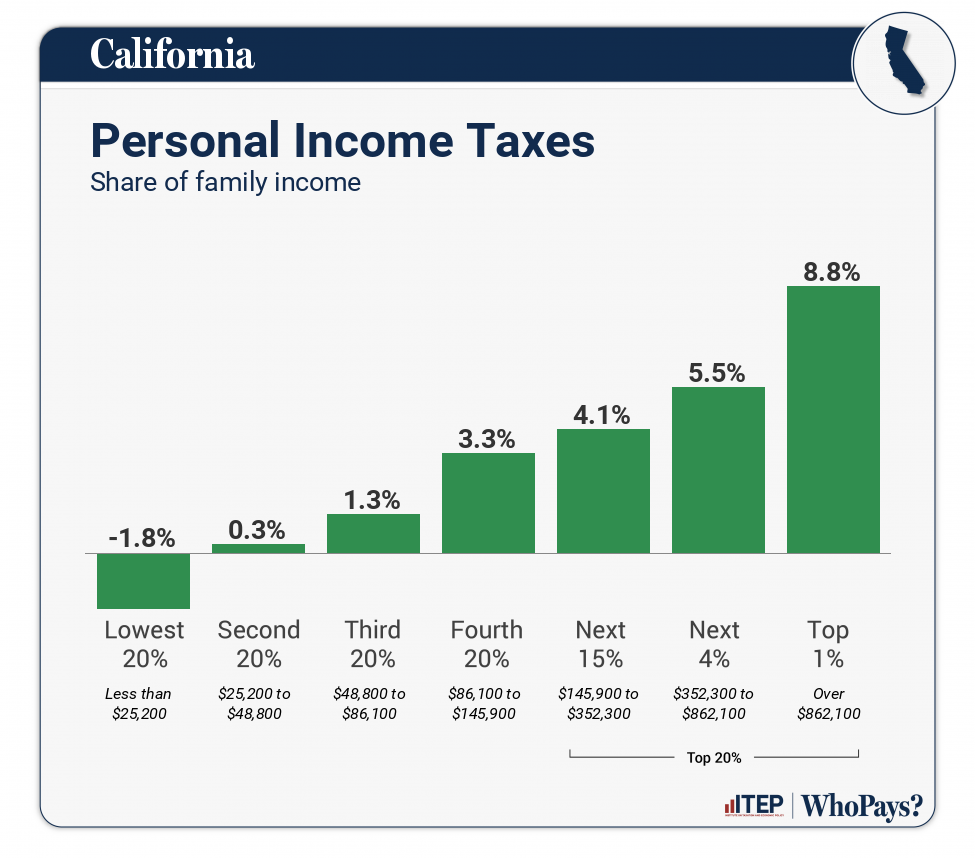
For both potential residents and those visiting for extended periods, especially digital nomads or individuals considering a shift in their professional base, California’s tax structure can significantly influence financial planning. While the state offers an abundance of opportunities and experiences, it’s also known for having one of the highest income tax rates in the United States. This detailed guide aims to demystify California’s income tax, exploring its progressive system, how it compares to other states, and its practical implications for your travel plans, lifestyle choices, and overall economic experience in this dynamic region. By understanding these financial nuances, you can better prepare for your visit or relocation, ensuring a smoother and more enjoyable time in one of the world’s most coveted destinations.
Understanding California’s Progressive Income Tax System
California operates on a progressive income tax system, meaning that as your income increases, so does the percentage of tax you pay. This system is designed to distribute the tax burden more heavily on higher earners. Unlike a flat tax, where everyone pays the same percentage regardless of income, California’s approach segments income into various brackets, each with its own corresponding marginal tax rate. This is a critical distinction for anyone estimating their potential tax liability, whether they’re earning wages from a local job, running a business, or working remotely while enjoying a long-term stay in the state.
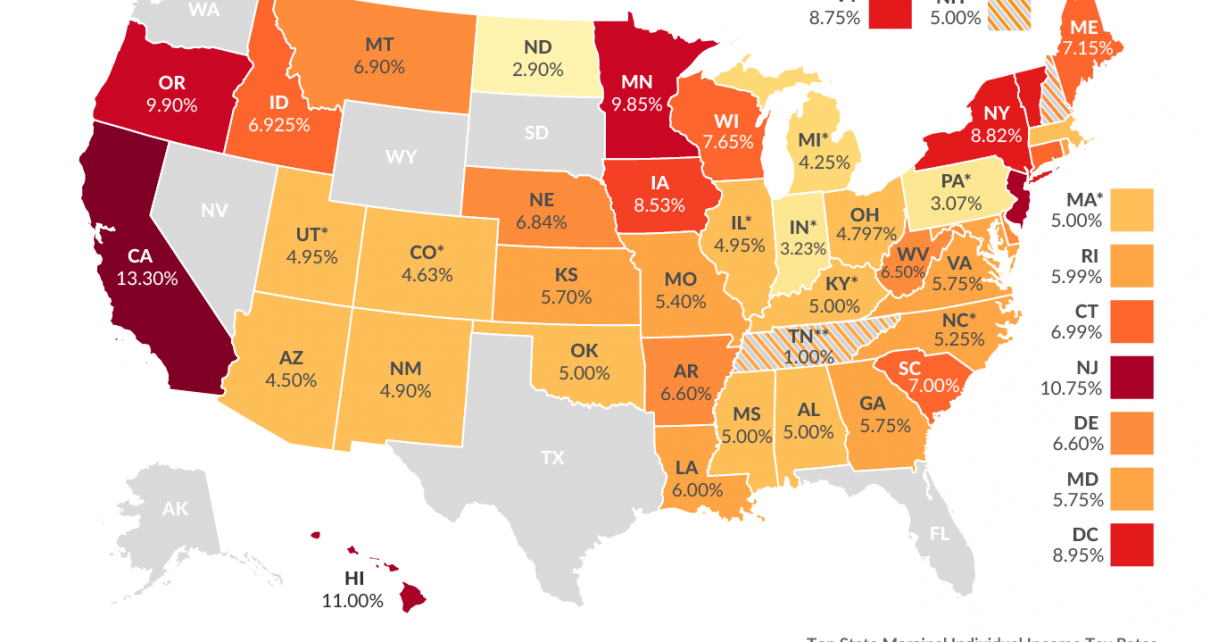
For the 2023 tax year (filed in 2024), California features several tax brackets, ranging from a low of 1% to a high of 12.3%. There’s also an additional 1% surcharge on taxable incomes over $1 million, specifically designed to fund mental health services, bringing the top marginal rate to 13.3%. These rates apply to different income levels depending on your filing status: single, married filing jointly, married filing separately, or head of household. For instance, a single filer might pay 1% on their first few thousand dollars of taxable income, but any income above a certain threshold could be taxed at 9.3%, 10.3%, or even 11.3%, eventually reaching the top bracket if their income is exceptionally high. It’s important to note that these are marginal rates, meaning only the portion of income within a specific bracket is taxed at that bracket’s rate, not the entire income.
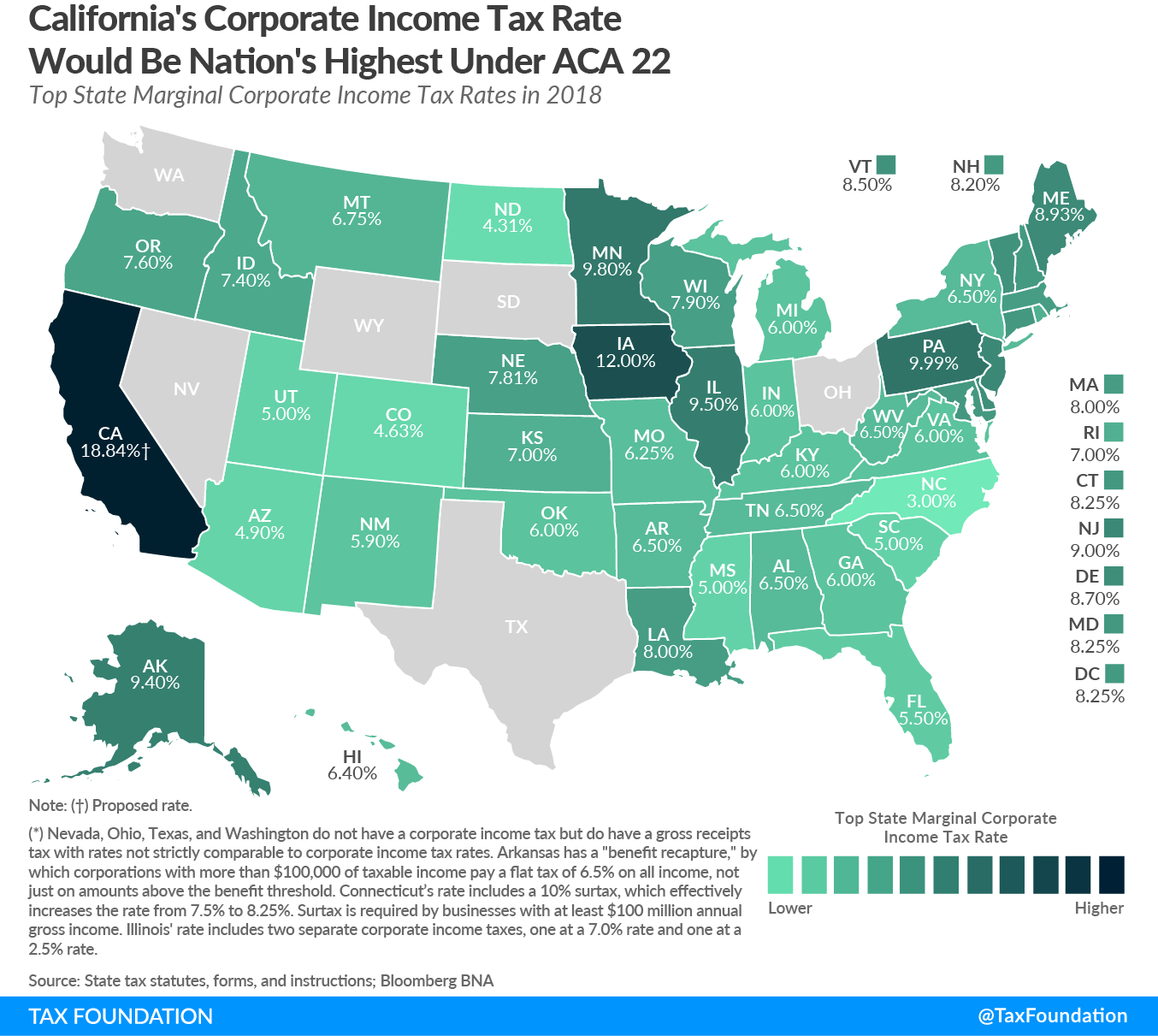
Compared to other states in the United States, California’s income tax rates are among the highest. States like Texas, Florida, Nevada, and Washington (among others) have no state income tax at all, which makes California stand out significantly in this regard. Even among states that do levy an income tax, California’s top rates are frequently at the higher end of the spectrum. This is a key consideration for individuals or businesses evaluating relocation options, as a higher income tax rate can impact net earnings and disposable income, thereby influencing lifestyle choices, investment opportunities, and overall financial well-being. Understanding these progressive tiers and their impact is the first step in financially navigating the Golden State.
How California’s Income Tax Impacts Your Travel & Lifestyle Choices
California’s income tax rates aren’t just numbers on a tax form; they have tangible implications for the cost of living, discretionary spending, and ultimately, the lifestyle you can afford, whether you’re visiting or settling down. For travelers, particularly those planning extended stays or considering California as a base for remote work, these rates contribute to the broader economic picture of the state. While tourists on short vacations might not directly feel the income tax bite, the higher cost of doing business in California (partially due to taxes) can indirectly influence prices for hotels, dining, and activities. This means that a luxury travel experience in Beverly Hills or a gourmet food tour in San Francisco might command higher prices than comparable experiences in lower-tax states.
Budgeting for Your California Adventure
For those on a budget travel plan, understanding the overall cost environment, including the impact of taxes, becomes even more critical. While direct income tax may not apply to short-term visitors, the general cost of goods and services, including sales tax (which is also relatively high in California), can quickly add up. Planning for accommodation, whether it’s a boutique hotel in Santa Monica, a family-friendly resort near Disneyland, or a cozy apartment rental for a long-term stay, requires factoring in these costs. Higher income taxes often contribute to the funding of public services and infrastructure that make California an attractive place to visit – from well-maintained national parks like Yosemite to efficient public transport systems in major cities. However, these benefits come with a price tag that is reflected across the state’s economy.
Lifestyle Implications for Residents and Long-Term Visitors
For individuals considering a long-term stay, remote work, or even permanent residency, California’s income tax becomes a direct and significant factor in their personal finances. A higher tax burden on earnings means that a given salary in California might yield less disposable income compared to an identical salary in a state with no income tax. This directly impacts everything from housing affordability – which is notably high in cities like San Francisco and Los Angeles – to the ability to save, invest, or spend on leisure activities. The allure of the California lifestyle, with its vibrant culture, stunning natural beauty, and economic opportunities, often comes with this financial trade-off. Therefore, careful financial planning, including understanding all tax obligations, is paramount to truly maximize the experience and enjoy the high quality of life that California offers. This awareness allows individuals to make informed decisions about where to live, how to budget, and what type of lifestyle is sustainable within their means.
California Destinations & Cost Considerations
The Golden State’s diverse geography means that the cost of living and the impact of taxes can vary significantly from one region to another, even as the state income tax rates remain consistent. While the progressive tax brackets apply statewide, local economic factors, property values, and demand for services translate into varying overall expenses across different destinations. Understanding these regional differences is key for anyone planning accommodation, travel, or a lifestyle in California.
Urban Centers: Los Angeles, San Francisco, and San Diego
Los Angeles: As a global hub for entertainment, culture, and business, Los Angeles attracts millions of visitors and residents. The city offers everything from the glitz of Hollywood to the beaches of Santa Monica and the exclusive boutiques of Beverly Hills. Here, the high cost of housing and general services means that even with competitive salaries, the net disposable income can feel constrained by the combination of state income taxes and high local expenses. Luxury hotels and resorts abound, but budget accommodation options also exist further from the main attractions. Planning a trip here often involves balancing desires for grand experiences like Universal Studios Hollywood with the reality of its higher cost.
San Francisco: Famous for the Golden Gate Bridge, its vibrant tech industry in Silicon Valley, and a unique culinary scene, San Francisco consistently ranks among the most expensive cities in the world. The astronomical cost of living, particularly housing, means that residents need substantial incomes to maintain a comfortable lifestyle. For visitors, hotels and dining are significantly pricier than in many other major United States cities. While the state income tax applies, the sheer volume of local expenses often overshadows it as the primary financial concern. Tourism in San Francisco can be a premium experience, best approached with a generous budget.
San Diego: Offering a more relaxed pace than its northern counterparts, San Diego boasts beautiful beaches, a thriving craft beer scene, and a pleasant climate. While still an expensive city, it generally offers a slightly more accessible cost of living compared to Los Angeles or San Francisco. Income tax considerations here are balanced against robust local amenities and proximity to attractions like Mexico. Accommodation varies widely, from luxury waterfront resorts to more modest hotels and vacation rentals, catering to diverse budgets.
Beyond the Cities: Napa Valley, Lake Tahoe, and Sacramento
Napa Valley & Sonoma County: These world-renowned wine regions offer an exquisite escape characterized by rolling vineyards, gourmet dining, and luxurious resorts. A trip here is inherently a premium experience, and while the income tax is a statewide factor, the cost of wine tastings, fine dining, and high-end accommodation naturally sets a high financial bar. Visitors here are typically seeking a lavish lifestyle experience, where taxes are a background consideration compared to the cost of bespoke tours and exclusive hotel suites.
Lake Tahoe & Mammoth Lakes: These stunning natural areas are prime destinations for outdoor enthusiasts, offering skiing, hiking, and water sports. The cost of living in these resort towns can be high due to demand and the seasonal nature of tourism. Accommodation, especially during peak seasons, can be expensive. For those considering seasonal work or long-term stays, the state’s income tax will directly impact their earnings from tourism-related jobs, requiring careful budgeting for housing and essentials.
Sacramento: As California’s state capital, Sacramento presents a more affordable alternative to the coastal metropolises. While still subject to the same state income tax rates, the lower cost of housing and general services means that a given income can stretch further. This makes Sacramento an attractive option for those who wish to experience California without the extreme price tags of Los Angeles or San Francisco, offering a more accessible lifestyle.
In essence, while California’s income tax framework is consistent, its practical financial impact on travel and lifestyle is profoundly shaped by the local economies and inherent costs of its diverse regions. Travelers and prospective residents must consider both the state’s tax rates and the specific regional cost of living to accurately plan their budgets.
Navigating Tax Implications for Various Stays: From Short Vacations to Long-Term Residence
Understanding your tax obligations in California depends heavily on the nature and duration of your stay. The rules for a tourist on a brief holiday differ significantly from those for someone who has established residency or is working remotely from the state for an extended period. California has specific guidelines to determine tax residency, which is the cornerstone of state income tax liability.
Short-Term Tourists and Business Travelers
For individuals on short vacations or brief business trips (typically less than six months), California income tax is generally not a direct concern for their income earned outside the state. If you are visiting from another state or country and your income-generating activities are solely based elsewhere, you are usually not considered a California resident for tax purposes. However, if you perform services or earn income within California during your visit (e.g., performing artist, athlete, business consultant with a California client), that specific income may be subject to California tax, regardless of your residency status. For most tourists simply enjoying landmarks like the Disneyland Park or exploring Big Sur, the primary financial impacts will be through sales tax on purchases and local tourism taxes on hotel accommodations.
Digital Nomads and Remote Workers
The rise of remote work has introduced complexities, especially for digital nomads who choose to live in California for several months while working for an employer or clients located outside the state. California’s Franchise Tax Board (FTB) has comprehensive rules for determining residency. Generally, if you are physically present in California for more than nine months out of the year, or if you establish significant connections to the state (e.g., registering to vote, obtaining a California driver’s license, sending children to local schools), you could be considered a tax resident. As a tax resident, all your income, regardless of its source (even if your employer is in New York or Europe), becomes subject to California income tax. This is a critical point for remote workers, as it means even income earned from a company in a no-income-tax state could be taxed by California if you are deemed a resident. Planning long-term accommodation, like booking apartments or villas, should certainly factor in these potential tax liabilities, moving beyond just the daily rate.
Long-Term Residents and Permanent Relocations
For individuals who permanently relocate to California, establishing residency for tax purposes is generally straightforward. Once you become a California resident, all your worldwide income is subject to California income tax, regardless of where it was earned. This includes wages, business profits, investment income, and retirement distributions. For those moving from other states, particularly those with no state income tax, this can represent a significant change in their overall financial picture. Understanding the implications of this global income taxation is crucial for anyone considering a move for career opportunities, lifestyle changes, or family reasons. Consulting with a tax professional experienced in California tax law is highly recommended for anyone planning a long-term stay or permanent relocation to ensure compliance and optimize their financial strategy within the state’s progressive tax system.
Maximizing Your California Experience: Financial Planning Tips
Navigating California’s financial landscape, particularly its income tax environment, doesn’t have to be a deterrent to experiencing all the state has to offer. With careful planning and an understanding of the state’s economic nuances, you can maximize your enjoyment, whether you’re a short-term visitor, a digital nomad, or considering a permanent move. The goal is to make informed decisions that align with your budget and lifestyle aspirations.
Effective Budgeting Strategies
One of the most important tips for any California adventure, regardless of its length, is robust budgeting. For travelers, this means not just accounting for flights and hotel bookings, but also local transportation, dining, activities (like visiting Death Valley National Park or Hearst Castle), and incidental expenses. Factor in the sales tax, which can be as high as 10.75% in some localities, and local tourism taxes on accommodation. For those with income potentially subject to California tax, understand your net take-home pay after federal and state deductions. Research accommodation options thoroughly, comparing hotels, resorts, apartments, and villas on platforms like lifeoutofthebox.com, paying close attention to total costs including taxes and fees. Consider staying in areas like Sacramento or other inland cities if urban coastal prices are prohibitive, then plan day trips to popular attractions.
Smart Accommodation Choices
Your choice of accommodation can significantly impact your overall budget. While luxury hotels in Palm Springs or oceanfront resorts on Catalina Island offer unparalleled experiences, they come at a premium. For longer stays, exploring serviced apartments or vacation rentals through platforms that offer extended stay discounts can be a cost-effective solution. Comparing reviews and amenities is crucial. Many websites, including lifeoutofthebox.com, provide guides and tips for finding the best deals on hotels and accommodation, helping you stretch your budget further without compromising on comfort or convenience. If you’re staying for several months, consider locations with slightly lower rents but good access to public transport or major highways to reach attractions.
Leveraging Tax Knowledge for Financial Health
For those who will be earning income in California, understanding the progressive tax brackets is fundamental. This knowledge allows you to estimate your tax liability and adjust your financial planning accordingly. If you’re a remote worker, clarify your residency status with a tax professional to avoid unexpected tax bills. Consider tax-advantaged savings and investment vehicles if you’re a long-term resident. While high income taxes contribute to the state’s robust public services and infrastructure, being aware of all your financial obligations empowers you to make smarter choices. This could involve exploring areas with a slightly lower cost of living, adjusting your spending habits, or simply ensuring you budget adequately for your tax burden.
Ultimately, California offers an incredible lifestyle and unforgettable travel experiences. By proactively understanding the state’s income tax rates and their broader economic impact, you can navigate the Golden State with confidence, ensuring your financial planning supports your desired level of luxury, adventure, or long-term comfort. Don’t let the numbers overshadow the magic; instead, use them to your advantage to unlock the best of what California has to offer.
LifeOutOfTheBox is a participant in the Amazon Services LLC Associates Program, an affiliate advertising program designed to provide a means for sites to earn advertising fees by advertising and linking to Amazon.com. Amazon, the Amazon logo, AmazonSupply, and the AmazonSupply logo are trademarks of Amazon.com, Inc. or its affiliates. As an Amazon Associate we earn affiliate commissions from qualifying purchases.