
Nestled along the Pacific coast, the Golden State of California beckons millions of travelers each year with its diverse landscapes, vibrant cities, and unparalleled attractions. From the sun-kissed beaches of San Diego to the majestic redwoods of the north, and from the bustling urban sprawl of Los Angeles to the iconic hills of San Francisco, California offers an endless array of experiences. Whether you’re planning a luxury retreat to Napa Valley or a budget-friendly road trip along the Pacific Coast Highway, understanding the financial landscape is key to a smooth journey. One often-overlooked aspect that can significantly impact your travel budget and overall lifestyle considerations in the state is its tax structure.
While taxes might not be the most glamorous topic when dreaming of a California adventure, they are an undeniable part of the cost of living, visiting, and engaging with the local economy. For tourists, temporary residents, and those exploring long-term accommodation options, knowing what to expect can prevent unwelcome surprises and help you budget more effectively. This comprehensive guide aims to demystify California’s state taxes through the lens of travel, tourism, and lifestyle choices, ensuring your focus remains on creating unforgettable memories.
Understanding California’s Tax Landscape for Travelers
California’s tax system is often cited as one of the more complex and, in some areas, higher-taxed states in the United States. This perception is not without merit, as the state funds a wide array of public services and infrastructure through various levies. For the average visitor, the most direct encounters with these taxes will be through purchases, accommodation, and transportation. However, for those considering extended stays or remote work, understanding broader income and property tax implications becomes equally vital.
The goal here isn’t to provide an exhaustive legal or financial tax guide, but rather a practical overview tailored to the interests of travelers and those considering a temporary or even a long-term lifestyle change in California. We’ll explore how sales tax impacts your souvenir shopping and dining experiences, how transient occupancy taxes affect your hotel bills, and how other levies influence everything from car rentals to the price of gas for your scenic drives.
Why Taxes Matter for Your California Journey
Ignoring the tax component when planning your California trip can lead to significant budget overruns. The advertised price for a hotel room, a rental car, or even a meal at a restaurant often doesn’t include the applicable taxes, which can add a substantial percentage to your final bill. This discrepancy means that a seemingly affordable option can quickly become more expensive than anticipated.
Moreover, taxes aren’t uniform across the state. Different cities and counties have their own local tax rates, especially for accommodation and sales. This variation can influence your choices, leading you to discover charming towns slightly outside major metropolitan areas that might offer a more budget-friendly experience without sacrificing quality. Understanding these nuances empowers you to make informed decisions, ensuring that your travel plans align with your financial expectations, whether you’re embarking on a luxurious escapade or a savvy, economical adventure.
Direct Taxes Affecting Your California Trip
When you travel through California, several taxes will directly impact your wallet. These are the levies you’ll encounter on a daily basis, often added to your purchases or service charges. Being aware of these direct taxes is the first step toward effective budgeting.
Sales Tax: On Goods, Dining, and Souvenirs
The statewide sales tax rate in California is 7.25%. However, this is just the base rate. Most cities and counties impose additional local district sales taxes, which can push the total rate considerably higher. For instance, in parts of Los Angeles County or Alameda County, the combined sales tax can reach as high as 10.25% or even 10.75%.
This sales tax applies to most tangible goods you purchase, including clothing, electronics, books, and souvenirs. It also applies to prepared food and beverages consumed at restaurants, cafes, and even fast-food establishments. When you dine out in San Francisco, grab a coffee in Sacramento, or buy a memorable gift from a shop near Disneyland Resort, expect this tax to be added to your bill. It’s important to note that staple food items purchased at grocery stores for home consumption are generally exempt from sales tax, offering a small reprieve for budget-conscious travelers who opt to prepare some of their own meals.
Transient Occupancy Tax (TOT): Your Hotel Stay
Perhaps one of the most significant taxes for travelers is the Transient Occupancy Tax (TOT), commonly known as hotel tax or bed tax. This tax is levied by cities and counties on the rental of hotel rooms, motel rooms, bed and breakfasts, and often short-term rentals booked through platforms like Airbnb and Vrbo. Unlike sales tax, there is no statewide TOT rate; it varies dramatically from one locality to another.
For example, San Francisco imposes a TOT that can range from 14% to 16% depending on additional district levies, making accommodation there particularly pricey. In Los Angeles, the rate typically hovers around 10-12%, while San Diego is often around 10.5%. These rates are applied to the room rate, and sometimes to resort fees or destination fees, which are separate charges that many hotels impose. Always check the specific TOT rate for your chosen destination before booking, as it can significantly impact the total cost of your stay, especially for longer visits or luxury accommodations. This tax is a major revenue generator for local governments, funding various city services and tourism-related initiatives.
Rental Car Taxes and Fees
Exploring California’s vast and scenic landscapes often involves renting a car, but be prepared for a series of taxes and fees that can inflate the base rental price. Beyond the standard sales tax applied to the rental charge, car rentals in California are subject to several specific surcharges. These can include a Tourism Tax, a Vehicle License Fee, an Energy Surcharge, and most notably, an Airport Concession Fee (ACF) if you rent from an airport location. The ACF can be a substantial percentage, often around 10-11%, levied by the airport authority on the rental car company, which is then passed on to the consumer.
Cumulatively, these various taxes and fees can add anywhere from 10% to 30% or more to the advertised daily rental rate. This is a critical factor to consider if you’re planning an epic road trip to destinations like Yosemite National Park, Big Sur, or Death Valley National Park, where a car is often essential. Always request an itemized quote that includes all taxes and fees to get an accurate picture of your rental car expenses.
Fuel Taxes: Exploring by Road
For those embarking on a quintessential California road trip, the cost of fuel will be a significant expenditure, partly due to the state’s high fuel taxes. California consistently has some of the highest gasoline prices in the United States. This is attributed to several factors, including state excise taxes (which are among the highest in the nation), sales tax, specific cap-and-trade fees designed to combat climate change, and underground storage tank fees.
These taxes contribute to the elevated pump prices you’ll encounter, whether you’re cruising through Orange County, exploring the deserts near Joshua Tree National Park, or navigating the freeways of Los Angeles. Budgeting for fuel should therefore factor in these higher costs, especially if your itinerary involves extensive driving across the state’s sprawling distances. Consider fuel-efficient vehicles or strategically plan your stops to optimize your fuel purchases.
Indirect Tax Impacts on Lifestyle and Tourism
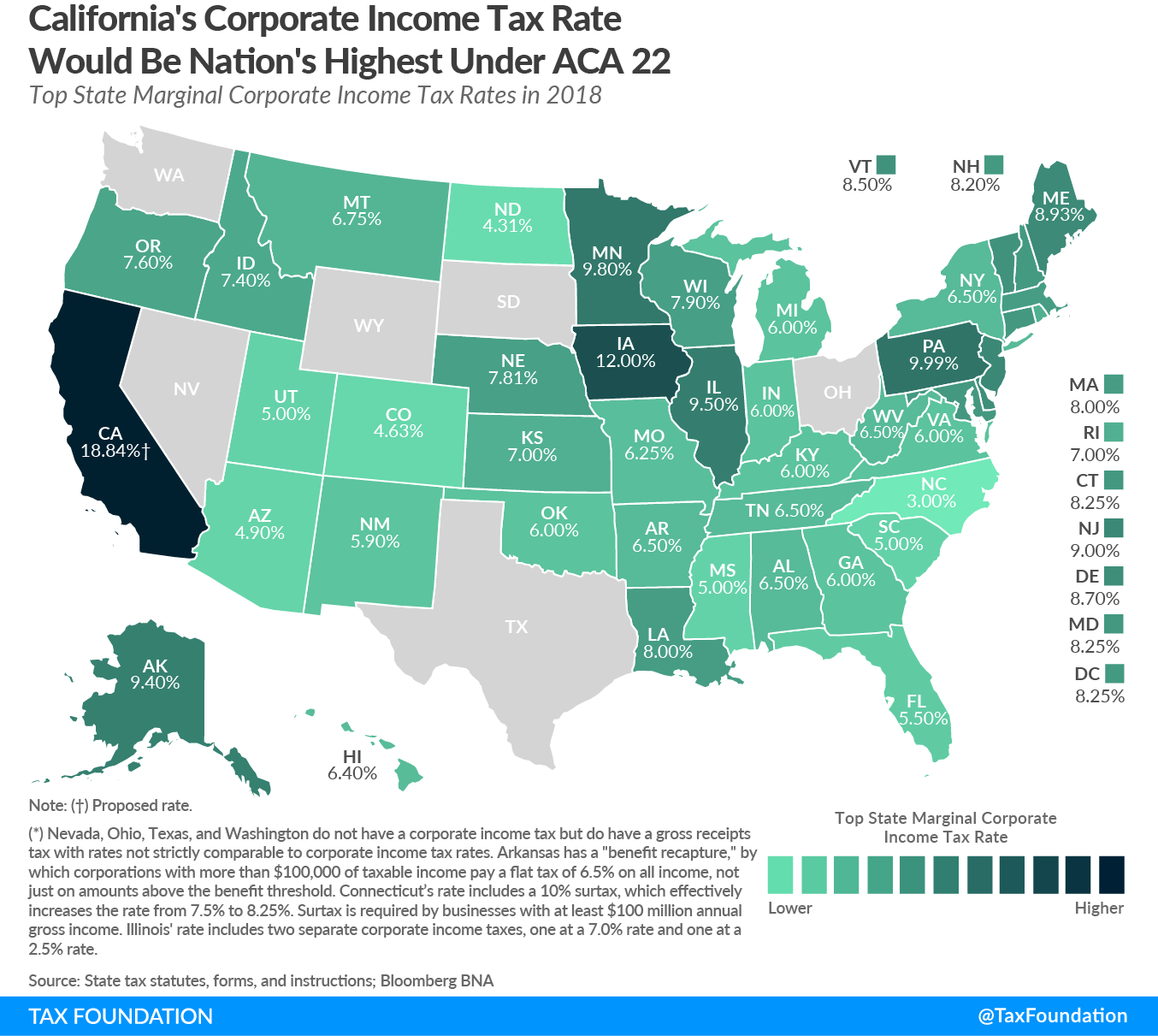
Beyond the direct taxes travelers pay at the point of sale, California’s broader tax structure and high cost of living indirectly influence the prices of goods and services. Businesses operating in the state face various corporate, property, and payroll taxes, alongside higher labor costs. These operational expenses are inevitably passed on to consumers, affecting the overall cost of tourism and lifestyle experiences.
Influence on Food and Beverage Experiences
While sales tax is directly applied to restaurant meals, the higher operational costs for food and beverage establishments in California mean that menu prices themselves tend to be higher than in many other states. This includes everything from a gourmet meal in a Michelin-starred Napa Valley restaurant to a casual cafe breakfast in Santa Monica or a vibrant food truck experience in Oakland.
Factors such as higher property taxes on commercial real estate, increased minimum wages, and other state-mandated business costs contribute to a higher baseline price for food and drinks. Consequently, enjoying California’s renowned culinary scene might require a more generous budget than anticipated, even before the sales tax is added. This is a crucial consideration for foodies planning extensive gastronomic explorations.
Impact on Attraction Costs and Guided Tours
Similarly, the cost of admission to iconic attractions and participation in guided tours reflects the higher cost of doing business in California. Theme parks like Universal Studios Hollywood, museums like the Getty Center, zoos such as the San Diego Zoo, and various tour operators face state and local taxes on their property, profits, and employees. These expenses are baked into the ticket prices and tour fees.
While the unforgettable experiences offered by landmarks like the Golden Gate Bridge or adventures at Legoland California are undoubtedly worth the investment, recognizing that their pricing structure is influenced by the broader tax and economic environment helps set realistic expectations for your travel budget. It also explains why a single day at a major theme park, for example, can represent a significant portion of a travel budget, particularly for families.
Navigating Taxes for Accommodation and Long-Term Stays
For many travelers, accommodation extends beyond a few nights in a hotel. Digital nomads, remote workers, or those considering extended sabbaticals might look into long-term rentals, posing new tax considerations.
Income Tax: For Longer Stays or Remote Work
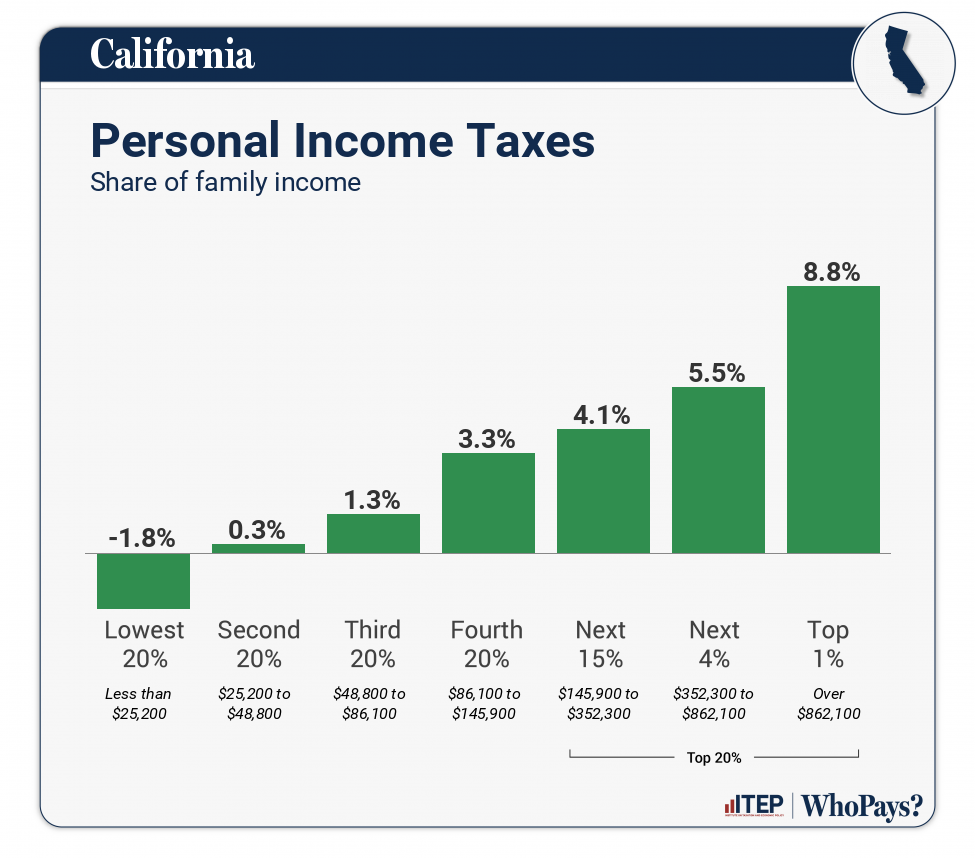
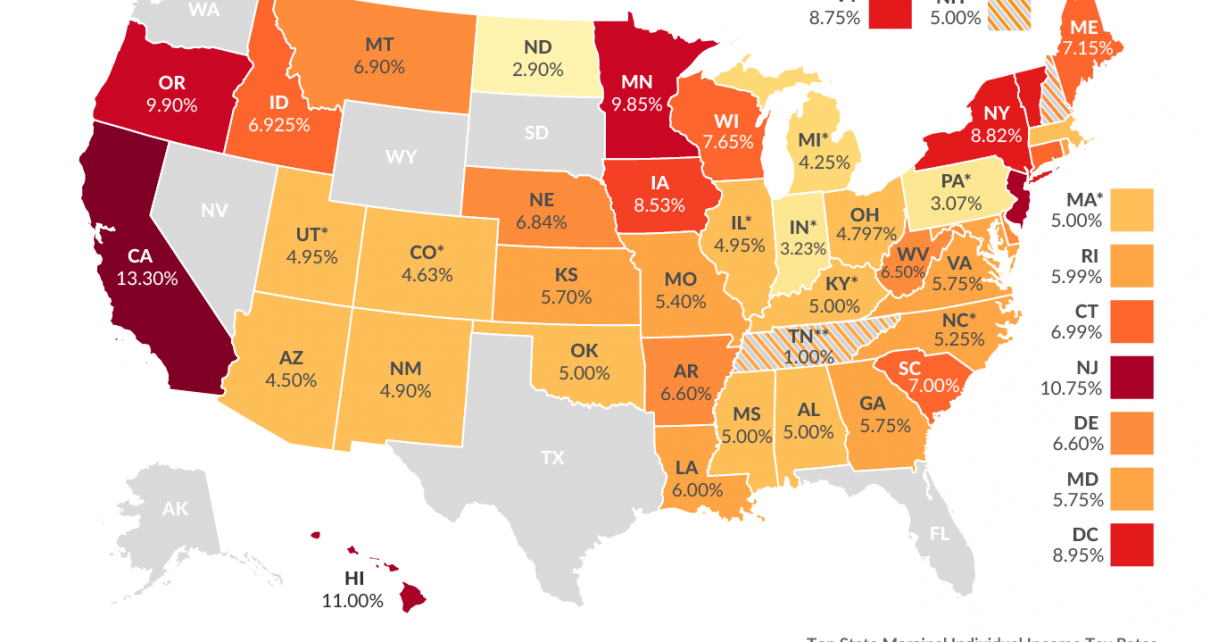
California operates a progressive state income tax system, meaning higher earners pay a larger percentage of their income in taxes. The state has some of the highest top marginal income tax rates in the United States. While this is generally irrelevant for short-term tourists, it becomes a significant factor for individuals who might establish residency in California for an extended period, typically over six months, or for digital nomads who earn income while physically present in the state.
If you are working remotely for an employer outside California but reside in the state for a substantial period, you may become subject to California income tax on your earnings, regardless of where your employer is based. This is a complex area, and the concept of “taxable nexus” or establishing residency for tax purposes can have substantial financial implications. Anyone considering a long-term stay for work purposes should consult with a tax professional to understand their obligations and potential tax liabilities.
Property Taxes: A Factor in Long-Term Accommodation
While tourists don’t directly pay property taxes, these taxes significantly influence the cost of long-term accommodation, especially rentals. California’s property tax system is governed by Proposition 13, which limits the annual increase in assessed value. However, the initial purchase price determines the base value, and with California’s notoriously high real estate values, property tax bills can be substantial.
Landlords factor these property taxes, along with other ownership costs, into the rental prices of apartments, houses, and vacation rentals. This indirectly contributes to the high cost of housing in popular tourist areas like Santa Monica, Laguna Beach, or San Jose. For travelers exploring the possibility of purchasing a vacation home or considering a longer-term relocation, understanding the local property tax rates is crucial for comprehensive financial planning.
Budgeting for Taxes in Your California Adventure
Successfully navigating California’s tax landscape doesn’t mean avoiding the state altogether; it means intelligent planning and budgeting. With a bit of foresight, you can minimize the impact of taxes on your travel expenses and make the most of your visit.
Tips for Minimizing Tax Impact
- Book Accommodation Wisely: Research and compare TOT rates across different cities and even within different neighborhoods of the same city. Sometimes staying just outside the main tourist hub can offer lower rates. Platforms like Airbnb and Vrbo will typically show the full breakdown including taxes before you confirm your booking, so pay close attention.
- Smart Food Choices: Take advantage of grocery stores for breakfast items, snacks, and picnic lunches. Since most unprepared food items are sales tax-exempt, this can lead to significant savings compared to dining out for every meal, especially in cities with high sales tax rates.
- Utilize Public Transportation: In major metropolitan areas like San Francisco, Los Angeles, and Oakland, robust public transit systems (buses, trains, subways) can reduce or even eliminate the need for a rental car, thereby avoiding rental car taxes, fuel taxes, and often costly parking fees.
- Shop Strategically: While less practical for spontaneous souvenir buying, if you plan to make larger purchases, be aware of the varying sales tax rates in different counties. For instance, a purchase made in a county with a 7.25% sales tax will be cheaper than the same item purchased in a county with a 10.25% rate.
- Long-Term Stay Planning: If you’re considering a significant move or extended stay for remote work, it’s highly advisable to consult with a tax professional. They can provide tailored advice on income tax residency rules and other financial implications, helping you avoid unforeseen liabilities.
Comparing Costs Across California Cities
The diverse tax rates across California mean that the financial impact of your trip can vary significantly depending on your chosen destinations.
- San Francisco & Bay Area: Known for some of the highest transient occupancy taxes (up to 16%) and generally high costs of living, making it one of the most expensive places to visit for accommodation and dining. Sales taxes can also be on the higher end in many Bay Area cities.
- Los Angeles & Southern California (excluding Orange County beaches): While still expensive, TOT rates are often slightly lower than San Francisco (around 10-12%). However, some areas within Los Angeles County have very high sales tax rates. Fuel costs remain universally high.
- San Diego: Offers a slightly more moderate tax burden compared to its northern counterparts, with TOT typically around 10.5%. It remains a popular choice for its blend of attractions and relatively accessible costs.
- Napa Valley & Wine Country: While the region itself is synonymous with luxury, the specific taxes on lodging and dining should be carefully considered. Sales tax on wine purchases is also a factor.
- Lake Tahoe: This unique destination straddles the border of California and Nevada. Tourists can potentially benefit from Nevada’s lack of state income tax and often lower sales tax and fuel prices when staying or purchasing goods on that side of the lake, offering an interesting comparison for cost-conscious travelers.
- Rural Areas (e.g., Mendocino County or small towns near national parks): These areas often have lower overall costs of living and sometimes slightly lower TOT rates than major cities, though sales tax might still be high depending on the specific district.
Ultimately, California’s allure is undeniable. The incredible experiences, from hiking in Yosemite National Park to exploring the Hollywood Walk of Fame or stargazing from the Griffith Observatory, are priceless. By understanding and accounting for the state’s tax structure, you can better prepare your finances, ensuring that your dream California getaway remains a joyful and stress-free reality. A well-planned budget, inclusive of these often-overlooked tax components, is your best companion for a seamless journey through the Golden State.
LifeOutOfTheBox is a participant in the Amazon Services LLC Associates Program, an affiliate advertising program designed to provide a means for sites to earn advertising fees by advertising and linking to Amazon.com. Amazon, the Amazon logo, AmazonSupply, and the AmazonSupply logo are trademarks of Amazon.com, Inc. or its affiliates. As an Amazon Associate we earn affiliate commissions from qualifying purchases.