
Embarking on a journey from the bustling shores of California to the tranquil paradise of Hawaii is a dream for many. Whether you’re planning a romantic getaway, a family adventure, a business trip, or a solo exploration, understanding the time difference between these two distinct regions is crucial for a seamless and enjoyable travel experience. Beyond just knowing what time to set your watch, the time zone shift impacts everything from flight planning and accommodation check-ins to managing jet lag and maximizing your precious vacation hours.
At its core, Hawaii operates on Hawaii Standard Time (HST) year-round, while California observes Pacific Standard Time (PST) for part of the year and Pacific Daylight Time (PDT) during Daylight Saving Time. This difference means that the time gap isn’t constant throughout the year, fluctuating between two and three hours. This article will delve into the specifics of these time zones, explore the practical implications for your travel plans, and offer valuable insights into adapting your lifestyle to make the most of your Hawaiian escape, from booking your ideal hotel to exploring iconic landmarks.
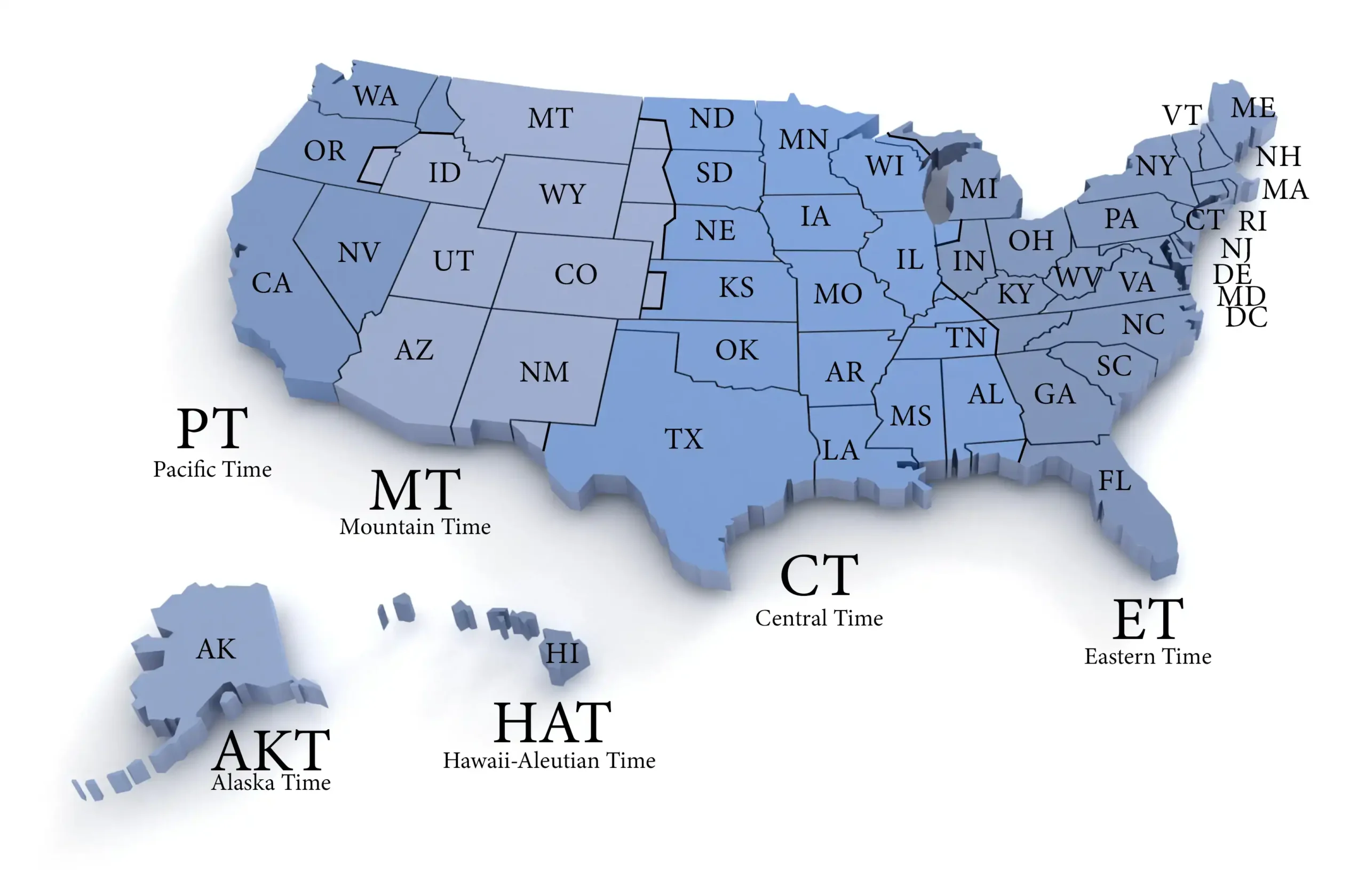
Understanding The Time Zones: PST vs. HST
The first step to a smooth transition between California and Hawaii is a clear understanding of the time zones at play. This knowledge isn’t just for trivia; it’s a fundamental aspect of savvy travel planning that can profoundly affect your initial days in paradise.
The Basics of Time Zones
California, like much of the contiguous United States, observes Daylight Saving Time. This means that for roughly eight months of the year, from mid-March to early November, California switches to Pacific Daylight Time (PDT), advancing clocks by one hour. During the remaining four months, it reverts to Pacific Standard Time (PST).
Hawaii, on the other hand, does not observe Daylight Saving Time. It remains consistently on Hawaii Standard Time (HST) throughout the entire year. This fixed time zone is a key factor in the fluctuating time difference. HST is typically 10 hours behind Coordinated Universal Time (UTC), while PST is UTC and PDT is UTC. These offsets provide the basis for calculating the precise difference.
The Core Time Difference
Given these dynamics, here’s the straightforward breakdown of the time difference:
- During Pacific Standard Time (PST): When California is on PST (roughly early November to mid-March), Hawaii is two hours behind California.
- Example: If it’s 10:00 AM in Los Angeles, it’s 8:00 AM in Honolulu.
- During Pacific Daylight Time (PDT): When California is on PDT (roughly mid-March to early November), Hawaii is three hours behind California.
- Example: If it’s 10:00 AM in San Francisco, it’s 7:00 AM in Honolulu.
This three-hour difference during PDT is often what catches first-time travelers off guard, as it represents a more significant shift when adjusting sleep schedules and daily routines. Being mindful of this seasonal change is key to accurate planning.
Navigating Travel and Planning Across Time Zones
The time difference between California and Hawaii isn’t merely an interesting fact; it’s a practical consideration that affects every aspect of your travel logistics and personal well-being. From booking flights to managing your body’s internal clock, careful preparation can make all the difference.
Impact on Flights and Arrival
When you book a flight from California to Hawaii, typically a 5-6 hour journey, the time difference can create a perception of a shorter or longer flight than it actually is. For instance, a flight departing Los Angeles at 9:00 AM PDT might arrive in Honolulu at 12:00 PM HST (noon). While the flight duration is 6 hours, the clock only advances 3 hours locally. This “time gained” can be a pleasant surprise but requires careful attention to local arrival times.
Always confirm your arrival time in local Hawaii time, especially when arranging airport transfers or scheduling your accommodation check-in. Most hotels and resorts have standard check-in times, typically in the afternoon. Arriving too early might mean a wait, though many establishments, particularly luxury resorts like the Four Seasons Resort Maui at Wailea or The Royal Hawaiian in Waikiki, are accommodating and may offer early check-in or baggage storage. Be sure to communicate your estimated arrival time with your chosen accommodation to manage expectations and avoid any undue stress.
Managing Jet Lag for a Seamless Experience
The change in time zones, particularly the westward shift which often feels like “gaining” hours, can still lead to jet lag, affecting your energy levels and sleep patterns. While not as severe as eastbound transatlantic flights, adjusting from California to Hawaii requires a mindful approach to ensure you’re refreshed and ready to experience the islands’ beauty. This is where the “Experiences” and “Lifestyle” aspects of travel really come into play.

Here are some tips to mitigate jet lag:
- Adjust Before You Go: A few days before your trip, try to shift your sleep schedule slightly closer to Hawaii time. Even an hour or two can make a difference.
- Stay Hydrated: Dehydration can exacerbate jet lag symptoms. Drink plenty of water before, during, and after your flight.
- Embrace Sunlight: Upon arrival, expose yourself to natural sunlight, especially in the morning. This helps reset your body’s internal clock. Head to a beach like Kaanapali or take an early morning walk along Waikiki Beach to soak in the rays.
- Strategic Napping: If you must nap, keep it short (20-30 minutes) and avoid napping too late in the afternoon, as this can interfere with nighttime sleep.
- Light Exercise: Gentle activities like swimming or walking can help improve circulation and energy levels. Many Hawaii resorts offer excellent fitness centers or direct beach access, such as the Hyatt Regency Waikiki Beach Resort and Spa on Oahu, making it easy to stay active.
- Minimize Alcohol and Caffeine: While tempting, these can disrupt sleep patterns and worsen dehydration.
By prioritizing rest and smart adjustments, you’ll be better equipped to immerse yourself in the local culture, indulge in delectable food, and fully enjoy all the activities Hawaii has to offer.
Maximizing Your Hawaiian Adventure: Lifestyle and Logistics
Beyond the initial adjustment, understanding the time difference continues to influence your daily lifestyle and logistical planning throughout your Hawaiian stay. This is especially true for those balancing leisure with remote work or trying to coordinate with loved ones back on the mainland.
Communication and Business Considerations
For travelers who need to stay connected, whether for family check-ins or managing remote work tasks, the time difference is a critical factor. If you’re calling family in California from Honolulu, remember they are either two or three hours ahead. An 8:00 PM call from Hawaii means it’s already 10:00 PM or 11:00 PM in California – potentially too late for some.
For business travelers or those on a “workcation,” scheduling virtual meetings or conference calls requires careful synchronization. A 9:00 AM meeting on PDT (e.g., in San Diego) would be a 6:00 AM call in Hawaii. While the early start might be manageable for some, it underscores the need for clear communication and setting realistic expectations with colleagues or clients. Many hotels and resorts cater to business stays with excellent Wi-Fi and dedicated workspaces, making it feasible to stay productive while enjoying the tropical surroundings.
Daily Planning and Activities
The time difference also presents unique opportunities and challenges for daily planning. Many popular Hawaii tourism activities, such as sunrise viewing at Haleakala on Maui or early morning snorkeling tours, might feel like an easier wake-up call for those still running on California time. If you’re typically an early riser in California, you might find yourself naturally waking up at 5:00 AM or 6:00 AM local Hawaiian time, perfectly timed to catch a breathtaking sunrise or beat the crowds to popular landmarks like Diamond Head on Oahu.
Conversely, evening activities, such as a traditional luau or a sunset cruise, might feel later than usual. Adjusting your meal times and evening routines can help align your body with local rhythms. Embrace the early mornings to explore the lush landscapes of Kauaʻi, visit historical sites like Pearl Harbor, or enjoy a peaceful stroll on the beaches of Kona on the Big Island before the midday heat. Then, use the afternoons for relaxation by the pool or a late lunch in Lahaina, making the most of the slower island pace.
Choosing Your Hawaiian Accommodation Wisely
Your choice of accommodation can significantly impact how smoothly you adapt to the time difference and how much you enjoy your overall Hawaiian lifestyle experience. Considerations go beyond just price and aesthetics; they involve location, amenities, and the property’s ability to support your needs as you adjust.
Proximity to Attractions and Amenities
When battling the subtle effects of jet lag, location becomes paramount. Choosing a hotel or resort that is conveniently located near the attractions you wish to visit can minimize travel time and maximize your rest. For example, staying at a resort in Waikiki, like the Hyatt Regency Waikiki Beach Resort and Spa, puts you within walking distance of the beach, dining, and shops, reducing the need for extensive commutes immediately after arrival.
Similarly, if your goal is to explore nature, perhaps choose an apartment or villa on the Big Island closer to Volcanoes National Park or a resort on Maui that offers easy access to the Road to Hana. Access to amenities like a refreshing pool, spa services, and diverse dining options can also aid in relaxation and help you adjust your internal clock more comfortably. A luxurious option like the Grand Wailea, A Waldorf Astoria Resort on Maui, for instance, offers extensive facilities designed for ultimate comfort and rejuvenation.

Booking and Reviews for a Smooth Transition
When making your accommodation arrangements, always verify the check-in and check-out times in local Hawaii time. Consider properties that offer flexible check-in options or baggage storage services, especially if your flight arrives significantly earlier than the standard check-in time. Reading reviews from other travelers, particularly those who have traveled from the West Coast, can provide valuable insights into a specific hotel’s ability to cater to guests adjusting to the time difference. Look for mentions of comfortable beds, quiet rooms, and helpful staff who understand travel needs.
Utilizing accommodation booking platforms that offer detailed comparisons of hotels, resorts, suites, apartments, and villas can help you find the perfect fit for your travel style and budget. Whether you’re seeking a budget-friendly stay or indulging in a luxury travel experience, ensuring your chosen retreat supports your transition to Hawaiian time is a thoughtful investment in your vacation’s success.
In conclusion, the time difference between California and Hawaii is either two or three hours, depending on whether California is observing PST or PDT. While seemingly minor, this shift holds significant implications for travelers looking to fully immerse themselves in the “Aloha Spirit” without missing a beat. By understanding the mechanics of time zones, preparing for potential jet lag, planning daily activities strategically, and selecting the right accommodation, you can ensure your journey to Hawaii is as relaxing and enchanting as the islands themselves. Armed with this knowledge, you’re not just changing time zones; you’re stepping into a new pace of life, ready to create unforgettable memories.
LifeOutOfTheBox is a participant in the Amazon Services LLC Associates Program, an affiliate advertising program designed to provide a means for sites to earn advertising fees by advertising and linking to Amazon.com. Amazon, the Amazon logo, AmazonSupply, and the AmazonSupply logo are trademarks of Amazon.com, Inc. or its affiliates. As an Amazon Associate we earn affiliate commissions from qualifying purchases.