
Embarking on a journey through the Golden State, whether for a lavish escape to Beverly Hills, a family adventure to Disneyland, or a serene retreat in Napa Valley, often involves more than just booking flights and hotels. For visitors and residents alike, understanding the nuances of local regulations can enhance your experience, helping you navigate expenses and avoid unexpected surprises. One such regulation that often flies under the radar for many, yet holds significant implications for consumers, businesses, and even savvy travelers, is the California Use Tax.
For those immersed in the world of travel, exploring new destinations, or managing accommodation bookings, the term “use tax” might not immediately resonate with the excitement of planning a trip. However, as you purchase souvenirs online, acquire goods for a long-term stay, or even bring items into the state from an out-of-state shopping spree, California’s use tax quietly comes into play. It’s a critical component of the state’s revenue system, ensuring fairness in taxation and supporting the vast array of public services that make California such an alluring destination, from the pristine beaches of Santa Monica to the majestic redwoods of Yosemite National Park. This guide aims to demystify the use tax, explaining what it is, when it applies, and crucially, how it might affect you, whether you’re a fleeting tourist, a digital nomad settling into a new apartment, or a business owner operating within the state. Understanding this tax is not just about compliance; it’s about smart financial planning for your adventures and lifestyle in one of the most vibrant states in the United States.
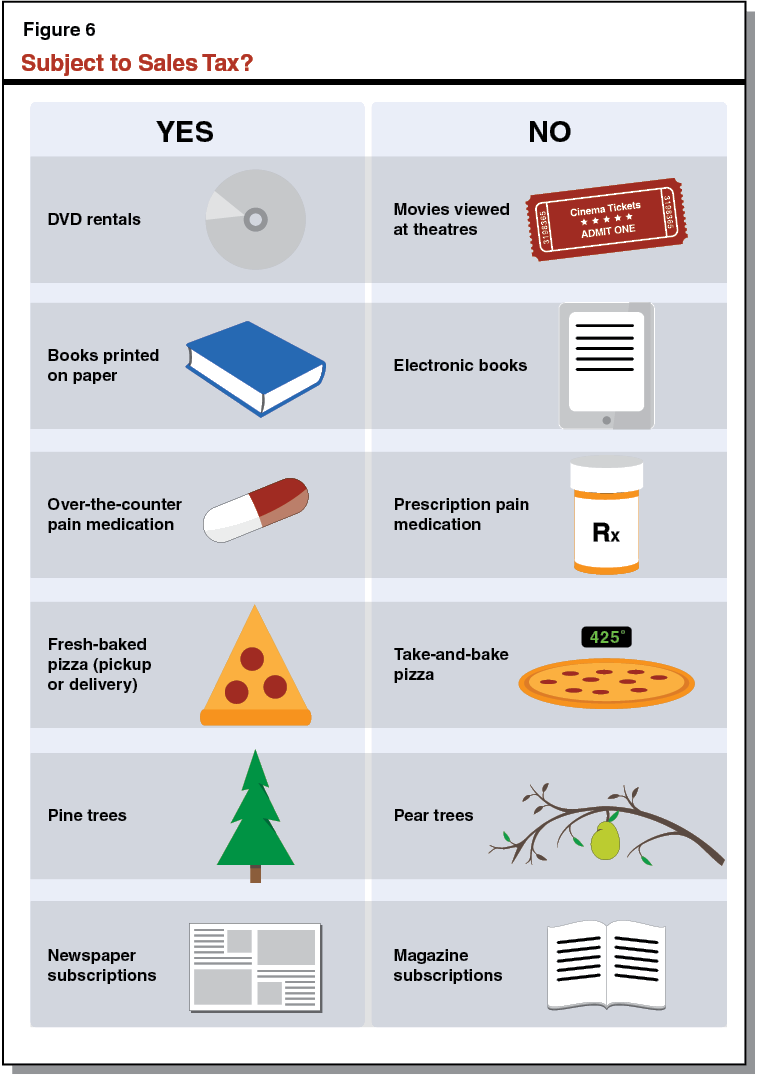
Understanding California’s Use Tax: The Basics
At its core, the use tax in California is a companion to the sales tax, designed to level the playing field and ensure that goods purchased for use or consumption within the state are taxed, regardless of where they were acquired. While the sales tax is typically collected by a retailer at the point of sale, the use tax is levied on the consumer when they purchase an item from an out-of-state seller who does not collect California sales tax, and then bring that item into California for storage, use, or consumption. This might sound complex, but its purpose is quite straightforward: to prevent tax avoidance by purchasing goods from retailers outside California who aren’t required to charge California sales tax, thereby ensuring that local businesses aren’t at a disadvantage and that the state maintains its revenue stream.
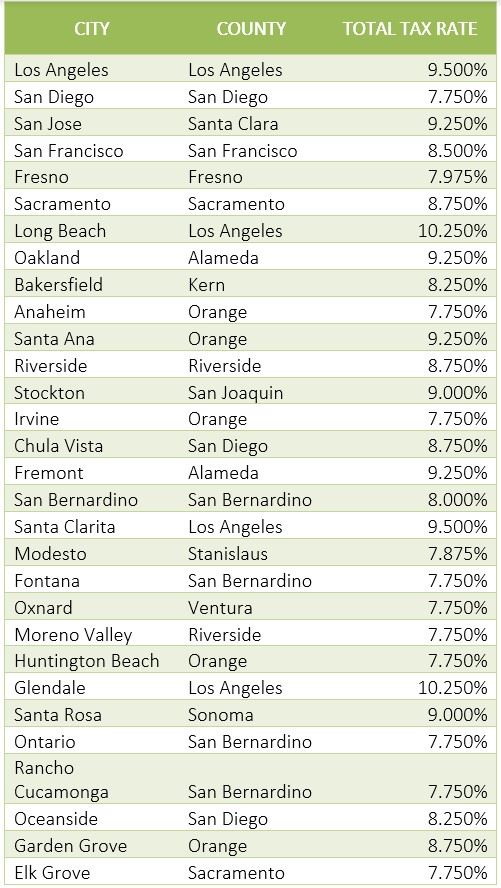
The use tax rate is the same as the sales tax rate in the locality where the item is used, stored, or consumed. This rate can vary slightly across California, typically ranging from 7.25% to over 10% in some districts, reflecting local add-on taxes. For example, if you purchase an item online from a retailer in another state that doesn’t have a physical presence, or “nexus,” in California, they might not collect California sales tax. If that item is then shipped to your temporary accommodation in Los Angeles or your home in San Francisco, you, the consumer, are technically responsible for self-reporting and paying the corresponding use tax to the state. This principle applies whether you’re buying a new gadget, a piece of art, or even supplies for a pop-up boutique you’re running during a tourism festival.
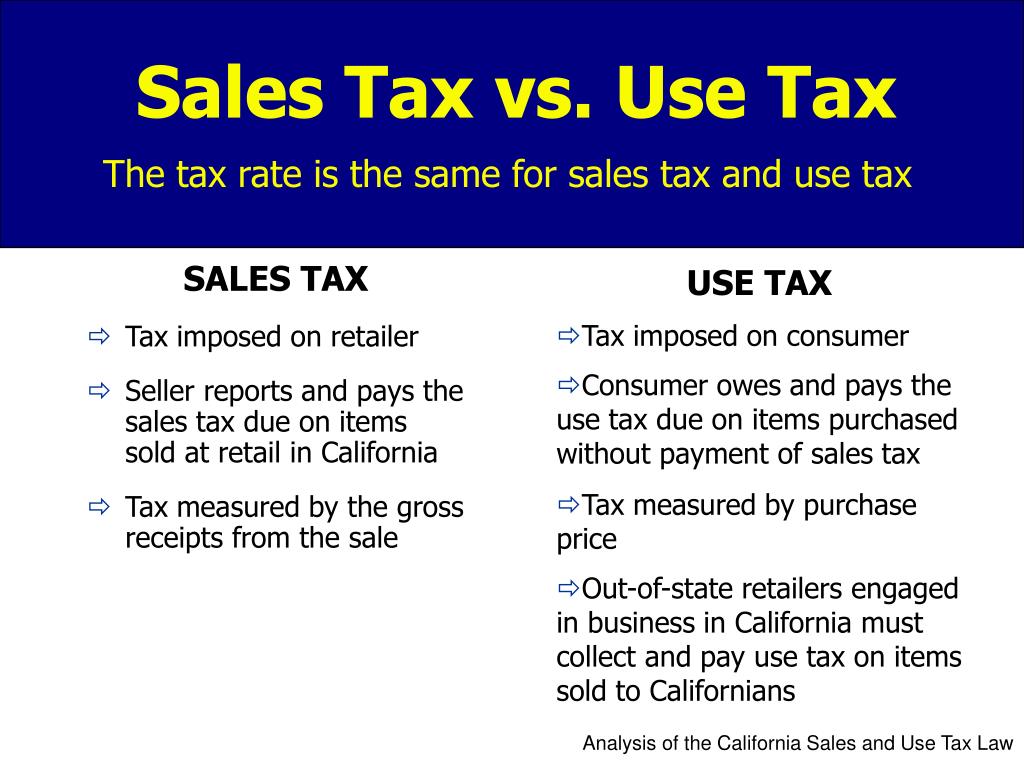
Sales Tax vs. Use Tax: A Key Distinction
The most common point of confusion revolves around distinguishing between sales tax and use tax. While they share the same rate and apply to the same types of tangible personal property, their application differs based on the point of collection:
-
Sales Tax: This is what most people are familiar with. It’s imposed on retailers for the privilege of selling tangible personal property at retail in California. The retailer collects the sales tax from the customer at the time of purchase and then remits it to the state. When you buy a souvenir from a shop on Hollywood Boulevard or a meal at a restaurant in San Diego, you’re paying sales tax.
-
Use Tax: This tax is imposed on the consumer directly. It applies when you purchase tangible personal property for use in California from an out-of-state seller who does not collect California sales tax, or if you purchase an item and bring it into California from another state or country. The critical aspect is that the sales tax was not paid at the time of purchase, but the item is intended for use within California.
Essentially, if you were required to pay California sales tax on a purchase but didn’t, the use tax is your obligation to ensure the state still receives its due. This prevents consumers from circumventing sales tax by purchasing goods from outside the state, especially prevalent with the rise of e-commerce.
When Does the Use Tax Apply?
The scenarios in which use tax applies are diverse and often intersect with common travel, accommodation, and lifestyle activities:
- Online Purchases from Out-of-State Retailers: This is perhaps the most common trigger. If you buy a new piece of travel gear, a book, or even furniture for a long-term rental in California from an online store that doesn’t charge California sales tax, you’re liable for use tax upon receipt of the goods in California.
- Purchases Made While Traveling Outside California: Imagine you’re on a trip to Oregon (which has no sales tax) and you buy a new camera or laptop. If you bring that item back to your home or temporary lodging in California for use, you owe use tax. The same applies to purchases made internationally.
- Items Brought into California by New Residents or Businesses: If you’re relocating to California from another state and bring personal property that you’ve purchased for use in California on which you didn’t pay sales tax at a rate at least equal to California’s, use tax may apply. This also extends to businesses moving operations or acquiring assets for use in the state.
- Vehicles, Vessels, and Aircraft: These are significant purchases that often trigger use tax, especially if acquired from a private party or an out-of-state dealer who did not collect California sales tax.
- Gifts: If you receive a gift that was purchased out-of-state without California sales tax, and the donor intended it for use in California, use tax might apply to the recipient.
Understanding these triggers is paramount for anyone spending time or conducting business in California. It’s not just a concern for large corporations; it’s relevant to individual consumers making everyday purchases, especially in today’s increasingly globalized and online marketplace.
Use Tax and the Modern Traveler: Navigating Purchases in a Digital World
For those whose lifestyle revolves around travel, exploring California’s diverse regions from Palm Springs to Lake Tahoe, or even for individuals enjoying extended stays, the use tax adds an important layer of consideration to your purchasing habits. In an era where online shopping delivers goods directly to your accommodation and international travel is commonplace, understanding your obligations can prevent unforeseen costs and ensure a smoother journey.
Online Shopping and Delivery to Your California Stay
Imagine you’re planning an extended vacation to a luxurious resort in Big Sur, or perhaps a long-term business stay in a serviced apartment in San Francisco. You realize you need a specific piece of equipment for your remote work, a new swimsuit for the Pacific Ocean coastline, or even specialty food items. You browse online retailers, some of which might be based out of state and may not automatically collect California sales tax. If these items are shipped directly to your hotel, vacation rental, or temporary residence in California, you, as the consumer, are responsible for the use tax.
This scenario is particularly relevant for:
- Digital Nomads and Remote Workers: Ordering office supplies, tech gadgets, or even home decor for a temporary California workspace.
- Family Travelers: Purchasing children’s toys, baby gear, or specific dietary products online that might be delivered to your family-friendly resort or Airbnb.
- Luxury Travelers: Acquiring high-end fashion, unique art pieces, or specialty accessories from international or out-of-state boutiques to be delivered to your suite at a Grand Hyatt Hotel or a private villa.
The key is the final destination and use of the product. If the item is consumed or used within California and sales tax wasn’t collected, the use tax applies. While individual small purchases might seem negligible, accumulating several such items can lead to a noticeable tax liability. Savvy travelers often factor this into their budget planning, particularly for significant purchases made remotely.
Bringing Purchases Across State Lines
The allure of tax-free shopping in neighboring states or bargain hunting during an international trip can be strong. However, travelers returning to California with these acquisitions need to be mindful of the use tax.
Consider these common situations:
- Road Trippers: You drive from California to Nevada (which has sales tax, but at a potentially lower rate or on different items) or Oregon (no sales tax). If you buy a significant item, like an expensive piece of outdoor gear for hiking in Yosemite National Park, and bring it back for use in California, you are responsible for the use tax difference (if any sales tax was paid at a lower rate) or the full use tax (if no sales tax was paid).
- International Travelers: Returning from Europe, Asia, or Mexico with souvenirs, electronics, or luxury goods purchased abroad. While federal customs duties might apply upon entry to the United States, California’s use tax is a separate state obligation for items brought into the state for use. This applies after any federal customs considerations are settled.
The intent to use the item in California is what triggers the tax. While it might feel like a minor detail for a single small item, customs declarations and awareness of state tax laws are crucial for larger or more frequent purchases.
Long-Term Stays and Relocation Considerations
For individuals planning extended stays, perhaps exploring California with a view to relocation, or establishing a seasonal residence, the use tax implications become even more pronounced under the Lifestyle umbrella.
- Furnishing a New Home: If you’re moving to California and purchase furniture, appliances, or home decor from out-of-state vendors who don’t collect California sales tax, these items are subject to use tax once they enter the state for your personal use. This can represent a significant sum for those furnishing an entire apartment or house in San Diego or Sacramento.
- Vehicles and Other Large Assets: Acquiring a new car, boat for Lake Tahoe, or even a personal aircraft from out-of-state or through a private party sale without sales tax, for subsequent registration and use in California, almost certainly triggers use tax. The California Department of Motor Vehicles (DMV) often acts as a collection point for use tax on vehicles during the registration process, making this a more visible and enforced area of the tax.
- Business Set-up for Digital Nomads: For entrepreneurs or remote workers setting up a base in California, the purchase of business equipment, software (if tangible), or supplies from out-of-state vendors will also fall under use tax obligations.
Understanding these aspects allows for better budgeting and avoids potential tax surprises, ensuring a smoother transition or extended stay in the Golden State.
Beyond the Basics: Reporting, Exemptions, and Compliance
While the concept of use tax might seem like a bureaucratic formality, its enforcement and compliance are real. California, like many states, relies on this revenue to fund essential public services, infrastructure, and tourism initiatives that ultimately enhance the visitor and resident experience. Therefore, knowing how to report it, what might be exempt, and the consequences of non-compliance is vital.
How to Report and Pay Use Tax
For most individual consumers, the simplest way to report and pay use tax on personal purchases is through their annual California income tax return. The California Franchise Tax Board (FTB) provides a line on Form 540 (or its equivalent) where residents and even non-residents with a tax filing requirement can declare and remit their accumulated use tax. This method simplifies compliance for occasional small purchases.
However, for businesses, or for individuals making substantial or frequent purchases subject to use tax, it is typically reported directly to the California Department of Tax and Fee Administration (CDTFA). Businesses often file regular sales and use tax returns, incorporating their use tax obligations into these filings. For specific high-value items like vehicles, as mentioned, the tax is often collected by the California Department of Motor Vehicles (DMV) upon registration.
It’s important to keep accurate records of out-of-state or online purchases where California sales tax was not collected, noting the item, purchase price, and date. This documentation will be invaluable if you need to report use tax or if your compliance is ever questioned.
Common Use Tax Exemptions
Not every purchase made out-of-state and brought into California is subject to use tax. Several exemptions exist, mirroring many of the sales tax exemptions:
- Resale Exemption: If an item is purchased for the purpose of reselling it, rather than for personal use or consumption, it is generally exempt from use tax. This is particularly relevant for businesses, including hotels purchasing inventory for their gift shops or tour operators buying merchandise.
- Manufacturing Exemption: Certain machinery and equipment used in manufacturing processes may be exempt.
- Food Products: Most food products for home consumption are exempt, aligning with sales tax exemptions. This means groceries bought out-of-state and brought back for personal consumption in your California apartment would generally be exempt.
- Prescription Medicine: Prescription medicines and medical devices are typically exempt.
- Interstate Commerce: Goods that are merely passing through California as part of interstate or foreign commerce, and are not intended for use or consumption within the state, are exempt.
- Out-of-State Sales Tax Paid: If you paid sales tax in another state that is equal to or greater than California’s use tax rate, you typically do not owe California use tax. If the out-of-state sales tax was lower, you would owe the difference.
- Casual Sales: Non-business sales between individuals (e.g., selling a used couch to a friend) can sometimes be exempt, though rules vary, particularly for vehicles.
These exemptions are crucial to understand as they can significantly impact your tax liability, particularly for businesses in the hospitality sector or individuals making specific types of purchases.
Consequences of Non-Compliance
Ignoring use tax obligations can lead to various penalties and interest charges. The California Department of Tax and Fee Administration (CDTFA) and California Franchise Tax Board (FTB) have mechanisms to identify non-compliance. For instance, information sharing agreements with other states, customs data, and auditing programs can flag individuals or businesses that might owe use tax.
- Penalties: Late payment penalties can be substantial, often 10% or more of the unpaid tax.
- Interest: Interest accrues on unpaid tax from the original due date until paid.
- Audits: The CDTFA conducts audits, and if use tax liability is discovered during an audit, it can lead to significant assessments, including back taxes, penalties, and interest.
- Lien and Levy: For severe non-compliance, the state can place liens on property or levy bank accounts to collect unpaid taxes.
While voluntary compliance for individual small purchases is generally encouraged via the income tax return, larger purchases or consistent non-compliance, especially by businesses, can attract closer scrutiny. Therefore, understanding and fulfilling your use tax responsibilities is not just about legality but also about preventing financial headaches down the line, ensuring your travel and lifestyle in California remain as enjoyable and hassle-free as possible.
The Broader Impact: Why Every Visitor and Resident Should Care
The use tax, while often perceived as a minor detail, is an integral part of California’s fiscal landscape. For a state that thrives on tourism, diverse industries, and a dynamic population, understanding this tax extends beyond mere compliance; it’s about appreciating how your individual actions contribute to the collective good and ensuring you make informed decisions during your time in the Golden State.
Supporting California’s Public Services
The revenue generated from sales and use taxes is a critical funding source for a wide array of public services and infrastructure projects across California. This includes everything from maintaining the scenic highways that lead to Big Sur or Lake Tahoe, to supporting public education in Los Angeles and San Francisco, funding public safety initiatives in San Diego, and investing in environmental protection for our national parks and coastlines. These are the very elements that enhance the quality of life for residents and create unforgettable experiences for tourists. By understanding and complying with use tax, you are directly contributing to the sustainability and vibrancy of the state, ensuring that the attractions, landmarks, and lifestyle offerings that draw millions remain well-supported and accessible.
Smart Planning for Your Golden State Adventures
For travelers, knowing about the use tax empowers you to make more informed purchasing decisions. Whether you’re a luxury traveler sourcing unique items from around the globe, a budget traveler seeking deals online, or a family planning a long-term stay, factoring in potential use tax can prevent unexpected costs. It encourages careful consideration of where you purchase goods, especially high-value items, and how they are brought into or used within California. This knowledge becomes a valuable tool in managing your travel budget and ensuring financial transparency, allowing you to focus more on experiencing the rich culture, diverse attractions, and unparalleled natural beauty that California has to offer, from the bustling theme parks of Universal Studios Hollywood to the tranquil vineyards of Napa Valley.
In conclusion, while the topic of use tax might initially seem dry, its implications are far-reaching and directly relevant to anyone engaging in commerce or consumption within California. From planning your next grand tour to simply ordering a book online, being aware of this tax fosters responsible consumerism and contributes to the ongoing allure of the Golden State.
LifeOutOfTheBox is a participant in the Amazon Services LLC Associates Program, an affiliate advertising program designed to provide a means for sites to earn advertising fees by advertising and linking to Amazon.com. Amazon, the Amazon logo, AmazonSupply, and the AmazonSupply logo are trademarks of Amazon.com, Inc. or its affiliates. As an Amazon Associate we earn affiliate commissions from qualifying purchases.