
Embarking on a journey through the Golden State, travelers often seek to immerse themselves in its vibrant culture, from sun-drenched beaches and iconic landmarks to world-class dining and buzzing nightlife. Whether you’re planning a luxurious escape to a Beverly Hills resort, a laid-back camping trip in Yosemite National Park, or an urban adventure in Los Angeles or San Francisco, understanding the local laws, especially concerning alcohol sales, is a practical necessity that enhances any travel experience. For those wondering, “What time can I buy alcohol in California?”, the answer is generally consistent across the state, offering a broad window for both on-premise and off-premise purchases.

This comprehensive guide delves into California’s alcohol regulations, providing essential insights for tourists and locals alike. We’ll explore the standard hours, where you can make your purchases, and crucial tips for responsible enjoyment, ensuring your visit to this diverse state is as smooth and enjoyable as possible. From sipping exquisite wines in Napa Valley to enjoying a craft beer in a bustling San Diego brewery, knowing the rules empowers you to make the most of California’s rich beverage landscape.
The Core Regulations: California’s Alcohol Sales Hours
At the heart of California’s alcohol sales policy lies a straightforward and consistent statewide regulation. Unlike some other states in the United States where county or city-specific laws can create a confusing patchwork of varying hours, California maintains a remarkably uniform approach. This simplifies planning for visitors, whether they’re traversing the scenic Pacific Coast Highway or hopping between major metropolitan areas.
The overarching rule dictates that alcohol can be legally sold in California from 6:00 AM to 2:00 AM, seven days a week. This generous 20-hour window applies across the entire state, from the northern reaches near the Oregon border down to the bustling cities of Southern California and everything in between. This consistency is a boon for travelers, eliminating the need to research specific local ordinances regarding general sales hours as they move between destinations like Palm Springs, Santa Barbara, or Sacramento.
Understanding On-Premise vs. Off-Premise Sales
It’s important to distinguish between where you purchase and where you consume alcohol, as the 6 AM to 2 AM rule applies to both categories.
-
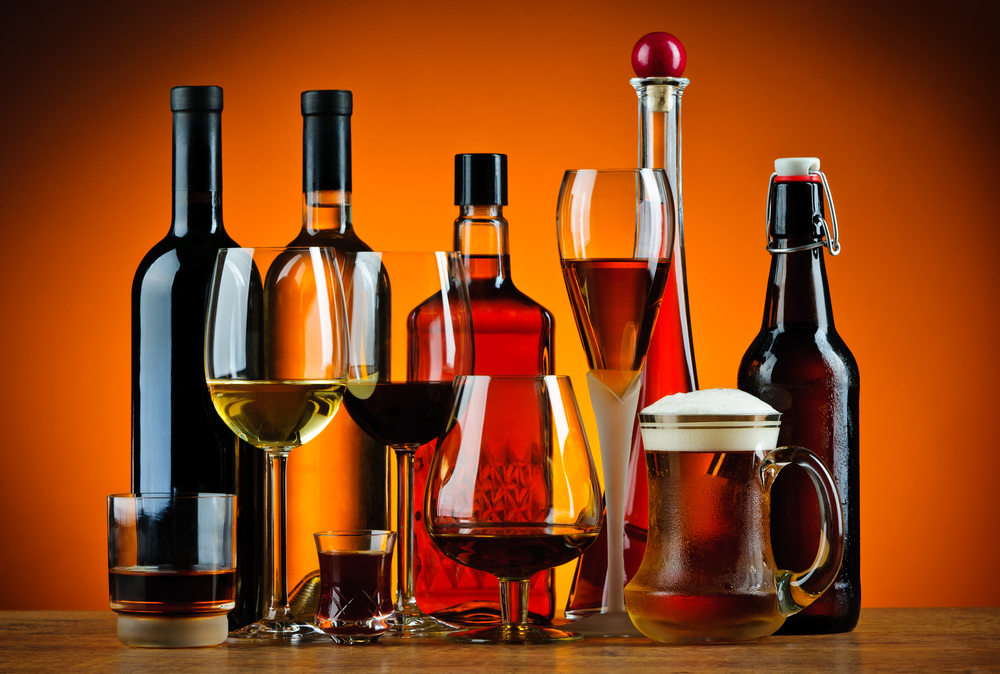
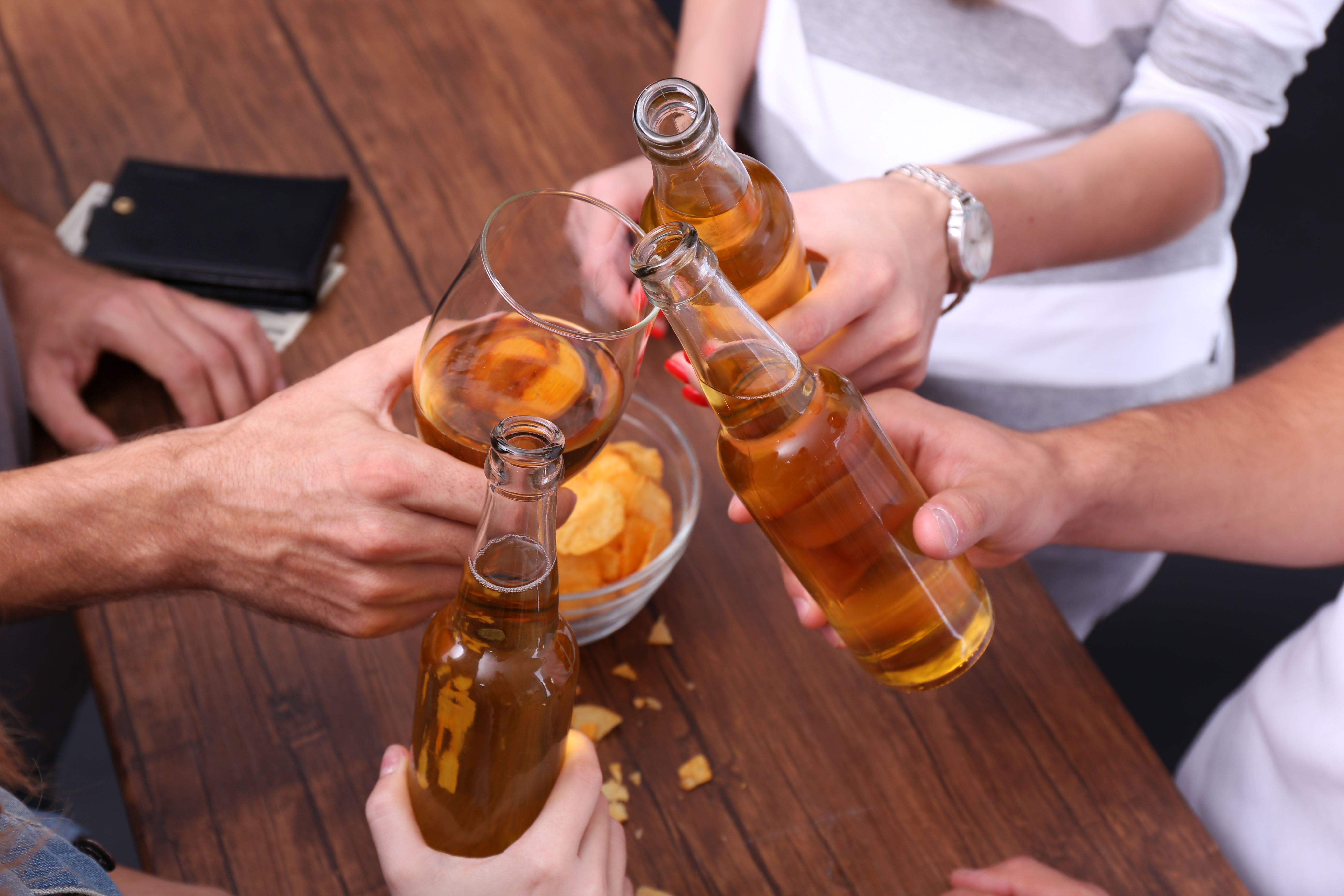
On-Premise Consumption: This refers to establishments where alcohol is served and consumed on the premises. This includes a vast array of venues such as bars, restaurants, nightclubs, hotel lounges, and even some event spaces. Within the 6 AM to 2 AM timeframe, you can order and enjoy alcoholic beverages directly from these licensed establishments. For travelers, this means a late-night cocktail at a chic Los Angeles rooftop bar, a glass of wine with dinner in Napa Valley, or a refreshing beer at a beachside grill in San Diego are all typically within the legal hours of operation. Many hotels, especially those catering to a lifestyle of luxury travel, offer extensive room service menus and sophisticated in-house bars that adhere to these hours, providing convenient options for guests.
-
Off-Premise Consumption: This category covers places where you purchase alcohol to consume elsewhere, typically at home, in your hotel room, or at a private gathering (where open container laws are respected). This includes liquor stores, supermarkets, convenience stores, and even some gas stations that hold the appropriate licenses. Just like on-premise sales, these establishments can sell bottled beer, wine, and spirits from 6 AM until 2 AM. This flexibility is particularly beneficial for budget travelers who might prefer to purchase beverages for consumption in their accommodation, or for those planning a picnic in a designated area or a relaxing evening on their private balcony overlooking the Golden Gate Bridge. Many California supermarkets offer impressive selections of local wines and craft beers, allowing visitors to sample the state’s bounty even when not dining out.
Exceptions and Local Ordinances
While California’s general alcohol sales hours are consistent, it’s worth noting that specific local regulations can sometimes influence how alcohol is sold or consumed, even if not directly shortening the statewide sales window. For instance, a local jurisdiction cannot legally declare that alcohol sales must stop at midnight if the state allows sales until 2 AM. However, local governments might impose restrictions on new liquor licenses in certain areas, dictate zoning laws that affect the location of alcohol retailers, or place limits on noise levels or operating hours for bars and clubs that indirectly impact when you can enjoy a drink.
For most tourists, these nuanced local ordinances are unlikely to affect the core 6 AM to 2 AM purchasing window. The main takeaway for travelers is that the window for buying alcohol remains consistent throughout your California adventure. However, always be mindful of signage or specific establishment hours, as individual businesses might choose to operate for shorter periods than the legal maximum.
Navigating Alcohol Purchases as a Traveler in California
For travelers, understanding alcohol purchasing rules isn’t just about legality; it’s about enhancing the overall tourism experience. California’s diverse regions offer myriad opportunities to enjoy beverages, from world-renowned wine regions to booming craft beer scenes and innovative cocktail lounges.
Where to Buy: From Supermarkets to Speakeasies
The ease of purchasing alcohol in California means you’re rarely far from an opportunity, whether you’re stocking your hotel fridge or seeking a memorable night out.
-
Supermarkets and Convenience Stores: These are your go-to for off-premise purchases. Major chains like Safeway, Vons, Whole Foods Market, and Trader Joe’s, along with countless independent grocery stores, offer extensive selections of beer, wine, and spirits, often at competitive prices. Convenience stores and gas stations with liquor licenses provide quick grabs. This is ideal for those staying in apartments or villas with kitchens, or even for simply enjoying a drink in their hotel room. The convenience allows for budget travel without sacrificing the ability to enjoy local beverages.
-
Dedicated Liquor Stores: For a broader selection, especially of spirits, specialty wines, or unique craft beers, dedicated liquor stores are the best bet. These often have knowledgeable staff who can offer recommendations, particularly useful if you’re exploring California’s craft beverage scene.
-
Bars, Restaurants, and Nightclubs: These establishments provide the quintessential on-premise experience. From high-end dining in San Francisco with sommelier-curated wine lists to casual beachfront bars in San Diego serving local brews, and vibrant nightclubs in Hollywood that pulse until 2 AM, California’s nightlife and culinary scene is rich and varied. Many offer unique experiences, such as speakeasies tucked away in urban centers, offering crafted cocktails and an intimate atmosphere.
Enjoying California’s Culinary and Beverage Scene
California is a global leader in culinary and beverage innovation, making it a prime destination for foodies and drink enthusiasts.
-
Wine Country Experiences: No visit to California for alcohol enthusiasts is complete without exploring its famous wine regions. Napa Valley and Sonoma Valley are world-renowned, offering picturesque vineyards, exquisite tasting rooms, and guided tours. The Central Coast, particularly around Santa Barbara and Paso Robles, also boasts an impressive array of wineries. These experiences often involve guided tastings, pairing menus, and opportunities to purchase bottles directly from the producers, adhering to the standard sales hours. For many, this represents the epitome of luxury travel and local culture immersion.
-
Craft Beer Revolution: California is a hotbed for craft beer, with breweries flourishing from San Diego (often called the “Craft Beer Capital”) to Oakland and beyond. Visitors can explore taprooms, often open until late evening, sampling innovative IPAs, stouts, and lagers. Many breweries also offer food trucks or full menus, creating a lively atmosphere perfect for family trips (with designated drivers) or social gatherings.
-
Cocktail Culture: Urban centers like Los Angeles, San Francisco, and San Diego are hubs for creative mixology. From sophisticated hotel bars offering signature cocktails to trendy neighborhood spots, the cocktail scene is vibrant and diverse, catering to every taste. Exploring these establishments can be a key part of experiencing the local lifestyle and nightlife.
Hotel Amenities and Convenience
For many travelers, accommodation plays a significant role in their experience of alcohol availability. Hotels, resorts, and even some serviced apartments in California often provide convenient options.
-
Hotel Bars and Restaurants: Almost all hotels with dining facilities will serve alcoholic beverages during their operating hours, which typically align with California’s 6 AM to 2 AM window. For guests, this offers a seamless way to enjoy a drink without leaving the property. Luxury hotels and resorts, in particular, pride themselves on their upscale bars and lounges, providing an elegant setting for evening relaxation.
-
Room Service and Minibars: Many hotels offer room service until late, allowing guests to order drinks directly to their rooms. Minibars, while often pricey, provide immediate access to a selection of beverages. For those on a business stay or a romantic getaway, these amenities offer unparalleled convenience.
-
On-Site Stores: Some larger resorts or hotels might even have small convenience stores or gift shops that sell packaged alcohol, adhering to off-premise sales regulations, which can be a convenient option for guests.
Responsible Enjoyment and Practical Tips
While California offers extensive opportunities to enjoy alcoholic beverages, responsible consumption is paramount. Adhering to legal requirements and safety guidelines ensures a positive experience for everyone.
Age Verification and Valid Identification
The legal drinking age in the United States, and thus in California, is 21 years old. This rule is strictly enforced across all types of establishments, whether you’re purchasing from a supermarket or ordering a drink at a bar.
-
Always Carry ID: If you look younger than 30 or even 40, expect to be asked for identification. Even if you don’t, it’s always wise to carry a valid, government-issued photo ID (such as a driver’s license, state ID card, or passport) when planning to purchase or consume alcohol. Establishments can refuse service if they cannot verify your age, regardless of your actual age. Digital IDs might be accepted in some places, but a physical ID is always the safest bet.
-
No Exceptions: There are no exceptions for parental consent or religious ceremonies for those under 21 regarding public purchase or consumption. Attempting to use a fake ID or purchasing alcohol for a minor carries severe penalties, including fines and potential jail time.
The Importance of Designated Drivers and Ride-Sharing
California has very strict laws against driving under the influence (DUI). It is illegal to drive with a blood alcohol content (BAC) of 0.08% or higher, and even lower for commercial drivers or those under 21. Penalties for DUI are severe and can include substantial fines, license suspension, mandatory DUI education programs, and even jail time.
- Plan Ahead: Before you head out for a night of enjoyment, always plan how you’ll get home safely.
- Designated Driver: If you’re traveling with a group, designate a sober driver who will not consume any alcohol. Many establishments offer free non-alcoholic beverages to designated drivers.
- Ride-Sharing Services: California cities have a robust network of ride-sharing services like Uber and Lyft, which are easily accessible via smartphone apps. Taxis are also readily available, especially in urban areas.
- Public Transportation: Major cities like Los Angeles and San Francisco offer public transportation options, though their operating hours might not extend as late as the 2 AM alcohol sales cutoff.
- Open Container Laws: Remember, it’s illegal to have an open container of alcohol in a vehicle, even if you’re a passenger. All alcohol must be in a sealed container and stored in the trunk or a place not readily accessible to anyone in the vehicle. It’s also generally illegal to consume alcohol in public places unless explicitly permitted (e.g., in a licensed beer garden or specific festival zones).
Special Occasions and Holiday Considerations
While the 6 AM to 2 AM rule is consistent, it’s common for businesses to adjust their operating hours on major holidays. For instance, many liquor stores might close earlier on Christmas Day or New Year’s Eve, or conversely, bars and restaurants might have special extended hours for New Year’s Eve celebrations (though still within the 2 AM limit for sales). It’s always a good idea to check specific establishment hours if you plan to purchase or consume alcohol on a holiday. However, the legal framework for sales remains unchanged.
Exploring California’s Diverse Regions and Their Unique Beverage Cultures
California’s vast geographical and cultural landscape means that while alcohol laws are consistent, the experience of enjoying a drink can vary dramatically from region to region. This offers incredible diversity for tourists seeking different types of experiences.
Southern California: Beaches, Bars, and Beyond
Southern California is synonymous with sunshine, beaches, and a vibrant, energetic lifestyle.
- Los Angeles and Orange County: From the glamorous nightlife of Hollywood and Beverly Hills to the laid-back beach bars of Santa Monica and Laguna Beach, Southern California offers an endless array of options. Theme parks like Disneyland Park and Universal Studios Hollywood offer alcohol in designated areas within their operating hours, typically stopping service before park close. Upscale hotels and resorts, particularly in areas like Newport Beach or Palm Springs, boast sophisticated bars and pool service where you can enjoy drinks until the late hours.
- San Diego: Famous for its craft beer scene, San Diego is a paradise for beer lovers. Gaslamp Quarter offers a lively district packed with bars and nightclubs, while numerous breweries are scattered throughout the city, offering tastings and tours. The city’s relaxed atmosphere pairs perfectly with a cold brew, making it an excellent destination for tourism focused on local flavors.
Northern California: Wine, Craft Beer, and Urban Nightlife
Northern California offers a blend of iconic natural beauty and cutting-edge urban experiences.
- San Francisco and Oakland: These cities provide a dynamic urban nightlife, from historic pubs to trendy cocktail lounges and upscale restaurants. The mission district in San Francisco is particularly known for its vibrant bar scene. The proximity to Silicon Valley means a blend of sophisticated dining and casual hangouts.
- Wine Country (Napa Valley & Sonoma Valley): The crown jewel of California’s beverage scene, these regions are dedicated to wine production. While tasting rooms typically close in the late afternoon or early evening, restaurants and hotels in towns like Napa or Healdsburg will serve wine and other alcoholic beverages until 2 AM. This area epitomizes luxury travel and culinary tourism.
Desert Oases and Mountain Retreats
Even in more remote or specialized destinations, California’s alcohol laws provide consistent access.
- Palm Springs and the Coachella Valley: This desert oasis is known for its mid-century modern architecture, golf resorts, and vibrant pool parties. Bars and restaurants cater to both day-trippers and those enjoying a longer stay, offering drinks well into the evening.
- Lake Tahoe and Mountain Resorts: Whether you’re hitting the slopes or enjoying summer hiking, mountain resorts often feature cozy lodges and lively apres-ski bars. These establishments operate under the same 6 AM to 2 AM rules, allowing for late-night enjoyment after a day of outdoor adventure. Even in areas bordering national parks like Yosemite National Park or Death Valley National Park, visitor centers or nearby towns with restaurants and convenience stores will adhere to the standard alcohol sales times.
In conclusion, knowing “What time can I buy alcohol in California?” is a key piece of information for any traveler. With a consistent statewide window from 6 AM to 2 AM, whether you’re seeking a fine dining experience, a casual drink, or simply stocking up your mini-fridge, the Golden State offers ample opportunity for responsible enjoyment. By keeping identification handy, planning for safe transportation, and respecting local nuances, your California adventure can be perfectly complemented by its vibrant and accessible beverage culture.
LifeOutOfTheBox is a participant in the Amazon Services LLC Associates Program, an affiliate advertising program designed to provide a means for sites to earn advertising fees by advertising and linking to Amazon.com. Amazon, the Amazon logo, AmazonSupply, and the AmazonSupply logo are trademarks of Amazon.com, Inc. or its affiliates. As an Amazon Associate we earn affiliate commissions from qualifying purchases.