
California, the Golden State, beckons with its diverse landscapes, vibrant cities, and unparalleled experiences. From the sun-drenched beaches of Southern California to the majestic redwoods of the north, and from the bustling urban sprawl of Los Angeles to the iconic hills of San Francisco, this state offers an endless array of adventures for every traveler. Before you embark on your journey, however, there’s one fundamental piece of information that can significantly impact your travel plans, your comfort, and your overall enjoyment: understanding what time it is in California. While seemingly simple, mastering the nuances of California’s time zone is crucial for everything from booking your flights and hotel stays to planning your daily excursions and even navigating business meetings.
The concept of time, especially across vast geographical distances, is far more than just a number on a clock face; it’s a critical element in crafting a seamless travel itinerary. For those arriving from different parts of the world or even just across the United States, time zone differences can lead to the dreaded jet lag, disrupt sleep patterns, and throw off carefully planned schedules. Knowing the local time allows you to synchronize with the rhythm of the state, ensuring you don’t miss that early morning sunrise hike in Yosemite National Park, the perfect sunset view over the Golden Gate Bridge, or a timely reservation at a Michelin-starred restaurant in Napa Valley. This comprehensive guide delves into the specifics of California’s time, offering insights and tips to help you navigate your visit like a seasoned local, ensuring every moment of your California adventure is optimized for enjoyment and efficiency.
Navigating California’s Time Zones: Your Essential Guide
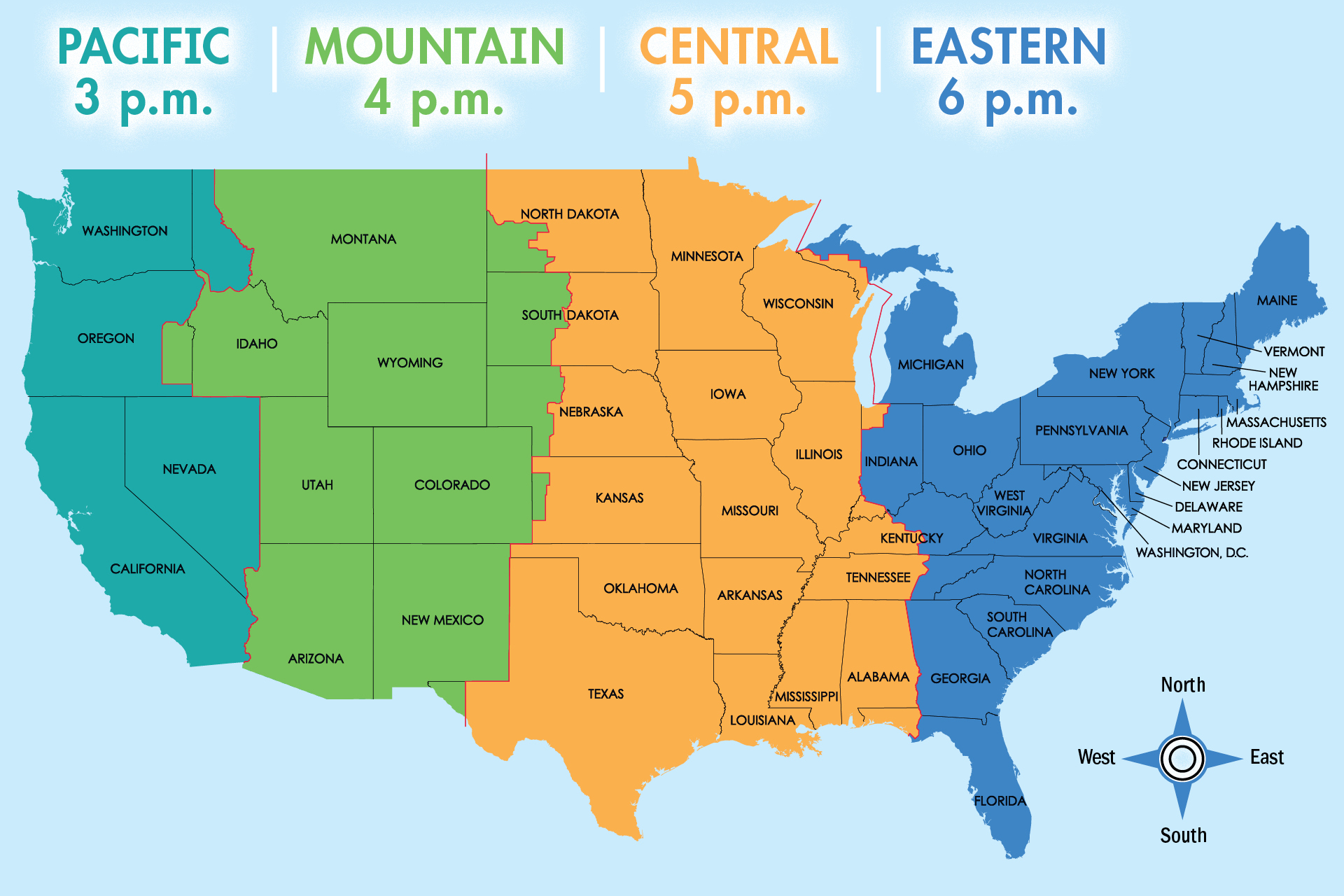
At its core, understanding time in California boils down to one primary time zone: the Pacific Time Zone. However, there’s a crucial distinction within this zone that every traveler must be aware of, especially depending on the season of their visit.
The Pacific Time Zone (PST/PDT)
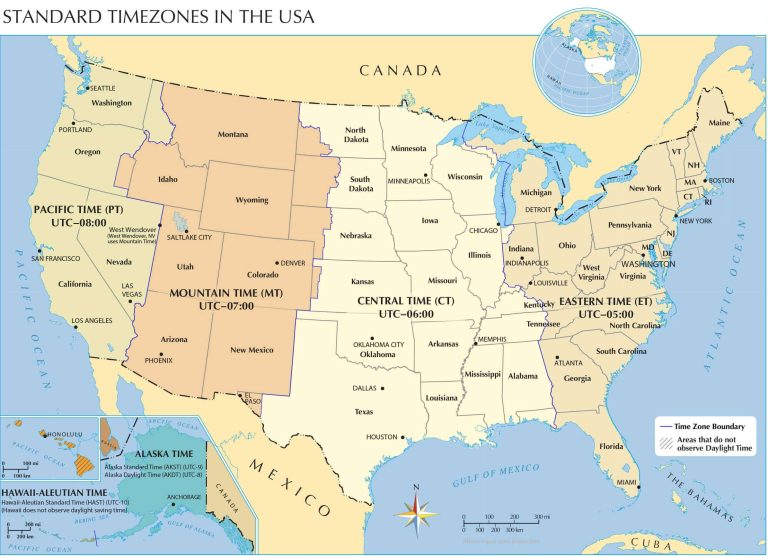
All of California observes the Pacific Time Zone, which is designated as UTC-08:00 during standard time and UTC-07:00 during daylight saving time.
- Pacific Standard Time (PST): This is the time observed during the fall and winter months. It is 8 hours behind Coordinated Universal Time (UTC). So, if it’s 3:00 PM UTC, it would be 7:00 AM PST.
- Pacific Daylight Time (PDT): This is the time observed during the spring and summer months. California “springs forward” one hour, making it 7 hours behind UTC. If it’s 3:00 PM UTC, it would be 8:00 AM PDT.
This shift, while seemingly minor, has significant implications for travelers, particularly those planning international trips or connecting flights within different U.S. time zones. For example, if you’re flying from New York City (Eastern Time, ET) to Los Angeles (Pacific Time, PT), you’ll gain three hours. A 9:00 AM ET departure might see you landing at 12:00 PM PT, giving you more afternoon to explore. Conversely, flying east means losing those hours, an important factor for scheduling.
Daylight Saving Time Explained
California, like most of the United States, observes Daylight Saving Time. This annual tradition typically begins on the second Sunday in March, when clocks “spring forward” one hour, and ends on the first Sunday in November, when clocks “fall back” one hour.
- Spring Forward: In March, if it’s 2:00 AM PST, it immediately becomes 3:00 AM PDT. This means you effectively “lose” an hour of sleep or an hour in your day, but gain an hour of daylight in the evening. This is fantastic for evening activities, sunset cruises, or enjoying the outdoor dining scene longer.
- Fall Back: In November, if it’s 2:00 AM PDT, it immediately becomes 1:00 AM PST. You “gain” an hour, which can be a welcome relief for those struggling with jet lag or simply wanting an extra hour of rest. However, daylight hours shorten in the evening.
It’s paramount to verify whether your travel dates fall within PST or PDT. This isn’t just about knowing the correct time; it affects flight schedules, hotel check-in times, tour departure times, and even the operating hours of attractions. Many modern devices like smartphones and computers automatically adjust for Daylight Saving Time, but it’s always wise to double-check, especially if you’re relying on analog clocks or specific itineraries printed far in advance.
Why Time Matters for Travelers
Beyond the basic mechanics, understanding California’s time is critical for several aspects of your trip:
- Flight and Transportation Schedules: Missing a connecting flight or an airport transfer because of a time zone miscalculation can be a costly and stressful experience. Always confirm departure and arrival times in local time.
- Hotel Check-in/Check-out: Most hotels, whether a luxury suite at the Beverly Wilshire, A Four Seasons Hotel in Beverly Hills or a charming boutique stay in Santa Barbara, have standard check-in times (e.g., 3:00 PM) and check-out times (e.g., 11:00 AM). Arriving too early or too late without prior arrangements can lead to waiting or extra charges.
- Attraction Operating Hours: Major landmarks like Disneyland Park, Universal Studios Hollywood, and countless museums and parks adhere strictly to local time. Missing the last entry time or arriving before opening can impact your planned itinerary.
- Dining Reservations: California’s culinary scene is world-renowned. Popular restaurants, especially in cities like San Francisco or Los Angeles, often require reservations well in advance. A missed reservation due to a time mix-up can mean missing out on a unique gastronomic experience.
- Communication: If you’re on a business trip or need to stay in touch with family and friends in different time zones, knowing the local time in California is essential for scheduling calls and avoiding inconvenient disruptions.
Planning Your Golden State Itinerary: Time-Sensitive Considerations
Armed with a solid understanding of California’s time zones, you can now optimize your travel planning to ensure a smooth and enjoyable visit. Integrating time considerations into your itinerary will enhance your experiences, from overcoming jet lag to catching the perfect sunset.
Optimizing Your Arrival and Departure
The moments of arrival and departure are often the most susceptible to time-related challenges. Careful planning here can set a positive tone for your entire trip.
Beating Jet Lag: Tips and Tricks
For travelers crossing multiple time zones, jet lag is a common adversary. The symptoms — fatigue, irritability, difficulty concentrating, and disrupted sleep — can significantly diminish the first few days of your California adventure.
- Adjust Before You Go: If possible, gradually adjust your sleep schedule a few days before your trip. For westbound travel to California, try to go to bed and wake up later than usual.
- Hydrate and Avoid Alcohol/Caffeine: Staying well-hydrated during your flight and upon arrival helps combat fatigue. Alcohol and caffeine can further disrupt your body clock.
- Embrace Local Time Immediately: As soon as you land at Los Angeles International Airport (LAX) or San Francisco International Airport (SFO), reset your watch and try to follow the local schedule for meals and sleep.
- Seek Sunlight: Exposure to natural light, especially in the morning, helps reset your circadian rhythm. Head outdoors for a walk along Santa Monica Pier or through Balboa Park in San Diego.
- Strategic Napping: If you must nap, keep it short (20-30 minutes) and early in the afternoon to avoid interfering with nighttime sleep.
Accommodation Check-ins and Check-outs
Hotels, resorts, and vacation rentals have strict policies regarding check-in and check-out times.
- Early Arrivals: If your flight lands early in the morning, it’s worth contacting your accommodation in advance to inquire about early check-in availability. Many establishments, from budget-friendly apartments to luxury resorts like the Ritz-Carlton, Laguna Niguel, offer this as a complimentary service if rooms are ready, or for an additional fee. If not, plan to store your luggage and explore local attractions.
- Late Departures: Similarly, if you have a late flight out of California, ask about a late check-out. This can be invaluable for showering and relaxing before a long journey. If not possible, many hotels provide facilities to freshen up and securely store your luggage. Consider booking an extra night if you truly need the room for a full day.
Maximizing Your Sightseeing Hours
California’s vastness means there’s always something to see and do. Strategic time management ensures you get the most out of your sightseeing adventures.
Exploring Iconic Landmarks and Attractions
The operating hours of landmarks and attractions are intrinsically linked to the local time.
- Theme Parks: For places like Disneyland Park in Anaheim or Six Flags Magic Mountain in Valencia, checking their daily schedules is crucial. Early mornings are often less crowded, allowing you to hit popular rides before the queues build up.
- Museums and Galleries: The Getty Center in Los Angeles, the California Academy of Sciences in San Francisco, and numerous other cultural institutions have specific opening and closing times, often with different hours on weekdays versus weekends. Some may even have free admission days/evenings, which can draw larger crowds.
- National Parks: While parks like Yosemite or Joshua Tree National Park are open 24/7, visitor centers, specific trails, and facilities have defined operating hours. Sunrise and sunset experiences are time-dependent and offer breathtaking photo opportunities.
Dining and Nightlife Across California
California’s culinary landscape is incredibly diverse. Knowing the local dining rhythm will enhance your gastronomic journey.
- Breakfast and Brunch: Many cafes and brunch spots, from cozy eateries in San Diego’s Gaslamp Quarter to oceanfront cafes in Malibu, start serving early. Weekend brunches, especially, can be very popular and may require reservations.
- Lunch and Dinner: Lunch hours typically run from 11:30 AM to 2:00 PM, while dinner service often starts around 5:00 PM or 5:30 PM, extending late into the evening in major cities. Remember that in California, especially in Los Angeles, dinner often starts a bit later than in other parts of the country, with peak times from 7:00 PM to 9:00 PM.
- Nightlife: From rooftop bars in Hollywood to vibrant clubs in San Francisco’s Castro District, California’s nightlife kicks off late and often continues past midnight, especially on weekends.
Seasonal Variations and Their Impact
The time of year you visit California can significantly affect daylight hours and, consequently, your travel experience.
- Summer (PDT): Longer daylight hours mean more time for outdoor activities. You can enjoy beaches later into the evening, embark on longer hikes, or linger over al fresco dining. However, summer also brings peak tourist season, potentially meaning longer queues and higher prices for accommodation and activities.
- Winter (PST): Shorter daylight hours mean planning activities more concisely. Sunrises are later, and sunsets are earlier. This can be ideal for cozy evenings by a fireplace in a Lake Tahoe lodge or enjoying holiday lights displays in cities. Fewer crowds also often mean a more relaxed experience at popular spots.
- Shoulder Seasons (Spring and Fall): These periods often offer the best balance, with pleasant weather, reasonable daylight hours, and fewer crowds than the peak summer season. They are perfect for exploring wine regions like Napa or Sonoma or enjoying scenic drives along Highway 1.
Lifestyle and Local Rhythm: Embracing California Time
Beyond the practicalities of scheduling, understanding and embracing the local rhythm of California time contributes to a deeper, more authentic travel experience. It’s about syncing with the heartbeat of the state, whether you’re seeking a relaxed beach vacation or an invigorating urban exploration.
Business and Culture
California’s culture is a unique blend of innovation, health-consciousness, and laid-back charm. These characteristics influence daily schedules.
- Understanding Local Schedules: Business hours generally follow a 9-to-5 or 10-to-6 model, but California is also known for its tech industry and startup culture, where work hours can be more fluid. Retail stores in major cities like San Francisco or Los Angeles typically open later than in some other states, often around 10:00 AM or 11:00 AM, and stay open until 8:00 PM or 9:00 PM.
- Punctuality: While California may have a reputation for being laid-back, punctuality is generally expected for appointments, reservations, and business meetings. Showing up on time demonstrates respect for others’ schedules. However, a common California phenomenon, especially in Los Angeles, is the “traffic buffer” – locals often account for unpredictable traffic by leaving earlier, so it’s wise to do the same.
- Connecting with California’s Diverse Communities: Many of California’s communities have unique cultural rhythms. For example, in San Francisco’s Chinatown, shops might open earlier, while in a surf town like Huntington Beach, the day often revolves around the tides and sunrise surf sessions. Being aware of these local nuances enriches your experience and allows for better immersion.
Making the Most of Every Moment
Ultimately, understanding what time it is in California is about empowering you to make the most of every precious moment of your trip.
- Sunrise to Sunset Experiences: From catching the first rays of dawn painting the peaks of Big Sur to witnessing the spectacular sunset over the Pacific Ocean from a beach in San Diego, California offers myriad opportunities for time-sensitive natural beauty. Plan your schedule to align with these breathtaking moments. Early mornings are often best for popular hiking trails to avoid heat and crowds. Evenings are perfect for strolls, beach bonfires, or enjoying a glass of California wine.
- Flexibility and Spontaneity: While planning is crucial, California’s diverse offerings also lend themselves to spontaneity. If you wake up feeling refreshed and the weather is perfect, a last-minute decision to visit Griffith Observatory for panoramic views of Los Angeles or take a scenic drive to Santa Cruz can lead to some of the most memorable experiences. Having a general understanding of opening hours and travel times allows for this flexibility without major hiccups.
- Mindful Travel: Beyond the practicalities, understanding the local time encourages mindful travel. It helps you slow down, adjust to the local pace, and truly savor the unique atmosphere of each destination within California. Whether you’re enjoying a leisurely breakfast at a cafe in Palo Alto or unwinding by the pool at the Hotel del Coronado, being present and in sync with the local time enhances every activity.
In conclusion, knowing “what time it is in California” is far more than a simple query. It’s a foundational piece of knowledge that underpins effective travel planning, helps mitigate common travel challenges like jet lag, and allows you to seamlessly integrate into the vibrant rhythm of the Golden State. By understanding the Pacific Time Zone, accounting for Daylight Saving Time, and considering how time influences everything from attractions to dining, you can craft an itinerary that maximizes enjoyment and minimizes stress. So, set your watches, embrace the California clock, and prepare for an unforgettable journey through one of the world’s most captivating destinations.
LifeOutOfTheBox is a participant in the Amazon Services LLC Associates Program, an affiliate advertising program designed to provide a means for sites to earn advertising fees by advertising and linking to Amazon.com. Amazon, the Amazon logo, AmazonSupply, and the AmazonSupply logo are trademarks of Amazon.com, Inc. or its affiliates. As an Amazon Associate we earn affiliate commissions from qualifying purchases.