
The Golden State, a land of unparalleled diversity, beckons travelers from every corner of the globe. From the sun-kissed beaches of San Diego to the majestic peaks of the Sierra Nevada, and from the vibrant urban sprawl of Los Angeles to the iconic fog-kissed hills of San Francisco, California offers an endless tapestry of experiences. But before you embark on your West Coast adventure, there’s one fundamental question every savvy traveler should ask: “What time is it in California?”
While seemingly straightforward, understanding California’s time zone and its seasonal shifts is crucial for a seamless journey, whether you’re meticulously planning a family trip, coordinating a high-stakes business stay, or simply looking to immerse yourself in the local culture. Accurate timekeeping affects everything from booking accommodation and scheduling tours to catching that perfect Big Sur sunset or snagging reservations at a coveted Napa Valley restaurant. This comprehensive guide delves into the nuances of California’s time zones, offering insights and tips to ensure your travel plans unfold without a hitch, allowing you to truly savor every moment of your California experience.
Decoding California’s Time Zones: PST vs. PDT
At its core, understanding time in California revolves around two primary acronyms: Pacific Standard Time (PST) and Pacific Daylight Time (PDT). While the difference is only an hour, the transition between them can significantly impact planning, especially for those arriving from distant time zones.
The Basics of Pacific Time
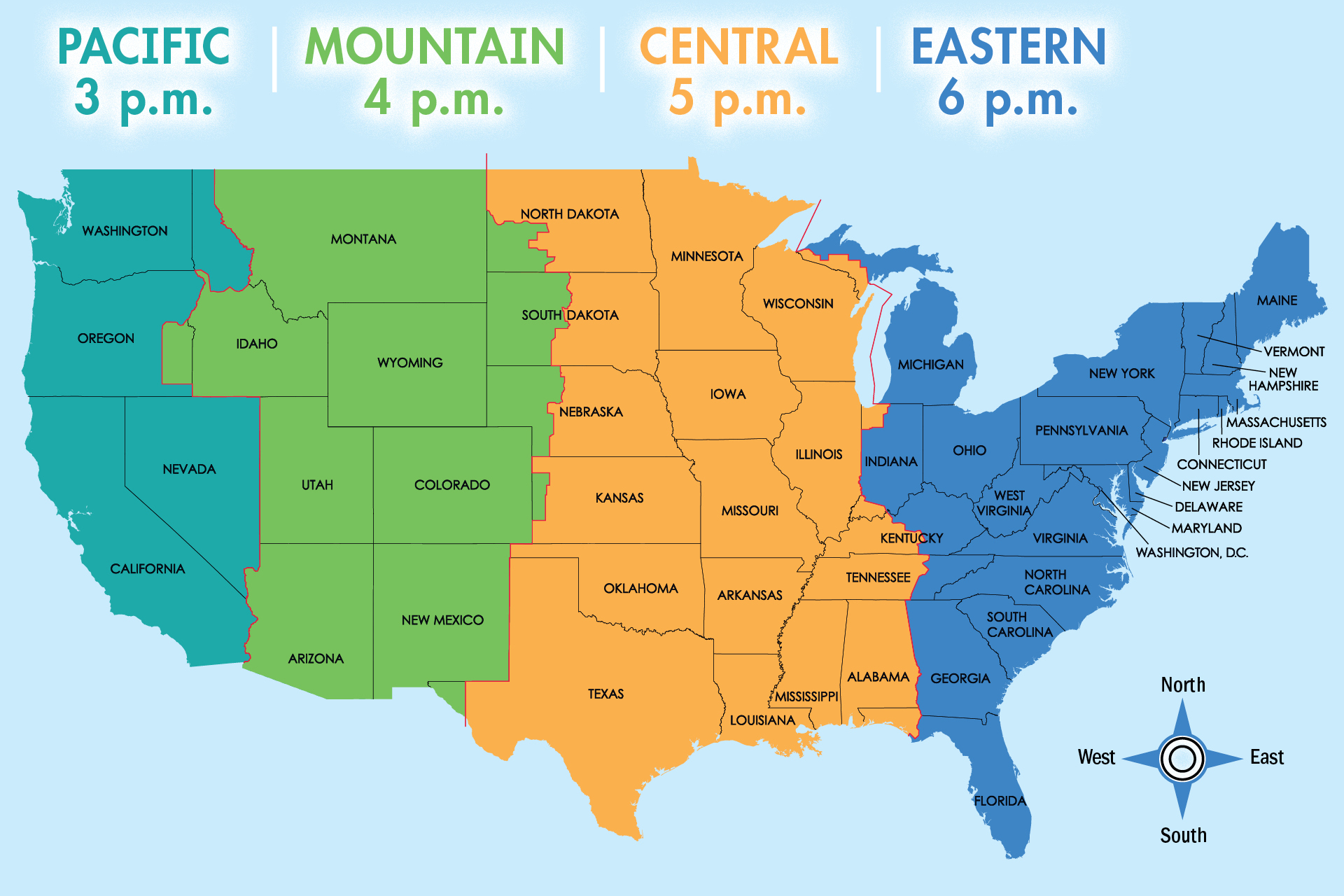
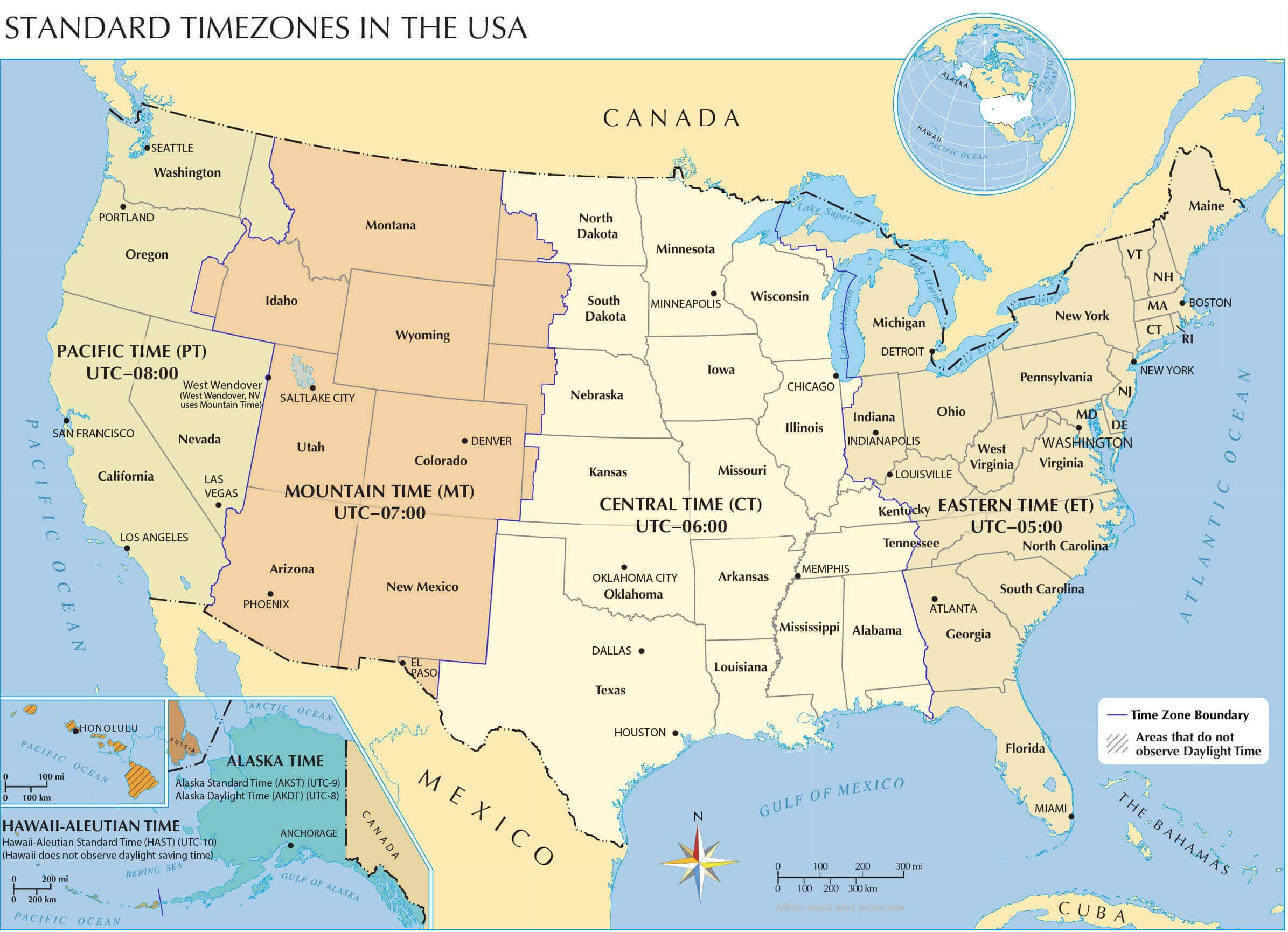
Geographically, California observes the Pacific Time Zone. During the colder months, roughly from early November to mid-March, the state operates on Pacific Standard Time (PST), which is 8 hours behind Coordinated Universal Time (UTC) or GMT-8. This means that when it’s noon UTC, it’s 4:00 AM in California under PST.
However, like most of the United States, California participates in Daylight Saving Time. This annual adjustment occurs on the second Sunday in March when clocks “spring forward” by one hour, ushering in Pacific Daylight Time (PDT). During PDT, California is 7 hours behind UTC, or GMT-7. This allows for longer daylight hours in the evening, a boon for outdoor activities and evening excursions during the spring, summer, and early fall. The clocks then “fall back” on the first Sunday in November, returning to PST.
The impact of this shift is particularly noticeable for travelers communicating with individuals or businesses in other time zones. For instance, there’s a consistent three-hour difference between California and the East Coast of the United States (Eastern Time), and a two-hour difference with the Central Time Zone. For international visitors, especially those from Europe or Asia, the time difference can be substantial, necessitating careful planning to avoid scheduling conflicts or inconvenient call times.
Practical Implications for Your Travel Itinerary
Understanding the exact time in California, and whether it’s PST or PDT, has far-reaching practical implications for your travel itinerary.
When booking flights, for example, departure and arrival times are always stated in local time. A flight departing New York at 9:00 AM Eastern Time (ET) will arrive in Los Angeles at 12:00 PM Pacific Time (PT), even though the flight duration is closer to six hours. Similarly, hotel check-in times are strictly enforced, typically in the afternoon, meaning you’ll need to account for your arrival time relative to the property’s local clock. Whether you’re staying in luxury hotels, boutique resorts, or cozy vacation apartments, miscalculating your check-in or check-out could lead to unexpected waiting times or additional fees.
For those planning to dive deep into tourism and explore California’s myriad attractions, time is of the essence. Guided tours, museum opening hours, theme park schedules (like Disneyland or Universal Studios Hollywood), and even restaurant reservation windows are all tied to local Pacific Time. Missing a specific time slot for an Alcatraz ferry, a Hollywood studio tour, or a whale-watching excursion off the coast of Monterey could mean a missed opportunity or a need to reschedule, potentially disrupting your entire trip flow.
Even more nuanced are business travelers whose schedules often involve coordinating across multiple time zones. A conference call with colleagues on the East Coast at 2:00 PM ET would translate to 11:00 AM PT, a critical detail for setting alarms and ensuring punctuality. The meticulous planning of a lifestyle itinerary, whether it’s for a serene yoga retreat in Big Sur or an adrenaline-pumping surf lesson in Malibu, relies on an accurate understanding of the local clock.
Embracing California’s Rhythms: Time-Sensitive Experiences
Beyond mere logistics, understanding California’s time allows you to truly immerse yourself in its distinctive rhythms and experience the state at its most captivating. Many of California’s most memorable moments are inherently tied to the time of day, from the first light of dawn to the deep tranquility of night.
Sunrise to Sunset: Iconic Views and Activities
The changing light throughout the day transforms California’s diverse landscapes, offering unique experiences at specific hours.
Morning: Early risers are often rewarded with some of the most spectacular sights and serene moments. Imagine witnessing the sunrise paint the granite cliffs of Yosemite National Park in hues of gold and pink, or seeing the glassy waters of Lake Tahoe reflect the first rays of light. For the adventurous, an early morning surf session in Malibu or San Diego often means less crowded waves and a magical start to the day. Theme parks like Disneyland and Universal Studios Hollywood typically open their gates in the morning, and arriving at opening time is often the best strategy to beat the crowds and maximize your ride time. Many popular hiking trails, such as those in Redwood National Park, are best enjoyed in the cooler, quieter morning hours.
Daytime: As the day progresses, California truly comes alive with a myriad of activities. Mid-morning to afternoon is prime time for exploring bustling city attractions. In San Francisco, this means walking across the Golden Gate Bridge, navigating the labyrinthine streets of Chinatown, or taking a cable car ride. For wine enthusiasts, a leisurely afternoon of wine tasting in Napa Valley or Sonoma is a quintessential California experience, best enjoyed when the sun is high. Similarly, exploring the vibrant arts districts of Downtown LA or browsing the shops along Rodeo Drive in Beverly Hills are classic daytime pursuits.
Sunset: California is legendary for its sunsets, and timing your experience to coincide with this magical hour is non-negotiable for many travelers. The dramatic coastal sunsets along Highway 1, particularly at vantage points overlooking Big Sur, are truly breathtaking. In Los Angeles, watching the sun dip below the horizon from the Santa Monica Pier or enjoying panoramic views of the city as lights begin to twinkle from the Griffith Observatory are unforgettable moments. Even desert landscapes like Joshua Tree National Park offer stunning fiery skies as the day ends. Many popular restaurants and rooftop bars time their happy hours and early dinner seatings to coincide with these golden hours, providing a perfect backdrop for your meal.
Night Owls and Stargazers: California After Dark
As daylight fades, California transforms, offering an entirely different set of experiences for those who thrive after dark.
Evening and Nightlife: The cities of California pulse with energy once the sun sets. Hollywood comes alive with its legendary nightlife, from exclusive clubs to historic theaters hosting Broadway shows. In San Francisco, the North Beach and Mission District areas offer a plethora of bars, live music venues, and vibrant street scenes. Downtown LA has seen a renaissance with its burgeoning restaurant scene, speakeasies, and arts complex. For those interested in food, many of California’s Michelin-starred restaurants offer multiple dinner seatings, with later times often preferred for a more relaxed, extended dining experience. From classical concerts to stand-up comedy, sporting events to dance clubs, California’s cultural calendar is packed with evening entertainment options.
Stargazing and Tranquility: Far from the city lights, California’s vast natural landscapes offer incredible opportunities for stargazing. Remote areas like Joshua Tree National Park and Death Valley are designated International Dark Sky Parks, providing unparalleled views of the Milky Way, constellations, and meteor showers. Timing your visit to coincide with a new moon phase will enhance the experience significantly. Even closer to urban centers, locations like Mount Wilson Observatory offer public star parties. These nighttime experiences offer a profound connection with nature and a serene counterpoint to the daytime bustle, highlighting how different times unlock different facets of the Golden State.
Mastering the Clock for Seamless California Adventures
Effective time management is the silent architect of a successful and stress-free California adventure. Ignoring the clock can lead to missed connections, forfeited reservations, and unnecessary frustration. Conversely, mastering its rhythm allows you to maximize enjoyment and discover hidden gems.
Overcoming Time Zone Differences
For many travelers, especially those arriving from the East Coast or international destinations, the most immediate challenge is overcoming time zone differences, often manifesting as jet lag. The 3-hour difference from ET, 6 hours from London, or even more from Tokyo can throw your internal clock into disarray.
To mitigate jet lag, consider these strategies:
- Gradual Adjustment: If possible, try to shift your sleep schedule by an hour or two each day in the days leading up to your trip.
- Hydration: Drink plenty of water before, during, and after your flight to combat dehydration, which exacerbates jet lag symptoms.
- Sunlight Exposure: Upon arrival, expose yourself to natural light during the day to help reset your circadian rhythm. Avoid excessive screen time late at night.
- Strategic Napping: Short, well-timed naps can help, but avoid long naps that interfere with nighttime sleep.
- Adjust to Local Time Immediately: Try to eat meals and sleep according to California’s local time as soon as you arrive, even if you’re not hungry or tired.
By proactively addressing potential time zone shock, you can ensure you’re energized and ready to enjoy your California experience from day one, whether it’s checking into your chosen resort or embarking on your first planned excursion.
Planning Your Day with Precision
Once you’ve adjusted to local time, meticulous daily planning becomes your best friend. California is vast, and travel times between landmarks and destinations can be significant, especially with traffic in major metropolitan areas like Los Angeles and San Francisco.
- Utilize Time Conversion Tools: Always double-check times using reliable online converters or smartphone apps, particularly when coordinating with others outside the Pacific Time Zone.
- Factor in Travel Time: Never underestimate how long it takes to get from point A to point B. A seemingly short distance in Los Angeles can take over an hour during rush hour. Build in generous buffer times, especially if you have timed reservations.
- Peak Time Awareness: Be aware of peak times for popular attractions. Arriving early (just before opening) or later in the afternoon (a few hours before closing) can often help you avoid the densest crowds at places like Universal Studios Hollywood or the Santa Monica Pier.
- Maximize Daylight Hours: For outdoor activities like hiking, beach visits, or scenic drives along Highway 1, schedule them during daylight hours, especially if you’re traveling during shorter winter days. This is particularly important for photography enthusiasts seeking optimal light.
- Flexibility is Key: While precision is important, also build in some flexibility. Spontaneous discoveries and unexpected delights are often the most cherished memories of any trip. A rigid schedule can sometimes hinder the natural flow of exploration.
By approaching your itinerary with a blend of careful planning and adaptable execution, you can optimize your time in California and create a rich, fulfilling travel experience.
Beyond the Clock: Embracing the California Lifestyle
While the practicalities of time zones are essential, the concept of “time” in California extends beyond mere hours and minutes. It encapsulates the very pace and ethos of life in this diverse state, influencing everything from dining habits to cultural norms.
The Unhurried Pace vs. Urban Hustle
California’s vastness means that its internal clock isn’t uniform. The relaxed, almost languid pace of life in coastal towns like Santa Barbara or Carmel-by-the-Sea stands in stark contrast to the relentless, fast-paced hustle of Los Angeles or San Francisco.
In the laid-back beach communities, time seems to stretch, inviting visitors to linger over coffee, enjoy extended sunsets, and embrace a more unhurried rhythm. Here, a “late start” is often the norm, and the focus is on savoring the moment. Conversely, in the major urban centers, punctuality is paramount, and schedules are packed. Business lunches are quick, traffic is a constant consideration, and the cultural scene operates on a tight schedule of showtimes and reservations.
Understanding this regional variation in the “speed of life” can enhance your tourism experience. When you’re in a tranquil vineyard in Sonoma, allow yourself to slow down and appreciate the moment. When navigating the vibrant energy of Hollywood, be prepared for efficiency and a faster tempo. This awareness is a key aspect of immersing yourself in the true local culture of each specific destination.
Making the Most of Every Moment
Ultimately, knowing “what time it is in California” is about more than just avoiding scheduling mishaps; it’s about optimizing your entire lifestyle experience in the Golden State. Whether you’re indulging in luxury travel with spa treatments and gourmet dining, or embarking on a budget travel adventure exploring free landmarks and picnicking in parks, thoughtful time management elevates the journey.
For family trips, a well-structured day ensures happy children and minimizes stress for parents. For business stays, it means maximizing productivity and still finding time for leisure. It connects your practical itinerary to the essence of California’s appeal – its ability to offer a diverse array of experiences, from thrilling activities to serene escapes.
By respecting the clock, you empower yourself to truly make the most of every precious moment. It means being there for the first light over the ocean, the perfect time for a museum visit, the ideal hour for a culinary delight, and the profound calm of a desert night under a canopy of stars. It’s about being present, informed, and ready for whatever extraordinary experience California has in store.
In conclusion, “What time is it California?” is a question that opens the door to a deeper, richer understanding of this incredible state. From the technicalities of PST and PDT to the philosophical appreciation of its varied pace of life, time is a silent guide that shapes every aspect of your journey. Plan wisely, live in the moment, and let the Golden State unfold before you, perfectly timed for an unforgettable adventure.
LifeOutOfTheBox is a participant in the Amazon Services LLC Associates Program, an affiliate advertising program designed to provide a means for sites to earn advertising fees by advertising and linking to Amazon.com. Amazon, the Amazon logo, AmazonSupply, and the AmazonSupply logo are trademarks of Amazon.com, Inc. or its affiliates. As an Amazon Associate we earn affiliate commissions from qualifying purchases.