
The California Gold Rush stands as one of the most pivotal and transformative periods in United States history, forever altering the landscape, population, and economic trajectory of California and beyond. More than just a quest for precious metal, it was a massive human migration, an entrepreneurial explosion, and a dramatic chapter in the shaping of the American West. For today’s traveler, the echoes of this fervent era resonate in the charming historic towns, preserved landmarks, and captivating museums that dot the Golden State, offering a unique blend of adventure, history, and cultural insight. Understanding what the California Gold Rush was means delving into the accidental discovery that sparked it, the arduous journeys undertaken by hopeful prospectors, the vibrant societies that sprang up overnight, and the enduring legacy that continues to draw visitors from across the globe.

The Spark of Discovery: A Golden Beginning
The dramatic saga of the California Gold Rush began not with a grand expedition, but with a humble discovery that would send shockwaves across continents. In the early months of 1848, California was a sparsely populated frontier, having only recently been acquired by the United States from Mexico following the Mexican-American War. Life revolved primarily around ranching and agriculture, with little hint of the immense riches hidden beneath its soil.
Sutter’s Mill and James W. Marshall’s Find
The fateful day was January 24, 1848. A carpenter named James W. Marshall was overseeing the construction of a sawmill for his employer, Swiss pioneer John Sutter, along the American River near present-day Coloma. As he inspected the millrace—the channel that carried water to the mill’s wheel—he spotted glittering flakes in the riverbed. Skeptical yet intrigued, Marshall conducted a few rudimentary tests, concluding that what he held in his hand was indeed gold.
The immediate reaction from Sutter and Marshall was to try and keep the discovery quiet, fearing a stampede that would disrupt their agricultural enterprises. However, news of such a significant find was impossible to contain. Within weeks, word trickled out, fueled by merchants and eager prospectors. By the summer of 1848, the trickle became a stream, and by late 1848 and early 1849, the stream had become a roaring torrent as reports reached the eastern United States and then the rest of the world. President James K. Polk’s confirmation of the gold discovery in his December 1848 address to Congress officially ignited the global frenzy, and the California Gold Rush was on.
Today, Sutter’s Mill in Coloma is a premier historical landmark, offering visitors a tangible connection to the gold’s origin point. Part of the Marshall Gold Discovery State Historic Park, it provides an immersive experience with a reconstructed sawmill, historical exhibits, and panning demonstrations. For those interested in historical travel and learning about formative moments, a visit here is indispensable, often forming the centerpiece of any Gold Rush Country itinerary.
The Rush and Its Ripple Effect: A Nation Transformed
The allure of gold was an irresistible magnet, drawing hundreds of thousands of individuals from every corner of the globe to California. This mass migration, unparalleled in its speed and scale, transformed not only the demographics of the state but also its infrastructure, economy, and culture, setting the stage for California’s rapid ascension.
The Journey West: Trails and Trials
Reaching California in the mid-19th century was an arduous undertaking, fraught with danger and demanding immense resilience. Would-be prospectors, known as “Forty-Niners” (referring to the year 1849 when the rush peaked), had three primary routes to choose from, each presenting its own set of challenges and experiences:
- Overland Trails: The most common route involved a grueling journey across the North American continent, primarily via the California Trail (an extension of the Oregon Trail). Travelers endured months of walking or riding in wagons, facing harsh weather, diseases like cholera, attacks from Native American tribes, and the unforgiving terrain of the plains and the Sierra Nevada mountains. This route was a test of endurance, often leading to significant loss of life and property. Today, segments of these historic trails can be explored, offering adventurous travelers a glimpse into the incredible hardships faced by these pioneers.
- Sea Route Around Cape Horn: For those who could afford it, a voyage by ship around the treacherous southern tip of South America, Cape Horn, offered an alternative. This journey, though avoiding the overland dangers, was incredibly long, often taking 5-8 months. Passengers endured cramped conditions, disease, storms, and the monotony of the open sea. Luxurious ocean liners today offer dramatically different experiences, but the historical context gives a profound appreciation for the early sea travelers.
- Isthmus of Panama Crossing: A third option, shorter but equally perilous, involved sailing to the Isthmus of Panama, crossing the narrow land bridge through jungles rife with disease, and then finding another ship on the Pacific side to complete the journey to California. Malaria and yellow fever were rampant, making this route particularly deadly despite its relative speed. This route was a precursor to the Panama Canal, highlighting the long-standing desire for faster transatlantic and transpacific travel.
Each journey instilled a profound sense of adventure and desperation, shaping the character of those who ultimately arrived in California. Travel guides dedicated to the historic trails and maritime routes can provide invaluable context for understanding the scope of this migration.
Boomtowns and the Birth of San Francisco
The influx of people to California led to the explosive growth of existing settlements and the overnight creation of new ones. Towns like Sacramento, strategically located at the confluence of the Sacramento and American Rivers and serving as a gateway to the goldfields, mushroomed from small outposts into bustling cities.
However, no city embodied the transformative power of the Gold Rush more than San Francisco. From a sleepy village of a few hundred residents in 1848, it exploded into a vibrant, chaotic metropolis of tens of thousands within a few short years. Its natural harbor made it the primary entry point for sea-borne gold seekers, supplies, and capital. The city became a hub of commerce, speculation, and diverse cultures. Warehouses, hotels, saloons, and gambling dens sprang up rapidly, often constructed with little regard for planning or permanence. Ships were frequently abandoned in the bay, their crews having deserted to seek their fortunes in the goldfields, sometimes even repurposed as makeshift accommodation or stores.
Today, San Francisco proudly showcases its Gold Rush heritage. Visitors can explore historic neighborhoods like Jackson Square, which retains some of the city’s oldest commercial buildings, or visit the Old Mint (a landmark in itself), which played a crucial role in processing the vast amounts of gold discovered. The city’s unique charm, from its iconic cable cars to its diverse culinary scene, can be traced back to this era of rapid growth and cultural blending. Modern hotels and accommodation options abound, but a stay in a historic boutique hotel can offer a more immersive experience.
Life in the Goldfields: Dreams and Hardships

The reality of life in the goldfields was often far removed from the romanticized image of striking it rich with ease. It was a brutal existence, characterized by intense labor, primitive living conditions, and the ever-present specter of disappointment. Yet, it also fostered a unique blend of camaraderie, innovation, and diverse cultural interaction.
Mining Techniques and Daily Life
Early prospectors, often referred to as “placer miners,” began with the simplest methods: panning. Using a shallow pan, they would scoop up gravel and water from riverbeds, swirling it to separate the heavier gold from lighter sediments. As easy-to-find surface gold diminished, more complex techniques evolved.
- Rocker Boxes (Cradles): Larger wooden devices that allowed for processing more gravel than a pan, requiring two people to operate.
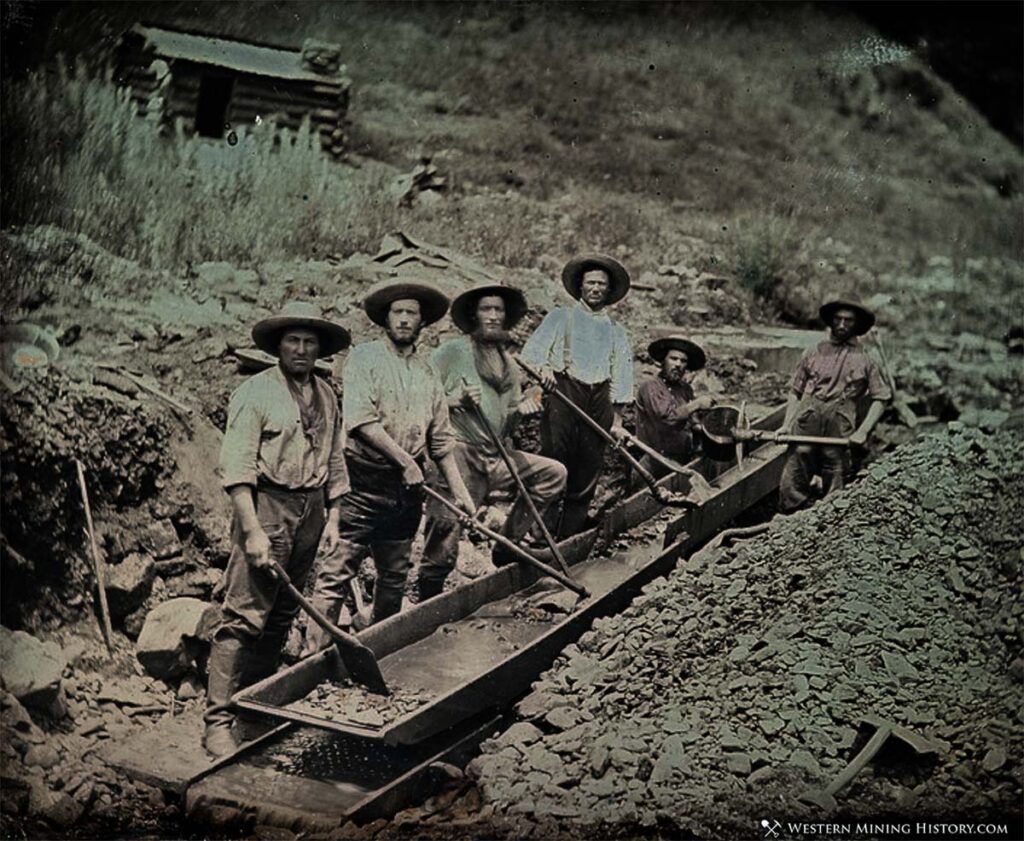
- Sluice Boxes: Long wooden troughs with riffles along the bottom, placed in a stream to wash large quantities of gravel. Water would carry away lighter materials, leaving gold caught in the riffles.
- Hydraulic Mining: A highly destructive method that emerged later, using powerful jets of water to blast away hillsides and expose gold-bearing gravel. While incredibly efficient, it caused massive environmental damage, silting rivers and flooding farmlands, eventually leading to its regulation.
Daily life for a miner was one of relentless toil, often from dawn to dusk. Food was basic and often scarce, consisting mainly of salted pork, beans, and coffee. Shelters ranged from canvas tents to crude log cabins. Health was a constant concern, with diseases like dysentery, scurvy, and cholera rampant due to poor sanitation and nutrition. The isolation of many camps, coupled with the exhausting labor and constant pressure, took a toll on mental health.
Despite the hardships, the goldfields also fostered a unique culture. Simple entertainment, like card games and storytelling, helped pass the time. Entrepreneurs quickly followed the miners, setting up general stores, saloons, and eateries, creating a rudimentary economy. For tourists, visiting preserved gold rush towns like Columbia State Historic Park or the ghost town of Bodie State Historic Park (often hailed as the best preserved ghost town in California) offers an unparalleled opportunity to walk through living history. These landmarks provide insight into the daily routines, the tools used, and the very atmosphere of the time. Many offer experiential activities like gold panning or staged historical reenactments.
Cultural Melting Pot and Social Impact
The California Gold Rush created an extraordinary cultural melting pot, unlike anything seen before in the United States. People arrived from all over the world: Europe (especially Ireland, Germany, and France), China, Latin America (particularly Mexico and Chile), and Australia. This unprecedented diversity led to a vibrant exchange of languages, foods, customs, and technologies. However, it also brought significant social tensions, xenophobia, and conflict.
Native American populations, whose lands were overrun by prospectors, suffered immensely from disease, violence, and displacement. Discriminatory laws and taxes were often imposed on foreign miners, particularly the Chinese, who faced severe prejudice despite their significant contributions to infrastructure development and mining. Women, though few in number, played crucial roles as entrepreneurs, running boarding houses, laundries, and saloons, often finding more economic independence than they would have in their home states.
The Gold Rush era also had a profound impact on law and order. With little established government structure in the early days, vigilante justice was common. Eventually, rudimentary legal systems, courts, and sheriffs emerged, laying the foundation for modern state governance. Understanding this complex social tapestry is crucial for any comprehensive tourism experience, as it highlights the human cost and the lasting societal impacts, from California’s diverse demographics to its strong pioneering spirit. Local museums, often housed in original buildings, offer deep dives into these social dynamics.
The End of an Era and Enduring Legacy
By the mid-1850s, the easily accessible placer gold had largely been exhausted. The era of the individual prospector wielding a pan was giving way to large-scale industrial mining operations requiring significant capital and machinery. While the fever pitch of the “rush” subsided, its effects continued to reverberate for decades, cementing California’s place as a major player on the national and global stage.
Economic Transformation and Statehood
The primary legacy of the California Gold Rush was the dramatic transformation of the state’s economy and its rapid path to statehood. The estimated $2 billion worth of gold (in 1852 dollars) extracted fundamentally reshaped global financial markets and fueled immense wealth generation, though often concentrated in the hands of merchants, landowners, and a fortunate few miners. This wealth stimulated industries far beyond mining, including agriculture, shipping, and manufacturing.
The massive population surge, driven by the lure of gold, quickly met the requirements for statehood. In 1850, just two years after Marshall’s discovery, California was admitted to the Union as the 31st state, skipping the traditional territorial phase. This rapid political integration had national implications, particularly concerning the contentious issue of slavery, as California entered as a free state, disrupting the delicate balance between free and slave states in Congress. The establishment of infrastructure, including roads, ports, and telegraph lines, further solidified its economic and political importance.
Gold Rush Country Today: A Tourist’s Guide
Today, the spirit of the California Gold Rush lives on, particularly in the region aptly named Gold Rush Country, a popular tourism destination nestled in the foothills of the Sierra Nevada. This area, stretching roughly from Mariposa in the south to Downieville in the north, offers a captivating journey back in time.
- Historic Towns and Landmarks: Visitors can explore beautifully preserved towns like Columbia, Sonora, Placerville, and Nevada City, which boast architecture, museums, and streetscapes that hark back to the 1850s. Many of these towns offer guided historical walking tours, allowing travelers to immerse themselves in the stories of the past. The aforementioned Marshall Gold Discovery State Historic Park and Bodie State Historic Park are must-see landmarks, providing deep historical context and unique photography opportunities.
- Activities and Experiences: Beyond sightseeing, Gold Rush Country offers hands-on experiences. Gold panning, often led by experienced guides, allows visitors to try their luck, much like the original Forty-Niners. Mine tours, like those at the Kennedy Gold Mine in Jackson, descend into historic shafts, revealing the harsh realities of hard-rock mining.
- Accommodation and Lifestyle: The region provides a range of accommodation options, from charming bed and breakfasts in historic buildings to modern hotels and resorts. Many towns feature boutique hotels that reflect the architectural styles of the era, offering a blend of historical ambiance and contemporary comfort. For those interested in a “lifestyle” trip focused on history and culture, several establishments even offer themed stays or historical reenactments. Dining options often include traditional American fare with a local California twist, and the burgeoning wine industry in areas like Amador County and El Dorado County provides a modern complement to the historical exploration.
- Outdoor Adventures: The foothills of the Sierra Nevada also offer a plethora of outdoor activities, including hiking, white-water rafting on the American River, and exploring scenic byways that weave through rolling hills and historic mining districts. This makes Gold Rush Country a destination that caters to diverse travel interests, from history buffs to nature enthusiasts.
The California Gold Rush was more than a fleeting moment of fortune-seeking; it was a watershed event that fundamentally shaped California’s identity, influencing its economic development, cultural diversity, and political landscape. For the modern traveler, it offers an incredible opportunity to connect with an epic chapter of human history, exploring significant landmarks, engaging with historical narratives, and experiencing the unique blend of adventure and perseverance that defined an era.
LifeOutOfTheBox is a participant in the Amazon Services LLC Associates Program, an affiliate advertising program designed to provide a means for sites to earn advertising fees by advertising and linking to Amazon.com. Amazon, the Amazon logo, AmazonSupply, and the AmazonSupply logo are trademarks of Amazon.com, Inc. or its affiliates. As an Amazon Associate we earn affiliate commissions from qualifying purchases.