
Ah, San Francisco! The very name conjures images of iconic landmarks, rolling hills, vibrant culture, and a distinct charm that sets it apart from almost any other city in the United States. But if you’re planning a trip to this magnificent Californian metropolis, one question inevitably arises: “What’s the temperature in San Francisco?” It’s a query that seems straightforward, yet the answer reveals one of the city’s most fascinating and often surprising characteristics: its famously unpredictable and diverse microclimates. Unlike many destinations where a single forecast suffices for the entire area, San Francisco’s weather can swing dramatically from one neighborhood to the next, often within a few blocks. Understanding this meteorological quirk is not just a matter of curiosity; it’s absolutely crucial for travelers seeking to make the most of their experience, influencing everything from what to pack to which attractions to prioritize and even the kind of accommodation that will best suit their needs.
This comprehensive guide delves into the intricate world of San Francisco‘s temperature, offering insights derived from the city’s unique geography and oceanic influences. We’ll explore seasonal variations, how these impact popular tourist activities and lifestyle choices, and provide essential tips for packing and planning your travel itinerary. Whether you dream of strolling across the Golden Gate Bridge bathed in sunshine, exploring the bustling energy of Fisherman’s Wharf wrapped in a cozy fog, or savoring gourmet delights in a charming Mission District eatery, preparing for San Francisco’s distinct climate is your first step towards an unforgettable adventure.
Understanding San Francisco’s Unique Climate: The Microclimate Phenomenon
The concept of a “microclimate” is perhaps best exemplified by San Francisco. Nestled on a peninsula, bordered by the Pacific Ocean to the west and San Francisco Bay to the east, the city is constantly influenced by maritime air currents. The cold waters of the Pacific Ocean meet the warmer inland temperatures, creating a persistent fog layer, famously nicknamed “Karl the Fog” by locals, which frequently rolls in through the Golden Gate. This fog acts like a natural air conditioner, keeping coastal areas significantly cooler than neighborhoods just a few miles inland.
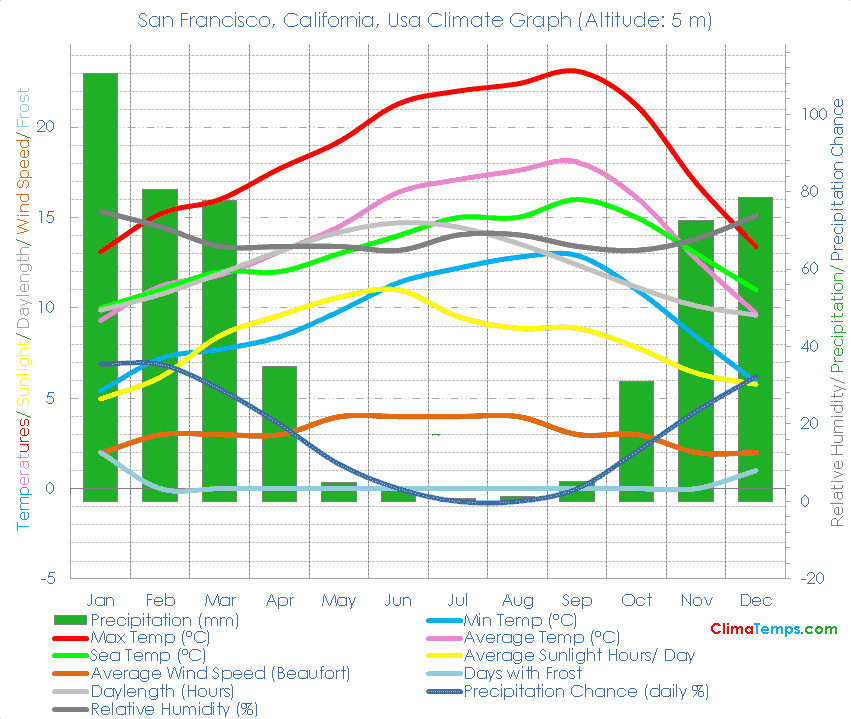
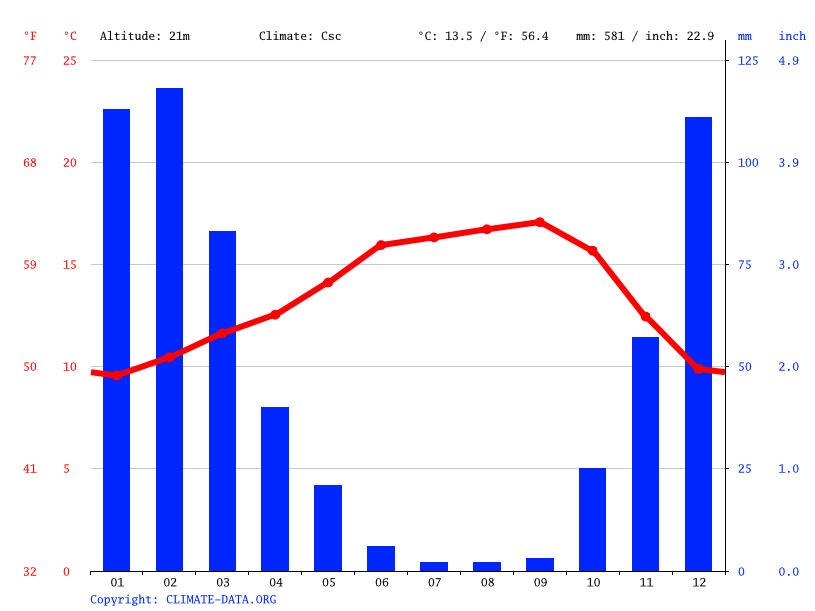
The city’s topography, characterized by its numerous hills, further fragments the weather patterns. One moment you might be shivering in a foggy, breezy Richmond District, and the next, basking in glorious sunshine in the sheltered Potrero Hill or Mission District. This means that average temperatures often don’t tell the full story. While the city’s overall average high hovers around 60-70°F (15-21°C) and lows around 45-55°F (7-13°C) throughout much of the year, these figures are dramatically modulated by location and time of day.
Seasonal Temperature Breakdown: Planning Your Visit
To truly grasp San Francisco’s temperature, it’s best to break it down by season, understanding that “summer” might not mean what you expect, and “winter” is far from harsh.
- Spring (March – May): Often considered one of the best times to visit. Temperatures are generally mild, ranging from daily highs in the mid-60s°F (18-20°C) to lows in the low 50s°F (10-12°C). The fog is less prevalent than in summer, leading to more clear, sunny days. This is an excellent time for exploring outdoor landmarks like Golden Gate Park or taking a ferry to Alcatraz Island without the intense summer crowds. Spring also ushers in vibrant floral displays, especially in areas like Golden Gate Park and the Conservatory of Flowers.
- Summer (June – August): Surprisingly, San Francisco summers are not hot. In fact, they are famously cool, often dubbed “Fogust” due to the thick marine layer that frequently blankets the city. Average highs hover around the mid-60s°F (18-20°C), while lows can dip into the low 50s°F (10-12°C). Inland areas like the East Bay or Wine Country might be sweltering, but San Francisco itself remains refreshingly cool, often requiring a jacket even in July. This unique climate makes it ideal for those escaping heat waves elsewhere, but it’s vital to pack layers. While the fog can obscure views of the Golden Gate Bridge, it also adds a mystical ambiance to the city, perfect for cozy indoor tourism experiences like visiting world-class museums or enjoying the city’s renowned culinary scene.
- Autumn (September – November): This is often the warmest and clearest season in San Francisco. The marine layer tends to dissipate, leading to extended periods of sunshine and temperatures reaching the high 60s to low 70s°F (20-23°C), sometimes even higher. Evenings remain crisp, with lows in the mid-50s°F (12-14°C). If you’re hoping for postcard-perfect views of the Golden Gate Bridge and sun-drenched walks along the waterfront, autumn is your best bet. It’s also a fantastic time for outdoor dining and exploring the city’s famous parks and trails. The clear skies are perfect for a trip to Twin Peaks for panoramic city views.
- Winter (December – February): San Francisco winters are mild but wet. Temperatures generally range from highs in the mid-50s°F (12-14°C) to lows in the mid-40s°F (7-9°C). While heavy snow is virtually unheard of (though a dusting on Mount Tamalpais in Marin County can happen), rain is common. Despite the rain, sunny days are frequent enough to allow for outdoor activities. This is the off-peak season, meaning fewer crowds and potentially better deals on hotels and accommodation. It’s an excellent time for museum hopping (like the California Academy of Sciences or SFMOMA), enjoying cozy cafes, and experiencing the holiday festivities without extreme cold.
Planning Your San Francisco Trip: What to Pack and When to Visit
Knowing the city’s temperature patterns is paramount for smart packing and itinerary planning, ensuring your travel experience is comfortable and enjoyable, regardless of the season.
Essential Packing Tips for Any Season
The golden rule for packing for San Francisco is layers, layers, layers. Even on a seemingly warm day, the temperature can drop quickly when the fog rolls in, or you move from a sunny, sheltered street to a breezy, exposed hill.
- Outerwear: Always bring a medium-weight jacket or a warm sweater, even in summer. A windbreaker or a waterproof jacket is also highly recommended, especially during spring and winter months, and for activities like a ferry trip to Alcatraz Island or a walk across the Golden Gate Bridge, where winds can be brisk.
- Mid-Layers: Think cardigans, fleeces, or light sweaters that can be easily added or removed.
- Base Layers: T-shirts or light long-sleeved tops work well.
- Bottoms: Comfortable jeans or trousers are suitable for most activities. If you plan on hiking in nearby Muir Woods National Monument or exploring the sprawling Presidio National Park, bring appropriate activewear.
- Footwear: Comfortable walking shoes are non-negotiable. San Francisco is a city best explored on foot, tackling its famous hills and diverse neighborhoods. Forget the flimsy sandals unless you’re staying indoors; sturdy sneakers or walking boots will be your best friend.
- Accessories: A scarf can provide extra warmth and style. Sunglasses are a must for sunny days, even if the air is cool. An umbrella is advisable during the wetter winter months.
Best Times to Visit Based on Temperature and Activities
Your ideal time to visit San Francisco largely depends on your priorities and tolerance for different weather conditions.
- For Warmest Temperatures and Clear Skies (Best Views): Aim for Autumn (September – November). This is when the fog is least frequent, and the city enjoys its warmest, sunniest days. It’s perfect for outdoor tourism, photography, cycling across the Golden Gate Bridge, and enjoying open-air attractions like Pier 39 or the vibrant street art of the Mission District.
- For Mild Weather and Fewer Crowds: Consider Spring (March – May). While still cool, the weather is generally pleasant, with fewer tourists than the peak autumn season. It’s an excellent balance for exploring attractions, dining, and enjoying the city’s green spaces without feeling rushed.
- For Unique Atmospheric Experiences (and Escaping Summer Heat Elsewhere): Summer (June – August) offers a cool, foggy escape. While not ideal for sunbathing, the distinctive atmosphere is part of San Francisco’s charm. It’s perfect for indoor attractions, cozy cafes, and experiencing the city’s vibrant cultural scene. Just be prepared for the chill!
- For Budget Travel and Local Vibe: Winter (December – February) presents opportunities for more affordable accommodation and fewer lines at popular attractions. Despite the rain, the city maintains its allure, with many indoor activities and a festive holiday spirit.
Experiencing San Francisco: Temperature’s Influence on Travel & Lifestyle

The city’s temperature directly shapes how visitors and locals alike engage with San Francisco, influencing everything from daily routines to long-term lifestyle choices and the very fabric of tourism experiences.
Outdoor Attractions and Activities in Any Weather
San Francisco’s cooler climate makes it an ideal city for outdoor exploration, even when other parts of California are sweltering. Walking, cycling, and hiking are popular year-round.
- The Golden Gate Bridge: A walk or bike ride across this iconic landmark is a must. On a clear autumn day, the views are breathtaking. On a foggy summer day, the experience is ethereal, with the towers disappearing into the clouds. Dress warmly regardless of the season, as it’s always windy.
- Golden Gate Park: Larger than New York’s Central Park, this urban oasis offers numerous attractions, from the Japanese Tea Garden to the de Young Museum and California Academy of Sciences. Its varied terrain means you might find sunny spots even when other parts of the city are shrouded in fog.
- Fisherman’s Wharf and Pier 39: These bustling waterfront areas are popular, offering fresh seafood (especially clam chowder, perfect on a cool day), souvenir shops, and the famous sea lions. The brisk ocean air is part of the charm, but a warm jacket is essential.
- Alcatraz Island: A ferry trip to “The Rock” offers stunning city views. The island itself can be quite windy and exposed, so layering up is crucial for this historic landmark visit.
- Exploring Neighborhoods: From the colorful Victorians of Haight-Ashbury to the bustling streets of Chinatown and the historic cable cars climbing Nob Hill, each district offers a unique walking experience.
Indoor Comforts and Culinary Delights
When the fog rolls in or the rain starts to fall, San Francisco transforms into a haven of indoor activities and cozy culinary experiences.
- Museums and Galleries: The city boasts world-class institutions like the SFMOMA, Exploratorium, Legion of Honor, and the Asian Art Museum. These offer hours of warmth and cultural enrichment, making them perfect cold-weather retreats.
- Cafes and Restaurants: San Francisco’s vibrant food scene truly shines on cooler days. Cozy cafes invite you to linger over artisan coffee, while diverse restaurants offer everything from Michelin-starred fine dining to comforting ethnic cuisine. Hot clam chowder in a sourdough bread bowl at Fisherman’s Wharf is a quintessential cool-weather treat.
- Shopping: Union Square offers high-end department stores and boutiques, providing a warm escape for retail therapy. Smaller, unique shops can be found throughout neighborhoods like Hayes Valley and North Beach.
Accommodation Choices and Lifestyle
The moderate, often cool, temperatures of San Francisco also subtly influence choices in hotels and accommodation. Unlike hotter climates where air conditioning and outdoor pools are top priorities, in San Francisco, amenities like cozy lounges with fireplaces, heated indoor pools, or rooms with views that aren’t hampered by intense glare become more appealing.
- Luxury Hotels: Establishments like the Fairmont San Francisco or The Ritz-Carlton, San Francisco often emphasize opulent interiors, fine dining, and spas – perfect for retreating from a brisk day. Many offer rooms with fireplaces or stunning city views, which are particularly evocative when shrouded in fog.
- Boutique Hotels and Apartments: For those seeking a more local lifestyle experience, boutique hotels or rented apartments (especially in neighborhoods like Pacific Heights or Cow Hollow) can offer a cozy home-away-from-home feel. These often come equipped with full kitchens, allowing guests to embrace the city’s culinary scene by cooking with local produce.
- Budget Accommodation: Even budget-friendly hostels and motels understand the need for warmth. Many provide common areas where travelers can relax, share stories, and warm up after a day of exploration. Booking platforms frequently highlight features like heating or complimentary hot beverages, which are valued more here than in sunnier locales.
Navigating San Francisco’s Diverse Neighborhoods in Any Weather
The distinct microclimates mean that what’s happening weather-wise in one part of San Francisco might be completely different just a short distance away. This characteristic adds another layer of intrigue and planning to your travel experience.
From Sunny Mission District to Foggy Golden Gate
Imagine starting your day with a clear view of the Golden Gate Bridge from Presidio National Park, only to have it disappear behind a thick curtain of fog an hour later. Or, perhaps, you’re exploring Lands End on a cool, misty morning, and by lunchtime, you find yourself basking in brilliant sunshine in the Mission District.
- Western Districts: Areas closest to the Pacific Ocean, such as the Outer Richmond, Outer Sunset, and Sea Cliff, are typically the coolest and foggiest. If you’re visiting these neighborhoods, be prepared for brisk ocean breezes and bring extra layers.
- Central and Northern Districts: Neighborhoods like Nob Hill, Russian Hill, and Pacific Heights, while generally elevated and offering stunning views, can be quite exposed to the wind and fog, especially if facing the Bay or ocean.
- Southeastern Districts: The Mission District, Potrero Hill, and Dogpatch are often the warmest and sunniest parts of the city. Sheltered by the hills to the west, they frequently escape the thickest fog, making them popular spots for outdoor dining and street festivals. This is particularly true of the Mission District, which famously enjoys its own microclimate of warmer, clearer weather.
- Downtown and SOMA: These areas, including Union Square, tend to have temperatures somewhere in the middle – cooler than the Mission but often clearer than the outer coastal regions.
Preparing for Neighborhood-Specific Weather
Understanding these variations allows for more dynamic travel planning. If one area is too foggy for your liking, consult a local weather app or simply venture a few miles inland. A sunny afternoon in the Mission District might be followed by a cozy, foggy evening walk through North Beach, ending with Italian food. This fluidity is part of San Francisco’s charm, offering diverse experiences within a single day.
For visitors planning multi-day tours or booking accommodation in a specific district, it’s wise to consider the prevailing weather patterns of that area. A budget hotel near the beach might be cool and breezy, while a luxury suite in SOMA could offer warmer, sunnier afternoons.
In conclusion, asking “What’s the temperature in San Francisco, California?” is the beginning of an enlightening journey into one of the world’s most climatically unique cities. While specific daily temperatures will always vary, understanding the overarching patterns of its famous microclimates, seasonal shifts, and the pervasive influence of the Pacific Ocean and the Bay is key to a successful trip. Embrace the layers, prepare for variety, and you’ll find that San Francisco’s ever-changing skies are not a hindrance, but an integral part of its captivating allure, enhancing every aspect of your travel and tourism adventure.
LifeOutOfTheBox is a participant in the Amazon Services LLC Associates Program, an affiliate advertising program designed to provide a means for sites to earn advertising fees by advertising and linking to Amazon.com. Amazon, the Amazon logo, AmazonSupply, and the AmazonSupply logo are trademarks of Amazon.com, Inc. or its affiliates. As an Amazon Associate we earn affiliate commissions from qualifying purchases.