
Understanding the precise time in California is far more than just a matter of curiosity; it’s a fundamental aspect of planning, experiencing, and truly immersing oneself in the vibrant rhythm of the Golden State. Whether you’re a seasoned traveler mapping out your next adventure, a business professional coordinating international calls, or simply someone dreaming of a future California getaway, grasping its unique time zone is essential. California operates predominantly on Pacific Standard Time (PST) during the winter months and Pacific Daylight Time (PDT) during the spring, summer, and fall, a crucial distinction that impacts everything from flight schedules to dinner reservations. This comprehensive guide will delve into the intricacies of California’s time zone, offering insights into its practical implications for travel, tourism, accommodation, and the distinct lifestyle that defines this iconic United States state.
Understanding California’s Time Zone: Pacific Standard Time (PST) and Pacific Daylight Time (PDT)
At its core, California adheres to the time observed across the entire West Coast of the United States. This means understanding the shift between PST and [PDT].
The Basics of PST/PDT
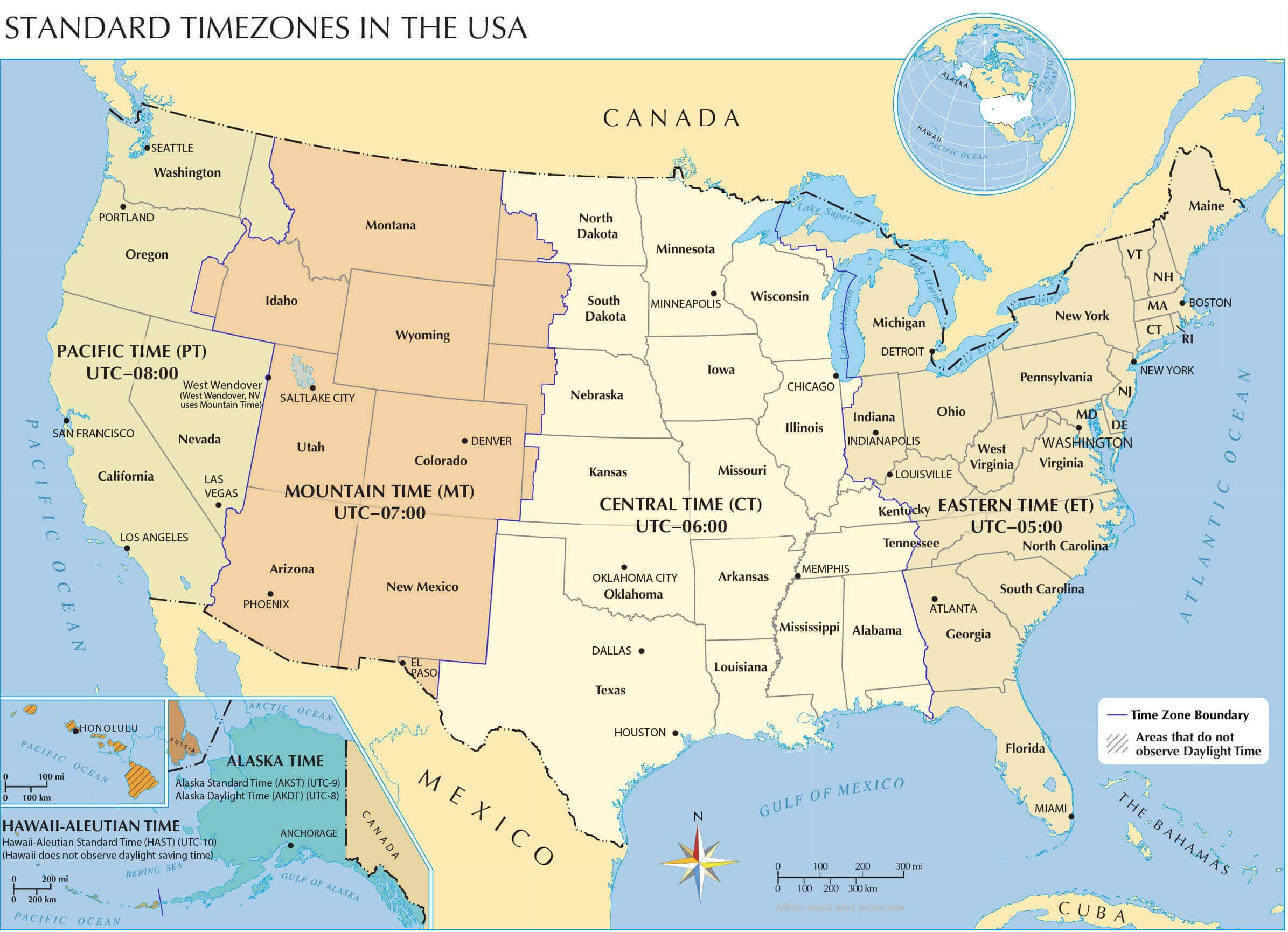
Pacific Standard Time (PST) is UTC-8, meaning it is eight hours behind Coordinated Universal Time. This is the standard time observed from early November to mid-March. When the clocks “spring forward” in March, California switches to Pacific Daylight Time (PDT), which is UTC-7. This change, designed to make better use of daylight, lasts until early November when clocks “fall back” to PST. This cycle is consistent, but for travelers arriving from different time zones, especially those on the East Coast of the United States (a three-hour difference) or international destinations, it requires careful consideration. The consistency of this time zone across the entire state, from the northern forests of Redwood National Park to the southern beaches of San Diego, simplifies internal travel but highlights the need for external awareness. Knowing whether it’s PST or PDT is the first step in aligning your internal clock with the rhythm of California.
Why Time Zones Matter for Travelers
For any traveler, the time zone difference isn’t just an arbitrary number; it impacts nearly every facet of the travel experience. A common challenge is jet lag, especially for those arriving from significant time differences. For instance, someone flying from London (GMT+0) to Los Angeles (PST is GMT-8) will experience an eight-hour shift, potentially leading to disrupted sleep patterns and fatigue during the initial days. This can significantly affect your ability to fully enjoy California’s myriad attractions. Furthermore, understanding the time is critical for coordinating travel logistics. Think about booking a shuttle from Los Angeles International Airport (LAX) to your Hollywood hotel, or ensuring you make your reservation for a sunset cruise around Alcatraz Island in San Francisco. Missing these crucial timings due to a miscalculation of the local time can lead to missed opportunities and unnecessary stress. From confirming check-in times for your boutique hotel in Napa Valley to making sure you arrive promptly for your tour of Universal Studios Hollywood, every detail hinges on accurate timekeeping.
Planning Your California Adventure: Time-Sensitive Considerations
Successful travel planning in California goes hand-in-hand with meticulous time zone awareness. This isn’t just about avoiding a late arrival; it’s about maximizing every precious moment of your trip.
Optimizing Your Travel Itinerary
When crafting your California itinerary, time zone considerations should be at the forefront. For early risers from the East Coast, the natural inclination to wake early in PST or PDT can be an advantage. Imagine hitting the hiking trails of Yosemite National Park at dawn, long before the crowds arrive, or being among the first to explore the shops along Rodeo Drive in Beverly Hills. Conversely, for those who struggle with jet lag, scheduling less demanding activities for the first day, such as a leisurely beach stroll along Santa Monica or a casual meal, can aid in adjustment.
Furthermore, consider the time differences when booking inter-state connections or coordinating with travel partners. If you’re planning a multi-state trip that includes a visit to Las Vegas, Nevada (which is also on PST/PDT), the time will remain consistent, simplifying logistics. However, venturing further East into Arizona (much of which does not observe Daylight Saving Time and can be one hour ahead of PDT during summer) requires an extra layer of planning. For instance, a drive from San Diego to the Grand Canyon National Park involves not only significant driving time but also a potential time zone shift depending on the time of year and specific location within Arizona. Optimizing your itinerary means thinking about sunrise and sunset times, which are directly tied to the local clock. This can be crucial for photographers hoping to capture the golden hour at the Golden Gate Bridge or tourists planning a scenic drive along Highway 1 to catch the perfect coastal sunset.
Accommodation Bookings and Check-Ins
The world of accommodation in California is incredibly diverse, ranging from opulent suites in San Francisco to charming boutique hotels in Carmel-by-the-Sea and sprawling resorts in Palm Springs. Regardless of your choice, understanding the local time is paramount for smooth check-ins and check-outs. Most hotels, resorts, and vacation rentals operate with standard check-in times, typically in the mid-afternoon (3 PM or 4 PM PST/PDT). If your flight arrives early in the morning after a red-eye from the East Coast, you might find yourself with several hours to spare before your room is ready. Conversely, an international arrival at midnight PST means you’ll be checking in late at night, and prior communication with your accommodation provider can prevent any issues.
For properties offering unique experiences, such as a vineyard stay in Sonoma or a luxury villa overlooking Laguna Beach, specific arrival instructions or key collection times will always be provided in local time. Missing these windows can delay your access to your accommodation. Likewise, check-out times, usually around 11 AM or 12 PM PST/PDT, must be adhered to to avoid late fees. Utilizing hotel amenities like early check-in or late check-out, where available, can be a lifesaver, but these too must be arranged and confirmed according to the hotel’s local schedule. For instance, a family staying at the Disneyland Hotel will need to coordinate their park entry and dining reservations with the local Anaheim time, ensuring they maximize their magical experience without any temporal hiccups.
Navigating California’s Diverse Attractions
California’s attractions are as diverse as its landscape, spanning natural wonders, bustling urban centers, and iconic landmarks. Each typically has specific operating hours tied to local PST/PDT.

Consider the difference in visiting hours for major theme parks like Disneyland Park in Anaheim or Six Flags Magic Mountain in Valencia, which often open early and close late, especially during peak seasons. Compare this to state parks or museums, such as the Getty Center in Los Angeles, which might have more restricted daytime hours. Knowing the current local time is crucial for pre-booking tickets, scheduling tours, and avoiding disappointment. Imagine arriving at the Griffith Observatory in Los Angeles expecting to view the city lights, only to find you’ve miscalculated the closing time.
For foodies, securing a coveted reservation at a Michelin-starred restaurant in San Francisco or Los Angeles often requires booking weeks or even months in advance. These reservations are always made in local time, and showing up even a few minutes late can mean forfeiting your table. Similarly, cultural activities like a show at the Walt Disney Concert Hall or a performance at the Old Globe Theatre in San Diego adhere to strict curtain times. Even outdoor activities like whale watching tours from Monterey or surfing lessons in Malibu will have precise start times dictated by tidal patterns or tour operators. Always double-check the local time and confirm opening and closing hours for every attraction on your itinerary.
Experiencing California’s Lifestyle Through Time
California’s diverse lifestyle is deeply intertwined with its time zone, influencing everything from daily routines to specific cultural practices.
From Sunrise Surfing to Sunset Dinners
The California lifestyle often conjures images of endless sunshine, outdoor activities, and a laid-back vibe. This perception is heavily influenced by the PST/PDT time zone, which offers relatively late sunsets, especially during Daylight Saving Time. This extended daylight in the evenings allows for a unique rhythm of life. Imagine starting your day with sunrise yoga overlooking the Pacific Ocean in Santa Barbara, heading for a morning surf session, enjoying a leisurely brunch, and still having ample daylight hours for exploring vineyards in Napa Valley or cycling along Lake Tahoe.
The long evenings of California are perfect for al fresco dining, enjoying a craft cocktail on a rooftop bar in downtown Los Angeles, or simply watching the sunset from the Santa Monica Pier. This lifestyle encourages a blend of productivity and leisure, where early mornings can be incredibly peaceful and evenings stretch out, inviting relaxation and social engagement. The timing of local festivals, farmers’ markets, and cultural events also aligns with this rhythm, typically starting in the late morning and extending into the evening, making them accessible to a wider audience. Understanding this rhythm allows visitors to truly embrace the Golden State’s distinctive way of life, from morning hikes in the Hollywood Hills to evening strolls through Balboa Park in San Diego.
Business Travel and Time Management
For business travelers, California’s time zone presents both opportunities and challenges. The state is a global hub for technology, entertainment, and innovation, with major business centers in Silicon Valley, Los Angeles, and San Francisco. Coordinating meetings and communications across different time zones is a constant task. For example, a business professional in New York City (EST/EDT) will be three hours ahead of their California counterparts. This means early morning calls for Californians and late afternoon or early evening calls for those on the East Coast.
For international business, the time difference can be even more pronounced. Coordinating with teams in Asia or Europe often requires strategic scheduling, sometimes leading to very early morning or late-night meetings for California-based professionals. This impacts not only meeting schedules but also the expectation for immediate responses to emails and urgent communications. Hotels catering to business travelers, such as the Grand Hyatt Hotel in San Francisco or the Waldorf Astoria Beverly Hills, often provide amenities like 24-hour business centers and robust internet connectivity to support these demands. Effective time management, proactive communication, and the use of scheduling tools that account for multiple time zones are indispensable for successful business engagements in California.
Practical Tips for Time Management While Traveling in California
Navigating time zones effectively can significantly enhance your travel experience in California. A few practical strategies can make all the difference.
Adjusting to the Time Difference
One of the most common challenges for travelers is jet lag. To mitigate its effects when traveling to California from the East, try to adjust your sleep schedule gradually a few days before your trip. Shift your bedtime and wake-up time by an hour or two each day to align closer with PST/PDT. Once you arrive, embrace the local time immediately. If you land in the morning, resist the urge to nap excessively, and try to stay awake until the local evening. Exposure to natural light, especially morning sun, helps reset your internal clock. Hydration is key, as dehydration can exacerbate jet lag symptoms. Avoid heavy meals, excessive caffeine, and alcohol, especially on your first day. Engage in light physical activity, such as a walk along Venice Beach or through Golden Gate Park, to help your body adapt to the new rhythm. Many travelers find that arriving earlier than planned, even by a day, allows for crucial adjustment time before their main activities begin. This is particularly helpful if your itinerary includes high-energy activities like a day at Disneyland or an early morning hike in Joshua Tree National Park.
Tools and Apps for Time Tracking
In today’s digital age, numerous tools and applications can simplify time zone management. Most smartphones automatically update to the local time upon arrival, which is an invaluable feature. However, it’s always wise to double-check this setting. World clock apps, available on both iOS and Android, allow you to easily track multiple time zones simultaneously. This is especially useful for coordinating with family or colleagues in different parts of the world. Set up your home time zone alongside PST/PDT so you can quickly compare and schedule calls or messages without manual calculation. For instance, if you’re planning a video call with someone in New York, a quick glance at your world clock app will show you that 9 AM PST is 12 PM EST.
Additionally, many online travel platforms and booking websites display times in both local and your home time zone, or offer a toggle option. Always pay attention to which time zone is being displayed when making reservations for flights, hotels, tours, or dining. Using calendar apps with built-in time zone support can also prevent scheduling conflicts. When you add an event, ensure it’s set to the correct local time zone. For business travelers, tools like Calendly or Doodle automatically adjust for participants’ time zones, making meeting coordination effortless. A simple wrist watch set to local time can also provide a quick, tangible reference, complementing your digital devices.
In conclusion, knowing “What’s the time now in California?” is far more than a simple query; it’s the gateway to a seamless and enriching experience in this captivating state. From the majestic natural beauty of its National Parks to the vibrant urban pulse of its cities, every moment in California is framed by the rhythms of PST and PDT. By understanding these nuances and leveraging practical time management strategies, travelers can truly unlock the full potential of their California adventure, ensuring every attraction is visited, every reservation is met, and every moment is savored to the fullest. So, set your clocks, embrace the Pacific rhythm, and get ready to explore everything the Golden State has to offer, perfectly on schedule.
LifeOutOfTheBox is a participant in the Amazon Services LLC Associates Program, an affiliate advertising program designed to provide a means for sites to earn advertising fees by advertising and linking to Amazon.com. Amazon, the Amazon logo, AmazonSupply, and the AmazonSupply logo are trademarks of Amazon.com, Inc. or its affiliates. As an Amazon Associate we earn affiliate commissions from qualifying purchases.