
For many, the mention of school start dates conjures images of freshly sharpened pencils and new backpacks. But for seasoned travelers, families planning getaways, and anyone involved in the robust tourism industry, knowing when California schools kick off their academic year is a crucial piece of information. It’s a calendar event that profoundly influences travel patterns, accommodation availability, and the overall atmosphere at California’s myriad attractions. Understanding these schedules isn’t just about academic readiness; it’s about unlocking the secrets to planning a seamless, enjoyable, and often more budget-friendly California experience, whether you’re seeking a luxury escape or a thrifty family adventure.
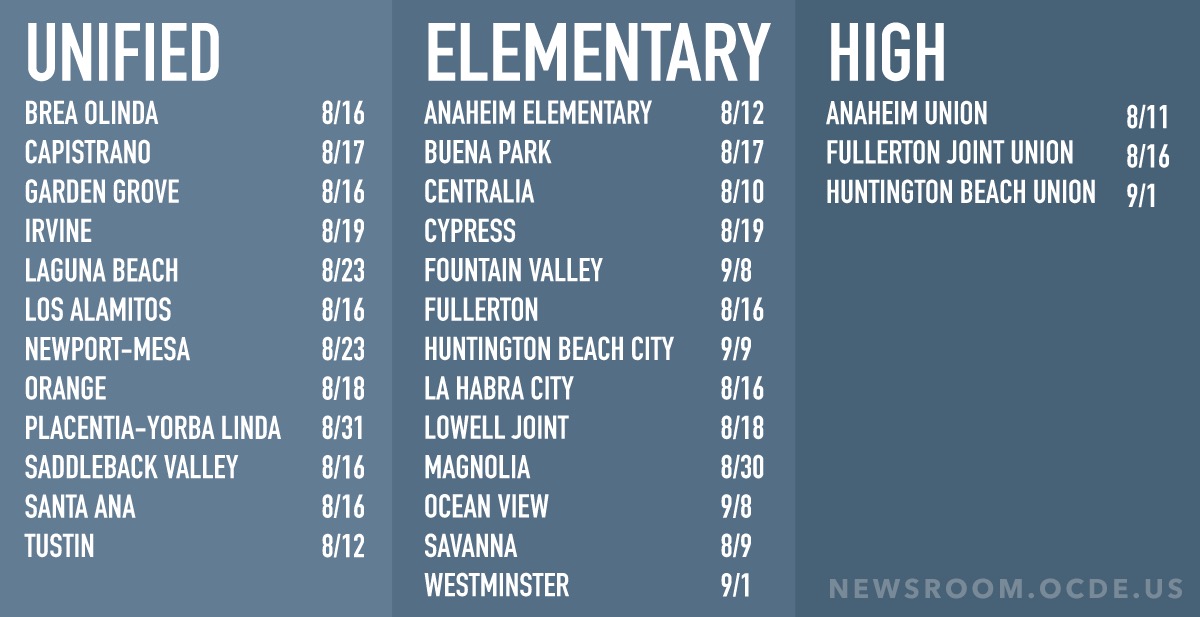
California, a state renowned for its diverse landscapes, iconic landmarks, and vibrant lifestyle, attracts millions of visitors annually. From the sun-drenched beaches of San Diego to the towering redwoods of Northern California and the bustling metropolises of Los Angeles and San Francisco, there’s an endless array of destinations. However, the timing of your visit can dramatically alter your experience. Traveling during peak school holidays often means battling larger crowds at popular attractions like Disneyland Park or Universal Studios Hollywood, and facing higher prices for hotels, flights, and activities. Conversely, a trip planned during the “shoulder seasons” or mid-semester can offer a more relaxed atmosphere, better deals on accommodation, and a deeper immersion into local culture. This article delves into the nuances of California school calendars, revealing how this seemingly simple fact holds the key to optimizing your travel, tourism, and lifestyle choices within the Golden State.
Navigating California’s Diverse School Calendars
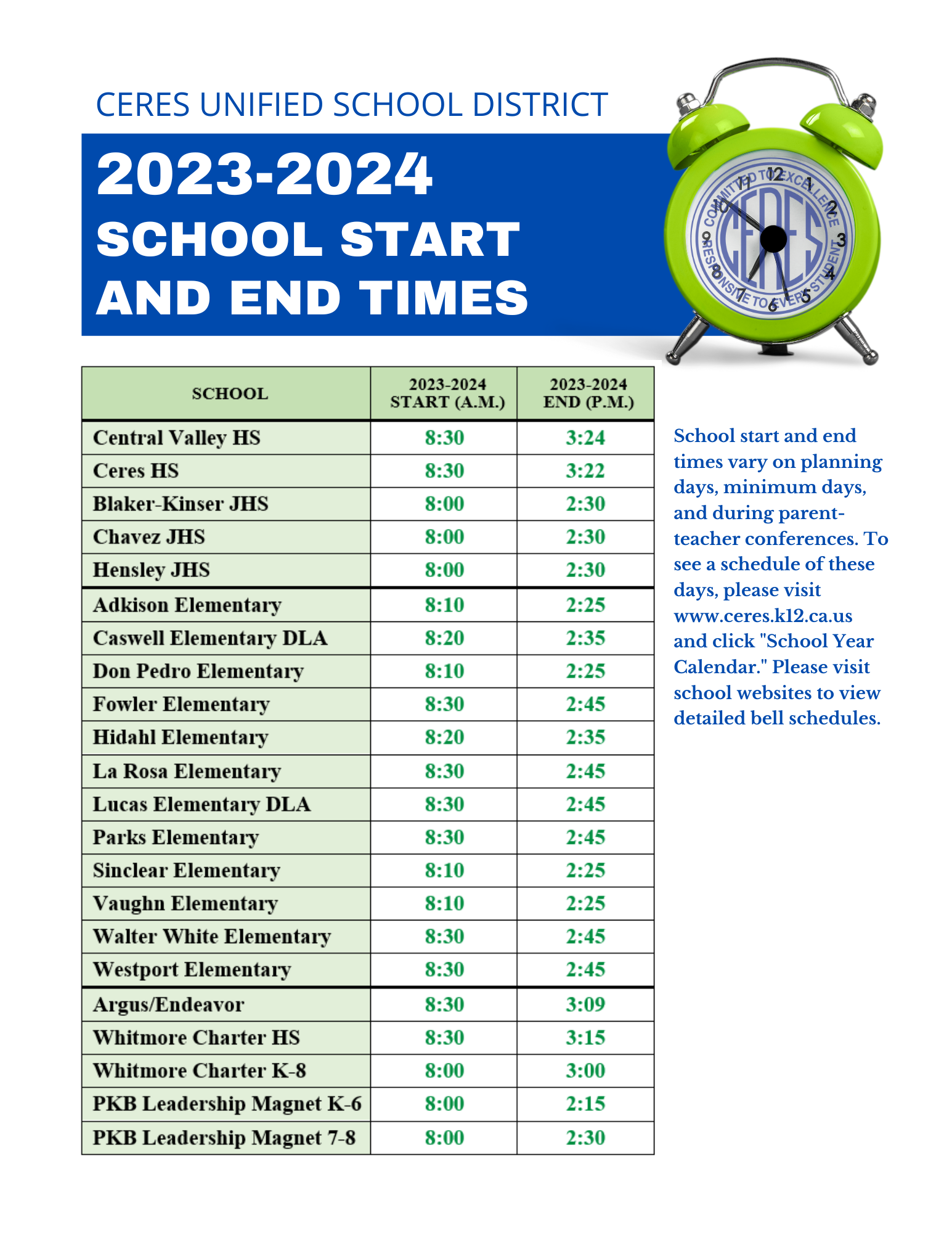
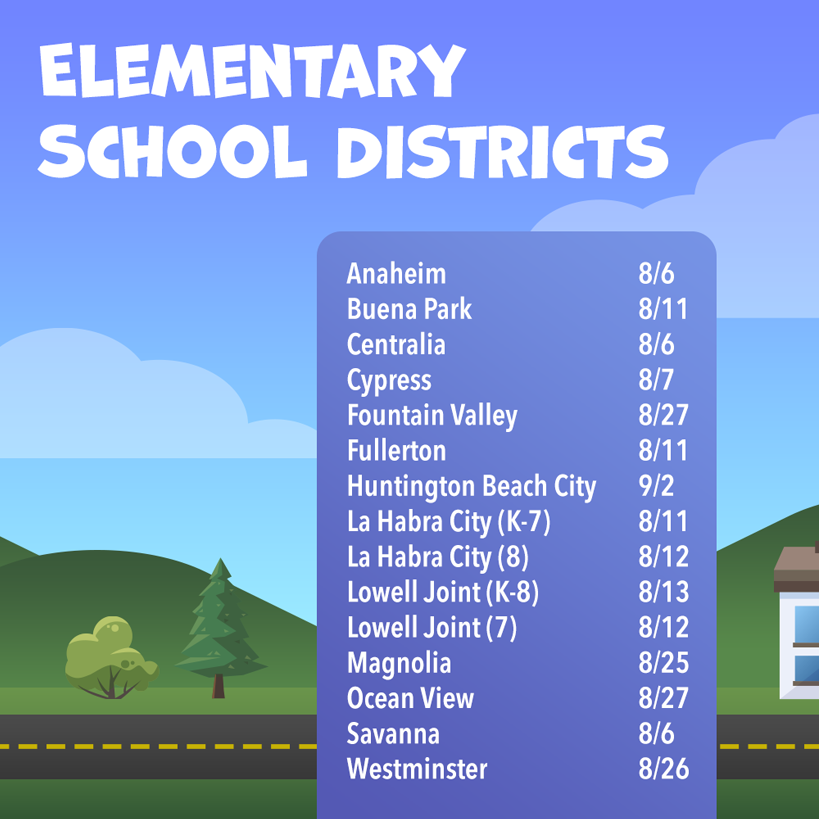
Unlike a monolithic national standard, school start dates in California exhibit a fair amount of variation, largely dependent on individual school districts. This decentralization creates both complexity and opportunity for travelers. Understanding the general trends and specific exceptions is key to effective planning.
The General Back-to-School Timeline
The vast majority of public and private schools in California adhere to a traditional academic calendar, which typically sees students returning to classrooms in mid-to-late August. While the exact date can shift slightly year-to-year and district-to-district, this period marks the end of the long summer break and the beginning of a new school year. For instance, major districts such as the Los Angeles Unified School District (LAUSD), the San Diego Unified School District, and the San Francisco Unified School District usually aim for an August start, often in the second or third week. This pattern is fairly consistent across the state, from the northern wine regions of Napa Valley to the southern deserts near Palm Springs.
This August start date is pivotal for tourism. It signals the winding down of the peak summer travel season, particularly for families with school-aged children. As students head back to school, the crowds at family-centric attractions begin to thin, and the intense demand for accommodation in popular destinations like Anaheim or coastal resorts like those in Santa Barbara and Laguna Beach starts to subside. For travelers without school-age dependents, or those opting for a more flexible lifestyle, this transition period offers an excellent window for travel. You can often enjoy pleasant weather without the intense summer heat, experience shorter lines at landmarks like the Golden Gate Bridge or Alcatraz Island, and find more favorable rates for hotels and vacation rentals.
Understanding Year-Round Schedules and Intersessions
While the traditional calendar dominates, a minority of California schools operate on a year-round schedule. This model aims to reduce “summer learning loss” and often utilizes the school facilities more efficiently. In a year-round system, students attend school for shorter periods interspersed with more frequent, shorter breaks, known as “intersessions.” These schedules vary significantly, with different “tracks” of students having different attendance and break patterns.
For travelers, especially those seeking to avoid crowds, identifying districts on year-round schedules can be particularly insightful. While a specific year-round school’s break might not coincide with the broader August/September return, these intersessions can create micro-peak periods in local attractions. However, because year-round schedules are less common and more staggered, their impact on statewide tourism trends is generally less pronounced than the traditional August rush. If you’re planning a trip during an unusual time and notice a sudden spike in local activity or accommodation prices, it might be worth checking if a major local district is on a year-round calendar and experiencing a break. For the most part, though, the traditional August start remains the primary signal for changes in the California travel landscape.
The Impact of School Schedules on California Travel and Tourism
The rhythm of California’s academic calendar directly dictates the ebb and flow of its tourism industry, creating distinct peak and shoulder seasons that savvy travelers can leverage to their advantage. From bustling attractions to serene natural escapes, school schedules hold significant sway over the travel experience.
Peak Seasons: Summer and Major Holidays
The period from late June through mid-August is unequivocally California’s peak travel season, primarily driven by the long summer break enjoyed by most schools across the United States. During this time, families flock to the state’s renowned theme parks, coastal cities, and national parks. Attractions like Disneyland Park in Anaheim, Universal Studios Hollywood in Hollywood, the Santa Monica Pier, and San Diego Zoo see maximum attendance, leading to longer wait times, crowded pathways, and a generally more frenetic atmosphere.
This surge in demand translates directly into higher prices for virtually all aspects of travel. Hotels, especially resorts and family-friendly suites in popular destinations, command premium rates. Accommodation options, from luxury villas to budget-friendly apartments, become scarcer, necessitating early booking, sometimes months in advance. Airfares to major California airports like Los Angeles International Airport (LAX) or San Francisco International Airport also climb, and even car rental prices can increase.
Beyond the summer, other major school breaks — Thanksgiving, Winter Break (late December through early January), and Spring Break (typically March or April) — also create mini-peak seasons. These periods see a renewed surge in travel, particularly to ski resorts in Lake Tahoe or Mammoth Lakes during winter, or warmer coastal destinations for Spring Break. If your travel plans coincide with these traditional holiday windows, be prepared for increased costs and crowds, and prioritize booking your hotels and activities well in advance.
Embracing Shoulder Seasons: The Savvy Traveler’s Secret
For those with flexible schedules, the “shoulder seasons” — the periods immediately before and after the peak summer rush, and between major holidays — offer an unparalleled California travel experience. These typically include September through November (post-summer, pre-Thanksgiving) and January through May (post-New Year, pre-summer, excluding Spring Break).
During these times, the absence of widespread school holidays means significantly fewer crowds at popular attractions. Imagine exploring Yosemite National Park’s iconic vistas with more tranquility, or strolling along the Santa Cruz Beach Boardwalk without the summer throngs. This reduction in demand has a direct and positive impact on accommodation. Hotels, resorts, and even boutique guesthouses often offer more attractive rates, making luxury travel more accessible or allowing budget travelers to stretch their funds further. You might find better deals on suites, apartments, or even long-term stay options, especially in cities like San Jose or Sacramento.
Moreover, the weather in California during the shoulder seasons is often ideal. September and October bring warm, sunny days and cooler evenings, perfect for exploring Big Sur along the Pacific Coast Highway or enjoying wine tasting in Sonoma Valley. Spring offers a burst of wildflowers in desert landscapes like Joshua Tree National Park and pleasant temperatures for city exploration. Traveling during these times not only enhances the tourism experience with fewer queues and more personal space but also allows for a deeper engagement with local culture, as many festivals and events cater to a local audience rather than just tourists. It’s a prime example of how understanding the school calendar can elevate your lifestyle choices, enabling more relaxed and enriching journeys.
Planning Your California Getaway: Accommodation, Activities, and Budget
Strategic planning is paramount when orchestrating a trip to California, especially when considering the fluctuating impact of school schedules. By aligning your travel dates with optimal periods, you can significantly enhance your experience, manage your budget more effectively, and choose accommodation that best suits your needs.
Smart Booking Strategies for Every Budget
Your choice of accommodation and how you book it can make or break your California vacation, particularly when school calendars dictate demand. During peak seasons, such as summer or major school holidays, booking well in advance (6-12 months for high-demand properties) is not just recommended, it’s essential. Top-tier resorts, themed hotels like the Legoland California Hotel, or family-centric properties like Great Wolf Lodge often sell out quickly. For those seeking luxury travel, securing a premium suite or a private villa early can ensure availability and potentially better rates than last-minute scrambles. Budget travelers, too, benefit from early booking during peak times, as the most affordable rooms are often the first to go.
Consider a diverse range of accommodation options. While traditional hotels offer convenience, vacation rentals through platforms like Airbnb or VRBO can provide more space, especially for families, and often include kitchen facilities which can significantly cut down on dining costs. These are particularly popular in areas like La Jolla, Carmel-by-the-Sea, or near Disneyland Park. For longer stays or business trips coinciding with school breaks, serviced apartments or extended-stay hotels in cities like Oakland or Long Beach might be more practical and cost-effective.
Conversely, during shoulder seasons (post-August back-to-school, pre-holiday), more flexibility opens up. Hotels and resorts often run promotions, and it’s possible to snag last-minute deals on higher-end accommodations. This is an excellent time for budget travel, as you can often enjoy luxury amenities at a fraction of the peak season price. Comparison websites become particularly useful, allowing you to weigh options for suites, resorts, and even unique boutique hotels in charming towns like Solvang or Ojai. Keep an eye out for packages that bundle accommodation with attraction tickets or dining credits, which can offer further savings.
Experiencing California Beyond the Crowds
One of the greatest advantages of traveling during off-peak or shoulder seasons, largely dictated by school schedules, is the opportunity for a more authentic and less hurried California experience. Without the crush of summer tourists, you can truly soak in the local culture, explore hidden gems, and enjoy landmarks in a more intimate setting.
Imagine visiting the Monterey Bay Aquarium with fewer school groups, or exploring the historic missions in San Juan Capistrano and Pasadena at your own pace. California’s national parks, such as Sequoia National Park or Death Valley National Park, become sanctuaries of peace and natural beauty, far from the summer throngs. This period is ideal for road trips along the Pacific Coast Highway, allowing for leisurely stops at viewpoints and small coastal towns without struggling for parking or crowded eateries.
For those interested in unique activities, shoulder seasons often coincide with local harvest festivals in Napa Valley and Sonoma Valley, or art and music events that cater more to residents than tourists. It’s a chance to engage with the true “lifestyle” of California, whether that means exploring independent galleries in Santa Cruz, enjoying farm-to-table dining experiences in Mendocino, or hiking pristine trails in Big Bear Lake. This deliberate choice of timing transforms a mere visit into an immersive travel experience, allowing for deeper connection with the destination and its people, making your California adventure truly memorable.
Key Dates and Considerations for California Visitors
Understanding the school calendar in California extends beyond just the initial start date; it encompasses a broader awareness of all significant breaks that punctuate the academic year. These periods are equally important for anticipating travel patterns, budgeting, and ensuring an optimal visitor experience, especially for families planning trips.
Beyond Start Dates: Important School Breaks
While the back-to-school rush in August is a major indicator of shifting tourism trends, several other key breaks throughout the year create predictable mini-peak seasons:
- Thanksgiving Break (Late November): This short but impactful break sees a surge in domestic travel, especially for family gatherings. Expect increased road traffic, busy airports, and higher prices for accommodation, particularly in regions known for holiday festivities or short getaways, such as Paso Robles wine country or coastal cities. Many California’s National Parks remain popular for those seeking outdoor experiences before winter truly sets in.
- Winter Break (Late December – Early January): This is one of the longest school holidays after summer, coinciding with Christmas and New Year’s. Demand for travel and accommodation, especially in major cities like San Francisco and Los Angeles, theme park destinations like Anaheim, and ski resorts in Lake Tahoe or Mount Shasta, reaches near-summer levels. Hotels, particularly those offering festive amenities, are often fully booked well in advance. Luxury travel experiences, such as stays at high-end resorts, become extremely competitive.
- Spring Break (Typically March or April): Varies widely by district but generally falls within a two-to-three-week window. Coastal destinations, particularly in Southern California like San Diego Beaches and Newport Beach, become hotspots for college students and families seeking warmer weather. Theme parks like Knott’s Berry Farm or Six Flags Magic Mountain also see increased crowds. Accommodation prices can jump significantly in these areas during their respective Spring Break weeks.
Staying informed about these specific dates is crucial for anyone planning a trip, particularly if you aim for specific activities or budget goals. Consulting individual school district calendars for specific dates can provide the most precise insights, although general patterns are usually sufficient for broader travel planning.
Leveraging School Calendars for Unique Travel Experiences
For the truly savvy traveler, the school calendar isn’t a restriction but a roadmap to unique and fulfilling experiences. Beyond simply avoiding crowds, understanding these rhythms allows for intentional travel choices that align with specific lifestyle preferences.
Consider an extended stay in a picturesque California town during a shoulder season. With fewer tourists, you might find better rates for long-term apartment rentals or boutique hotels, transforming a short trip into a temporary “local living” experience. Imagine spending a month in Santa Cruz in October, enjoying mild weather, surfing, and local events without the summer crush. This is ideal for digital nomads or those embracing a flexible work-from-anywhere lifestyle, who can leverage quieter periods to explore destinations like the Central Coast or the Sierra Nevada foothills.
Furthermore, traveling during off-peak times provides opportunities for deeper cultural immersion. Local markets, small museums, and community events often feel more authentic when not overwhelmed by tourists. You might engage more meaningfully with local residents, uncover hidden culinary gems, or stumble upon unique artistic performances that define the local culture, rather than just the tourist façade. Exploring landmarks like Hearst Castle or The Getty Center becomes a more contemplative and enriching experience when you’re not jostling for views.
Ultimately, knowing when California schools start, and when their breaks occur, empowers you to tailor your travel plans precisely. Whether you’re seeking an adrenaline-fueled family adventure during the height of summer, a serene luxury retreat in the autumn vineyards, or a budget-conscious exploration of California’s diverse landscapes in the spring, the school calendar is an invaluable guide. It transforms a simple travel decision into an informed strategic choice, leading to more enjoyable, personalized, and often more affordable journeys across the Golden State.
LifeOutOfTheBox is a participant in the Amazon Services LLC Associates Program, an affiliate advertising program designed to provide a means for sites to earn advertising fees by advertising and linking to Amazon.com. Amazon, the Amazon logo, AmazonSupply, and the AmazonSupply logo are trademarks of Amazon.com, Inc. or its affiliates. As an Amazon Associate we earn affiliate commissions from qualifying purchases.