
For many, the mention of “taxes” conjures images of endless paperwork, complex forms, and the looming stress of deadlines. However, in the grand tapestry of a well-lived life, managing your financial responsibilities, including filing your state tax return in California, is not merely a chore but a foundational pillar. It’s the necessary step that underpins the freedom to explore breathtaking destinations, indulge in unique experiences, and truly immerse yourself in the vibrant lifestyle that the Golden State offers, from the sun-drenched beaches of Southern California to the majestic forests of Northern California.

This guide aims to demystify the process of mailing your California state tax return, framing it not just as a compliance task but as an integral part of your personal finance strategy that empowers your travel aspirations. Whether you’re a long-term resident enjoying the perks of life in Los Angeles, a digital nomad temporarily residing in a chic Palm Springs Villa, or a business traveler frequently moving between San Francisco and San Diego, understanding where and how to send your tax documents is paramount. By taking care of these essential administrative duties, you unlock greater peace of mind, allowing you to focus on discovering charming boutique hotels, savoring local cuisine, and creating unforgettable memories across the globe.
Understanding California Residency and Its Travel Implications
The concept of residency is perhaps one of the most crucial elements when determining your state tax obligations, especially for individuals with dynamic lifestyles that involve frequent travel, temporary relocation, or remote work from various locations. California’s tax laws on residency are notoriously comprehensive, aiming to encompass individuals who benefit from the state’s infrastructure and amenities. For those who frequently check into hotels or maintain multiple residences, clarity on this matter is not just about compliance, but about avoiding unnecessary complications that could detract from your travel plans or financial well-being.
Defining Your Tax Home: More Than Just a Mailing Address
Your “tax home” isn’t merely where you receive mail; it’s a complex determination based on where you habitually live, work, and conduct your life’s affairs. For travelers, digital nomads, and those who split their time between multiple states or even countries, establishing or refuting California residency can significantly impact their tax liability. The California Franchise Tax Board (FTB) considers various factors, including the location of your permanent home, family, business interests, and even where your personal belongings are stored.
Imagine spending several months each year enjoying the sun in Malibu at a luxurious beachfront property, then relocating for a few months to a Tahoe Cabin for winter sports, and perhaps venturing overseas to Europe or Asia for extended travel. Each of these scenarios can influence your residency status. If California is determined to be your domicile—your true, fixed, and permanent home—then all your income, regardless of its source, is subject to California state income tax. Conversely, if you establish domicile elsewhere but spend significant time in California, you might be considered a “resident for tax purposes” if your physical presence exceeds certain thresholds, often tied to a “temporary or transitory purpose.”
Understanding these nuances is crucial. Incorrectly assessing your residency status can lead to penalties, interest, and the cumbersome process of amending returns – a scenario no one wants, especially when planning a stay at a Luxury Resort or embarking on an exotic journey. For instance, a long-term stay at the iconic Hotel del Coronado in San Diego might seem like a vacation, but if it extends past 6 months and other factors align, it could draw the attention of the FTB.
The Golden State’s Allure: Why Residency Matters for Tax Planning and Travel
California’s magnetic appeal – from the tech hubs of Silicon Valley to the serene vineyards of Napa Valley – attracts millions. This vibrant tapestry of opportunities and breathtaking landmarks makes it a desirable place to live, work, and play. However, this allure comes with one of the nation’s most progressive tax systems. Thoughtful tax planning, especially concerning residency, is therefore not just a financial obligation but a strategic component of maximizing your ability to enjoy what the Golden State has to offer.
For example, a freelancer or entrepreneur based in California who earns income while traveling internationally still needs to report that income to California, regardless of where the work was performed. Conversely, someone who genuinely establishes residency in another state or country can potentially reduce their California tax burden, freeing up more resources for booking dream accommodations at places like the Four Seasons Resort The Biltmore Santa Barbara or exploring the wonders of Yosemite National Park. Proper residency determination prevents unexpected tax bills that could derail travel plans to see the Hollywood Sign or visit Disneyland, ensuring that your financial journey is as smooth as your travel itinerary.
The Essential Details: Mailing Your California State Tax Return
Once you’ve navigated the complexities of residency and prepared your tax documents, the practical step of mailing your return comes into play. While electronic filing has become the preferred method for many, physical mail remains a valid and necessary option for some taxpayers. Accuracy in addressing your envelope is as critical as the figures on your return; a misplaced decimal or an incorrect zip code can cause significant delays, potentially leading to penalties and missed travel opportunities due to administrative headaches.
Decoding the Franchise Tax Board’s Mailing Addresses
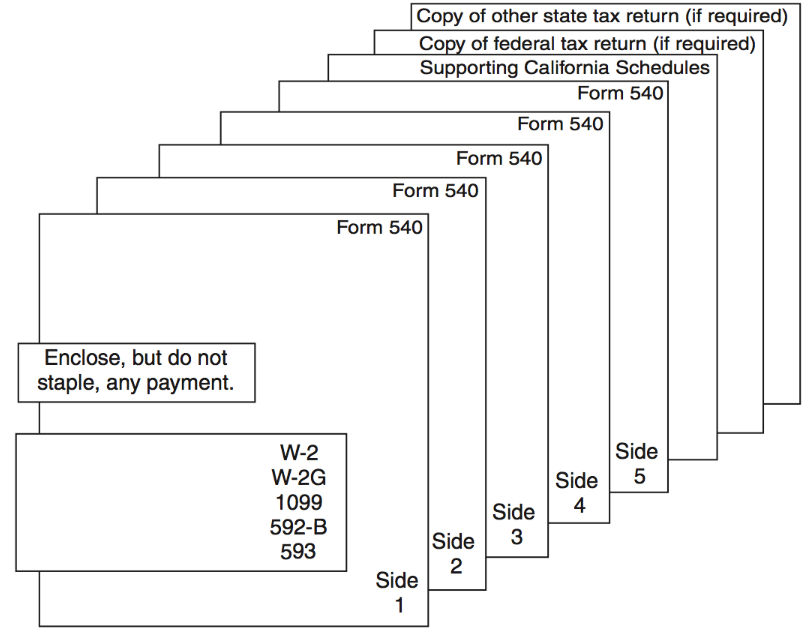
The California Franchise Tax Board (FTB) uses different mailing addresses depending on whether you are enclosing a payment with your return, filing an estimated tax, or submitting an amended return. This specificity is crucial to ensure your documents reach the correct department for processing. Always consult the official FTB instructions for the current tax year, as addresses can occasionally change. However, generally, the primary addresses are structured as follows:
- For Returns With Payment:
- Franchise Tax Board
PO Box 942867
Sacramento CA 94267-0001 - This address is for taxpayers who owe money to the state and are enclosing a check or money order with their Form 540 (Individual Income Tax Return). Using the correct PO Box ensures your payment and return are processed together, minimizing delays.
- Franchise Tax Board
-
For Returns Without Payment:
- Franchise Tax Board
PO Box 942840
Sacramento CA 94240-0001 - If you’re due a refund or your tax liability is zero, use this address. Separating these helps the FTB streamline processing.
- Franchise Tax Board
-
For Estimated Tax Payments (Form 540-ES):
- Franchise Tax Board
PO Box 942867
Sacramento CA 94267-0008 - Estimated tax payments are crucial for freelancers, business owners, and those with significant income not subject to withholding. Missing these can result in underpayment penalties.
- Franchise Tax Board
-
For Amended Returns (Form 540X):
- Franchise Tax Board
PO Box 942840
Sacramento CA 94240-0001 (typically the same as no payment, but always verify) - If you discover an error after filing, an amended return corrects the record.
- Franchise Tax Board
Always double-check the year-specific instructions in your tax booklet or on the official FTB website. Mailing your return from anywhere, whether you’re staying at the Grand Californian Hotel & Spa after a Disneyland adventure or working remotely from a serene retreat like the Post Ranch Inn Big Sur, requires careful attention to these details. Remember, the postmark date is usually what counts for meeting deadlines, so plan to mail your return well in advance, especially if you’re traveling.
Beyond Snail Mail: Exploring Digital Filing Options for the Modern Traveler
While mailing your tax return is a time-honored tradition, the modern world offers faster, more secure, and often more convenient alternatives, especially appealing to those with a mobile lifestyle. Electronic filing, or e-filing, through approved software or the FTB’s ReadyReturn service, provides immediate confirmation of receipt and often expedites refund processing.
For the intrepid traveler, the ability to e-file from virtually anywhere with an internet connection is a game-changer. Imagine completing your taxes while enjoying a morning coffee overlooking the Golden Gate Bridge from the Fairmont San Francisco, or after a round of golf at The Lodge at Pebble Beach. This flexibility means you don’t have to cut your vacation short or postpone an important business trip to handle tax matters. E-filing minimizes the risk of postal delays, lost mail, or transcription errors, adding an extra layer of security and convenience that aligns perfectly with a dynamic, on-the-go existence.
Using reputable tax software allows you to file both your federal and California state returns simultaneously, guiding you through the process with step-by-step instructions. Many platforms also offer direct deposit for refunds, putting your money back into your travel fund faster. For simple returns, the FTB’s free ReadyReturn service might be an option, pre-filling much of your information, requiring only a review and submission. Embracing these digital solutions ensures that managing your taxes remains a seamless part of your overall lifestyle, rather than a disruption.
Proactive Tax Management: Securing Your Financial Freedom for Future Adventures
Effective tax management is not a once-a-year event; it’s an ongoing discipline that significantly contributes to your financial health and, by extension, your ability to indulge in your passions, whether they be extensive travel, luxury accommodations, or exploring new tourism opportunities. By adopting proactive strategies, you can minimize stress, avoid unexpected financial burdens, and ensure that your resources are always available for your next adventure, from a spontaneous weekend at The Ritz-Carlton, Laguna Niguel to an ambitious trip across Asia.
Keeping Meticulous Records While You Explore
For individuals with varied income streams, business expenses related to travel, or multiple residencies, maintaining impeccable records throughout the year is non-negotiable. This is particularly true for digital nomads, remote workers, or entrepreneurs who might be deducting expenses related to their travels, such as stays at hotels, transportation, and meal costs.
Leverage cloud-based accounting software, digital receipt apps, and online banking tools to track income and expenses in real-time. Whether you’re enjoying the amenities at Terranea Resort or attending a conference in Beverly Hills and staying at the Viceroy L’Ermitage Beverly Hills, immediately digitize important receipts and documents. This practice ensures that when tax season arrives, all the necessary information is readily accessible, organized, and accurate, regardless of your physical location. Think of it as creating a digital passport for your finances, making your annual tax filing as smooth as checking into a pre-booked suite at a five-star hotel. Such diligence not only simplifies the filing process but also provides a clear financial overview, enabling better budgeting for future journeys and investment in premium travel experiences.

Seeking Professional Guidance: A Smart Investment for Complex Lifestyles
While self-filing is suitable for many, those with intricate financial situations, significant assets, multi-state or international income, or complex residency questions benefit immensely from professional tax advice. A qualified tax professional specializing in California tax law and multi-jurisdictional issues can offer invaluable guidance, ensuring compliance while optimizing your tax position. They can help navigate the nuances of California’s tax code, advise on deductible expenses for your travel-related work, and clarify residency rules that could significantly impact your liabilities.
Consider this an investment in your peace of mind and financial security. With an expert handling the complexities, you can devote more energy to planning your next adventure, whether it’s exploring the historic landmarks of Europe, enjoying the natural beauty of the Wine Country, or simply unwinding without the burden of tax worries. Their expertise can save you time, prevent costly errors, and potentially identify deductions or credits you might have overlooked, effectively “funding” part of your next amazing trip.
In conclusion, successfully navigating where to mail your California state tax return, or opting for efficient e-filing, is more than just fulfilling a civic duty. It is a fundamental component of a responsible and rewarding lifestyle, especially for those who cherish the freedom of travel and exploration. By understanding residency rules, meticulously managing records, and utilizing available resources, you transform tax season from a dreaded chore into a manageable process that solidifies your financial foundation, allowing you to confidently pursue new destinations and unforgettable experiences across the globe. So, take care of your taxes, and then, truly live out of the box.
LifeOutOfTheBox is a participant in the Amazon Services LLC Associates Program, an affiliate advertising program designed to provide a means for sites to earn advertising fees by advertising and linking to Amazon.com. Amazon, the Amazon logo, AmazonSupply, and the AmazonSupply logo are trademarks of Amazon.com, Inc. or its affiliates. As an Amazon Associate we earn affiliate commissions from qualifying purchases.