
The question of why California wields more electoral power than Texas is fundamentally a question of demographics and the foundational principles of the United States electoral system. While both states are economic powerhouses, cultural trendsetters, and top-tier travel destinations, their distinct population trajectories and historical growth have shaped their influence on the national political stage. Beyond the ballot box, the very factors that draw millions to live and work in these states—from vibrant cities and stunning landmarks to diverse lifestyles and thriving economies—are precisely what determines their standing in the Electoral College. Understanding this disparity offers a fascinating lens through which to view the evolution of American society, the allure of different regions, and the intricate relationship between population, prosperity, and political clout.

The Foundation of Representation: Population and the Electoral College
At the heart of the electoral vote count lies the principle of population-based representation, a cornerstone of American democracy. The Electoral College system, while often debated, assigns a number of electoral votes to each state largely proportional to its population. This means that states with larger populations command a greater number of votes in presidential elections, directly reflecting their demographic weight.
Understanding the Electoral College Mechanism
The Electoral College consists of 538 electors, a number derived from the total number of members of Congress: 435 Representatives (who are apportioned by population) plus 100 Senators (two per state, regardless of size) and three electors for the District of Columbia. Each state’s electoral vote count is the sum of its congressional representation (Representatives + Senators). Because every state receives two senators, the proportional distribution comes primarily from the allocation of House seats. Consequently, a state like California, with its vast population, boasts a significantly higher number of House Representatives, and thus more electoral votes, than a less populous state. This system ensures that while every state has a voice, larger states have a proportionally louder one in presidential elections.
The Census and Reapportionment: A Demographic Snapshot
The crucial mechanism that adjusts this representation every decade is the U.S. Census. Mandated by the Constitution, the Census counts every resident in the United States every ten years. The results of this comprehensive demographic survey are then used for congressional reapportionment, which is the process of reallocating the 435 seats in the House of Representatives among the states. States that have experienced significant population growth may gain seats, while those with slower growth or population decline may lose them. This decennial redistribution directly impacts the number of electoral votes each state holds for the subsequent ten years, making population growth a direct driver of political influence.
Following the 2020 Census, California saw its electoral votes decrease for the first time in its history, dropping from 55 to 54. This slight decline, while still leaving it as the most electorally powerful state, signaled a shift in demographic trends. Texas, by contrast, gained two electoral votes, moving from 38 to 40, reflecting its robust and ongoing population boom. Despite California’s recent slight dip, its historical and current population advantage remains substantial, which is why it continues to hold a lead in electoral votes over Texas. The reasons behind these divergent demographic paths are deeply intertwined with the unique appeal, economic opportunities, and lifestyle offerings that each state presents to both residents and visitors.
California’s Demographic Magnet: Lifestyle, Innovation, and Natural Wonders
California, often known as the Golden State, has historically been a magnet for migration, drawing individuals from across the globe with its promise of innovation, diverse industries, and an unparalleled quality of life. This sustained influx of people has fueled its massive population, solidifying its status as the most populous state and, consequently, the state with the most electoral votes. The allure of California isn’t just about jobs; it’s about a distinct lifestyle, a vibrant culture, and an incredible array of natural beauty that makes it a top destination for both long-term residents and transient travelers.
Golden State Allure: From Silicon Valley to Hollywood
California’s economic landscape is extraordinarily diverse, creating countless opportunities that attract a skilled workforce. Silicon Valley, centered around cities like Palo Alto, is the global epicenter of technology and innovation, home to countless startups and tech giants. This region alone generates immense wealth and attracts top talent from around the world, contributing significantly to the state’s population density. Further south, Hollywood in Los Angeles reigns as the heart of the entertainment industry, drawing aspiring artists, filmmakers, and creatives. The glamorous lifestyle associated with Hollywood, coupled with world-class attractions like Universal Studios Hollywood and the star-studded streets of Beverly Hills, adds to the state’s magnetic appeal.
Beyond these two major hubs, California boasts a robust agricultural sector in its Central Valley, a thriving tourism industry along its coastlines, and a burgeoning renewable energy sector. The presence of prestigious universities like Stanford University, University of California, Berkeley, and University of California, Los Angeles also attracts students and researchers, many of whom choose to stay in the state after graduation, further bolstering its population and innovative spirit.
Diverse Landscapes and Travel Experiences
One of California’s most compelling draws is its incredibly diverse geography, offering an almost unparalleled variety of travel experiences. From the sun-drenched beaches of Santa Monica and Malibu to the towering peaks of the Sierra Nevada and the serene beauty of Lake Tahoe, the state is a playground for outdoor enthusiasts. Iconic national parks like Yosemite National Park, Joshua Tree National Park, and Death Valley National Park attract millions of visitors annually, showcasing nature’s majesty.
The state’s famed Pacific Coast Highway offers one of the world’s most scenic drives, connecting charming coastal towns like Santa Barbara, Monterey, and Carmel-by-the-Sea. Inland, the wine regions of Napa Valley and Sonoma are world-renowned for their vineyards and luxurious resorts, offering exquisite culinary experiences. This rich tapestry of natural beauty and leisure activities not only attracts tourists but also provides a high quality of life for residents, making California a desirable place to settle down.
Urban Centers and Accommodation Choices
California’s major urban centers are vibrant hubs of culture, commerce, and tourism, each with its unique character. Los Angeles, the largest city, offers everything from theme parks like Disneyland Park and Universal Studios Hollywood to world-class museums and Michelin-starred restaurants. San Francisco is famous for its iconic Golden Gate Bridge, historic cable cars, and tech-driven economy. San Diego, known for its beautiful beaches and laid-back vibe, offers a different coastal experience.
These cities, along with others like Sacramento, Oakland, Long Beach, Anaheim, Palm Springs, and Ventura, provide a diverse range of accommodation options to suit every budget and style. From luxury hotels and boutique resorts in Beverly Hills and Napa Valley to charming villas in Laguna Beach and budget-friendly apartments in San Jose, the state caters to a massive influx of tourists and business travelers. The robust tourism sector, driven by these attractions and diverse hospitality offerings, contributes to the state’s economic vitality and its overall appeal as a place to live, reinforcing its demographic advantage.
Texas’s Rising Star: Growth, Culture, and Economic Hubs
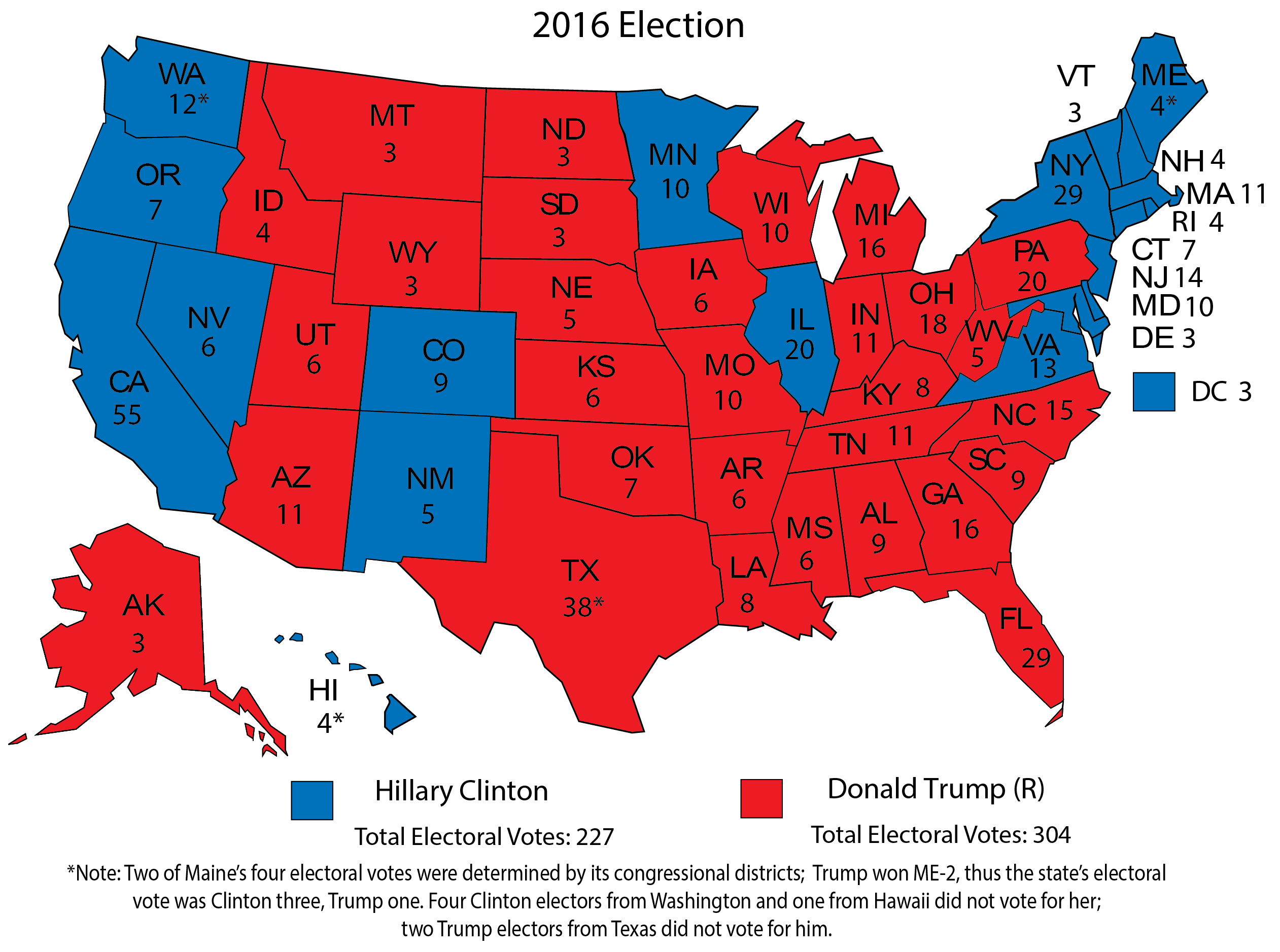
While California holds the current lead, Texas, often called the Lone Star State, has been experiencing phenomenal population growth in recent decades. This growth has translated into a significant increase in its electoral votes, positioning Texas as the second-most electorally powerful state. Its appeal lies in a different blend of economic opportunity, unique culture, and a generally lower cost of living, which attracts a steady stream of new residents seeking a different kind of American dream.
The Lone Star State’s Appeal: Business and Beyond
Texas’s economic success is largely driven by its business-friendly policies, lower taxes, and a diverse range of industries. Traditionally known for its oil and gas sector, the state has diversified significantly, becoming a major hub for technology, aerospace (with Space Center Houston being a major attraction), healthcare, and manufacturing. Many large corporations have relocated their headquarters to Texas from other states, bringing with them jobs and a new wave of residents. Cities like Austin have emerged as tech hotbeds, often dubbed “Silicon Hills,” while Dallas and Houston boast robust financial and energy sectors.
This strong economic environment, coupled with a generally more affordable cost of living compared to California, makes Texas an attractive option for families and businesses. The absence of state income tax is another significant draw, leaving more disposable income for residents, which contributes to a vibrant local economy and thriving tourism.
Exploring Texan Heritage and Modern Amenities
Texas offers a rich tapestry of history, culture, and modern amenities that provide a distinct experience for residents and tourists. From the historic Alamo and the charming Riverwalk in San Antonio to the cowboy culture of the Fort Worth Stockyards National Historic District, the state proudly showcases its unique heritage. Beyond its historical sites, Texas boasts impressive natural attractions, including the vast wilderness of Big Bend National Park and the sandy beaches of South Padre Island. The Hill Country region, with its picturesque vineyards and quaint towns like Fredericksburg and Gruene Historic District, offers a scenic escape and a growing wine tourism industry.
The state’s culinary scene is equally diverse, ranging from authentic Tex-Mex cuisine and world-famous barbecue to upscale international dining in its major cities. Festivals and events celebrating music, art, and food are commonplace, contributing to a lively cultural scene that enhances the overall lifestyle and attractiveness of the state.
Austin, Dallas, Houston: Urban Magnets
Texas’s largest cities are powerful engines of growth and cultural hubs. Houston, the most populous city in the state, is a global energy capital with a thriving port, a world-renowned Museum District that includes the Museum of Fine Arts, Houston, and a diverse culinary scene. Dallas, a major financial and business center, is known for its impressive skyline, the Dallas Arts District, and family-friendly attractions like Klyde Warren Park. Austin, the state capital and home to the University of Texas at Austin, is celebrated for its live music scene, progressive culture, and booming tech industry.
Other significant cities like Fort Worth, El Paso, Corpus Christi, Galveston, Plano, and San Antonio also contribute to the state’s demographic strength, each offering unique attractions and employment opportunities. The extensive growth in the suburban areas surrounding these major metros—places like Frisco, Irving, The Woodlands, and Sugar Land—further underscores Texas’s expansive development. For those planning a trip, the abundance of modern hotels, boutique stays, and accessible accommodation options across these cities and regions makes exploring Texas convenient and enjoyable, further supporting its burgeoning population by making it an easy and attractive place to visit and reside.
A Tale of Two Titans: Comparing Growth Trajectories and Future Projections
The demographic shifts occurring in California and Texas are not merely statistical points; they represent significant economic, social, and environmental narratives that influence not only their electoral power but also their development as premier destinations for living and travel. While California remains the giant in terms of population, its growth has decelerated, leading to its first-ever loss of an electoral vote after the 2020 Census. Texas, conversely, continues its rapid expansion, steadily gaining ground and reinforcing its position as a major player on the national stage.
Migration Patterns and Their Impact on Electoral Power
The divergence in electoral votes between California and Texas is largely attributable to distinct migration patterns. For many decades, California experienced massive internal and international migration, fueled by its booming tech, entertainment, and agricultural industries, coupled with its idyllic climate and diverse cultural offerings. However, in recent years, factors such as the high cost of living, particularly housing, increased traffic congestion, and a perceived decline in affordability, have prompted some residents to seek opportunities elsewhere. Many of these internal migrants have chosen Texas as their new home, drawn by its robust job market, lower housing costs, and business-friendly environment.
This out-migration from California, coupled with slower birth rates, has tempered its population growth. Meanwhile, Texas has benefited significantly from both domestic migration and a high birth rate, leading to its impressive demographic surge. These ongoing population movements directly influence the future reapportionment of congressional seats and, by extension, the electoral map. If current trends continue, the gap in electoral votes between these two titans could narrow further in the coming decades, reshaping the political landscape of the United States.
Investing in Infrastructure and Tourism: Attracting New Residents
Both California and Texas recognize the importance of investing in infrastructure, education, and tourism to sustain their growth and attractiveness. [California](https://lifeoutofthebox.com/california] continues to invest heavily in renewable energy, public transportation, and educational institutions, striving to maintain its edge as a global leader in innovation and environmental sustainability. Its numerous national parks, world-class theme parks like Disneyland, and iconic cities ensure a constant stream of visitors, many of whom are captivated by the lifestyle and potential the state offers. Marketing efforts consistently highlight the state’s diverse experiences, from the cultural richness of San Francisco to the natural beauty of Mendocino and the luxury resorts of Palm Desert and Indian Wells.
Texas, for its part, is pouring resources into expanding its urban centers, improving transportation networks, and developing new industries. Its burgeoning cultural scenes in cities like Austin and Dallas, combined with its rich historical sites and natural attractions, are increasingly promoted to a national and international audience. The state also emphasizes its affordable housing and strong job market as key reasons to move there. The rise of master-planned communities in areas like The Woodlands, Sugar Land, and Round Rock offers appealing residential options that cater to the needs of new residents. The presence of major universities such as Texas A&M University and the University of Texas at Austin also acts as a powerful draw for intellectual capital and future residents. Both states are actively shaping their futures, not just through policy but through the very experiences they offer to those who choose to visit or call them home, influencing their long-term population and, by extension, their electoral power.

Beyond the Ballot Box: The Enduring Appeal of California and Texas
Ultimately, the question of why California has more electoral votes than Texas boils down to historical population growth and the mechanisms of the Electoral College and the decennial Census. California’s long-standing demographic dominance, built on waves of migration drawn by its vibrant economy, innovative spirit, and unparalleled natural beauty, has cemented its position as the state with the most electoral influence. While its growth rate has moderated, its sheer size continues to give it a significant lead.
Texas, however, is undeniably a rising star. Its rapid population expansion, driven by economic opportunities, a lower cost of living, and a distinct cultural appeal, has seen it steadily gain electoral power. The ongoing demographic shifts in both states reflect their evolving identities and the diverse promises they offer to residents and visitors alike. Whether you’re drawn to the tech innovation and coastal beauty of California or the robust economy and rich heritage of Texas, both states stand as monumental pillars of American life, each offering unique experiences that transcend political metrics and continue to captivate the imagination. Their stories are a testament to the dynamic nature of the United States, where population, prosperity, and place are inextricably linked to both national representation and an endless array of travel destinations waiting to be explored.
LifeOutOfTheBox is a participant in the Amazon Services LLC Associates Program, an affiliate advertising program designed to provide a means for sites to earn advertising fees by advertising and linking to Amazon.com. Amazon, the Amazon logo, AmazonSupply, and the AmazonSupply logo are trademarks of Amazon.com, Inc. or its affiliates. As an Amazon Associate we earn affiliate commissions from qualifying purchases.