
California, the Golden State, beckons millions of travelers each year with its stunning beaches, majestic mountains, vibrant cities, and iconic landmarks. From the sun-drenched shores of Los Angeles to the fog-kissed hills of San Francisco, it’s a land of dreams and unparalleled experiences. Yet, beneath this picturesque veneer lies a geological reality that often captures headlines and ignites curiosity: California’s notorious seismic activity. Earthquakes are as much a part of the state’s identity as its Hollywood glamour or Silicon Valley innovation. For those planning a trip, seeking accommodation, or simply wondering about the lifestyle in this dynamic region, understanding why California experiences so many tremors is not just fascinating — it’s fundamental to appreciating the resilience and unique character of this beloved destination.
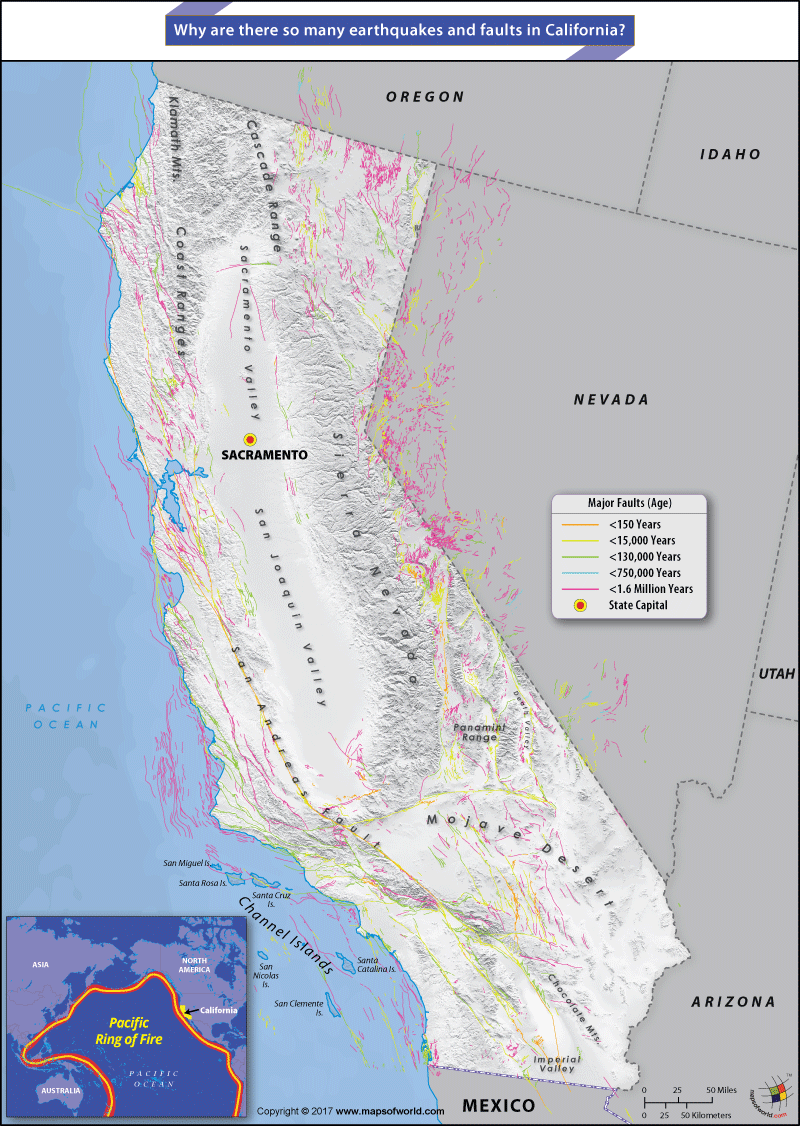
The persistent question, “Why does California have so many earthquakes?” finds its answer deep within the Earth’s crust, in the slow, inexorable dance of tectonic plates. It’s a story of colossal forces, ancient geology, and a constant reshaping of the landscape that impacts everything from urban planning to the daily lives of its residents and the safety protocols in its world-class hotels. Far from being a deterrent, this geological dynamism adds another layer to California’s allure, fostering a culture of preparedness and innovation that makes it one of the most intriguing places to live and visit.
The Tectonic Dance Beneath the Golden State
The primary reason behind California’s frequent seismic activity is its unfortunate, or perhaps fortunate, geographical position directly atop a major boundary between two of Earth’s largest tectonic plates: the Pacific Plate and the North American Plate. These colossal segments of the Earth’s lithosphere are not static; they are in constant, albeit slow, motion. The Pacific Plate, which carries much of the Pacific Ocean floor and parts of California (including the cities of Los Angeles and San Diego), is grinding northwestward relative to the North American Plate, which carries the rest of North America and parts of California to the east.
This interaction is not a smooth process. The plates move at an average rate of about 2 inches (5 centimeters) per year, roughly the same speed at which your fingernails grow. However, friction along their boundaries causes the plates to lock up, building up immense stress and energy over time. When this stress finally overcomes the friction, the plates slip past each other suddenly, releasing a burst of energy in the form of seismic waves – an earthquake. This type of plate boundary, where two plates slide horizontally past each other, is known as a transform fault.
The Ring of Fire Connection
California’s seismic story is also part of a larger global narrative: its proximity to the Pacific Ring of Fire. This horseshoe-shaped belt, spanning approximately 25,000 miles (40,000 kilometers), is home to 90% of the world’s earthquakes and 75% of its active and dormant volcanoes. It stretches from New Zealand, up through Indonesia and Japan, across the Bering Strait to Alaska, and down the western coasts of North and South America to Chile. The Ring of Fire is characterized by a series of subduction zones, where oceanic plates are forced beneath continental plates, leading to intense geological activity.
While California itself isn’t primarily a subduction zone, it’s situated at the eastern edge of the Pacific Plate, which is a key player in the Ring of Fire’s dynamics. The forces driving plate movement across this vast region contribute to the stresses and strains felt along the California coast, influencing the frequency and intensity of its earthquakes. It’s a testament to the interconnectedness of global geology, where distant plate interactions can have profound local effects, shaping the very ground beneath famous places and attractions.
California’s Major Fault Lines
The most famous and active fault line in California is undoubtedly the San Andreas Fault. This colossal fault system runs for approximately 800 miles (1,300 kilometers) through California, from the Salton Sea in the south, through the Mojave Desert and Carrizo Plain, and north towards San Francisco and beyond. It is a transform fault, marking the boundary where the Pacific Plate and North American Plate grind past each other. The San Andreas Fault isn’t a single, continuous line but rather a complex system of segments, some of which “creep” slowly and relatively harmlessly, while others are “locked” and accumulate stress for decades or centuries before releasing it in large, powerful earthquakes.
However, the San Andreas Fault is not alone. California is crisscrossed by a vast network of hundreds of other active fault lines, many of which are capable of producing significant earthquakes. Key subsidiary faults include the Hayward Fault in the San Francisco Bay Area, the San Jacinto Fault and Elsinore Fault in Southern California, the Garlock Fault in the Mojave Desert, and the Imperial Fault near the Mexico border. Each of these faults plays a role in the seismic tapestry of the state, contributing to the high frequency of tremors, both minor and occasionally major. The cumulative effect of these active fault lines is what makes California one of the most seismically active regions in the world, a unique aspect that shapes its environment and the experiences of anyone visiting or residing there.
Seismic Activity and Its Impact on California Life and Travel
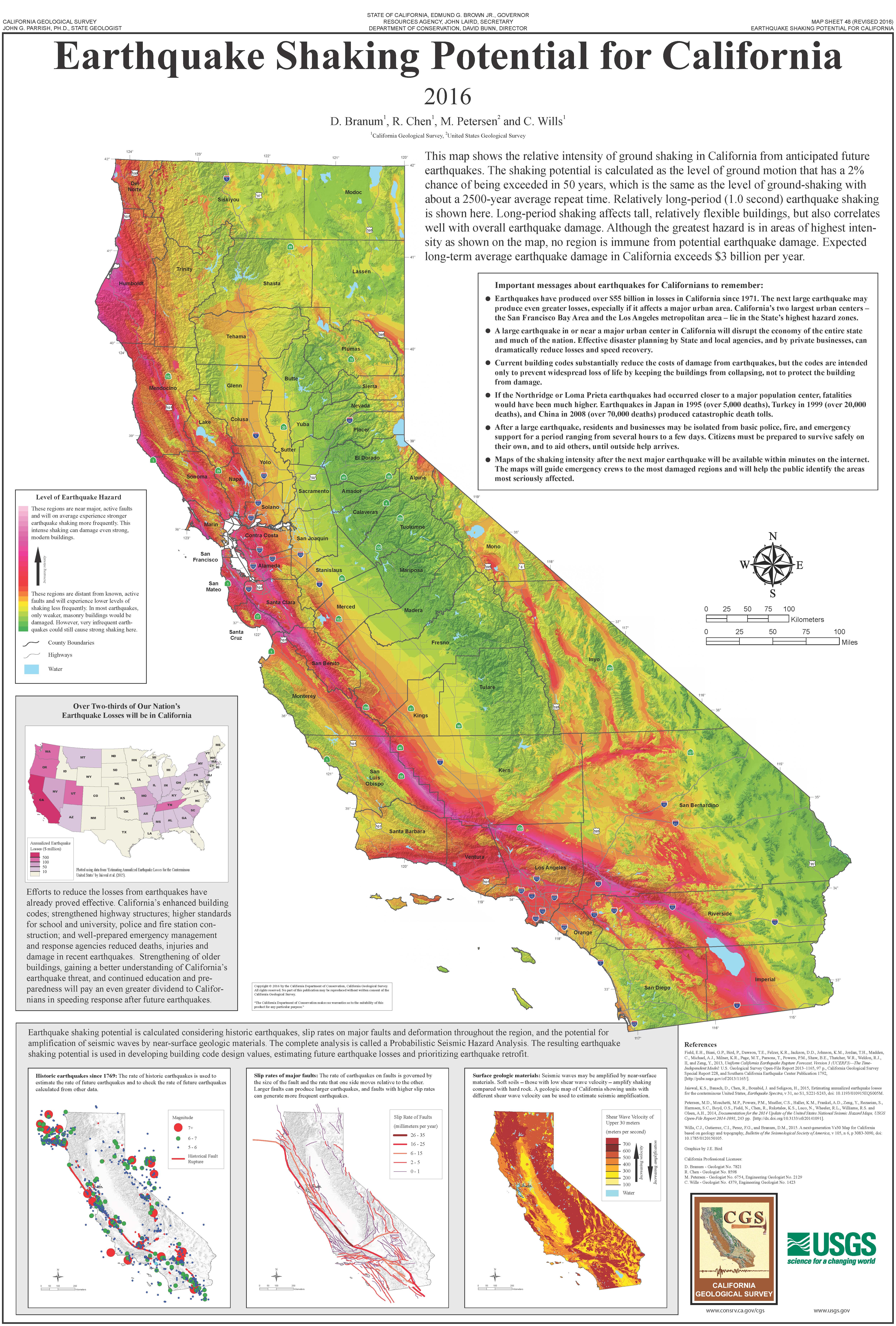
The constant seismic activity, from imperceptible tremors to occasional significant quakes, has profoundly shaped California’s infrastructure, culture, and approach to safety. It’s an inherent part of the California lifestyle, fostering a unique blend of preparedness and resilience that is often surprising to first-time visitors. This understanding is crucial for tourists and those considering accommodation, as it directly relates to travel safety and the quality of experience.
Understanding Earthquake Risk for Visitors
For travelers, the idea of visiting a region known for earthquakes can be daunting. However, it’s important to put the risk into perspective. While California experiences thousands of earthquakes annually, the vast majority are minor and go unnoticed. Significant, damaging earthquakes are relatively rare events. Nevertheless, being informed is key to a worry-free trip. Many major attractions, hotels, and public spaces in California are constructed with seismic safety in mind, adhering to stringent building codes that are among the strictest globally.
When booking accommodation, whether it’s a luxury suite in Beverly Hills or a charming boutique hotel in Napa Valley, travelers can generally be assured that buildings are designed to withstand seismic forces. Reputable hotels and resorts often have emergency plans in place, and staff are trained in safety procedures. Awareness campaigns by organizations like the United States Geological Survey (USGS) and local emergency services provide essential information for residents and visitors alike. Understanding basic “Drop, Cover, Hold On” protocols can significantly enhance personal safety during an earthquake, making the experience less frightening should one occur.
Resilient California: Building for the Future
California’s history is punctuated by major earthquakes, notably the 1906 San Francisco earthquake and the 1994 Northridge earthquake. These events, while devastating, have served as catalysts for continuous innovation in seismic engineering and urban planning. Today, California boasts some of the most advanced earthquake-resistant infrastructure in the world. Modern skyscrapers, such as the Transamerica Pyramid in San Francisco or the iconic structures in downtown Los Angeles, incorporate base isolation systems, dampeners, and flexible materials to sway with seismic forces rather than resist them rigidly.
Historic landmarks like the Golden Gate Bridge have undergone extensive retrofitting to enhance their earthquake resilience, ensuring these famous places remain safe and accessible for generations to come. Even residential buildings, through updated codes and voluntary upgrades, are becoming more resistant. This commitment to seismic safety extends to tourism infrastructure, from airports and roads to hotels and attractions. The state’s continuous investment in earthquake research and technology is a testament to its proactive approach, transforming a geological challenge into an opportunity for cutting-edge development and ensuring the longevity of its vibrant lifestyle and tourism industry.
Experiencing California Safely: Tips for Travelers and Residents
While earthquakes are an inescapable aspect of California’s natural environment, the state has developed an unparalleled culture of preparedness and resilience. This doesn’t just apply to residents but also provides a framework for visitors to enjoy their travel experiences with peace of mind.
Preparing for a Shake: What to Do
Knowing what to do during an earthquake is the most effective way to ensure personal safety. The universally recommended action is “Drop, Cover, Hold On.”
- Drop to the ground immediately.
- Cover your head and neck with your arms, and if possible, crawl under a sturdy desk or table.
- Hold On to your shelter until the shaking stops.
If no shelter is available, drop to the ground next to an interior wall and protect your head and neck. If you are outdoors, move to a clear area away from buildings, streetlights, and utility wires. If driving, pull over to a clear location and stop, staying inside your vehicle until the shaking stops.
Beyond immediate action, having a basic emergency kit (water, first aid, flashlight, whistle) is prudent, especially if you plan an extended stay or explore more remote areas. Many hotels will have information about their emergency procedures available, and familiarizing yourself with these upon check-in is a good practice. Embrace the knowledge and preparedness, rather than fear, and you’ll find that navigating California’s seismic landscape is a manageable part of its unique charm. The tourism sector, from major hotel chains to local guides, is increasingly integrating safety information seamlessly into visitor experiences, reflecting a commitment to responsible travel.

Exploring Seismic Landmarks and Educational Opportunities
Far from being a hidden aspect, California’s geology is celebrated and understood. For curious travelers, there are unique opportunities to learn more about earthquakes and plate tectonics firsthand. Many museums and science centers across the state feature exhibits on seismic activity. The California Academy of Sciences in San Francisco or the Natural History Museum of Los Angeles County often provide engaging displays on geology and earthquakes, sometimes even featuring earthquake simulators.
For a more immersive experience, you can visit areas directly impacted by the San Andreas Fault. Guided tours in regions like Palm Springs or along the Carrizo Plain offer glimpses of the fault line itself, showcasing displaced streams, sag ponds, and scarred landscapes that vividly illustrate the immense forces at play. Observing these geological features provides a tangible connection to the powerful processes beneath the Earth’s surface. Even iconic attractions like the Griffith Observatory in Los Angeles, while known for astronomy, often incorporate geology into their broader scientific education programs, allowing visitors to connect the cosmos with the Earth beneath their feet. Understanding the “why” behind California’s earthquakes enriches the travel experience, turning a potential concern into a fascinating aspect of local culture and natural history.
In conclusion, California’s reputation as earthquake country is a direct consequence of its location on the dynamic boundary between the Pacific Plate and the North American Plate, a transform fault system epitomized by the mighty San Andreas Fault and its many companions. This geological reality has not hindered California’s development; instead, it has fostered a profound culture of innovation, resilience, and preparedness. For travelers, this means visiting a state where safety is paramount, infrastructure is robust, and opportunities for understanding the natural world are abundant. From world-class hotels built to withstand tremors to educational landmarks that explain the Earth’s inner workings, California offers not just beauty and adventure, but also a lesson in living harmoniously with powerful natural forces. So, as you plan your next journey to this extraordinary state, embrace the full picture of California – a land as captivating for its geological drama as it is for its iconic sunshine and vibrant lifestyle.
LifeOutOfTheBox is a participant in the Amazon Services LLC Associates Program, an affiliate advertising program designed to provide a means for sites to earn advertising fees by advertising and linking to Amazon.com. Amazon, the Amazon logo, AmazonSupply, and the AmazonSupply logo are trademarks of Amazon.com, Inc. or its affiliates. As an Amazon Associate we earn affiliate commissions from qualifying purchases.