
The Chicago River is more than just a waterway; it’s the shimmering blue ribbon that weaves through the heart of one of America’s most iconic cities. For many visitors to Chicago, a boat tour along its impressive currents or a leisurely stroll along the Chicago Riverwalk is an absolute must-do. But beyond the stunning skyline reflections and the bustling activity on its surface, a common question arises: How deep is the Chicago River?
This seemingly simple query unlocks a fascinating story of audacious engineering, environmental transformation, and the vibrant lifeblood of a major United States metropolis. Understanding the river’s depth isn’t merely about numerical facts; it’s about appreciating its pivotal role in navigation, tourism, and the very identity of Chicago. In this comprehensive guide, we’ll dive into the practical depths, historical significance, and the myriad of experiences that await you along its storied banks, ensuring your Chicago adventure is as rich and deep as the river itself.
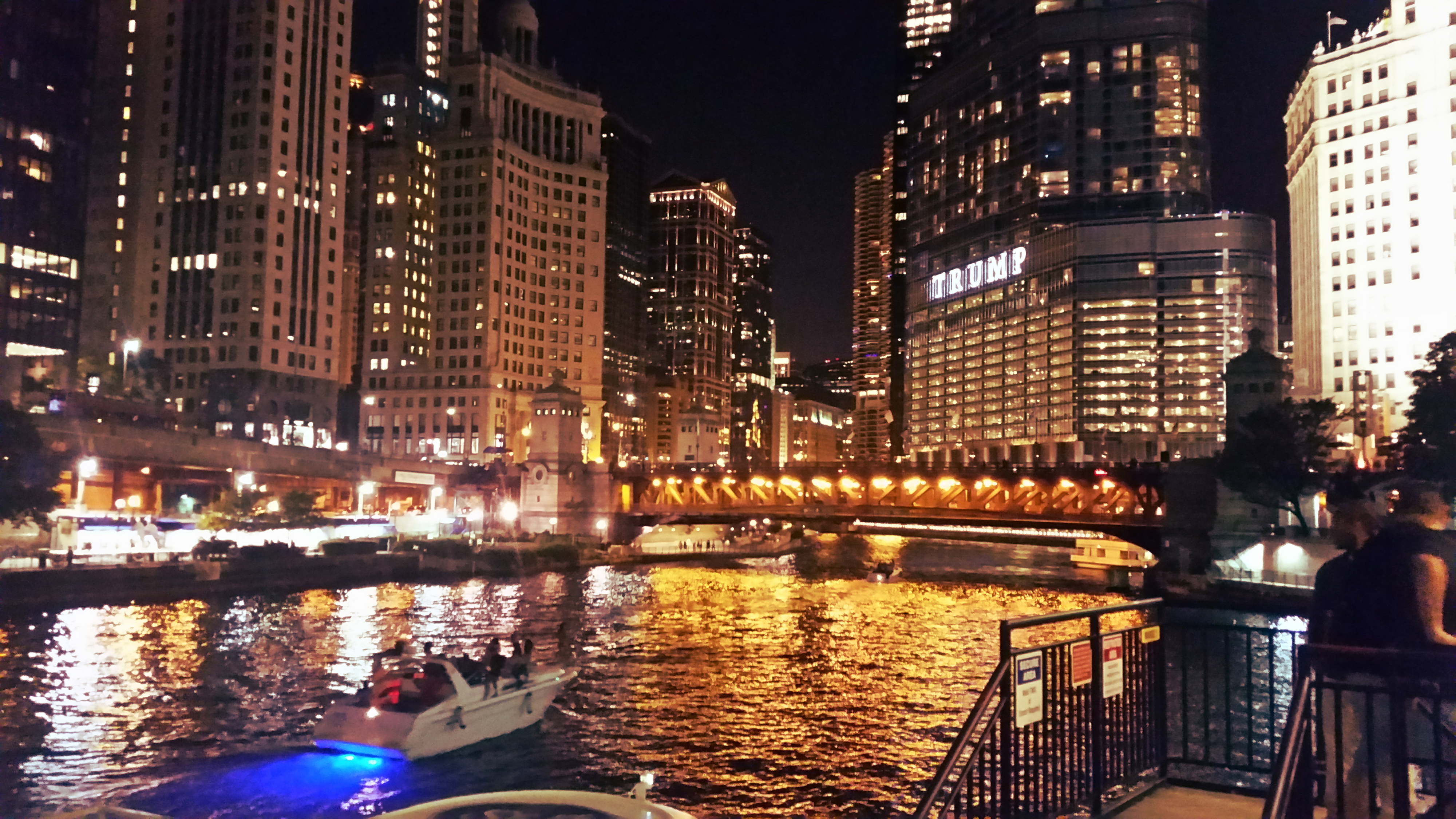
Unraveling the Depths: What Lies Beneath the Surface?
The depth of the Chicago River is not uniform; it varies considerably along its approximately 156-mile course, influenced by natural factors, extensive dredging, and a complex system of locks and dams. Unlike a natural river that might flow freely, the Chicago River is a highly managed waterway, reflecting over a century of human intervention designed to shape it for navigation, sanitation, and flood control.
Average Depths and Key Variations
While specific depths can fluctuate with water levels, typical measurements for the main stem and its branches within the city center offer a good general understanding. On average, the Chicago River generally ranges from 20 to 30 feet (approximately 6 to 9 meters) deep in many of its navigable sections. However, there are areas, particularly near locks, turning basins, or historically dredged channels, where the depth can plunge significantly further.
For instance, certain spots can reach depths of up to 50 feet (about 15 meters), or even slightly more, especially where constant commercial traffic and large tour boats require deeper drafts. These deeper sections are crucial for allowing large vessels to maneuver safely, underpinning the river’s utility as a commercial conduit and a popular tourist thoroughfare. Shallower areas are typically found closer to the banks, in less frequented channels, or where siltation has occurred over time.
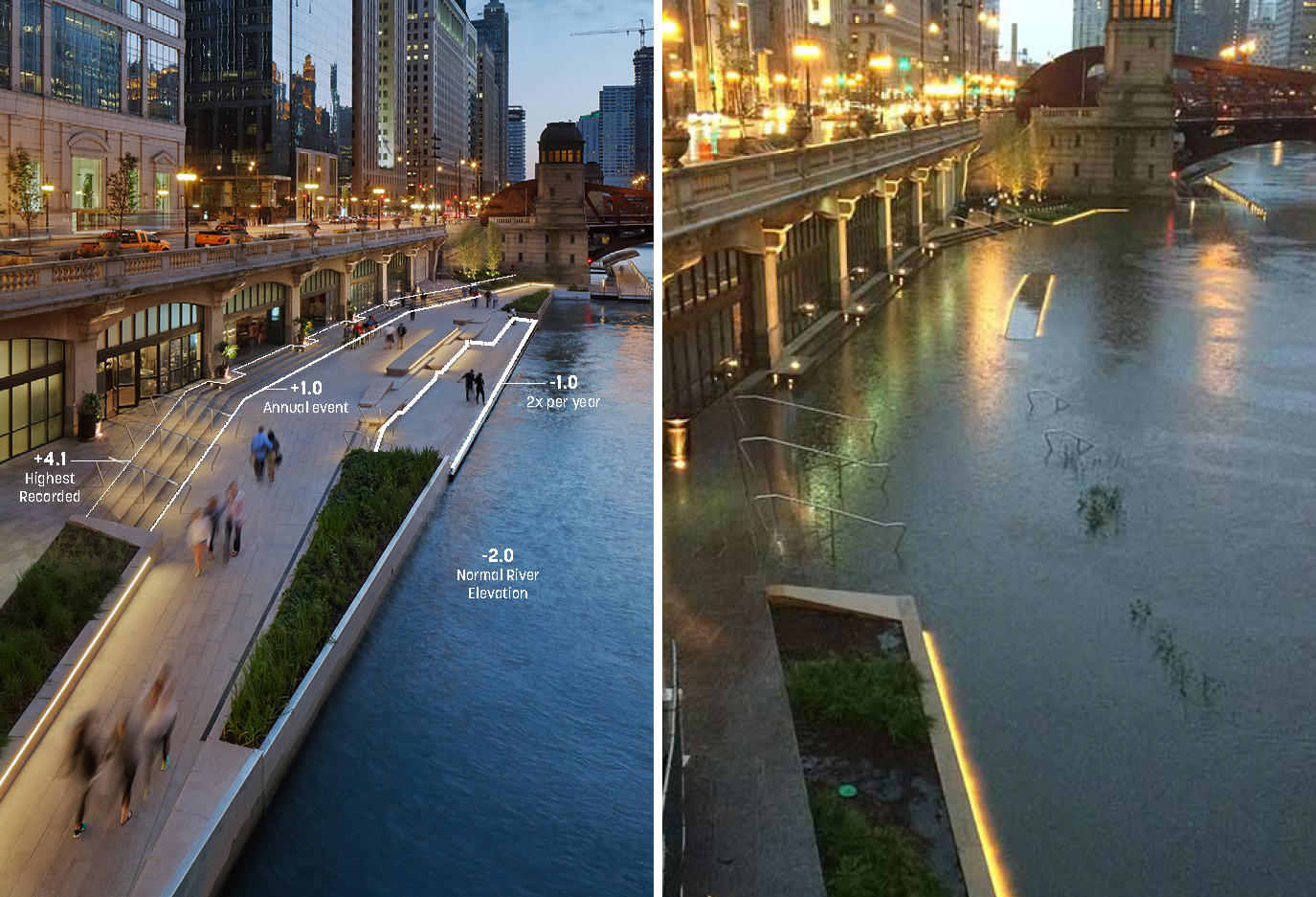
The depth also changes seasonally and with rainfall, as the flow of water into and out of the river system impacts the overall water level. The Metropolitan Water Reclamation District of Greater Chicago continuously monitors these levels to manage the complex interplay between the river and Lake Michigan.
The Engineering Marvel: Understanding the Flow Reversal
Perhaps the most astonishing aspect influencing the Chicago River’s character, and indirectly its depths, is its engineered flow reversal. At the turn of the 20th century, Chicago undertook one of the boldest civil engineering feats in history: reversing the direction of the river. Originally, the Chicago River flowed naturally into Lake Michigan, which was and still is the city’s primary source of drinking water. This natural flow led to severe public health crises as industrial and human waste contaminated the lake.
To solve this, engineers constructed the Chicago Sanitary and Ship Canal, effectively connecting the Chicago River to the Mississippi River basin via the Illinois River. Through a system of locks and dams, the river’s flow was reversed, directing effluent away from Lake Michigan and towards the Mississippi River system.
This monumental project required extensive dredging and modification of the riverbed, creating the deeper, more consistent channels we see today. The reversal transformed the river from a polluted local artery into a crucial link in the national inland waterway system, facilitating freight transport across the Great Lakes region. This historical context is vital when considering the river’s depth, as it largely defines its current physical characteristics and functional importance.
The Chicago River as a Chicago Landmark and Tourist Attraction
Beyond its engineering marvels, the Chicago River is undeniably one of Chicago’s most significant landmarks and a vibrant hub for tourism. For travelers seeking to immerse themselves in the city’s unique architecture, history, and contemporary lifestyle, the river offers unparalleled perspectives and unforgettable experiences.
Iconic Experiences on the Water
No visit to Chicago is complete without experiencing the river from the water. The deeper channels are perfectly suited for a variety of vessels, offering diverse ways to engage with the city.
- Architectural Boat Tours: These are consistently ranked among the top attractions in Chicago. Companies like Chicago Architecture Center River Cruise, Wendella Boats, and Shoreline Sightseeing offer captivating tours guided by expert docents. From the comfort of a large vessel, you’ll glide past masterpieces by architectural legends such as Frank Lloyd Wright and the structures envisioned by urban planners like Daniel Burnham. These tours not only provide stunning views of the skyline but also delve into the history and design principles that shaped Chicago’s unique urban fabric. The deep river allows these substantial tour boats to operate smoothly, offering stable platforms for sightseeing and photography.
- Kayaking and Paddleboarding: For the more adventurous traveler, paddling the Chicago River offers a unique, up-close perspective. Numerous rental outlets cater to all skill levels, allowing you to navigate at your own pace. While staying clear of commercial traffic is paramount, the river’s wide and generally calm segments make it accessible for recreational paddlers. It’s an incredible way to feel connected to the urban environment, looking up at the towering skyscrapers from water level.
- Water Taxis: Functioning as both a practical mode of transport and a scenic tour, Chicago Water Taxi services connect various points along the river, from Chinatown to Navy Pier. It’s a convenient and enjoyable way to traverse the city, often bypassing street traffic while offering picturesque views of downtown.
Exploring the Chicago Riverwalk

Complementing the on-water experiences is the multi-award-winning Chicago Riverwalk, a pedestrian promenade stretching along the main branch of the river. This beautifully designed urban space has revitalized the riverfront, transforming it into a linear park that invites both locals and visitors to linger and explore.
The Riverwalk is dotted with attractions:
- Dining and Bars: Numerous restaurants and casual eateries offer al fresco dining with stunning river views. From upscale dining to casual cafes and vibrant bars, it’s a perfect spot to enjoy a meal or a drink, soaking in the city’s ambiance.
- Art Installations: Public art pieces, murals, and sculptures are integrated into the Riverwalk’s design, creating an open-air gallery experience.
- Recreational Activities: Beyond dining, you can rent bikes, join a fishing excursion, or simply find a bench to watch the boats pass by. The Riverwalk serves as a gateway to the city’s vibrant culture, offering a dynamic blend of relaxation and engagement.
- Views of Chicago Skyline: The vantage points from the Riverwalk are unparalleled, providing photographic opportunities of architectural marvels like the Willis Tower (formerly Sears Tower) and the former John Hancock Center (now 875 North Michigan Avenue), along with countless other skyscrapers that define Chicago’s iconic profile.
Navigating the Chicago River: Safety and Practical Tips
While the Chicago River offers a wealth of recreational and sightseeing opportunities, it’s also a working waterway. Understanding navigation considerations and environmental aspects is crucial for a safe and enjoyable experience.
Boating and Navigation Considerations
The significant depth of the Chicago River facilitates extensive boat traffic, from tourist vessels and water taxis to commercial barges and private recreational boats. This bustling environment necessitates awareness and adherence to navigation rules.
- Commercial vs. Recreational Traffic: Always yield to larger commercial vessels and tour boats. They have limited maneuverability and often operate on strict schedules.
- Water Levels and Currents: While the river’s flow is managed, currents can still be present, especially after heavy rainfall or when locks are operating. Be mindful of changing conditions, particularly if you are kayaking or paddleboarding.
- Bridge Clearances: Chicago is famous for its numerous movable bridges. Pay attention to bridge heights and signals if you are operating your own boat, especially for taller vessels. Tour operators and water taxis are well-versed in these logistics.
- Safety Equipment: Whether on a guided tour or venturing out independently, ensure all safety equipment (life jackets, signaling devices) is present and accessible. Always prioritize safety on the water.
Environmental Stewardship and Future Outlook
The journey of the Chicago River has been one of significant environmental transformation. From its heavily polluted state in the early 20th century, concerted efforts have led to remarkable improvements in water quality and ecological health.
Organizations like Friends of the Chicago River have been instrumental in advocating for and implementing clean-up initiatives. These efforts include stricter regulations on industrial discharge, stormwater management improvements, and habitat restoration projects. Today, you can spot various fish species, and even the occasional otter or beaver, indicating a healthier ecosystem.
The future outlook for the Chicago River is promising, with ongoing projects aimed at enhancing biodiversity, expanding public access, and further improving water quality. These initiatives underscore the city’s commitment to making the river a world-class urban amenity for both its residents and the millions of tourists who visit each year. As the river continues to improve, it strengthens its appeal as a prime destination for outdoor activities and natural beauty amidst an urban backdrop.
Beyond the Depths: The River’s Enduring Legacy
The depth of the Chicago River is just one facet of its complex and compelling story. Its true significance extends far beyond mere measurements, embedding itself deeply into the city’s character, history, and future aspirations.
A Lifeline of Chicago’s History and Culture
The river has always been central to Chicago’s development. Initially a crucial transportation route for Native American tribes and early settlers, it facilitated trade and exploration. Its transformation through engineering not only solved pressing sanitation issues but also fueled Chicago’s growth as an industrial powerhouse and a transportation hub, connecting the vibrant markets of the East with the burgeoning agricultural heartland of the Midwest.
Culturally, the river is woven into the fabric of the city. Perhaps its most famous cultural spectacle is the annual dyeing of the river green for St. Patrick’s Day, a tradition that draws crowds from around the globe and showcases Chicago’s spirited identity. The river also serves as a backdrop for numerous festivals, boat parades, and fireworks displays, truly making it the city’s aquatic stage.
Planning Your Chicago River Experience
To fully appreciate the Chicago River, consider how to integrate it into your broader travel itinerary.
- Best Time to Visit: The prime season for river-based activities is typically late spring through early fall (May to October), when the weather is pleasant and all tours and Riverwalk amenities are fully operational.
- Accommodation Options Nearby: Staying near the river puts you at the heart of the action. Many excellent hotels offer stunning river views and easy access to the Riverwalk and boat docks. Consider luxury travel options like the Langham Chicago or the Hyatt Regency Chicago, or boutique hotels like Kimpton Hotel Monaco Chicago for a more intimate experience. For accommodation that balances comfort and convenience, numerous choices cater to various budget travel preferences.
- Integrating into a Broader Chicago Itinerary: Combine a river tour with a visit to nearby cultural attractions such as the Art Institute of Chicago, Millennium Park (home of “The Bean”), or a shopping spree on the Magnificent Mile. The river’s central location makes it a natural starting point for exploring museums like the Field Museum, Shedd Aquarium, and Adler Planetarium in the nearby Museum Campus.
In conclusion, while the Chicago River’s average depth of 20-30 feet provides the practical foundation for its extensive use, its true depth lies in its profound impact on Chicago’s identity, its architectural splendor, and the unforgettable experiences it offers to every visitor. So, as you plan your journey to the Windy City, look beyond the surface, and delve into the rich, multifaceted world of the Chicago River – it promises an adventure as deep as its waters.
LifeOutOfTheBox is a participant in the Amazon Services LLC Associates Program, an affiliate advertising program designed to provide a means for sites to earn advertising fees by advertising and linking to Amazon.com. Amazon, the Amazon logo, AmazonSupply, and the AmazonSupply logo are trademarks of Amazon.com, Inc. or its affiliates. As an Amazon Associate we earn affiliate commissions from qualifying purchases.