
The question “How far away is Chicago?” might seem simple, demanding a straightforward answer in miles or kilometers. However, for the discerning traveler, it’s far more nuanced. The distance to the Windy City isn’t just a number; it’s an intricate tapestry woven with considerations of travel time, chosen mode of transport, budget, and ultimately, the richness of the experience awaiting you. Chicago is a beacon of culture, architecture, and culinary innovation, making any journey to its vibrant streets a worthwhile endeavor. Understanding this ‘distance’ involves delving into the logistics of travel, the array of accommodation options, and the myriad of attractions that make Chicago a premier destination for tourism and lifestyle exploration.
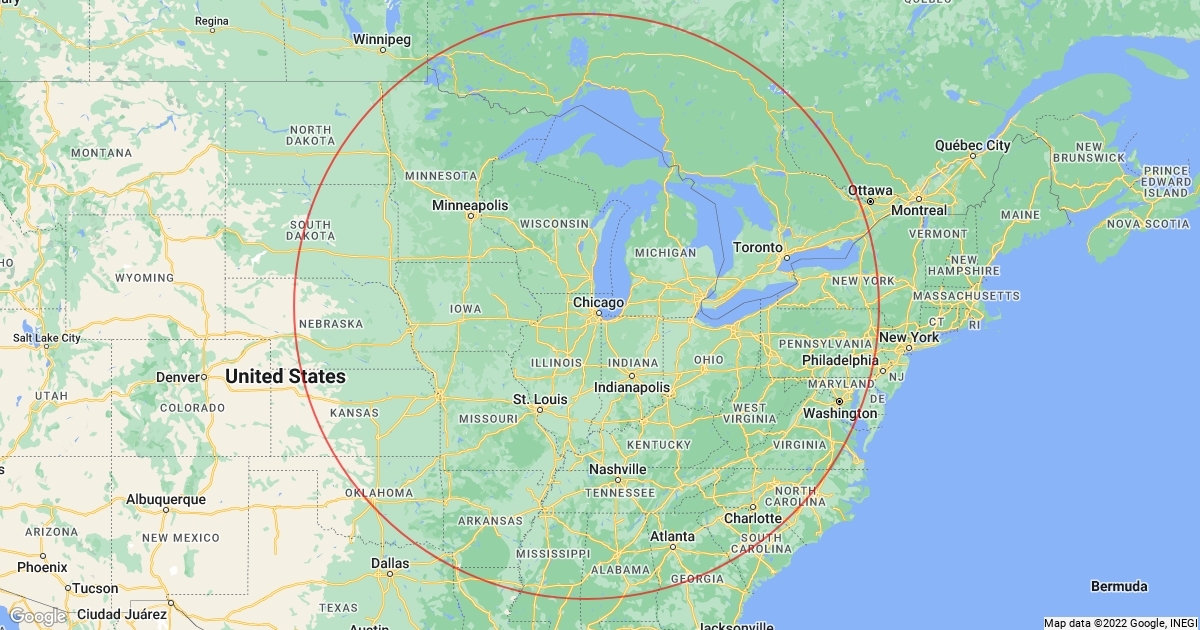
This article aims to unpack the multifaceted answer to “How far away is Chicago?” by exploring it from various geographical points, discussing the optimal ways to reach it, and highlighting what makes this American metropolis an irresistible draw. Whether you’re planning a quick weekend getaway, a comprehensive family trip, a luxury escape, or a productive business stay, preparing for your arrival in Chicago involves more than just punching an address into a GPS. It means envisioning the journey itself as part of the adventure, considering the best routes, comfortable stays, and unforgettable experiences that define a trip to this iconic city.
Measuring the Distance: Miles, Time, and More
When we talk about the distance to Chicago, we’re not just referring to the geographical measurement. We’re also considering the duration of the journey and the ease of access from various points on the globe. As a major hub in the United States, Chicago is remarkably well-connected, making it accessible from nearly anywhere.
Geographic Proximity and Key Hubs
Chicago, nestled on the southwestern shores of Lake Michigan, serves as a central point in the Midwest and the United States as a whole. This strategic location makes it a convenient destination for travelers coming from various directions.
From major U.S. cities:
- From New York City: Approximately 790 miles (1270 km). A direct flight takes around 2 hours and 30 minutes. A road trip can span 12-14 hours.
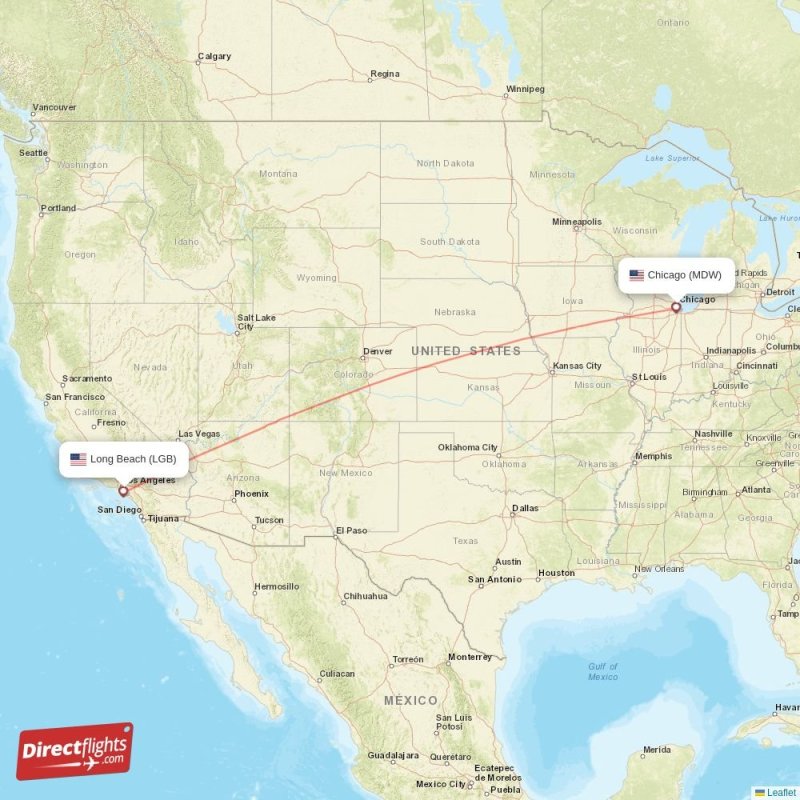
- From Los Angeles: Roughly 1,750 miles (2815 km). Direct flights typically last 4 hours. Driving would be a multi-day journey, around 25-28 hours.
- From Miami: Around 1,380 miles (2220 km). A flight averages 3 hours. Driving could take 20-22 hours.
- From Houston: Approximately 1,100 miles (1770 km). Flights are about 2 hours and 30 minutes. Driving time is generally 16-18 hours.
- From Denver: About 990 miles (1590 km). Flights take around 2 hours and 30 minutes. A road trip is typically 14-16 hours.
Chicago is a global gateway, served by two major international airports: O’Hare International Airport (ORD) and Midway International Airport (MDW). O’Hare is one of the busiest airports in the world, offering extensive domestic and international connections. Midway, while smaller, is closer to downtown and a popular choice for domestic flights, particularly with budget carriers.
From international gateways:
- From London, UK: Around 3,950 miles (6350 km). Direct flights are typically 7.5 to 8 hours.
- From Paris, France: Approximately 4,100 miles (6600 km). Direct flights usually take 8 to 8.5 hours.
- From Tokyo, Japan: About 6,150 miles (9900 km). Direct flights are considerably longer, ranging from 12 to 13 hours.
These figures illustrate that while Chicago might be “far” in terms of miles from distant locales, modern air travel significantly reduces the perceived distance, making it a viable destination for global travelers.
Modes of Transportation and Travel Times
The method of transportation you choose will drastically alter your answer to “How far away is Chicago?” in terms of time and experience.
-
Air Travel: For most distant travelers, flying is the most efficient and practical option. Both O’Hare and Midway are well-connected by numerous domestic and international airlines, offering competitive fares and frequent schedules. Major carriers like United Airlines, American Airlines, and Southwest Airlines operate extensive routes to Chicago. The journey begins the moment you check in, with airport amenities and in-flight services shaping the initial experience of your trip. Upon arrival, the city’s robust public transportation system (CTA) offers direct train access from both airports to downtown Chicago, making the final leg of your journey seamless.
-
Road Trips: For those closer to Chicago or seeking a more immersive travel experience, a road trip offers unparalleled flexibility and the chance to discover charming towns and scenic landscapes along the way. Driving from neighboring states like Wisconsin, Michigan, or Indiana can be completed in a few hours, making it ideal for weekend getaways. A cross-country drive from the coasts, while significantly longer, offers a unique perspective on the diverse geography of the United States. Planning a road trip involves considering fuel costs, overnight stays (perhaps at boutique hotels or cozy B&Bs along the route), and the itinerary of stops, transforming the travel into an adventure itself. This mode of travel offers a budget-friendly option for families and provides the freedom to explore at your own pace, creating lasting memories even before you reach your primary destination.
-
Train Travel (Amtrak): For a comfortable, eco-friendly, and scenic journey, Amtrak offers extensive services to Chicago’s historic Union Station. Chicago is Amtrak’s busiest hub, with routes connecting to dozens of cities across the United States. Travelers can enjoy spacious seating, dining cars, and even sleeper cars on longer routes, allowing them to relax and enjoy the landscape without the stresses of driving or airport security. The journey itself becomes an integral part of the travel experience, reminiscent of a bygone era of elegant travel.
-
Bus Services: Intercity bus lines, such as Greyhound and Megabus, provide an economical alternative for reaching Chicago from many regional cities. While typically the slowest option, bus travel is often the most budget-friendly, making it popular among students and travelers seeking to minimize expenses. Despite longer travel times, modern buses often come equipped with amenities like Wi-Fi and power outlets, making the journey more comfortable than in previous years.
Ultimately, “How far away is Chicago?” depends entirely on your starting point and preferred mode of travel. Each option offers a distinct journey, contributing to the overall narrative of your Chicago adventure.
Planning Your Journey to the Windy City: Logistics and Lifestyle
Once you’ve determined how you’ll bridge the physical distance to Chicago, the next step involves meticulous planning to ensure your stay is as enriching and comfortable as possible. This phase delves into the world of accommodation, local tourism, and immersing yourself in the city’s unique lifestyle.
Choosing Your Accommodation in Chicago
Chicago boasts an impressive array of accommodation options to suit every taste, budget, and travel style. From opulent luxury hotels to charming boutique establishments and convenient apartment rentals, your choice of lodging significantly impacts your overall experience.
-
Luxury Hotels: For those seeking an indulgent escape, Chicago offers world-class luxury hotels renowned for their impeccable service, sophisticated design, and premium amenities. The Four Seasons Hotel Chicago on the Magnificent Mile provides stunning views of Lake Michigan and the city skyline, coupled with an indoor pool and a renowned spa. The Langham, Chicago, housed in a Mies van der Rohe-designed building along the Chicago River, offers exquisite dining and lavish suites. Other top-tier options include The Peninsula Chicago, known for its serene Asian-inspired spa, and the historic Waldorf Astoria Chicago, offering elegance and a prime location. These establishments often cater to business travelers and those on luxury trips, providing amenities like concierge services, gourmet dining, and state-of-the-art fitness centers.
-
Boutique Hotels: For travelers who appreciate unique character and personalized service, Chicago’s boutique hotels offer a distinctive charm. The Thompson Chicago in Gold Coast blends modern design with a warm, inviting atmosphere. The Virgin Hotels Chicago, located in a historic Art Deco building, combines stylish rooms with innovative concepts like ‘The Commons Club’. These hotels often reflect local culture and offer a more intimate, curated experience, perfect for solo travelers or couples seeking a memorable stay.

-
Mid-Range and Budget-Friendly Options: Travelers focused on budget without compromising comfort will find plenty of options. Chains like Hyatt Centric, Marriott, and Hilton Garden Inn offer reliable quality, convenient locations, and a range of amenities suitable for family trips or business stays. For even more economical choices, hostels and guesthouses provide a communal atmosphere, particularly in neighborhoods like Lincoln Park or Wicker Park.
-
Apartments and Long-term Stays: For extended visits, family trips, or those desiring more space and a home-away-from-home feel, apartment rentals through platforms like Airbnb or serviced apartments are excellent choices. Options range from stylish lofts in River North to spacious flats in residential neighborhoods, allowing visitors to experience local life more authentically. These are particularly popular for long-term stays or those who prefer to cook their own meals.
Choosing the right neighborhood is also key. The Loop is ideal for business travelers and sightseers due to its proximity to financial districts and major landmarks. The Magnificent Mile and Streeterville are perfect for shopping and upscale dining. River North buzzes with art galleries, restaurants, and nightlife. Lincoln Park offers a more relaxed, residential feel with parks and boutiques, excellent for family trips. Careful comparison of booking options and reviews is crucial to finding the perfect accommodation.
Navigating Chicago’s Attractions and Landmarks
The “distance” to Chicago truly disappears the moment you immerse yourself in its world-class attractions and iconic landmarks. The city is a treasure trove of cultural experiences, architectural marvels, and natural beauty.
-
Iconic Landmarks: No visit to Chicago is complete without experiencing its defining structures. Ascend to the Willis Tower Skydeck (formerly Sears Tower) or the 360 Chicago Observation Deck at the John Hancock Center for breathtaking panoramic views of the city skyline and Lake Michigan. Millennium Park is home to the instantly recognizable Cloud Gate (affectionately known as “The Bean”), Crown Fountain, and the Jay Pritzker Pavilion, offering stunning public art and performance spaces. Navy Pier, stretching into Lake Michigan, features the iconic Centennial Wheel, restaurants, and family-friendly entertainment.
-
World-Class Museums: Chicago boasts a phenomenal Museum Campus that includes the Field Museum (natural history), the Shedd Aquarium (aquatic life), and the Adler Planetarium (astronomy), all offering captivating exhibits for all ages. The Art Institute of Chicago, consistently ranked among the best museums in the world, houses an encyclopedic collection spanning centuries and cultures. Other notable cultural institutions include the Museum of Science and Industry and the Chicago History Museum.
-
Architectural Marvels: Chicago is the birthplace of the skyscraper and a living museum of modern architecture. An architectural boat tour along the Chicago River is an absolute must, providing insightful commentary on the city’s iconic buildings and their historical significance. Key buildings include the Tribune Tower, the Wrigley Building, and the masterpieces of Frank Lloyd Wright found in the nearby Oak Park neighborhood.
-
Local Culture and Cuisine: Beyond the famous sites, Chicago’s local culture is rich and vibrant. Indulge in its legendary food scene, from the quintessential deep-dish pizza at Lou Malnati’s or Giordano’s to the iconic Chicago hot dog (never with ketchup!). Explore diverse neighborhoods like Pilsen for its vibrant murals and Mexican heritage, or Andersonville for its Swedish roots and independent boutiques. Chicago is also a mecca for music lovers, particularly jazz and blues, with historic venues like Buddy Guy’s Legends and Kingston Mines offering live performances almost every night.
The wealth of attractions ensures that regardless of how far you travel to reach Chicago, the experiences within the city itself will make the journey entirely worthwhile.
Making the Distance Disappear: A Guide to Experiencing Chicago
To truly make the distance to Chicago disappear and maximize your visit, strategic planning and an understanding of the city’s nuances are essential. This section offers practical travel tips, budgeting advice, and guidance on crafting an experience tailored to your lifestyle.
Travel Tips and Budgeting for Your Chicago Trip
Navigating Chicago efficiently and cost-effectively requires some foresight.
-
Best Time to Visit: Each season offers a different Chicago experience. Summer (June-August) boasts warm weather, outdoor festivals, and bustling Navy Pier activities, but also higher prices and larger crowds. Spring (April-May) and Fall (September-October) offer pleasant weather, fewer tourists, and beautiful foliage (especially in the fall), making them ideal for exploring. Winter (November-March) can be cold and snowy, but offers festive holiday markets, ice skating, and the chance to experience Chicago’s indoor attractions with fewer crowds. Consider visiting in the shoulder seasons for better deals on flights and hotels.
-
Booking in Advance: Especially if traveling during peak season or holidays, booking flights and accommodation well in advance is crucial. This can lead to significant savings and ensures you get your preferred choices, whether it’s a luxury suite or a budget-friendly apartment. Use hotel comparison websites and subscribe to airline fare alerts to snag the best deals.
-
Public Transportation (CTA): Chicago’s comprehensive public transportation system, operated by the CTA (Chicago Transit Authority), is an efficient and affordable way to get around. The ‘L’ train system (elevated and subway lines) connects all major neighborhoods and both airports, while buses cover areas not served by the train. Purchase a Ventra card for easy tap-and-go travel, and consider a multi-day pass if you plan to use public transport frequently. Taxis and ride-sharing services are also readily available.
-
Cost Considerations: A trip to Chicago can range from budget-conscious to lavish.
- Accommodation: Prices vary widely, from $50/night for a hostel bed to $500+/night for luxury hotels.
- Food: Casual dining can be around $15-25 per meal, while high-end restaurants can easily exceed $100 per person. Don’t forget to factor in the local deep-dish pizza experience!
- Attractions: Many museums have entrance fees (around $20-30), but many attractions like Millennium Park and the Lincoln Park Zoo are free. Consider purchasing a CityPASS for bundled discounts on multiple popular attractions.
- Transportation: A 3-day CTA pass costs around $20.
Budgeting carefully for these elements ensures a stress-free trip, allowing you to focus on the experiences rather than the expenses.
Crafting Your Ideal Chicago Experience
Chicago offers diverse experiences tailored to different traveler profiles, making the journey, however long, perfectly suited to your aspirations.
-
Family Trips: Chicago is exceptionally family-friendly. Beyond the Museum Campus and Navy Pier, the Lincoln Park Zoo offers free admission and engaging exhibits. The Chicago Children’s Museum at Navy Pier and the Museum of Science and Industry provide interactive learning experiences. Many hotels offer family suites and kid-friendly amenities, while apartment rentals provide the space and flexibility needed for families.
-
Business Stays: For corporate travelers, Chicago’s Loop and River North neighborhoods offer a plethora of hotels with excellent business amenities, conference facilities, and easy access to the financial district. Hotels like the Hyatt Regency Chicago and the Palmer House Hilton are popular choices, providing sophisticated environments and convenient locations for meetings. After work, the city’s vibrant dining scene provides ample opportunities for client dinners and networking.
-
Luxury Travel vs. Budget Travel: Whether you’re indulging in a luxury travel experience with stays at resorts like The Ritz-Carlton, Chicago and gourmet dining, or embarking on a budget travel adventure utilizing hostels and free attractions, Chicago caters to all. The city’s extensive parks system, public art installations, and free events ensure that an enriching experience is accessible regardless of your spending limits.
-
Exploring Beyond the Main Attractions: To gain a deeper understanding of Chicago, venture beyond the typical tourist hotspots. Discover the vibrant street art of Pilsen, catch a local show at the Steppenwolf Theatre in Lincoln Park, or explore the charming boutiques and eateries in Wicker Park and Bucktown. Each neighborhood offers a unique slice of Chicago’s diverse local culture and history.
In conclusion, “How far away is Chicago?” is a question that invites a journey, not just a destination. It’s about the hours spent in transit, the comfort of your chosen accommodation, the thrill of discovering world-renowned landmarks, and the joy of immersing yourself in a city brimming with life. The distance, whether measured in miles or hours, fades into insignificance when compared to the unforgettable experiences that await you in the heart of the Midwest. Chicago is not just a point on a map; it’s an invitation to explore, to indulge, and to create memories that will last a lifetime.
LifeOutOfTheBox is a participant in the Amazon Services LLC Associates Program, an affiliate advertising program designed to provide a means for sites to earn advertising fees by advertising and linking to Amazon.com. Amazon, the Amazon logo, AmazonSupply, and the AmazonSupply logo are trademarks of Amazon.com, Inc. or its affiliates. As an Amazon Associate we earn affiliate commissions from qualifying purchases.