
The journey between two of America’s most iconic metropolitan centers, Chicago and New York City, is more than just a measurement of distance; it’s an exploration of diverse landscapes, cultural touchstones, and a spectrum of travel experiences. Whether you’re drawn by the architectural marvels of the Midwest or the pulsating energy of the East Coast, understanding the distance and myriad ways to traverse it is the first step in planning an unforgettable adventure. This guide delves into the practicalities of making this inter-city hop, offering insights for every traveler, from the budget-conscious backpacker to the luxury seeker.

The Straight Shot: Demystifying the Distance and Travel Time
At its core, determining “how far” involves a simple geographic measurement. However, the true travel distance and time are influenced by various factors, making the planning process a nuanced art. From the moment you contemplate the trip, several considerations come into play, shaping your expectations and ultimately your chosen mode of transport.
The Geographic Reality: Miles and Kilometers
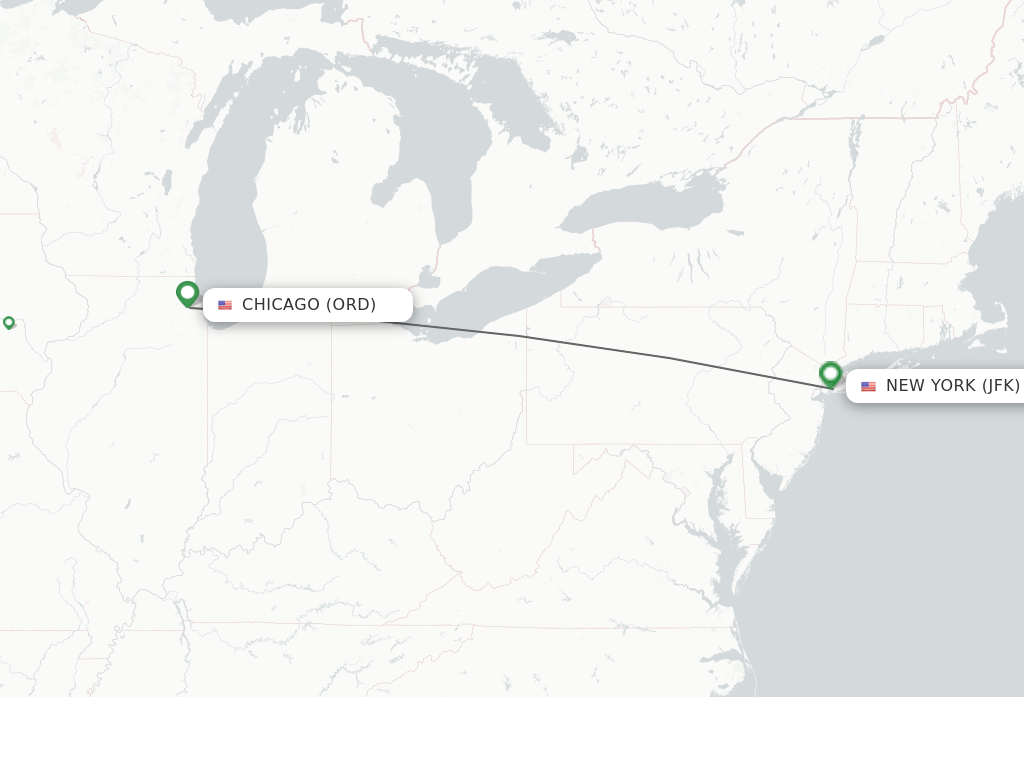
Geographically, the direct distance between Chicago, Illinois, and New York City, New York, is approximately 713 miles (1,147 kilometers) as the crow flies. This aerial measurement is useful for understanding flight times but less so for ground travel, which must contend with roads, railways, and geographical features.
When traveling by road, the distance typically spans between 780 and 800 miles (1,255 to 1,287 kilometers), depending on the specific route taken. The most common paths involve traversing through states like Indiana, Ohio, Pennsylvania, and New Jersey before arriving in the Empire State. This ground distance translates into a substantial journey, requiring careful planning for breaks, fuel, and potential overnight stays.
Factors Influencing Travel Duration
While the mileage is a fixed quantity, the time it takes to cover that distance is highly variable. Several elements contribute to the overall travel duration:
- Mode of Transportation: This is perhaps the most significant factor. Flying offers the quickest transit, while driving or taking a bus will naturally take considerably longer. Rail travel sits somewhere in between, balancing speed with comfort.
- Traffic and Road Conditions: For those opting for a road trip or bus journey, traffic, especially around major metropolitan areas like Chicago or the approach to New York City, can significantly impact travel time. Construction, accidents, and adverse weather conditions can also add unforeseen delays.
- Layover Times (for Flights): Even direct flights can be subject to delays. For connecting flights, layover durations add substantial time to the overall travel experience.
- Number of Stops (for Road Trips and Buses): Frequent stops for gas, food, rest, or sightseeing will extend the duration of a road trip. Similarly, bus services often make scheduled stops in various cities along the route.
- Time of Day/Week: Traveling during peak hours or holiday weekends can lead to increased congestion at airports, on roads, and at bus or train stations, lengthening the overall journey.
Understanding these variables is crucial for setting realistic expectations and planning an efficient and enjoyable trip between these two grand American destinations.
Journeying Between Two Icons: Modes of Transport
The journey from Chicago to New York City offers a variety of transportation options, each presenting its own set of advantages and disadvantages in terms of cost, time, and experience. Choosing the right mode depends heavily on your budget, schedule, and desired level of comfort and adventure.
By Air: The Fastest Link
For those prioritizing speed and efficiency, flying is undoubtedly the best option. The flight time itself is remarkably short, typically ranging from 1 hour 45 minutes to 2 hours 15 minutes for a direct flight. However, the total travel time extends beyond mere airtime due to airport procedures.
- Departure Airports in Chicago: O’Hare International Airport (ORD) is one of the world’s busiest airports, offering a vast array of domestic flights. Midway International Airport (MDW) provides a more convenient, smaller alternative, especially for travelers staying on Chicago’s South Side.
- Arrival Airports in New York City: The NYC metropolitan area is served by three major airports: John F. Kennedy International Airport (JFK), Newark Liberty International Airport (EWR) (in New Jersey but serving NYC extensively), and LaGuardia Airport (LGA). Each offers different connections to Manhattan and the surrounding boroughs.
- Total Travel Time: When factoring in check-in, security, boarding, taxiing, and travel to/from the airport, a typical air journey from downtown Chicago to downtown New York City can range from 4 to 6 hours.
- Cost: Airfares can fluctuate wildly based on booking in advance, time of year, airline, and demand. Budget airlines often offer competitive rates, but always factor in potential baggage fees.
Despite the added airport time, flying remains the most popular choice for business travelers and those with limited vacation days, offering a quick transition from the Windy City to the Big Apple.
By Road: A Classic American Road Trip
Embarking on a road trip from Chicago to New York City is an quintessential American experience, offering freedom, flexibility, and the chance to discover hidden gems along the way.
- Driving Distance and Time: The approximately 780 to 800-mile drive typically takes around 12 to 13 hours of pure driving time. However, to make it a comfortable and enjoyable experience, most travelers opt for a two-day journey with an overnight stop.
- Popular Routes:
- Northern Route: Primarily via I-80 East, potentially connecting to I-90 East or I-76 East. This route can take you through northern Ohio (near Cleveland), then across Pennsylvania and into New Jersey towards NYC.
- Southern Route: Still using I-80 East initially, but potentially diverting through Pittsburgh, Pennsylvania, offering a different scenic experience before heading northeast.
- Potential Stopovers: A road trip allows for enriching detours. Consider an overnight stay in cities like Cleveland, where you can visit the Rock & Roll Hall of Fame, or Pittsburgh, known for its vibrant arts scene and bridges. For nature enthusiasts, a detour north to Niagara Falls or the scenic Finger Lakes region in New York can transform the journey into a destination itself.
- Costs: Factor in gasoline costs (which can be substantial), tolls (especially prevalent in Pennsylvania and New Jersey), potential car rental fees, and accommodation for an overnight stop.
- Pros and Cons: The road trip offers unparalleled freedom and the chance to explore at your own pace, aligning perfectly with a “Lifestyle” focused on adventure. However, it demands endurance, adds wear and tear to your vehicle, and can be more susceptible to traffic and weather delays.
By Rail: Scenic and Relaxing Travel
Train travel offers a unique blend of comfort, scenic views, and a relaxed pace, allowing you to bypass airport security lines and highway traffic. Amtrak is the primary provider for intercity rail services in the United States.
- Route and Duration: Amtrak’s Lake Shore Limited service connects Chicago Union Station directly to New York Penn Station (or Moynihan Train Hall as its primary gateway). The journey typically takes around 19 to 20 hours, making it an overnight trip.
- Amenities: Amtrak trains offer various classes of service, from coach seats to private rooms (Roomette, Bedroom) with sleeping accommodations, meals included, and access to showers. There’s usually a dining car and lounge car available for all passengers.
- Costs: Ticket prices vary based on the class of service, how far in advance you book, and seasonality. While often more expensive than a bus, it can be comparable to or less than last-minute flights, especially when considering the added comfort and amenities.
- Pros and Cons: Train travel is a fantastic way to witness the changing landscapes, enjoy meals at your leisure, and avoid the stresses of driving or flying. It’s an experience in itself, but it is also the longest travel option, making it suitable for those who prioritize the journey over sheer speed.

By Bus: Budget-Friendly Exploration
For the most economical travelers, bus services provide a cost-effective way to travel between Chicago and New York City.
- Providers: Major bus companies like Greyhound and Megabus operate frequent routes connecting the two cities.
- Duration: Bus journeys are typically the longest ground option, ranging from 15 to 18 hours, depending on the number of stops and traffic. This usually involves an overnight trip.
- Comfort and Amenities: Modern buses often come equipped with Wi-Fi, power outlets, and reclining seats, making the long journey more bearable. However, space can be limited, and stops for meals and restrooms are scheduled.
- Costs: Bus tickets are often the cheapest option, especially if booked in advance. Prices can be as low as $30-$60, making it an attractive choice for budget travelers or students.
- Pros and Cons: The main advantage is the low cost, making it accessible to a wide range of travelers. The primary downsides are the extended travel time and potentially less comfort compared to air or rail travel, especially for taller individuals.
Beyond the Miles: What Awaits in Chicago and New York
The journey isn’t just about covering distance; it’s about connecting two vibrant cultural hubs. Both Chicago and New York City offer an unparalleled array of experiences, from world-class dining and entertainment to iconic landmarks and unique local cultures.
Discovering the Windy City: Chicago’s Charms
Before or after your journey, immerse yourself in Chicago’s distinct urban charm. Known for its stunning architecture, vibrant arts scene, and friendly Midwest hospitality, Chicago captivates visitors with its unique blend of sophistication and down-to-earth appeal.
- Architectural Wonders: Take an architecture river cruise to marvel at masterpieces by renowned architects. Don’t miss the Willis Tower Skydeck for breathtaking views or the John Hancock Center’s 360 Chicago Observation Deck.
- Iconic Landmarks: Stroll through Millennium Park to snap a photo with Cloud Gate, affectionately known as “The Bean.” Explore the lively Navy Pier with its Ferris wheel and entertainment options.
- World-Class Museums: The Museum Campus is home to the Field Museum, Shedd Aquarium, and Adler Planetarium. Art lovers will be enchanted by The Art Institute of Chicago.
- Culinary Delights: No visit to Chicago is complete without indulging in a deep-dish pizza, a local specialty. Explore diverse neighborhoods for a taste of everything from Michelin-starred restaurants to classic Chicago hot dogs.
- Shopping: The Magnificent Mile on Michigan Avenue offers an unparalleled shopping experience with luxury boutiques and major department stores.
The Metropolis That Never Sleeps: New York’s Enduring Appeal
Upon arrival in New York City, prepare for an immersive experience in one of the world’s most dynamic cities. NYC is a melting pot of cultures, a global financial hub, and an undisputed capital of fashion, art, and entertainment.
- Legendary Landmarks: Witness the grandeur of the Statue of Liberty, ascend the Empire State Building or Top of the Rock for iconic skyline views, and experience the dazzling lights of Times Square.
- Cultural Institutions: Explore the vast collections of the Metropolitan Museum of Art and the Museum of Modern Art (MoMA). Catch a world-class show on Broadway, or enjoy a classical performance at Lincoln Center.
- Parks and Recreation: Find respite in the sprawling urban oasis of Central Park, a perfect spot for walking, biking, or simply people-watching. Wander the elevated pathways of The High Line for unique perspectives on the city.
- Diverse Neighborhoods: Each New York City borough and neighborhood offers a distinct flavor. Explore the bohemian spirit of Greenwich Village, the vibrant markets of Chinatown, the chic boutiques of SoHo, or the historic streets of Harlem.
- Foodie Paradise: From street food vendors to Michelin-starred restaurants, New York City offers an endless array of culinary experiences reflecting its global population.
Planning Your Epic Journey: Tips for an Unforgettable Experience
Regardless of how you choose to travel between Chicago and New York City, meticulous planning is key to maximizing your adventure. Considering the website’s focus on Travel, Hotels, Tourism, Accommodation, Landmarks, and Lifestyle, here are some comprehensive tips to enhance your trip.
Accommodation Choices Along the Way and At Your Destination
Finding the right place to stay is paramount to a comfortable journey. Whether you’re seeking luxury resorts or budget-friendly stays, options abound.
- For the Road Trip: If you’re driving, plan an overnight stop in a city like Cleveland, Pittsburgh, or a smaller town along your route. Look for hotels that offer convenient access from the interstate and provide amenities like free parking and breakfast. Use Life Out of the Box’s accommodation guides to find suitable hotels, suites, or even charming bed and breakfasts in these intermediate destinations.
- In Chicago: Chicago boasts a wide range of accommodation options. For luxury, consider properties along the Magnificent Mile such as the Langham Chicago or the Peninsula Chicago. Boutique hotels in neighborhoods like River North or West Loop offer unique experiences. For budget-conscious travelers, there are numerous reputable hotels further from the city center, easily accessible by public transport.
- In New York City: New York City accommodation can be pricey, but options exist for every budget and lifestyle. From iconic luxury hotels in Midtown like the Plaza Hotel or the St. Regis New York, to trendy boutique hotels in SoHo or the Lower East Side, or more affordable options in Brooklyn or Queens, it’s essential to book well in advance, especially during peak season. Websites often provide booking, reviews, and comparison tools to help you find the perfect fit.
Crafting Your Itinerary: Maximizing Your Adventure
Beyond just the travel itself, what you do in each city makes the journey truly memorable.
- Research Destinations and Attractions: Utilize travel guides to identify must-see landmarks, hidden gems, and local experiences. Whether it’s a specific museum, a Broadway show, or a deep-dish pizza tour, tailor your itinerary to your interests.
- Balance Activities and Relaxation: Avoid over-scheduling. Both Chicago and New York City can be exhausting due to their sheer size and endless options. Incorporate downtime, perhaps a leisurely walk in Central Park or a quiet coffee in a Chicago neighborhood.
- Consider Local Culture and Food: Delve into the local culture. In Chicago, explore the blues and jazz scene. In New York, catch a street performer in Washington Square Park. Sample regional delicacies – from Chicago deep-dish to New York bagels and pizza slices.
- Transportation Within Cities: Both cities have excellent public transportation systems (CTA in Chicago, MTA in NYC). Familiarize yourself with them to navigate efficiently.
Budgeting for Your Bicoastal Expedition
A trip between these two major cities can range from budget-friendly to truly luxurious. Careful financial planning is essential.
- Transportation Costs: Compare flight, train, bus, and driving costs. Remember to factor in not just the ticket price but also baggage fees, fuel, tolls, and parking.
- Accommodation Expenses: This will likely be one of your largest costs. Use comparison sites, look for deals, or consider alternative accommodations like apartments for long-term stays.
- Food and Drink: Eating out in major cities can quickly add up. Balance fine dining with more affordable options like street food, local delis, or preparing some of your own meals if your accommodation allows.
- Activities and Entertainment: Prioritize your must-do activities. Many museums offer free or discounted days, and there are plenty of free attractions like parks and walking tours. Factor in tickets for shows, tours, or sports events.
- Miscellaneous: Don’t forget to budget for souvenirs, local transport within the cities, and a buffer for unexpected expenses.
In conclusion, the distance between Chicago and New York City is easily quantifiable, but the journey itself is a rich tapestry of options and experiences. Whether you choose the speed of a flight, the adventure of a road trip, the comfort of a train, or the economy of a bus, each mode offers a unique perspective on the American landscape. By carefully planning your logistics, accommodation, and itinerary, you can transform a simple transit into an integral part of your unforgettable travel story between these two magnificent urban giants.
LifeOutOfTheBox is a participant in the Amazon Services LLC Associates Program, an affiliate advertising program designed to provide a means for sites to earn advertising fees by advertising and linking to Amazon.com. Amazon, the Amazon logo, AmazonSupply, and the AmazonSupply logo are trademarks of Amazon.com, Inc. or its affiliates. As an Amazon Associate we earn affiliate commissions from qualifying purchases.