
Embarking on a journey across the heartland of America often involves traversing significant distances, connecting vibrant cities that each offer a unique tapestry of history, culture, and modern allure. Among the most popular routes for travelers exploring the Midwest is the one linking St. Louis, Missouri, with Chicago, Illinois. This stretch of highway, railway, and sky is more than just a commute; it’s an invitation to discover the diverse landscapes and urban splendors of two iconic American cities. Understanding the distance and available travel options is the first step in planning an unforgettable Midwest adventure.
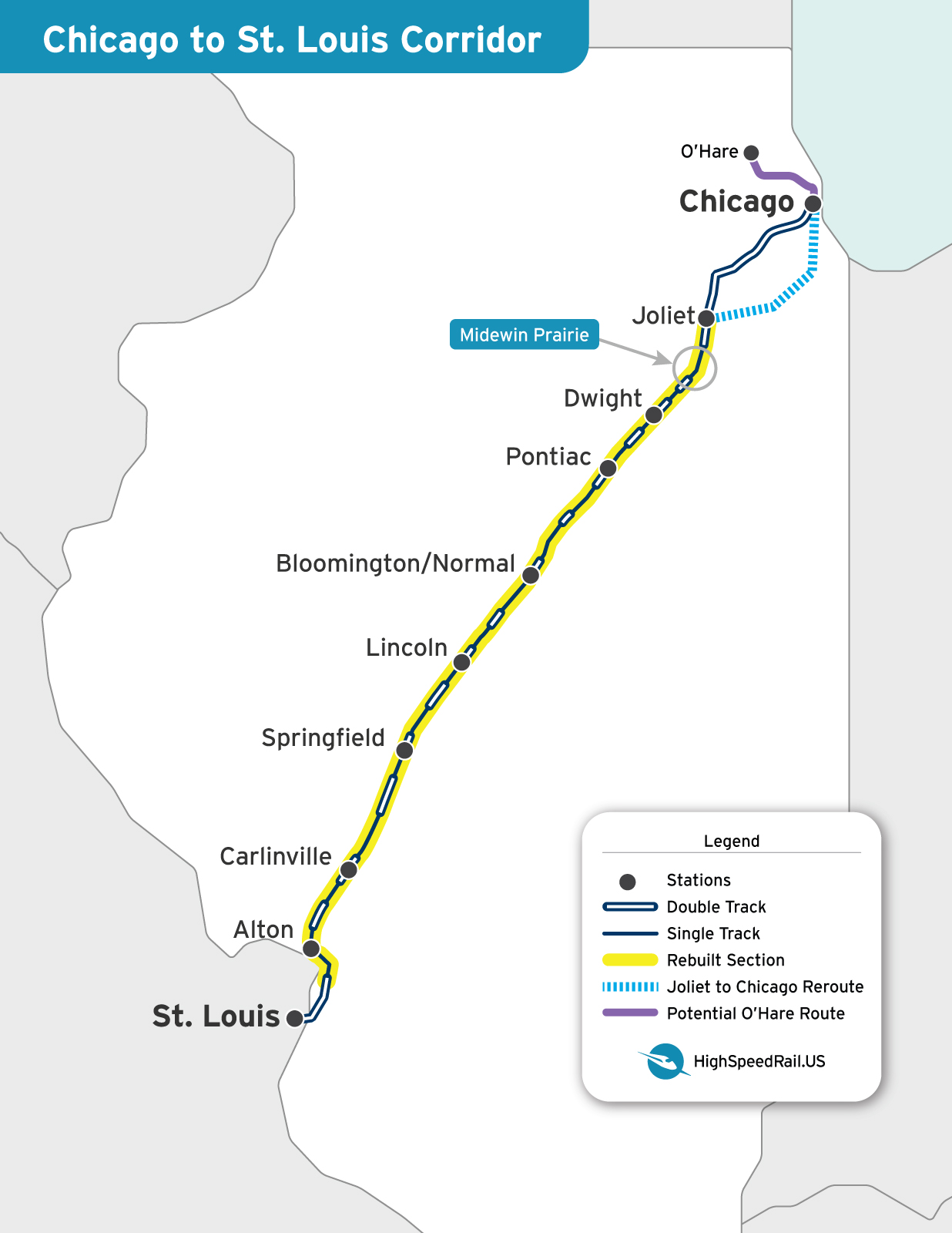
The direct distance between St. Louis and Chicago is approximately 250 miles (about 402 kilometers) as the crow flies. However, for practical travel, particularly by road, this distance extends slightly due to the winding paths of highways. Typically, the driving distance is around 280 to 300 miles (450-480 kilometers), making it a manageable journey for most travelers. The travel time can vary significantly based on the chosen mode of transport, offering flexibility for various budgets and preferences, from scenic road trips to quick train rides or even short flights. This article delves into the specifics of this popular route, providing insights into travel, accommodation, tourism, and lifestyle experiences that await you in both these incredible destinations.
The Journey: Distance and Travel Options Between St. Louis and Chicago
Connecting two major economic and cultural hubs in the United States, the route from St. Louis to Chicago offers a variety of transportation choices, each with its own advantages in terms of cost, speed, and comfort. Understanding these options is crucial for planning your perfect trip, whether you’re a budget-conscious backpacker, a luxury traveler, or a family on vacation.
By Road: Driving Between Cities
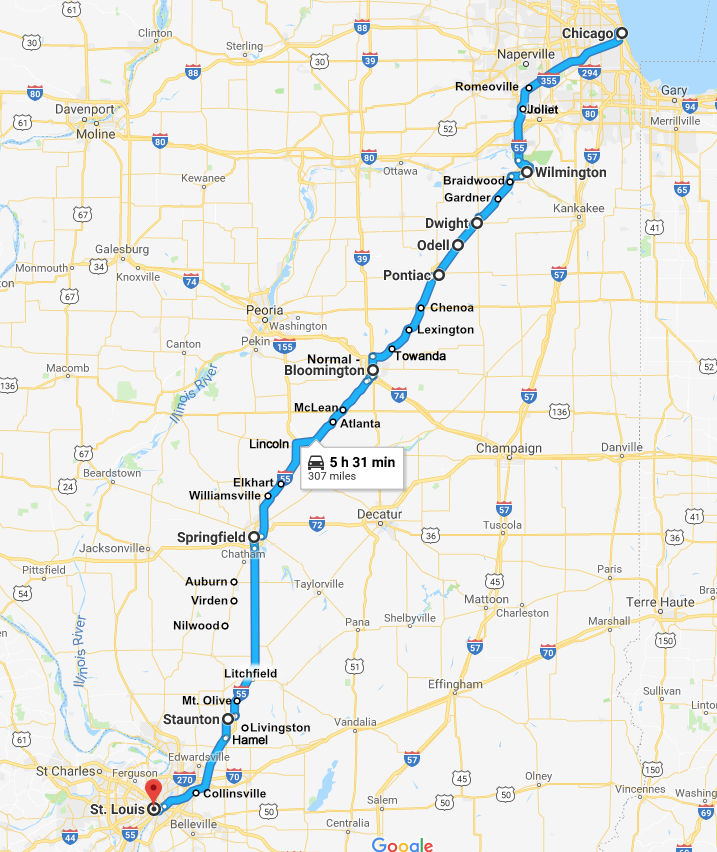
Driving is arguably the most common and flexible way to travel between St. Louis and Chicago. The primary route is the Interstate 55 (I-55), a direct and well-maintained highway that slices through the heart of Illinois. The driving distance via I-55 is approximately 280 to 300 miles (450-480 km), and under normal traffic conditions, the journey typically takes about 4.5 to 5 hours.
A road trip offers the freedom to explore charming towns and roadside attractions along the way. For history buffs, sections of the historic Route 66 run parallel to I-55, providing opportunities to detour and experience nostalgic Americana, including classic diners and quirky museums. Consider stops in towns like Springfield, Illinois, the capital city and home to numerous Abraham Lincoln historical sites. Driving allows for flexible scheduling, luggage capacity, and the potential to save on transportation costs if traveling with a group. However, factors like fuel prices, potential tolls, and the need for parking in urban areas should be considered in your budget.
By Rail: Amtrak’s Gateway Service
For those who prefer a more relaxed and scenic journey, train travel is an excellent option. Amtrak provides reliable service between St. Louis and Chicago primarily through its Lincoln Service route. The train journey typically takes around 5.5 to 6 hours, slightly longer than driving, but it offers the comfort of spacious seating, dining cars, and the ability to work or relax without the stress of navigating traffic.
The Gateway Multimodal Transportation Center in St. Louis and Chicago’s Union Station are both centrally located, making it convenient for travelers to access public transportation or ride-sharing services to their final destinations. Train travel is often praised for its environmental benefits and the opportunity to witness the changing landscapes of the Midwest from a unique vantage point. Booking in advance can often secure better fares, especially for business class or preferred seating.
By Air: Quick Connections
While driving or taking the train are popular choices for this route, flying is also an option, particularly for travelers who prioritize speed or are connecting from other long-distance flights. Direct flights between Lambert-St. Louis International Airport (STL) and Chicago’s O’Hare International Airport (ORD) or Midway International Airport (MDW) typically take about 1 hour to 1 hour 15 minutes.
However, when factoring in travel time to and from airports, security checks, and boarding, the total door-to-door travel time might not be significantly shorter than driving or taking the train, especially for trips within these two city centers. Nonetheless, for business travelers on a tight schedule or those continuing their journey beyond Chicago, flying remains the quickest way to cover the geographic distance. Airlines such as Southwest Airlines, American Airlines, and United Airlines frequently operate on this route, offering competitive fares depending on the season and booking lead time.
By Bus: Budget-Friendly Travel
Bus services offer the most economical way to travel between St. Louis and Chicago. Companies like Greyhound and Megabus operate multiple daily routes. The bus journey typically ranges from 5 to 6.5 hours, depending on the number of stops and traffic conditions.
While generally the slowest option, bus travel is ideal for budget-conscious travelers and students. Buses offer basic amenities like Wi-Fi and power outlets, allowing passengers to stay connected or entertained. Similar to train travel, bus terminals are often conveniently located, providing easy access to public transport upon arrival. It’s a no-frills option that gets you from point A to point B efficiently and affordably.
Exploring St. Louis: The Gateway to Midwest Adventures
Before or after your journey to Chicago, spending time in St. Louis is highly recommended. Known as the “Gateway to the West,” this city boasts a rich history, a vibrant arts scene, and a distinct culinary identity, making it a captivating destination for any traveler.
Iconic Landmarks and Attractions
The most recognizable symbol of St. Louis is undoubtedly the magnificent Gateway Arch. Standing 630 feet tall, this stainless-steel monument commemorates the westward expansion of the United States. Visitors can take a tram to the top for panoramic views of the city and the Mississippi River. The museum at the base of the Arch provides fascinating insights into the nation’s pioneering spirit.
Beyond the Arch, Forest Park is an urban oasis larger than New York City’s Central Park. It hosts a collection of world-class, free attractions including the St. Louis Zoo, the Saint Louis Art Museum, the Missouri History Museum, and the Saint Louis Science Center. Another must-visit is the City Museum, an eclectic and interactive playground crafted from repurposed architectural and industrial objects, perfect for all ages. For beer enthusiasts, a tour of the historic Anheuser-Busch Brewery offers a glimpse into the brewing process and a taste of its famous products.
Culinary Delights and Local Culture
St. Louis offers a unique culinary landscape. Don’t leave without trying St. Louis-style BBQ (known for its sweet, tangy sauce), toasted ravioli (a local delicacy often served as an appetizer), and a slice of Gooey Butter Cake for dessert. Explore diverse neighborhoods like The Hill, a historic Italian district known for its authentic restaurants, or Soulard, home to one of the oldest public markets in the Midwest and a lively nightlife scene. The city also has a burgeoning craft beer scene and a deep connection to blues music, with numerous venues offering live performances.
Accommodation in St. Louis
St. Louis provides a wide range of accommodation options to suit every traveler’s taste and budget. For luxury stays, the Four Seasons Hotel St. Louis offers upscale amenities and stunning views of the Arch, while The Chase Park Plaza Royal Sonesta St. Louis in Forest Park combines historic charm with modern comforts. Boutique hotels like Hotel Saint Louis provide unique experiences with a focus on local character. For more budget-friendly options, various chain hotels are available throughout the downtown area and in surrounding neighborhoods, offering comfortable stays close to major attractions.
Discovering Chicago: The Dynamic Heart of the Midwest
After your journey, Chicago welcomes you with its magnificent skyline, world-class museums, and a reputation for architectural innovation. The “Windy City” is a metropolis brimming with energy and endless possibilities for exploration.
Must-Visit Landmarks and Experiences
Chicago’s Millennium Park is a focal point for visitors, home to the iconic Cloud Gate, affectionately known as “The Bean.” Nearby, the Art Institute of Chicago houses an extraordinary collection of impressionist and post-impressionist art. A stroll along the Magnificent Mile offers premier shopping, dining, and architectural marvels.
For breathtaking city views, head to Skydeck Chicago at the Willis Tower (formerly Sears Tower), where the brave can step out onto “The Ledge,” a glass-bottomed balcony. Alternatively, the 360 Chicago Observation Deck at the John Hancock Center offers stunning vistas and the unique “TILT” experience. Family-friendly attractions include Navy Pier with its Ferris wheel and entertainment, the aquatic wonders of the Shedd Aquarium, and the historical treasures at the Field Museum. An architectural boat tour along the Chicago River is a highly recommended way to appreciate the city’s innovative skyline.
A Taste of Chicago: Food and Entertainment
Chicago’s culinary scene is as diverse as its population. No visit is complete without indulging in a classic deep-dish pizza from renowned pizzerias like Lou Malnati’s Pizzeria or Giordano’s. Another local favorite is the distinct Chicago-style hot dog, loaded with an array of vibrant toppings. Beyond these staples, the city boasts an impressive array of Michelin-starred restaurants and ethnic eateries.
Chicago is also a mecca for entertainment. It’s the birthplace of improvisational comedy, with legendary venues like The Second City. The city’s deep roots in blues and jazz music are celebrated in numerous clubs, particularly in neighborhoods like Lincoln Park. The vibrant theater district offers a constant rotation of Broadway shows and local productions.
Where to Stay in Chicago
Chicago’s accommodation landscape caters to every desire, from ultra-luxury hotels to trendy boutique options and comfortable budget stays. For an opulent experience, consider the The Langham Chicago or the Waldorf Astoria Chicago, both offering impeccable service and prime locations. The Virgin Hotels Chicago stands out with its modern design and lively atmosphere. Many hotels are concentrated along the Magnificent Mile, in the River North neighborhood, and in the Loop (downtown), putting you within easy reach of major attractions and business centers. For longer stays or those seeking more space, serviced apartments and vacation rentals are also widely available.
Crafting Your Itinerary: Tips for a Memorable Midwest Trip
Planning is key to maximizing your travel experience between St. Louis and Chicago. From choosing the right time to visit to budgeting wisely, a well-thought-out itinerary ensures a seamless and enjoyable adventure.
Optimal Time to Travel
The best time to visit St. Louis and Chicago largely depends on your preferences. Summer (June to August) offers warm weather, perfect for outdoor activities, festivals, and enjoying the parks and riverfronts. However, it’s also peak tourist season, meaning larger crowds and higher prices for flights and accommodations. Spring (April to May) and Fall (September to October) provide pleasant temperatures, beautiful foliage (especially in fall), and fewer tourists, making them ideal for sightseeing and enjoying outdoor patios. Winters (November to March) can be cold and snowy, but both cities embrace the season with festive lights, ice skating rinks, and cozy indoor attractions, often with lower travel costs. Consider checking local event calendars for festivals, concerts, or sports events that might coincide with your trip.
Budgeting for Your Adventure
A trip between these two cities can be tailored to various budgets. Transportation costs can range from economical bus fares to premium flight tickets. Accommodation varies significantly, from luxury resorts and boutique hotels to more affordable chain hotels and hostels. Factor in daily expenses for food, attractions, and local transportation. Many attractions in St. Louis, like the St. Louis Zoo and museums in Forest Park, are free, offering great value. Chicago offers city passes like the CityPASS or Go City Chicago Pass that can save money on multiple attractions. Eating out can be a significant expense, so balance fine dining experiences with local eateries, food trucks, and self-catering options if staying in an apartment or villa.

Combining St. Louis and Chicago
For those with more time, combining visits to both St. Louis and Chicago into a single trip offers a comprehensive Midwest experience. A common approach is to spend 2-3 days in each city, allowing ample time to explore major landmarks and soak in the local atmosphere. If driving, consider incorporating a few stops along the scenic Route 66 for a nostalgic twist, perhaps visiting the Route 66 Hall of Fame and Museum in Pontiac, Illinois. Whether you’re planning a romantic getaway, a family vacation, or a solo adventure, these two cities provide an incredible backdrop for diverse travel styles, from luxury indulgences to budget-friendly explorations.
The journey from St. Louis, Missouri, to Chicago, Illinois, is far more than just a matter of miles. It’s an opportunity to connect with the vibrant spirit of the American Midwest. With diverse travel options, world-class attractions, and unique cultural experiences awaiting in each city, this route promises a fulfilling adventure for every type of traveler. By understanding the distance, choosing your preferred mode of transport, and planning your itinerary thoughtfully, you’re set for an unforgettable exploration of two of the region’s most captivating urban centers.
LifeOutOfTheBox is a participant in the Amazon Services LLC Associates Program, an affiliate advertising program designed to provide a means for sites to earn advertising fees by advertising and linking to Amazon.com. Amazon, the Amazon logo, AmazonSupply, and the AmazonSupply logo are trademarks of Amazon.com, Inc. or its affiliates. As an Amazon Associate we earn affiliate commissions from qualifying purchases.