
The sight is truly mesmerizing: a vibrant, emerald ribbon winding its way through the concrete canyons of a bustling metropolis. Every year, on or around St. Patrick’s Day, the Chicago River undergoes a dramatic transformation, turning a brilliant shade of green that captivates locals and tourists alike. This iconic tradition has become synonymous with Chicago‘s spirited celebration of Irish heritage, drawing visitors from all corners of the globe. But as quickly as the river turns green, curiosity often follows: how long does this magical transformation last? Understanding the duration of the green river, and the spectacle surrounding it, is key to planning an unforgettable St. Patrick’s Day experience in the Windy City.
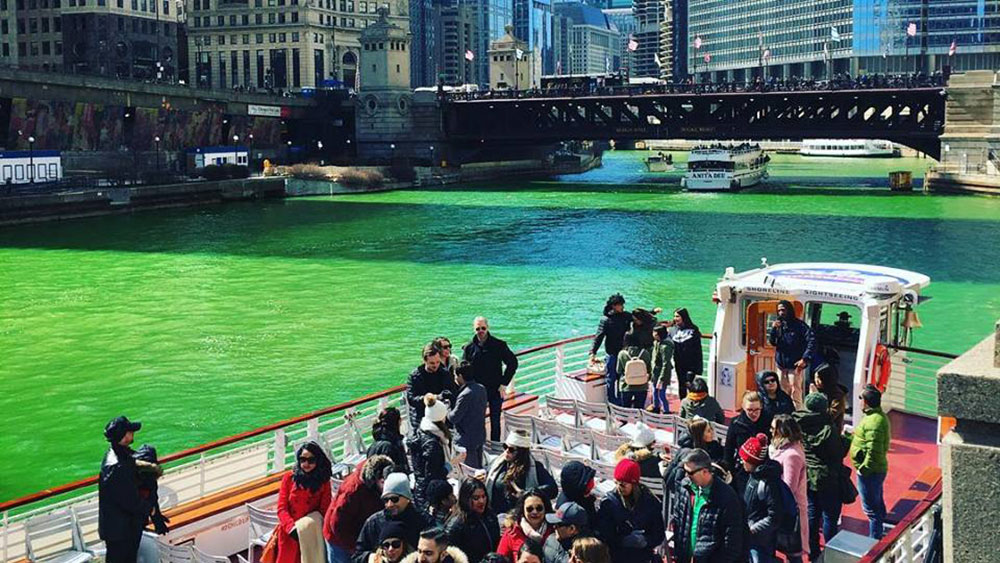
This unique event isn’t just about a color change; it’s a testament to Chicago’s vibrant local culture, its rich history, and its unwavering commitment to creating memorable experiences. For travelers seeking a truly distinctive attraction, witnessing the green Chicago River is a must-add to any itinerary. Beyond the immediate spectacle, the city offers a wealth of tourism opportunities, from world-class dining and luxurious hotels to historical landmarks and thrilling activities, all enhanced by the festive atmosphere of St. Patrick’s Day. Whether you’re planning a family trip, a romantic getaway, or a solo adventure, understanding the nuances of this celebrated tradition will help you make the most of your visit.
The Emerald Transformation: A Beloved Tradition
The greening of the Chicago River is more than just a fleeting spectacle; it’s a meticulously planned and deeply cherished tradition. What started as an innovative idea to celebrate a holiday has evolved into one of the most recognized and beloved symbols of Chicago’s unique character. This tradition speaks volumes about the city’s ability to blend history, community, and sheer spectacle into a truly global event, attracting a diverse range of visitors interested in everything from local culture to architectural wonders that line the riverbanks.
The History Behind the Green River
The tradition of dyeing the Chicago River green for St. Patrick’s Day began in 1962, thanks to the ingenious idea of Stephen Bailey, business manager of the Chicago Journeymen Plumbers Local 130. Before this, there was a practice of using dye to detect illegal sewage discharges into the river. Legend has it that one plumber, observing his dye-stained overalls, noticed how effectively the green dye colored the river water. This sparked the idea: why not use it to celebrate St. Patrick’s Day?
Initially, the dye used was an oil-based fluorescein, which unfortunately kept the river green for an entire week, much longer than intended. Over the years, the process was refined, and the current concoction is a closely guarded secret, though it’s widely known to be an environmentally friendly, vegetable-based dye. This commitment to ecological responsibility ensures that the dazzling display does not harm the river’s ecosystem, a crucial aspect for a city that prides itself on its natural attractions and commitment to sustainability. The annual event is now primarily orchestrated by the Chicago Journeymen Plumbers Local 130, who have honed the process over decades, transforming it into a precise and visually stunning operation. Their dedication not only preserves a beloved local culture but also showcases the spirit of community involvement that defines many of Chicago’s most famous events.
The Dyeing Process
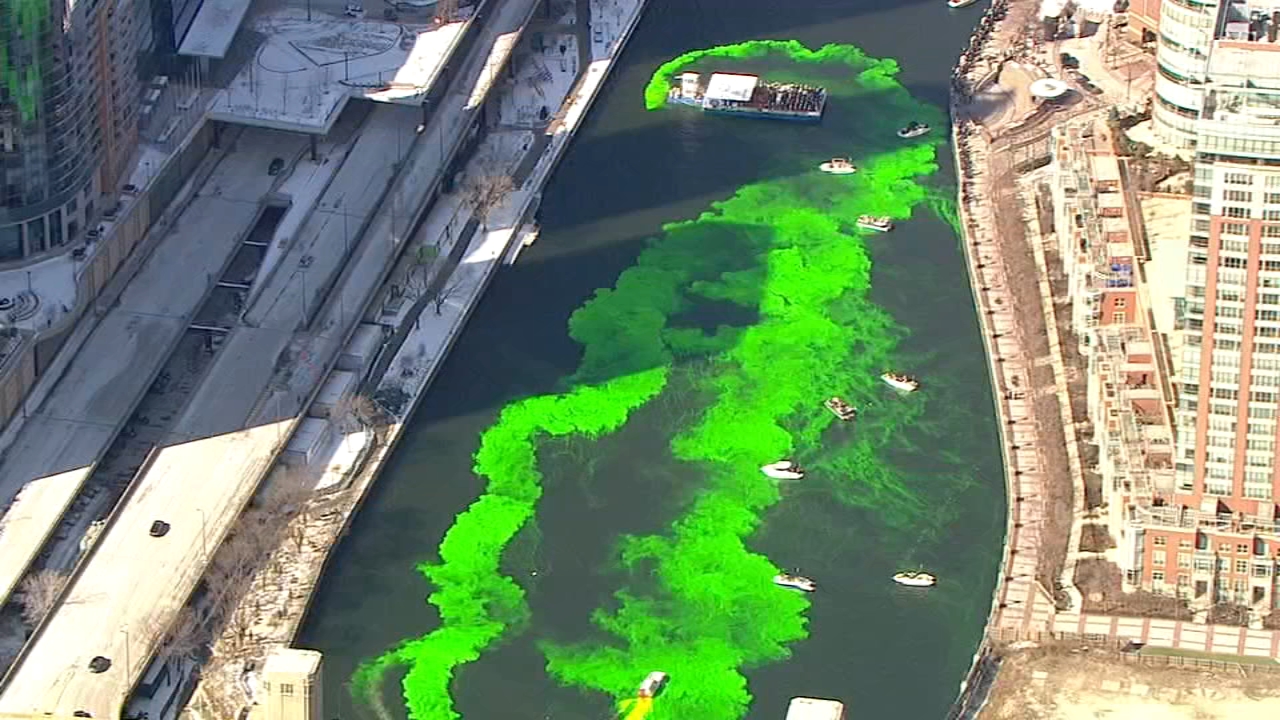
The actual dyeing of the Chicago River is a logistical marvel. On the Saturday before St. Patrick’s Day (or on the day itself if March 17th falls on a Saturday), a small fleet of boats, operated by the Chicago Journeymen Plumbers Local 130, takes to the water. The dye, an orange powder, is dispersed from a boat equipped with an apparatus that sifts the powder into the river. Upon contact with the water, the orange powder magically transforms into a brilliant, iridescent green, thanks to a chemical reaction.
The boats zigzag along a specific stretch of the river, typically between Columbus Drive and Wacker Drive downtown, ensuring an even distribution of the dye. The entire process, from start to finish, takes only about 45 minutes to an hour, turning the river from its natural murky hue into a river of emerald. This fleeting but spectacular event is a prime example of the unique experiences Chicago offers, blending a sense of wonder with deep-rooted traditions. Tourists eager to capture this moment often stake out prime viewing spots hours in advance, a testament to the event’s popularity and its status as a quintessential Chicago landmark.
The Green Glow: How Long Does It Last?
The question on everyone’s mind after witnessing the river turn green is, “How long will it stay this way?” Unlike the early days when the river remained green for a week, modern practices and environmentally conscious choices ensure the effect is beautiful but temporary. The duration of the green color is a finely tuned balance, designed to be impactful for the celebration without imposing long-term changes on the river’s appearance or ecosystem.
Factors Influencing Durability
Several factors play a role in how long the Chicago River retains its green hue. The primary influences include:
- River Flow and Current: The Chicago River is not a static body of water. Its flow and current, influenced by water levels and the operation of locks, can gradually dilute and disperse the dye. A stronger current or higher water flow will typically lead to a quicker fading of the color.
- Weather Conditions: Rain can significantly accelerate the fading process by adding more water to the river and increasing its flow, effectively washing out the dye. Conversely, calm, clear weather with minimal precipitation can help the color persist longer.
- Sunlight Exposure: While not as significant as flow or rain, UV radiation from sunlight can contribute to the breakdown of some dyes over time.
- Initial Dye Concentration: While the amount of dye used is relatively consistent each year, slight variations can occur. A slightly higher concentration might result in a more intense color that lasts a bit longer.
These natural elements mean that while the exact duration can vary, the organizers aim for a window that allows for broad enjoyment without overextending the effect.
Typical Duration and Fading
Generally, the Chicago River stays a vibrant green for approximately 24 to 48 hours. The peak viewing time is undoubtedly on the day it’s dyed, typically the Saturday of St. Patrick’s Day weekend. By Sunday, the color is usually still quite noticeable, albeit often a bit lighter or patchier. By Monday, especially if there has been rain or strong currents, much of the intense green will have dissipated, returning the river to its usual murky brown.
Occasionally, under ideal weather conditions (minimal rain, calm river), traces of green might be visible for up to three or four days, but this is the exception rather than the rule. For travelers planning their visit specifically to see the green river, aiming to be in Chicago on the Saturday of the dyeing and staying through Sunday is highly recommended. This window ensures you’ll experience the river at its most brilliant and still have time to enjoy the lingering festive atmosphere. Many local hotels and accommodations offer special St. Patrick’s Day packages, making it an ideal time for a memorable city break.
Experiencing Chicago’s Green River & St. Patrick’s Day
Witnessing the greening of the Chicago River is just the beginning of a full St. Patrick’s Day experience in Chicago. The city transforms into a lively hub of Irish celebration, offering a plethora of activities for every type of traveler. From prime viewing spots to lively parades and authentic Irish pub experiences, Chicago truly embraces the spirit of the Emerald Isle. This period is a prime example of Chicago’s vibrant tourism sector, showcasing its unique local culture and ability to host world-class events.
Prime Viewing Spots
To truly appreciate the spectacle of the green river, choosing the right vantage point is crucial. The dyeing process begins around 9:00 AM, and crowds gather early, so arriving well before then is advised.
- Along the Riverwalk: The Chicago Riverwalk provides an excellent, up-close view of the river. Sections near the dyeing zone, particularly between Michigan Avenue and Columbus Drive, offer fantastic perspectives. Be prepared for large crowds.
- Bridges: Any of the bridges spanning the main branch of the Chicago River in the downtown area offer elevated views. The DuSable Bridge (Michigan Avenue Bridge), Wabash Avenue Bridge, and Clark Street Bridge are particularly popular. Aim for a spot on the east side of the bridges for the best view of the boats heading west.
- River Cruises: For a truly unique and comfortable experience, consider booking a Chicago River cruise. Several operators, such as Chicago Architecture Foundation Center River Cruise (operated by Wendella) and Shoreline Sightseeing, offer special St. Patrick’s Day cruises that put you right on the water as the dyeing happens, or shortly after for breathtaking views of the emerald waterway. Booking these well in advance is essential due to high demand.
- Riverside Hotels & Restaurants: Some hotels and restaurants with river-facing windows or outdoor patios offer exclusive, often ticketed, viewing parties. This can be a more luxurious and comfortable way to witness the event, though it comes at a premium.
St. Patrick’s Day Parade and Festivities
The greening of the river is often just the prelude to the main St. Patrick’s Day Parade. Chicago’s parade is one of the largest and most vibrant in the nation, featuring elaborate floats, pipe and drum bands, Irish dancers, and various community groups.
- The Main Parade: The annual Chicago St. Patrick’s Day Parade typically steps off around 12:15 PM on Columbus Drive, marching north towards Grant Park. Finding a good spot along the parade route requires early arrival, similar to the river dyeing. The atmosphere is electric, filled with green attire, cheers, and Irish pride.
- Irish Pubs and Dining: No St. Patrick’s Day celebration is complete without a visit to a traditional Irish pub. Chicago boasts a fantastic array of authentic pubs where you can enjoy Guinness, Irish whiskey, and traditional fare. Popular spots include Fado Irish Pub, The Kerryman, and Chief O’Neill’s Pub & Restaurant, many of which host live music and special events throughout the weekend. Beyond Irish food, Chicago’s renowned culinary scene offers everything from deep-dish pizza at Lou Malnati’s or Giordano’s to gourmet dining experiences, catering to all tastes and budgets.
- Cultural Events: Beyond the parade and pubs, look out for other cultural events, such as Irish dance performances, music concerts, and special museum exhibits that pop up around the city during the festive period. These offerings enhance the local culture experience and provide a deeper appreciation for Irish heritage.
Planning Your Trip to Chicago for St. Patrick’s Day
A trip to Chicago for St. Patrick’s Day is an unforgettable travel experience, but it requires careful planning due to the immense popularity of the event. Integrating accommodation choices, other city landmarks, and lifestyle preferences into your itinerary will ensure a smooth and enjoyable visit. Chicago is a city that excels in offering diverse travel experiences, from luxury escapes to budget-friendly adventures.
Accommodation Choices
Given the popularity of St. Patrick’s Day in Chicago, booking your accommodation well in advance is paramount. Hotels, resorts, and apartments fill up quickly, and prices tend to increase closer to the date.
- Luxury Hotels: For those seeking an opulent stay, Chicago offers an array of five-star hotels with world-class amenities and prime locations. Options like The Langham Chicago, Four Seasons Hotel Chicago, and Peninsula Chicago provide exceptional service, stunning views, and often, exclusive access to viewing events. These establishments cater to a luxury travel lifestyle, offering suites, fine dining, and spa services that enhance any upscale getaway.
- Mid-Range Options: Many excellent mid-range hotels offer comfort and convenience without the top-tier price tag. Consider hotels such as Hotel EMC2, Kinzie Hotel, or the historic Palmer House Hilton. These options often strike a perfect balance for family trips or those seeking good value. Look for hotels in the Loop, River North, or Magnificent Mile areas for easy access to the river and parade route.
- Budget-Friendly Stays: For budget travelers or long-term stays, consider hostels, guesthouses, or vacation rentals through platforms like Airbnb. While downtown options might be pricier, expanding your search to neighborhoods just outside the immediate city center, with good public transport links, can yield more affordable choices. Remember to check reviews and compare options carefully.
- Booking Tips: Aim to book at least 3-6 months in advance. Utilize accommodation booking sites to compare prices and amenities. Consider hotels offering flexible cancellation policies, and always check the hotel’s proximity to public transportation (CTA ‘L’ train and bus lines) for easy navigation during crowded event days.
Beyond the Green River: Exploring Chicago
While St. Patrick’s Day is a major draw, Chicago offers an incredible array of year-round attractions that are well worth exploring. Integrating these into your itinerary will enrich your travel experience and provide a deeper understanding of this iconic city.
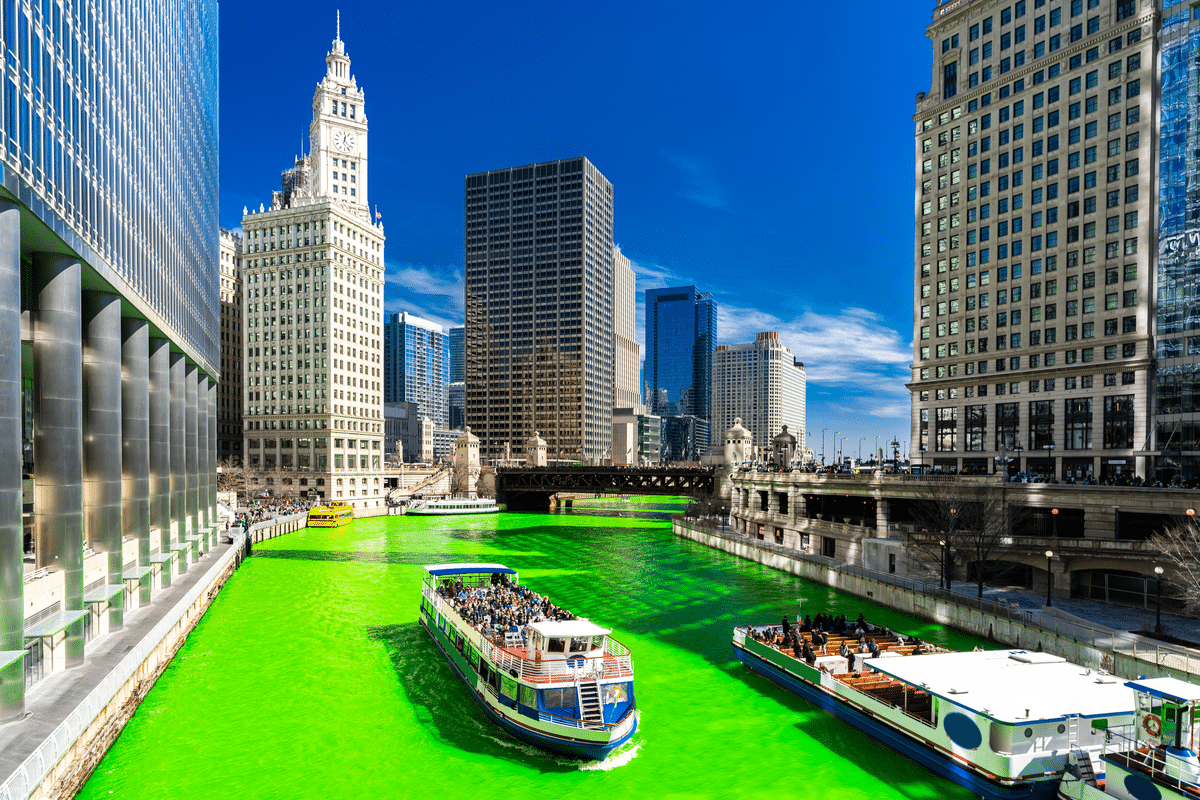
- Iconic Landmarks and Architecture: Chicago is renowned for its stunning architecture. Take an architectural boat tour (many resume in March, weather permitting) or simply stroll along the Chicago Riverwalk to admire masterpieces like the Willis Tower (home to Skydeck Chicago), the Aqua Tower, and the historic buildings lining Wacker Drive. Don’t miss Millennium Park to snap a photo with Cloud Gate (the “Bean”) and explore its modern art installations.
- World-Class Museums: Chicago is home to some of the nation’s best museums. The Art Institute of Chicago, with its vast collection of impressionist and post-impressionist art, the Field Museum (natural history), and the Shedd Aquarium are all located within walking distance of downtown, making them perfect additions to your itinerary.
- Shopping and Entertainment: Indulge in some retail therapy along the Magnificent Mile, home to luxury boutiques, department stores, and various shops. For entertainment, catch a show in the historic Theater District, or visit Navy Pier for rides, restaurants, and unparalleled views of the skyline and Lake Michigan.
- Food Scene: Beyond Irish pubs and deep-dish pizza, Chicago’s food scene is incredibly diverse. From Michelin-starred restaurants to casual eateries like Portillo’s (famous for its hot dogs and Italian beef), there’s something to satisfy every palate. Exploring the city’s culinary landscape is an essential part of the travel experience.
The dazzling green of the Chicago River is a testament to the city’s vibrant spirit and its unique way of celebrating St. Patrick’s Day. While the emerald glow typically lasts between 24 and 48 hours, its impact resonates far longer, creating cherished memories for all who witness it. Planning your trip around this extraordinary event offers a perfect blend of cultural immersion, historical appreciation, and modern urban adventure. From securing your ideal accommodation to exploring Chicago’s iconic landmarks and indulging in its culinary delights, a visit during St. Patrick’s Day promises a truly unforgettable experience that showcases the very best of what this magnificent city has to offer. So pack your green, plan your adventure, and prepare to be enchanted by the magic of Chicago’s emerald river.
LifeOutOfTheBox is a participant in the Amazon Services LLC Associates Program, an affiliate advertising program designed to provide a means for sites to earn advertising fees by advertising and linking to Amazon.com. Amazon, the Amazon logo, AmazonSupply, and the AmazonSupply logo are trademarks of Amazon.com, Inc. or its affiliates. As an Amazon Associate we earn affiliate commissions from qualifying purchases.