
The New York to Chicago flight path is one of the busiest and most popular domestic air routes in the United States. This corridor, often referred to as the “Air Corridor” or “Flyover Country,” connects two of the nation’s most iconic and influential cities. Understanding the typical flight duration is crucial for planning any trip, whether it’s for business, leisure, or a quick visit to explore the unique charms of the Windy City. While the exact time can vary, several factors contribute to the overall journey length, from the moment the plane leaves the gate to its arrival at the destination.
Factors Influencing Flight Duration
Several key elements can affect the actual time spent in the air between New York and Chicago. These range from the intrinsic characteristics of air travel to external environmental conditions. A detailed look at these variables can help travelers set realistic expectations and optimize their travel arrangements.
Scheduled Flight Time vs. Actual Flight Time
It is important to distinguish between the scheduled flight time and the actual flight time. The scheduled flight time, as listed on airline tickets and booking websites, represents the airline’s estimate of the journey’s duration, including taxiing, takeoff, flight, and landing procedures. This is typically what passengers rely on for planning purposes. However, actual flight time can be shorter or longer due to various dynamic factors.
Taxiing: The time spent moving from the gate to the runway and from the runway to the gate upon arrival is known as taxiing. This can be significantly influenced by air traffic control, runway congestion, and the size of the airport. During peak travel times at busy hubs like John F. Kennedy International Airport (JFK) or LaGuardia Airport (LGA) in New York, or O’Hare International Airport (ORD) in Chicago, taxiing times can extend the overall journey.
Flight Path and Altitude: Airlines file flight plans with air traffic control that outline the intended route and altitude. These are optimized for factors like fuel efficiency, weather avoidance, and air traffic management. While generally consistent, these paths can be adjusted in real-time due to unforeseen circumstances.
Headwinds and Tailwinds: The presence of wind plays a significant role in flight duration. Flying against a headwind will slow the aircraft down relative to the ground, increasing flight time. Conversely, a tailwind will push the aircraft forward, reducing flight time. The prevailing winds between New York and Chicago can vary, but they are a constant consideration for pilots and dispatchers.
Aircraft Type: While less of a factor for this specific route due to the prevalence of similar narrow-body aircraft, the cruising speed of the specific aircraft model operated by the airline can have a marginal impact on flight time.
Standard Flight Duration Estimates
For the New York to Chicago route, the typical flight duration falls within a predictable range. This is a relatively short flight, especially when compared to international journeys.
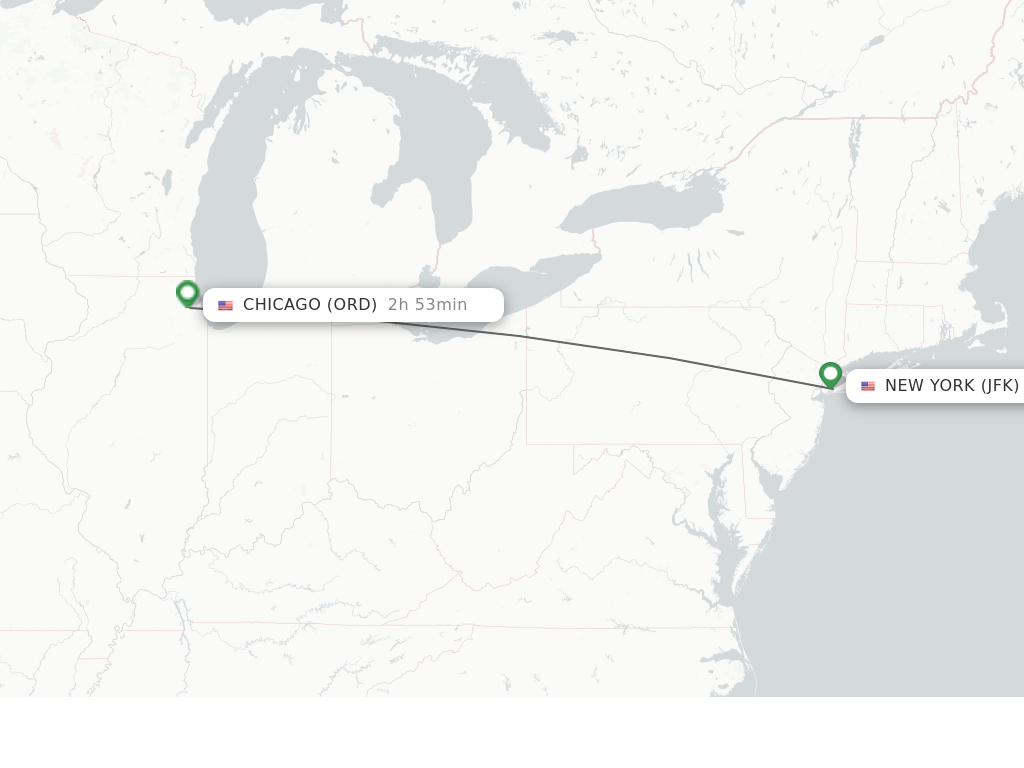
Average Flight Time: On average, the flight time from New York to Chicago is approximately 2 hours and 30 minutes to 3 hours. This figure represents the time the aircraft is in motion, from takeoff to landing. However, when considering the entire travel experience from gate to gate, the total time will be longer.
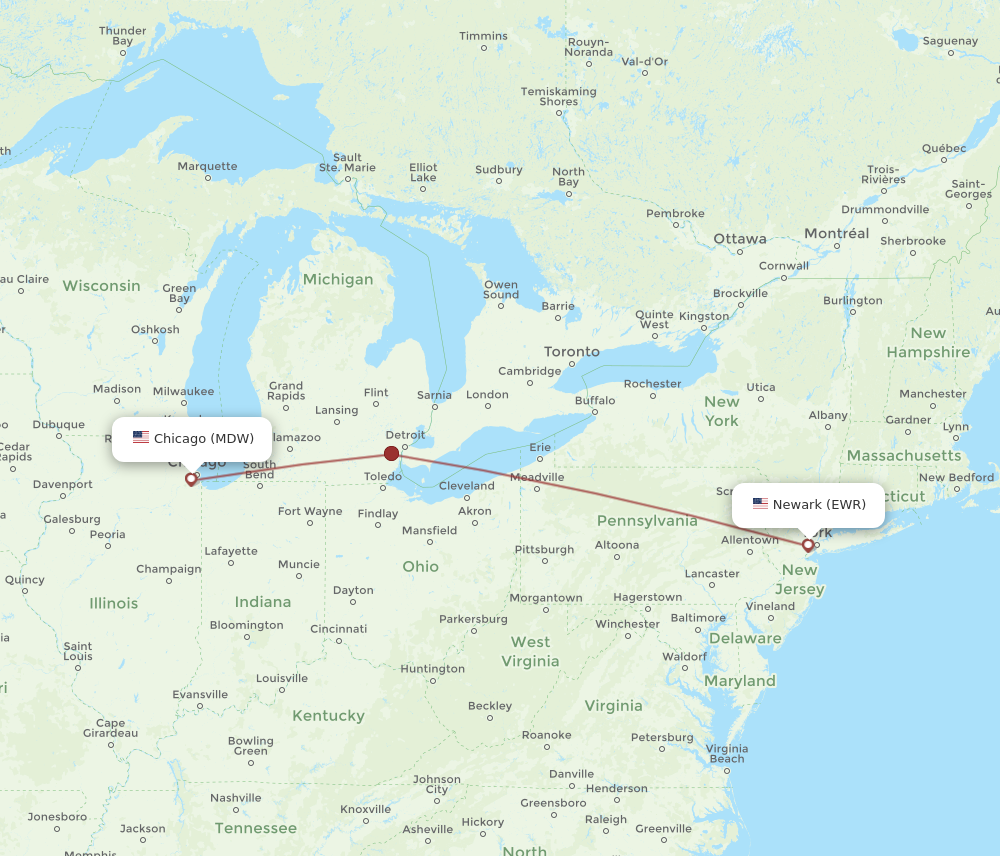
Direct Flights: For direct flights, the focus is on the airborne segment. These are the most efficient options for travelers looking to minimize their time in transit. Airlines like American Airlines, United Airlines, and Delta Air Lines operate numerous daily direct flights between the major New York area airports (including Newark Liberty International Airport (EWR)) and Chicago.
Connecting Flights: Flights with one or more stops will naturally take significantly longer. The layover time at the connecting airport, coupled with the additional flight segments, can extend the total travel time to 5, 7, or even more hours. Travelers opting for connecting flights are often doing so for cost savings or to reach smaller, less served airports.
The Journey from Gate to Gate: A Realistic Timeline
Understanding the flight duration involves more than just the time spent airborne. The entire process from arriving at the departure airport to exiting the arrival airport can be a substantial part of the travel day.
Pre-Flight Preparations and Boarding
The time spent before the aircraft even departs is a critical component of the travel experience.
Airport Arrival: Airlines typically recommend arriving at the airport 2 hours before domestic departures. This allows ample time for check-in, security screening, and reaching the departure gate. Factors like the chosen airline, whether checked baggage is involved, and the current security line lengths at airports like LaGuardia or O’Hare can influence how much time is truly needed.
Security Screening: The Transportation Security Administration (TSA) process can be a significant variable. During peak hours, especially at major airports like JFK or ORD, security lines can be lengthy. Travelers with TSA PreCheck or Global Entry may experience significantly faster screening.
Boarding Process: Once at the gate, the boarding process itself takes time. Airlines begin boarding typically 30-45 minutes before scheduled departure. This involves passengers lining up and finding their seats, stowing carry-on luggage, and preparing for takeoff.
Post-Flight Procedures and Deplaning
Upon arrival, the journey isn’t over until passengers have successfully disembarked and collected their belongings.
Taxiing to the Gate: After landing, the aircraft will taxi to its designated gate. This can take anywhere from 5 to 20 minutes, depending on airport layout and air traffic.
Deplaning: The process of passengers exiting the aircraft can also take time, especially on full flights.
Baggage Claim: For passengers who checked luggage, the wait at baggage claim can add a significant chunk of time to the total journey, often ranging from 15 to 30 minutes, or even longer if there are delays in baggage handling.
Ground Transportation: Finally, the time taken to secure ground transportation, whether it’s a taxi, rideshare, public transit like the L-Train in Chicago or the AirTrain in New York, or a rental car, also adds to the overall time from arrival at the destination airport to reaching the final hotel or meeting point.
Optimizing Your Travel Time
With an understanding of the factors affecting flight duration, travelers can implement strategies to make their journey between New York and Chicago as efficient and seamless as possible.
Choosing the Right Flights and Airports
The initial choices made during the booking process can have a profound impact on the overall travel time.
Direct Flights: As mentioned, prioritizing direct flights is the most straightforward way to minimize travel time. The cost difference between direct and connecting flights on this popular route is often negligible, making direct the preferred option for time-conscious travelers.
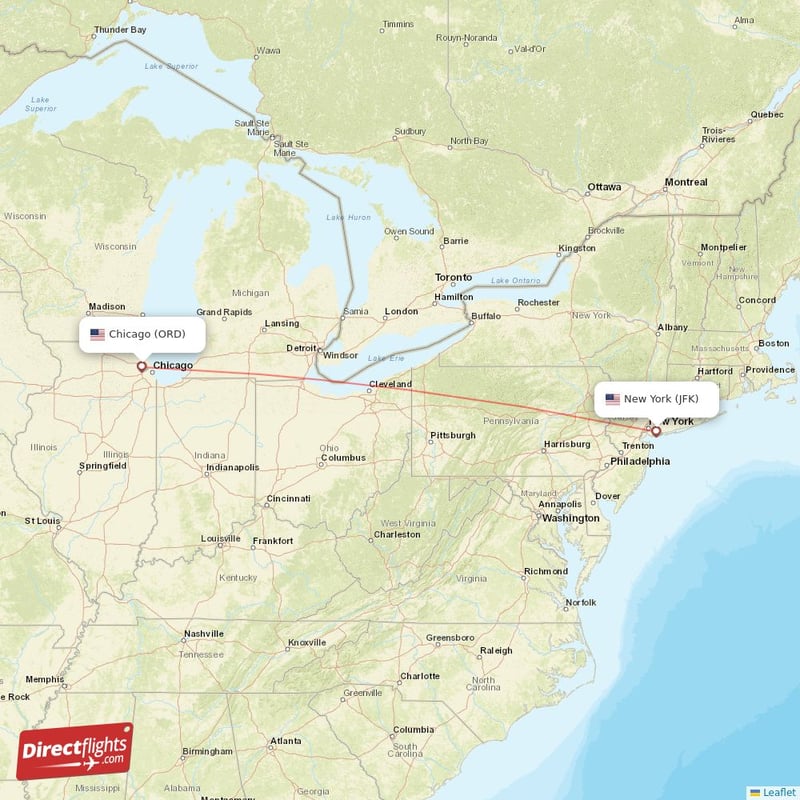
Airport Selection in New York: New York is served by three major airports: JFK, LGA, and EWR. JFK and EWR are typically better equipped for larger aircraft and longer-haul flights, while LGA is primarily a domestic airport often used for shorter routes like Chicago. The choice of airport can depend on your starting point within the New York metropolitan area and your destination within Chicago. For instance, flights into O’Hare International Airport (ORD) might be preferred if your destination is further north in Chicago, while flights into Midway International Airport (MDW) could be more convenient for destinations to the south.
Airport Selection in Chicago: Similarly, Chicago has two major airports: O’Hare International Airport (ORD) and Midway International Airport (MDW). Both have excellent transportation links to the city center. ORD is a larger hub and often handles more international and long-haul flights, while MDW is a focus city for Southwest Airlines and can be more convenient for certain neighborhoods.
Managing Time on Arrival and Departure
Proactive measures before and after the flight can shave valuable minutes off the total travel time.
Utilize Technology: Mobile check-in, digital boarding passes, and airline apps can streamline the process at the airport. Tracking flight status in real-time can also help with last-minute adjustments.
Pack Smart: Minimize checked baggage to avoid the wait at baggage claim. If carrying on, ensure your luggage meets the airline’s size and weight restrictions to avoid last-minute repacking.
Pre-book Transportation: Arranging for ground transportation in advance, especially for airport transfers, can save time upon arrival. Knowing the best public transport options for your specific destination in Chicago is also beneficial.
By considering these elements, travelers can accurately gauge the time commitment for a New York to Chicago flight and plan their trips with confidence, ensuring a smooth and efficient travel experience between these two vibrant American metropolises.
LifeOutOfTheBox is a participant in the Amazon Services LLC Associates Program, an affiliate advertising program designed to provide a means for sites to earn advertising fees by advertising and linking to Amazon.com. Amazon, the Amazon logo, AmazonSupply, and the AmazonSupply logo are trademarks of Amazon.com, Inc. or its affiliates. As an Amazon Associate we earn affiliate commissions from qualifying purchases.